
Dominate Search or Get Left Behind
Search engine optimization is no longer optional—it is the difference between owning your market and being invisible online. Every day, your customers are searching for the solutions you offer. If your website is not showing up on page one, you are handing revenue directly to your competitors. Thinkit Media provides aggressive, results-driven SEO services designed to put your business in front of high-intent buyers exactly when they are ready to convert.
SEO Is the Primary Driver of Website Traffic
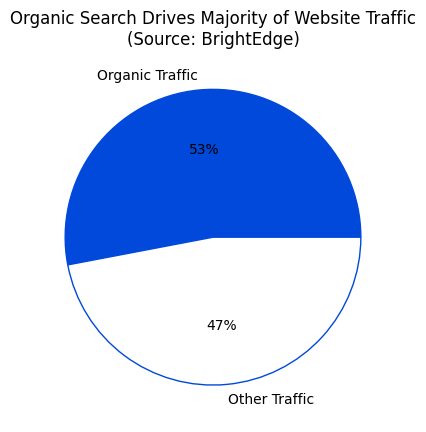
Organic search is the backbone of online visibility. According to BrightEdge, 53% of all website traffic comes from organic search, outperforming paid ads, social media, and referral traffic combined. SEO places your website in front of users who are actively searching—not casually scrolling. That means higher intent, better engagement, and more revenue.
Businesses that invest in SEO stop renting traffic and start owning it. Rankings compound over time, driving consistent growth without ongoing ad spend.
SEO Crushes Traditional Lead Generation

SEO does not just drive traffic—it drives conversions. HubSpot reports that 61% of marketers say SEO is their top source of inbound leads, outperforming outbound tactics like cold calls and paid ads. Why? Because SEO targets users already looking for answers.
If your website is not optimized for search intent, you are paying more for worse leads. Thinkit Media builds SEO strategies that attract decision-makers, not browsers.
Rankings Control Clicks—and Revenue
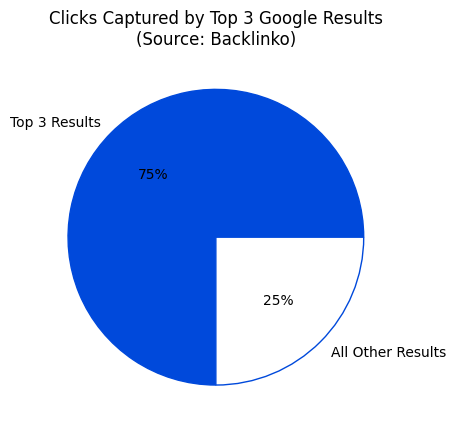
Visibility equals dominance. Backlinko research shows that 75% of all clicks go to the top three Google results. If you are not ranking at the top, you are competing for scraps. Page two may as well not exist.
Thinkit Media focuses relentlessly on page-one and top-three placements because that is where real revenue is generated. Anything less is a wasted opportunity.
Mobile SEO Is Mandatory
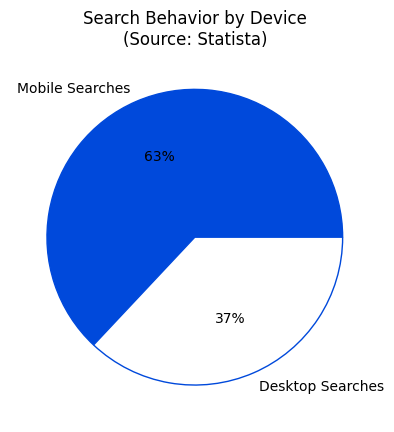
Search behavior has shifted permanently. Statista reports that 63% of searches now come from mobile devices. If your website is not optimized for mobile speed, usability, and intent, Google will not rank you, and users will not stay.
Thinkit Media’s technical SEO ensures your site loads fast, performs flawlessly on mobile, and meets Google’s Core Web Vitals standards.
Users Trust Organic Results – Not Ads
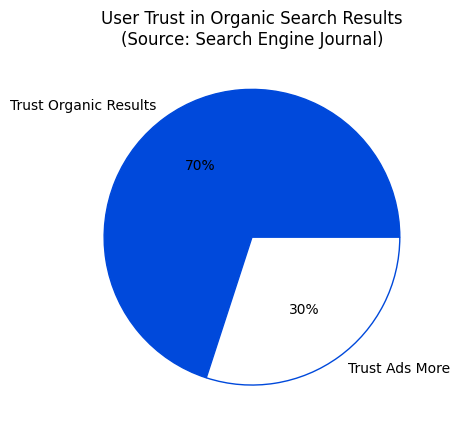
Search Engine Journal reports that 70% of users trust organic search results more than paid advertisements. Organic rankings signal authority, credibility, and legitimacy. Ads interrupt. SEO attracts.
When users trust your website, they convert at higher rates and stay longer. SEO builds authority that paid traffic never will.
SEO Delivers Long-Term ROI
Paid ads stop the moment you stop paying. SEO keeps working.
A single top-ranking page can generate leads and sales for years. Over time, SEO has become one of the highest ROI marketing channels available. Businesses that commit to SEO build an asset that competitors struggle to replicate.
Thinkit Media treats SEO as an investment, not an expense. Every optimization is designed to compound results and protect your market position.
Optimize for AI Search Visibility (SGE & AI Answers)
Search is no longer just ten blue links. Google’s Search Generative Experience (SGE) and AI-powered answers are reshaping how users discover businesses. If your content is not optimized for AI interpretation, summarization, and citation, you risk disappearing—even if you rank well traditionally.
Thinkit Media optimizes SEO content specifically for AI search visibility by:
- Structuring content with clear semantic headings and intent-driven sections
- Answering high-value questions concisely for AI extraction
- Optimizing for entities, topical authority, and contextual relevance
- Writing content designed to be quoted in AI-generated answers
This ensures your brand appears not only in organic listings, but inside AI summaries, featured answers, and future search interfaces.
Schema Markup & FAQ Blocks: Total SERP Control
Ranking is not enough—you need to dominate the search results page.
Thinkit Media implements advanced schema markup and FAQ blocks to expand your search footprint and increase click-through rates. Structured data helps search engines understand your content more clearly and rewards your site with enhanced SERP features.
Benefits of schema + FAQ optimization include:
- Increased visibility through rich results
- Higher CTR from expanded listings
- Eligibility for featured snippets and AI answers
- Improved voice search and assistant results
FAQ blocks are written to directly target search queries users ask, increasing your chances of owning both traditional and AI-powered results.
Why Thinkit Media Wins at SEO
Thinkit Media delivers full-spectrum SEO built for domination, including:
- Advanced keyword and competitor research
- Technical SEO and site performance optimization
- Content optimization for organic and AI-powered search results
- Authority-driven link building
- Conversion-focused on-page SEO
- Transparent reporting and measurable growth
This is not generic SEO. This is aggressive, performance-driven optimization designed to win rankings and revenue.
The Cost of Doing Nothing
Every day without SEO is lost traffic, lost leads, and lost sales. Your competitors are investing right now. The longer you wait, the harder it becomes to catch up.
If you are serious about growth, SEO is non-negotiable.
Final Word
Search engine optimization is the most powerful digital growth lever available. It drives most of the traffic, delivers the highest-quality leads, and builds lasting authority. Thinkit Media provides SEO services engineered to dominate search results and turn visibility into revenue.
If you want to compete, SEO is required. If you want to win, Thinkit Media is the partner.
Frequently Asked Questions
What an SEO finder does for your marketing
An SEO finder is a focused process or tool that helps you discover the best opportunities to grow organic traffic. It combines keyword discovery, competitor analysis, and technical checks so you can make practical marketing decisions instead of guessing. If you manage content or campaigns, an SEO finder helps you work faster and with clearer priorities.
- Keyword discovery: identifies terms your audience uses, grouped by intent (informational, transactional, local).
- Content gap analysis: shows what competitors rank for that you don’t, so you can create pages that fill real needs.
- Technical signals: flags crawlability, mobile, speed, and indexation issues that block growth.
- Competitor benchmarking: compares visibility, backlink strength, and content formats to guide strategy.
- Local & SERP tracking: monitors positions and featured results so you know what to optimize next.
How to act on results:
- Prioritize keywords by search volume and difficulty, then map them to specific pages.
- Address high-impact technical fixes first (speed, indexing, mobile).
- Create or update content with clear intent and internal links, then track rankings and traffic.
If you want faster wins, focus on long-tail keywords and content gaps—those are often easier to rank for and can steadily grow qualified traffic. Stay consistent and measure changes weekly to learn what works for your audience.
Quick overview
SEO professional services are specialized marketing activities focused on improving a website’s visibility in search engines to attract qualified traffic and convert visitors into customers. As a business owner you want clear outcomes: more relevant visitors, higher rankings for target keywords, and measurable ROI.
Typical services
- Technical SEO – site audits, page speed, mobile usability, crawlability fixes.
- On-page optimization – keyword research, meta tags, structured content, and internal linking.
- Content strategy – editorial calendars, blog posts that match buyer intent, and content gap analysis.
- Local SEO – Google Business Profile optimization, local citations, and review management for businesses serving nearby customers.
- Link building & outreach – earning authoritative backlinks to improve domain trust.
- Reporting & analytics – conversion tracking, traffic analysis, and monthly performance reports.
How this helps your business
Professional SEO aligns technical fixes, content, and promotion with your customers’ search behavior. That means attracting visitors who are more likely to buy or inquire, reducing wasted ad spend, and building long-term organic growth. Results are cumulative: early audits and fixes improve site health, content builds relevance, and links increase authority.
What to ask when hiring: clear KPIs, timelines, sample reports, and references. A trustworthy provider explains trade-offs, prioritizes high-impact fixes first, and ties activities to measurable business goals.
Yes — you can run a practical, results-driven SEO analysis online. Below is a concise, human-friendly process you can follow right away to find the highest-impact issues and opportunities.
Step-by-step online SEO analysis
- Crawl & indexability: Verify robots.txt, XML sitemap, canonical tags and that important pages are indexed.
- On-page content: Check title tags, meta descriptions, H1s, keyword relevance and content quality. Look for thin or duplicate pages.
- Technical performance: Test mobile-friendliness, page speed, HTTPS, broken links and structured data. Fix the most critical errors first.
- Backlinks & authority: Review referring domains for quality, anchor text distribution and any toxic links that could harm rankings.
- User behavior & conversions: Analyze organic traffic trends, landing page bounce rates, click-through rate (CTR) and goal completions.
- Local or e-commerce checks: For local sites, verify NAP consistency; for stores, audit product schema and category pages.
Quick metrics to track
- Organic sessions and keyword rankings
- Pages indexed, crawl errors and server response
- Core Web Vitals and mobile scores
- Backlink growth and referring domain quality
- Conversion rate from organic traffic
Practical tip: Start with the biggest technical or content issues you can fix in a few hours, then measure impact. Run a full audit quarterly and a light check monthly to keep improvements steady and measurable.
What a top local SEO company should provide
Look for a local SEO partner that treats your business like a neighbor, not a template. A strong company will start with a local audit, optimize your Google Business Profile, fix inconsistent citations, create localized on-page content and schema, manage review strategy, and measure leads—not just rankings.
- Clear deliverables: audit, GMB optimization, citation cleanup, local content, and link relevance.
- Transparent reporting: traffic, calls, conversions, and keyword trends on a regular cadence.
- Local experience: case studies or references in your industry and geography.
Ask direct questions before hiring:
- Can you show specific local case studies and contactable references?
- Who will manage my account and how often will we communicate?
- What exact metrics and goals will you report on each month?
- Are citations and review-generation included or billed separately?
Timeline and expectations: expect measurable improvements in local visibility and calls in 3–6 months; sustained growth requires ongoing work. Avoid firms that guarantee #1 rankings—trust, transparency, and measurable ROI matter more.
Final tip: choose a company that prioritizes local knowledge, measurable outcomes, and clear communication to build long-term customer growth.
What is seo tech?
SEO tech (technical SEO) refers to the site- and server-level optimizations that help search engines crawl, index, and understand your content. Think of it as the behind-the-scenes infrastructure for your marketing — the plumbing that lets your content deliver value to the right audience.
How technical SEO impacts marketing
When seo tech is done well, it amplifies every marketing effort by improving visibility, reducing wasted ad spend, and increasing conversion potential. Key marketing benefits include:
- Better indexation: Search engines find and display your best pages.
- Faster pages: Improves user engagement and conversion rates.
- Accurate targeting: Structured data and canonicalization make sure the right page ranks for the right query.
- Trust & security: HTTPS, clean redirects, and no broken links reduce friction and brand risk.
Quick actionable checklist
- Run a technical audit: crawlability, robots.txt, sitemap, and index coverage.
- Fix site speed and Core Web Vitals issues.
- Ensure mobile-first responsiveness and correct viewport settings.
- Implement structured data for key content types (products, articles, local).
- Resolve duplicate content with canonical tags and consistent URL structures.
Make technical SEO a regular part of your marketing roadmap: prioritize issues by impact, measure results, and coordinate fixes with developers to turn seo tech into measurable growth.
What an SEO service agency does for your marketing
An SEO service agency helps your business get found in search engines by combining technical improvements, targeted content, and off‑site authority building. Their goal is to bring qualified visitors who are more likely to convert into leads or customers. A reputable agency will align SEO work with your marketing objectives, set clear KPIs, and communicate progress in plain language.
- Technical SEO: resolve crawl issues, improve site speed, and ensure mobile performance.
- On‑page optimization: optimize titles, meta descriptions, headings, and internal linking for priority keywords.
- Content strategy: create user-focused pages and blog content that answers real customer questions.
- Local SEO: optimize Google Business Profile, citations, and local landing pages if you serve specific areas.
- Link building: earn reputable backlinks to increase domain authority and referral traffic.
- Analytics & reporting: track traffic, rankings, and conversions to refine the approach.
Typical workflow often follows audit → strategy → implementation → measurement. Expect some technical and on‑page wins within weeks, with consistent organic growth usually visible in 3–6 months depending on competition and resources.
Choose an agency that offers transparent reporting, case studies relevant to your industry, a clear roadmap, and a collaborative approach so SEO becomes a sustained channel that supports your overall marketing goals.
How SEO and marketing work together
Short answer: SEO and marketing are the same growth engine seen from two angles — SEO drives discoverability and long-term traffic, while marketing converts that traffic into customers, loyalty, and measurable revenue. When they align, every piece of content, campaign, and technical improvement contributes to conversions.
How to make them work together:
- Shared goals: Agree on priority metrics (organic traffic, leads, sales, LTV). Teams that track the same KPIs move faster.
- Keyword-led messaging: Use keyword research to shape campaigns and landing pages so content answers real search intent and supports paid efforts.
- Content strategy: Produce a mix of awareness, consideration, and product-focused content. SEO builds authority; marketing amplifies it via email, social, and ads.
- Technical foundation: Ensure fast pages, clear site structure, and mobile usability so marketing investments convert reliably.
- Link and partnership play: Coordinate PR, influencer, and outreach efforts to grow backlinks and brand signals together.
- Measure and iterate: Track organic conversions, channel-assisted sales, and page-level performance; run A/B tests to improve ROI.
Start small: prioritize high-intent keywords and a few landing pages, coordinate one campaign, then scale based on measured wins. When SEO and marketing speak the same language, growth becomes predictable and cost-efficient.
How a website optimization company improves SEO
A website optimization company focuses on SEO marketing tasks that increase relevant organic traffic and conversions. They begin with a focused audit to identify technical problems, content gaps, and high-opportunity keywords, then create a prioritized plan tied to measurable goals.
Core activities you should expect:
- Technical SEO: resolve crawl errors, improve site speed, ensure mobile friendliness, implement schema markup, and fix canonical issues.
- On-page optimization: optimize titles, meta descriptions, headings, and internal linking to match search intent and target keywords.
- Content strategy: produce and refine helpful content that answers real user questions and targets keyword clusters.
- Link-building & outreach: earn relevant backlinks and partnerships to boost domain authority.
- Local SEO: optimize Google Business Profile, citations, and localized landing pages when serving specific areas.
- Measurement & reporting: define KPIs, track organic traffic, ranking, and conversions, and adjust strategy based on data.
Timeline and expectations: Technical improvements and speed gains often appear within weeks. Meaningful ranking and traffic increases typically take 3–6 months, while sustainable growth requires ongoing optimization.
How they work with you: A trustworthy company will explain recommendations in plain language, collaborate with your team, prioritize the highest-impact fixes first, and provide regular, transparent reports so you can see ROI and next steps.
Start with user intent and clear goals
Your homepage should answer quickly who you are, what you offer, and what visitors should do next. Focus on primary keywords that match search intent (brand + service or product category) and use them naturally in the title, H1, and opening paragraph. Think like a customer: prioritize clarity over cleverness.
Practical checklist
- Title tag & meta description: craft a concise title (50–60 characters) and a compelling meta description that includes your main keyword and a call to action.
- Heading structure: use a clear H1 and supporting subheadings; include keywords without stuffing.
- Content: write concise, benefit-driven copy that answers common questions and supports conversions; add secondary keywords and location modifiers if relevant.
- Site performance: optimize images, enable caching, and aim for fast load times on mobile and desktop.
- Mobile-first: ensure the homepage is fully responsive and easy to navigate on small screens.
- Internal links: link from the homepage to key service pages, blog posts, and contact pages to distribute authority.
- Technical basics: check robots.txt, XML sitemap, canonical tags, and implement schema markup for organization and local business where appropriate.
Next steps
Measure results with Google Search Console and analytics: track clicks, impressions, and top queries, then iterate. Small, regular improvements to content, speed, and UX will improve your homepage SEO and conversions over time.
Local search rankings determine whether nearby customers find your business when they search on Google, Maps, or other local directories. Focus on a few high-impact actions you can maintain consistently rather than chasing every trick.
Practical checklist
- Claim and optimize your Google Business Profile: Complete every field, set correct hours, add current photos, and choose relevant categories.
- Consistent NAP: Ensure your business name, address, and phone number are identical across your website, directories, and social profiles.
- On-page local SEO: Add city/region keywords to title tags, meta descriptions, headers, and a clear location page with directions and a Google map.
- Local citations and links: List your business in reputable local directories and earn links from community partners, local news, or industry sites.
- Reviews and reputation: Ask satisfied customers for reviews, respond professionally to feedback, and resolve issues quickly.
Ongoing tips
- Measure performance: Use Google Business Profile Insights, Search Console, and a local rank tracker to spot trends.
- Keep content fresh: Post offers, events, or blog posts relevant to local customers.
- Prioritize user experience: Fast mobile pages and clear contact options increase conversions and search visibility.
Start with the checklist above, track progress monthly, and prioritize the actions that drive traffic and bookings—consistent effort wins in local SEO.
What basic SEO covers
Basic search engine optimization (SEO) is the set of practical steps that help your website appear for relevant searches and attract the right visitors. Think of it as marketing for search engines: match content to user intent, make pages fast and easy to crawl, and build credibility so search engines recommend your site.
Step-by-step starter checklist
- Keyword focus: identify 3–5 target phrases per page that reflect real customer intent. Use simple tools or search suggestions to find long-tail variations.
- On-page basics: craft a clear title tag, a compelling meta description, and use headings (H1/H2) that include your phrase naturally. Keep URLs short and descriptive.
- Content quality: create helpful, original content that answers the searcher’s question. Use lists, examples, and internal links to related pages.
- Technical health: ensure mobile-friendliness, fast loading, HTTPS, and a logical site structure so crawlers can index pages reliably.
- Authority and local signals: earn mentions and backlinks from relevant sites; claim and optimize your Google Business Profile if you serve local customers.
- Measure and iterate: set up Search Console and analytics, track impressions, clicks, and rankings, and improve pages based on real data.
Start small: pick one important page, apply these steps, and review performance after a month or two. SEO is steady marketing—consistent improvements compound over time.
Working with an online SEO company can accelerate your search visibility and attract qualified traffic. A good partner combines strategy, technical fixes, content, and measurable reporting so your marketing investment drives leads and sales.
What an online SEO company does
- Technical SEO: site audits, speed, mobile performance, and crawlability fixes.
- Keyword & content strategy: research, topic planning, and content optimization to match user intent.
- On-page and local SEO: meta tags, schema, Google Business Profile, and local citations.
- Link building & outreach: earned backlinks to improve authority.
- Analytics & reporting: conversion tracking, KPI dashboards, and actionable recommendations.
How to choose the right company
- Review results: ask for case studies and references relevant to your industry and goals.
- Ask about methods: ensure they use white-hat SEO and explain their tactics in plain language.
- Clarify expectations: timelines (typically 3–6+ months), KPIs, and what success looks like for your business.
- Communication & transparency: request regular reports, clear deliverables, and a single point of contact.
- Pricing & contracts: prefer flexible engagements or pilot projects before long-term commitments.
If you want, start with a short audit or a discovery call to see how their approach aligns with your goals and budget. A trustworthy SEO partner will educate you, set realistic targets, and show steady progress over time.
How a dental SEO expert helps your practice
A dental SEO expert focuses on marketing strategies that put your practice in front of people actively searching for dental care. They combine technical, on-page, and local tactics to increase visibility, attract qualified traffic, and convert visitors into appointments.
Core services you should expect
- Website audit and technical fixes — resolve speed, mobile, security, and crawling issues so search engines index your site reliably.
- On-page optimization — align page titles, headings, schema, and content with the procedures and locations you want to rank for.
- Local SEO and Google Business Profile — optimize your listing, manage categories, photos, hours, and local citations to win map pack visibility.
- Content strategy — create patient-focused pages and blog posts that answer common questions and target high-intent keywords.
- Reputation and review management — encourage, respond to, and leverage patient reviews to build trust and improve local rankings.
- Tracking and reporting — measure organic traffic, keyword positions, phone calls, and booked appointments to show ROI.
What to expect: measurable improvements typically appear in 3–6 months, with continued growth as content and local signals strengthen. A good expert communicates clearly, sets realistic goals, and ties SEO efforts directly to patient leads and revenue.
SEO agency services are focused on increasing your website’s visibility in search engines, attracting qualified visitors, and turning those visitors into leads or customers. A good agency combines technical fixes, content strategy, and ongoing analysis so your marketing investment drives measurable results.
Typical services
- SEO audit & strategy: a prioritized roadmap based on site health, competitor gaps, and target keywords.
- Technical SEO: fixes for speed, crawlability, mobile usability, and structured data to ensure search engines can index your site properly.
- On-page optimization: title tags, headings, meta descriptions, and content adjustments to improve relevance for target searches.
- Content strategy & creation: buyer-focused content, blog posts, and landing pages that answer search intent and support conversion goals.
- Local SEO: Google Business Profile setup, local citations, and review management for brick-and-mortar or service-area businesses.
- Link building & outreach: earned links from relevant sites to increase authority and rankings.
- Analytics, reporting & CRO: regular reports, A/B testing, and conversion optimization to turn traffic into measurable outcomes.
What to expect and how success is measured
Results typically emerge over months, not days; expect initial technical wins in 1–3 months and material organic growth in 4–12 months. Key metrics include:
- Organic traffic
- Keyword rankings for target phrases
- Leads, sales, or other conversions
- Return on marketing spend (ROMI)
Work with an agency that provides clear scopes, monthly reports, and a communication cadence you’re comfortable with. Ask for case studies and a realistic timeline tailored to your business goals.
How a Shopify SEO company helps
A Shopify SEO company focuses on improving your store’s visibility in search engines and converting that traffic into revenue. They combine technical fixes, on-page content, and ongoing marketing to make your product pages discoverable and persuasive for buyers.
Core services you should expect
- Technical SEO: site speed, mobile optimization, URL structure, canonical tags, and structured data for product listings.
- Keyword research & on-page: product and category keyword mapping, title/meta optimization, and informative, buyer-focused descriptions.
- Content strategy: blog posts, buying guides, and internal linking that support product pages and long-tail search intent.
- Link building & outreach: PR, partnerships, and relevant backlinks to increase domain authority.
- Analytics & CRO: tracking revenue, conversion rates, and running tests to improve checkout and product page conversions.
What to expect and timeline
- Initial audit and quick fixes: 1–4 weeks to resolve technical blockers.
- On-page and content rollout: 1–3 months for keyword-targeted pages to gain traction.
- Authority building and CRO: 3–6+ months to see steady traffic and revenue growth.
Tip: Ask about measurable KPIs (organic revenue, conversion rate), reporting cadence, and experience with Shopify apps and liquid templates. A good agency communicates clear milestones and focuses on profitable growth, not just rankings.
What an SEO engine is
An SEO engine is a system or suite of tools designed to automate, analyze, and optimize the tasks that drive organic visibility. In practical terms it combines keyword research, site crawling, on-page recommendations, backlink analysis, rank tracking, and reporting so you and your team can make faster, more informed decisions about content and technical fixes.
How it helps your SEO marketing
Using an SEO engine turns scattered data into a repeatable workflow. It helps you prioritize the highest-impact opportunities, reduce manual work, and measure results over time. That means you can:
- Find the right keywords based on intent and competition instead of guesswork.
- Fix technical issues like crawl errors, duplicate content, and slow pages that hurt rankings.
- Optimize content with clear on-page recommendations tuned to your target queries.
- Monitor performance with automated rank tracking and traffic attribution.
Quick steps to get value
Start with a focused audit, set measurable goals (traffic, leads, conversions), then use the engine to prioritize and deploy changes. Review results weekly, iterate on content and technical fixes, and scale what works. Over time, the engine becomes the backbone of predictable, data-driven SEO marketing.
Tip: Choose a tool that fits your team size and integrates with your analytics and CMS to get the fastest impact.
An SEO digital company improves your website’s visibility in search engines and drives qualified visitors who are more likely to convert. They blend technical fixes, content strategy, and continuous measurement to turn organic traffic into reliable leads and sales.
What an SEO digital company does
- Site audit: Identify technical issues, crawl errors, and page speed problems that block search performance.
- Keyword research: Find terms your customers use and prioritize those with intent to buy or inquire.
- On-page optimization: Improve titles, headings, meta descriptions, and content to match search intent.
- Technical SEO: Fix indexation, structured data, mobile UX, and site architecture.
- Content strategy: Create and optimize pages and blog content that attract and answer real customer questions.
- Link building & PR: Earn authoritative links and citations to boost domain trust.
- Reporting & analytics: Track traffic, conversions, and the metrics that show ROI.
How you’ll see results
- First 1–2 months: Audit, quick technical fixes, and low-effort on-page wins.
- 2–6 months: Content rollout, keyword ranking improvements, and steady traffic growth.
- 6–12 months: Stronger conversions, higher organic revenue, and ongoing refinement based on data.
Good agencies act as partners: they set clear KPIs, provide transparent reports, and tailor work to your budget and goals. Ask for case studies, a communication plan, and expected timelines so you have realistic expectations and can measure progress toward real business outcomes.
An SEO marketing consultant is a specialist who improves your site’s visibility in search engines and aligns organic traffic with your business goals. They combine technical audits, keyword strategy, content guidance, and performance measurement to grow relevant traffic and conversions.
Role and key deliverables
- Technical audit — identify crawl, speed, and indexing issues that hurt rankings.
- Keyword & content strategy — target terms that match buyer intent and prioritize content opportunities.
- On‑page optimization — optimize headings, meta tags, site structure, and internal linking.
- Off‑page strategy — evaluate backlinks and outreach opportunities to build authority.
- Tracking & reporting — set KPIs, dashboards, and regular performance reviews.
How they help your business
- Assess current state and set realistic goals tied to revenue or leads.
- Prioritize fixes and initiatives that deliver the best ROI first.
- Implement changes or coach your team so improvements are sustainable.
- Measure results and refine tactics based on data, not guesswork.
- Scale successful channels while monitoring for algorithm or market shifts.
How to choose one
- Look for industry experience, transparent methods, and case studies.
- Favor consultants who propose a clear timeline, measurable KPIs, and regular reporting.
- Ask for references and a realistic plan that balances quick wins with long‑term growth.
If you want, start with a short audit or discovery call to see where the biggest opportunities are and how a consultant would prioritize them for your business.
How an international SEO consultant helps
A good international SEO consultant aligns your website and marketing to target countries and languages so search engines and users find the right content. They combine technical fixes, content strategy, and measurement to grow qualified traffic and conversions across markets.
Core services
- Market research and keyword mapping for each country and language
- Technical SEO: hreflang implementation, canonical strategy, geo-targeting, and site architecture
- Localization: content adaptation, metadata, UX adjustments, and cultural relevance
- Off-site strategy: region-specific link building and partnerships
- Analytics and conversion tracking across domains, subfolders, and languages
Process and expected outcomes
The consultant will audit international readiness, deliver a prioritized roadmap, and coordinate with your developers and content teams to implement changes. You should expect clearer targeting in search results, measurable increases in organic traffic from priority markets, and progressively better conversion rates. Technical fixes often show improvements within 3–6 months; content and link-based gains can take 6–12 months.
KPIs and collaboration
Typical KPIs include organic sessions and conversions by country, local keyword rankings, CTR, and revenue per market. A reliable consultant provides transparent reporting, actionable recommendations, and hands-on support or training so your team can sustain growth.
When to hire: if you’re entering new markets, underperforming in multilingual search, or need to fix incorrect geo-targeting, bring in an international SEO consultant to reduce risk and accelerate results.
How local SEO services help your business
Local business SEO services focus on getting your company found by nearby customers who are actively searching. A reliable provider combines technical fixes, content and reputation management so your business appears in map packs, organic search and voice queries.
Typical services included:
- Local SEO audit — baseline of visibility, listings, and on-site issues.
- Google Business Profile optimization — accurate categories, hours, photos and posts.
- On-page SEO — local keyword targeting, location pages, schema markup.
- Citations and directory cleanup — consistent name, address, phone across the web.
- Review and reputation management — strategies to generate and respond to customer reviews.
- Local link building — partnerships, sponsorships and local PR to boost authority.
- Technical and mobile improvements — site speed, structured data and crawlability.
- Reporting and ongoing adjustments — measurable KPIs and monthly optimizations.
What to expect: Most businesses see meaningful local traffic and lead improvements within 3–6 months, with stronger rankings over time. You’ll typically need to provide business details, customer insights and occasional access to listings or site CMS. Transparency in reporting and clear next steps are essential for steady growth.
Choosing a provider who understands your local market and communicates clearly will make the biggest difference in converting nearby searchers into customers.
How SEO expert services increase traffic and leads
SEO expert services focus on turning search visibility into qualified visits and measurable leads. A trustworthy expert starts with your business goals, audits your current site, and builds a prioritized plan that targets the keywords and pages most likely to convert.
- Audit & strategy: A full SEO audit identifies gaps in content, technical issues, and conversion blockers so work is focused where it moves the needle.
- On-page optimization: Title tags, headings, schema, and page copy are optimized to rank for relevant queries and match user intent.
- Technical SEO: Improved site speed, mobile usability, crawlability, and indexation remove barriers that prevent pages from appearing in search.
- Content & keyword targeting: Expert-driven content fills topic gaps and attracts users at each stage of the funnel, from discovery to purchase.
- Local SEO & listings: For location-based businesses, accurate citations and optimized Google Business Profile drive nearby traffic and calls.
- Link building & authority: Relevant, white-hat links increase domain trust and ranking potential over time.
- Measurement & reporting: Clear KPIs—organic sessions, conversions, keyword positions—show progress and ROI.
What to expect: most clients see initial improvements in technical issues and rankings within 6–12 weeks, and meaningful traffic and lead growth within 3–6 months depending on competition. Choose an expert who explains tactics, shares realistic timelines, and ties work to your revenue goals.
Quick definition
Black hat marketing in SEO refers to tactics that try to manipulate search engines with deceptive or rule-breaking methods. These techniques can produce short-term gains but put your site at high risk of penalties, traffic loss, and lasting reputation damage.
Common examples
- Keyword stuffing and hidden text
- Cloaking content so users and engines see different pages
- Buying links or using private blog networks
- Doorway pages and autogenerated low-value content
- Spammy redirects and fake reviews
Search engines continuously update their algorithms to detect manipulation. If caught, your site can be demoted in rankings or removed entirely from search results, which often takes months of corrective work to resolve.
How to respond and recover
- Audit: Identify problematic pages and links using analytics and manual review.
- Clean up: Remove or rewrite thin content, delete hidden text, and stop paid link schemes.
- Disavow: If you can’t remove spammy backlinks, use a disavow file carefully.
- Rebuild trust: Publish quality content, earn organic links, and follow webmaster guidelines.
It’s normal to feel pressure for quick results, but sustainable SEO wins over time. Prioritize transparent, user-focused strategies to protect traffic and brand value—if unsure, consult an experienced SEO professional for a site-specific recovery plan.
Coursera offers multiple SEO courses and specializations that can be worth the investment for SEO marketing, but value depends on which course you pick and how much hands‑on practice you do. Courses are good for learning structured theory—keyword research, on‑page and technical SEO, content strategy, analytics and link building—and many include projects you can add to a portfolio.
What to look for
- Updated syllabus: SEO rules change; prefer courses refreshed in the last 12–18 months.
- Project-based learning: choose courses with real projects or capstones you can show employers or clients.
- Tool exposure: practical use of Google Search Console, Google Analytics, and at least one SEO tool (e.g., SEMrush, Ahrefs, Moz).
- Instructor credibility: instructors with agency or in‑house marketing experience tend to share realistic workflows.
What you’ll realistically gain
You should expect clear frameworks for keyword strategy, on‑page optimization, basic technical fixes, and metrics to track performance. A Coursera certificate helps show commitment, but most hiring managers care more about demonstrable results—improved rankings, traffic, or conversion numbers—from projects you completed.
Practical recommendation
- Pick a specialization for end‑to‑end learning or a targeted course for a specific gap.
- Complete at least one hands‑on project and publish results on a site or case study.
- Keep learning after the course—SEO is practical and constantly evolving.
In short, Coursera SEO courses can be a strong step in an SEO marketing career if you choose current, project‑focused offerings and apply what you learn to real campaigns.
What monthly search volume means
Monthly search volume is an estimate of how many times people search for a specific keyword in a typical month. It’s provided by keyword tools and represents interest, not guaranteed traffic. Different tools and time ranges produce different numbers, and seasonal spikes can make a keyword look larger or smaller depending on when you check it.
How to use monthly search volume in SEO marketing
- Cross-check estimates: Compare two or three tools to get a range rather than trusting a single number.
- Pair volume with intent: High volume is useful only if the intent matches your goals (informational vs. commercial). Target keywords that reflect buyer intent when revenue matters.
- Factor in competition and CTR: A keyword with high volume but dominated by big brands may yield low organic clicks. Estimate potential traffic by applying realistic click-through rates to the reported volume.
- Prioritize opportunity, not just volume: Score keywords by volume, intent, difficulty, and conversion potential to find the best opportunities for the business.
- Monitor trends and seasonality: Track monthly changes and use trending data to time content, promotions, and link building.
Practical tip: Treat monthly search volume as a planning input—not an outcome. Use it to prioritize pages, set realistic traffic forecasts, and design tests that validate whether a keyword actually converts for your audience.
Finding the best SEO consultant means hiring someone who understands your business goals, not just search rankings. A strong consultant combines technical SEO, content strategy, and measurable marketing outcomes. Expect clear explanations, realistic timelines, and a focus on conversions rather than vague promises.
Key criteria to evaluate
- Relevant experience — industry or business-model familiarity that shortens the learning curve.
- Proven results — ask for case studies showing traffic, keyword ranking improvements, and, most importantly, leads or revenue impact.
- Defined process — they should describe audits, on-page fixes, content plans, and link strategies.
- Measurement & reporting — regular reports with KPIs like organic sessions, conversions, and goal value.
- Communication — clear contacts, meeting cadence, and a collaborative approach with your team.
- Transparency — ethical link practices and clear tool usage; avoid anyone promising instant #1 rankings.
Practical hiring steps
- Define your goals and budget—traffic, leads, or local visibility.
- Shortlist candidates and ask for specific examples and tactical plans.
- Request a short audit or pilot project to assess their approach and reporting.
- Check references and ask how they measured ROI over time.
- Agree on deliverables, timeline, and KPIs in writing.
Choose a consultant who educates your team, ties SEO work to business outcomes, and sets transparent expectations — that’s the best foundation for long-term growth.
Backlink watch means continually monitoring the inbound links pointing to your site so you can protect rankings, find outreach opportunities, and remove harmful links. In practical SEO marketing terms, it’s an ongoing process—not a one-time report—that helps you react quickly when a link profile changes.
What to track
- New and lost links — spot sudden drops or spikes in link volume.
- Referring domains — prioritize diversity over many links from one source.
- Anchor text — watch for over-optimized or irrelevant anchors.
- Link quality — evaluate domain authority, topical relevance, and traffic.
- Toxic signals — spammy directories, link farms, or sudden low-quality links.
How to run a practical backlink watch
- Choose a reliable tool and connect Google Search Console for cross-checks.
- Set alerts for new/removed links and large changes in referring domains.
- Perform a monthly review: score links, flag toxic ones, and record outreach opportunities.
- Take action: request removals, disavow persistent toxic links, or reach out to high-value sites for content upgrades.
- Document changes and measure impact on rankings and organic traffic.
Be consistent: a simple, monthly backlink watch process prevents surprises, supports outreach, and protects your site from penalties. Focus on quality, not quantity, and turn link monitoring into a steady part of your SEO workflow.
Quick overview
Ahrefs Rank (AR) is a numeric ranking that orders websites by the strength of their backlink profiles, with 1 being the strongest. It’s based on the quantity and quality of links that point to a domain or page, so a lower AR means a site has a larger, higher-value link profile compared to others.
Why it matters for SEO
Ahrefs Rank is useful because it gives a quick, comparative view of link authority. While it isn’t a direct ranking signal used by search engines, AR correlates with organic performance: sites with stronger backlink profiles often have better visibility, authority, and keyword rankings. Marketers use AR to benchmark competitors, prioritize outreach, and gauge the impact of link-building efforts.
How to improve your Ahrefs Rank
- Focus on quality over quantity: earn links from authoritative, relevant sites rather than many low-value sources.
- Increase referring domains: a diverse set of domains matters more than multiple links from the same site.
- Create linkable assets: publish original research, tools, or comprehensive guides that naturally attract links.
- Clean up toxic links: identify spammy backlinks and remove or disavow them when necessary.
- Be patient and consistent: AR improves as new high-quality links accumulate and are crawled by Ahrefs.
If you treat Ahrefs Rank as one signal among others—alongside organic traffic, keyword rankings, and domain rating—you’ll make better, data-driven SEO decisions that support long-term growth.
Google Local Search shows nearby businesses when people look for services in a location. To rank higher you need a mix of profile optimization, local on-page SEO, reviews, and technical signals. Below is a clear, practical plan you can apply step by step.
Action checklist
- Claim and optimize your Google Business Profile: Use a consistent business name, accurate categories, a concise description with local keywords, current hours, and high-quality photos.
- Keep NAP consistent: Ensure Name, Address, Phone appear exactly the same across your website, directory listings, and social profiles.
- Local on-page SEO: Include city and service keywords in title tags, headings, meta descriptions and in a clear location section on your site.
- Structured data: Implement LocalBusiness schema to help Google understand your address, service area, and contact details.
- Encourage and respond to reviews: Ask satisfied customers for reviews, reply professionally, and address negative feedback promptly.
- Build local citations and links: Get listed in reputable local directories, partner with local organizations, and earn links from community sites.
- Mobile performance and UX: Improve page speed, clear contact buttons, and easy directions to reduce friction for on-the-go searchers.
Measure and iterate: Use Google Business Profile Insights, Google Search Console, and local rank tracking to monitor clicks, calls, and driving-direction requests. Prioritize fixes that drive the most conversions.
Start with the Google Business Profile and two on-page fixes this week—small wins compound quickly. If you want, I can suggest a 30-day checklist tailored to your business type.
How a SaaS SEO agency helps
A SaaS SEO agency focuses on improving organic visibility and driving qualified users who are likely to convert to trials, demos, or paid plans. They blend technical SEO, content strategy, and conversion-focused tactics that match the typical SaaS buyer journey—from awareness to evaluation to purchase.
- Technical SEO: Fix site speed, crawlability, indexing issues, structured data, and product page architecture so search engines can find and rank your pages.
- Keyword strategy: Target intent-driven keywords for feature searches, use-case queries, and comparison terms that signal purchase intent.
- Content tailored to funnels: Create product-led content, landing pages, and resources that answer evaluation questions and reduce friction for signups.
- Conversion optimization: Improve CTAs, trial signup flows, onboarding pages, and experiment with messaging to turn organic visitors into leads.
- Link and partnership growth: Earn relevant backlinks from industry sites, integrations, and ecosystem partners to boost authority.
- Performance measurement: Track KPIs like organic MQLs, demo requests, trial activations, and organic MRR rather than just traffic.
What to expect
A good agency starts with an audit and aligned goals, works closely with product and sales, and runs prioritized experiments. Real SEO impact for SaaS typically begins in 3–6 months and compounds over time. Expect transparent reporting, a roadmap tied to business metrics, and iterative improvements focused on sustainable acquisition and higher-quality leads.
Quick overview
Semrush keyword refers to any search term you discover, evaluate, and target using Semrush’s keyword tools. In SEO marketing, it’s the unit you optimize content and campaigns around to attract relevant organic traffic.
How to use it effectively
- Research: Start with the Keyword Magic Tool to generate topic clusters, long-tail variants, and related questions that match user intent.
- Qualify: Look at search volume, keyword difficulty, and intent. Prefer keywords with clear commercial or informational intent that match your buyer stages.
- Prioritize: Use Keyword Difficulty and CPC to balance quick wins (lower difficulty, niche relevance) and strategic targets (higher volume, brand-building).
- Map to content: Assign each keyword to a single page or content hub to avoid internal competition. Use long-tail keywords for blog posts and short-tail for category/landing pages.
- Track & optimize: Monitor rankings, SERP features (featured snippets, People Also Ask), and organic traffic in Position Tracking and Organic Research. Iterate on content based on performance.
- Tip: Use Keyword Gap to spot terms competitors rank for but you don’t.
- Tip: Focus on user intent first—traffic that converts matters more than volume alone.
Approach Semrush keywords as hypotheses: test, measure, and refine. That practical cycle—research, create, measure—keeps your SEO marketing focused and growth-oriented.
Monthly SEO packages are subscription services that provide ongoing search engine optimization work to grow organic visibility over time. They bundle recurring tasks—technical fixes, content optimization, link building, and reporting—so you get steady improvements rather than a one-off project. Choosing the right package means matching services to your goals, budget, and timeline.
Typical components
- Technical audit & fixes: crawlability, site speed, mobile issues, structured data.
- On-page optimization: meta tags, keyword mapping, internal linking.
- Content: new pages, blog posts, content refreshes tied to intent.
- Link acquisition: white-hat outreach and relationship building.
- Local SEO (if relevant): GMB optimization, citations, reviews.
- Reporting & strategy: monthly reports, KPI tracking, next-step roadmap.
How to choose
- Define clear goals: traffic, leads, sales, or local visibility.
- Ask for deliverables and estimated hours per month—not vague promises.
- Focus on KPIs that matter: organic sessions, conversions, keyword groups, and ROI.
- Request case studies and references with similar businesses.
- Prefer flexible contracts and a 90-day performance window; SEO takes time.
- Watch for red flags: guarantees of instant #1 rankings, secret link schemes, or opaque reporting.
Choose a provider who explains trade-offs, shows transparent monthly work, and ties activities to measurable business outcomes—then evaluate progress each month and adjust the plan as needed.
Ahrefs is a practical toolkit for SEO marketing that helps you find growth opportunities, fix technical issues, and build backlinks. Start by using it to diagnose your site, research keywords, and analyze competitors so you focus on the highest-impact tasks.
Key Ahrefs features and how to use them
- Site Audit: Run a crawl to surface technical problems (broken links, slow pages, indexation issues). Prioritize fixes by severity and traffic impact.
- Keywords Explorer: Find keyword ideas, volume, and keyword difficulty. Filter for intent and low-competition opportunities you can realistically rank for.
- Site Explorer: Analyze competitor pages and backlink profiles to see what content earns links and ranks well.
- Content Gap: Discover keywords competitors rank for that you don’t—use this to plan new pages or expand existing content.
- Rank Tracker: Monitor progress over time and measure the impact of optimizations.
A practical 3-step plan
- Run a Site Audit and fix technical errors affecting crawlability and speed.
- Use Keywords Explorer + Content Gap to create a prioritized list of content updates and new pages focused on commercial or informational intent.
- Target backlinks strategically: replicate competitors’ links and reach out with clear value propositions for linkable assets.
Tip: start with pages that already have some traffic—small improvements there often yield the fastest gains. Track changes weekly and iterate based on what moves the needle.
Voice search optimization is about matching how people speak when looking for products or services. Focus on conversational queries, clear answers, and local intent so your pages become the natural response when someone asks a voice assistant.
Practical checklist
- Target natural questions: Use long‑tail, question-style phrases (who, what, where, how, when, why) and write answers that sound like a human reply rather than a keyword list.
- Write concise, prominent answers: Put a short, direct answer near the top of the page or in an FAQ block so a voice assistant can read it aloud without extra context.
- Optimize for local intent: Include the city, neighborhood, service hours, and a clear call to action. Make sure your business profile and local citations are consistent.
- Use structured data and FAQs: Implement schema for FAQs and local business details so search engines better understand your content and can surface it for voice queries.
- Improve mobile speed and UX: Fast, responsive pages are more likely to be used for voice responses; reduce load time and simplify navigation.
- Focus on semantics and context: Answer related follow-up questions on the same page to capture multi-turn queries.
- Measure and iterate: Use search analytics and on-site query reports to see which spoken queries send traffic and refine content accordingly.
Start by adding targeted FAQ content, testing common spoken questions, and tracking changes in voice-driven traffic—small, user-focused improvements often yield the best SEO gains.
Why the H1 matters
H1 tags signal the main topic of a page to both users and search engines. For SEO marketing, a clear H1 helps search engines understand intent and improves click-through rate when it aligns with the visitor’s query. Make your H1 readable, concise, and relevant to the offer or content on the page.
Practical best practices
- One clear focus: Use a single H1 that summarizes the page’s primary topic; avoid keyword stuffing and keep it natural.
- Keyword placement: Put the primary keyword near the start if it reads well, but prioritize user clarity over exact-match placement.
- Keep it concise: Aim for a short, descriptive headline that fits the search intent—usually 5–12 words.
- Match content and title: Ensure the H1 aligns with the meta title and the page copy so visitors find what they expect.
- Accessibility & structure: Use H1 for the main heading and H2/H3 for subtopics to create a logical hierarchy for users and crawlers.
Quick tip: If you change H1s during A/B tests or content updates, track rankings and engagement. Small headline tweaks can move CTR and conversions; measure impact rather than guessing.
How a freelance SEO consultant helps
A freelance SEO consultant applies focused search marketing expertise to increase your website’s visibility, organic traffic, and qualified leads. They typically begin with a diagnostic audit, then create a prioritized plan that fits your budget and business goals. Working with a freelancer often means more direct access, faster iteration, and tailored strategies versus larger agencies.
Typical services include:
- Technical SEO — fix crawlability, site speed, structured data, and mobile issues.
- On-page optimization — optimize title tags, headings, meta descriptions, and content for target keywords.
- Keyword & content strategy — identify intent-driven topics and build a content calendar that attracts buyers.
- Link building & outreach — earn relevant backlinks and improve domain authority.
- Local SEO — optimize Google Business Profile and local citations for nearby customers.
- Analytics & reporting — measure conversions, traffic trends, and show ROI.
What to expect: a clear scope, prioritized tasks, timelines (often 3–6 months for measurable gains), and monthly reports. Good consultants emphasize communication, transparent pricing, and case studies or references.
Tip: Ask for a short audit or discovery call to see concrete quick wins before committing. That helps you evaluate fit, process, and potential impact on your marketing goals.
What business SEO services do and why they matter
Business SEO services are a set of marketing activities designed to improve your website’s visibility in search engines so potential customers can find you when they search. These services combine research, technical fixes, content strategy, and ongoing optimization to attract qualified traffic and increase conversions.
Typical services include:
- Keyword research — identifying terms your customers use and prioritizing opportunities.
- On-page optimization — optimizing titles, meta descriptions, headings, and content to match intent.
- Technical SEO — improving site speed, mobile usability, crawlability, and structured data.
- Content strategy — creating useful pages and resources that answer customer questions and build authority.
- Local SEO — optimizing Google Business Profile and local citations to capture nearby customers.
- Link building — earning relevant backlinks that signal trust to search engines.
- Measurement and reporting — tracking rankings, traffic, and conversions to refine the approach.
Realistic timelines: expect initial technical and on-page wins in 3–6 months and stronger organic growth over 6–12 months. Focus on metrics like organic traffic, goal completions, keyword rankings, and local visibility. A good provider will explain priorities, show clear milestones, and align SEO work with your business goals so the strategy drives measurable revenue, not just higher rankings.
What is off-page optimization?
Off-page optimization refers to actions taken outside your website that influence its search rankings and perceived authority. In simple terms, it’s how other sites, people, and platforms signal trust and relevance for your brand. Done right, it drives referral traffic, strengthens rankings, and builds long-term visibility.
Key off-page tactics
- Quality backlinks: Earn links from authoritative, relevant sites rather than quantity-only link farms.
- Content promotion & outreach: Share valuable content with journalists, bloggers, and niche communities to get natural citations and links.
- Brand mentions and PR: Positive coverage and unlinked mentions still help search engines understand your brand presence.
- Social and community engagement: Active participation in social platforms, forums, and industry groups increases visibility and referral traffic.
- Local citations: Consistent NAP entries in directories and local sites boost local search performance.
How to prioritize and measure
Start with a backlink audit to identify strengths and toxic links. Prioritize outreach for high-authority, niche-relevant sites and create a repeatable process: research targets, craft personalized outreach, and promote shareable content. Measure progress with:
- Organic traffic and keyword rankings
- Referral traffic from external links
- Domain authority indicators and number of high-quality referring domains
Common mistakes include chasing low-quality links, neglecting relevance, and ignoring relationship-building. Focus on usefulness, transparency, and consistent outreach—that combination improves both SEO and real business outcomes over time.
Quick overview
SEO marketing packages bundle services designed to increase organic visibility, attract qualified traffic, and convert visitors into customers. Expect a mix of technical fixes, content work, and ongoing strategy rather than a single one-off action. We focus on measurable improvements tailored to your industry and goals.
Common components
- Site audit: A technical review to identify crawl issues, speed problems, and indexability obstacles.
- Keyword research: Target selection that balances search volume, intent, and competitiveness.
- On-page optimization: Content edits, meta tags, internal linking, and schema where relevant.
- Content creation: Blog posts, landing pages, or content upgrades aimed at answering user intent and earning links.
- Link building: Ethical outreach and digital PR to build relevant authority over time.
- Reporting & analytics: Regular reports on rankings, traffic, and conversions plus recommended next steps.
How to choose the right package
- Define clear goals (traffic, leads, sales) and a realistic timeline.
- Compare deliverables, not just price — look for transparency in tasks and expected outcomes.
- Ask about experience in your niche and request case studies or references.
- Ensure communication cadence and KPIs are agreed on before signing.
Pricing and results vary: good SEO takes months, not days. Choose a package that balances quick wins with a sustainable long-term strategy, and insist on measurable milestones so you know you’re getting value.
Short answer: the top SEO companies for small businesses are those that balance measurable local and technical SEO, clear pricing, and a track record of delivering leads — not just rankings. Commonly recommended firms include a mix of national agencies and specialized local experts.
Well-known options to research:
- WebFX — full-service digital marketing with small-business packages and transparent reporting.
- Ignite Visibility — strategy-driven SEO with emphasis on ROI and paid search integration.
- Victorious — SEO-focused shop known for data-driven tactics and clear case studies.
- SmartSites — good for small businesses needing both web design and local SEO.
- Local or niche firms — often the best choice for hyperlocal industries like restaurants, dentists, or contractors.
How to pick the right company
- Ask for industry-specific case studies and measurable results (leads, revenue, not just rank).
- Request a sample audit and a clear scope with milestones and reporting cadence.
- Confirm they prioritize local SEO, Google Business Profile optimization, and on-site technical fixes.
- Check reviews, references, and contract flexibility — avoid long lock-ins without performance clauses.
Next steps: get 2–3 proposals, compare deliverables rather than price alone, and start with a 3–6 month test to verify results before committing long-term.
Short answer
Primelis is a well-regarded SEO agency known for technical SEO, content strategy, and measurable growth. Whether it’s the best choice depends on your goals, budget, market, and the level of reporting and collaboration you expect.
What to expect from Primelis
- Technical SEO: audits, crawl analysis, and fixes to improve indexation and site health.
- Content strategy: keyword research, topical authority, and content production aligned with user intent.
- Link acquisition: outreach and editorial placements to build domain credibility.
- Reporting & analytics: KPI tracking and regular performance reviews to show organic traffic and conversions.
How to decide if they’re the right fit
- Ask for relevant case studies and contactable references in your industry or market.
- Request a sample audit to see how deep and actionable their recommendations are.
- Clarify KPIs (traffic, conversions, rankings), contract length, and reporting cadence.
- Compare pricing and scope with other specialized providers to ensure ROI.
If you value a data-driven, technical approach and clear ROI tracking, Primelis may be among the best options. For the final decision, run a short pilot or audit and evaluate responsiveness, transparency, and results against your business objectives.
Overview
Professional search engine optimization (SEO) is a strategic marketing service that improves your website’s visibility in search engines to attract more qualified visitors. It combines technical fixes, content strategy, and ongoing promotion to drive measurable business results.
What a professional SEO service typically includes
- Technical SEO — site speed, mobile optimization, crawlability, and structured data to ensure search engines can index your site.
- On-page optimization — keyword research, meta tags, headings, and content structure to match user intent.
- Content strategy — creating and optimizing content that answers user queries and supports conversion goals.
- Off-page SEO — link building, digital PR, and local citations to increase authority and trust.
- Analytics and reporting — tracking rankings, traffic, and conversions so you can measure ROI and refine tactics.
How it benefits your business
Professional SEO marketing focuses on attracting users who are actively searching for your products or services. That means:
- More targeted organic traffic and higher-quality leads.
- Improved brand visibility and credibility in search results.
- Long-term cost effectiveness compared with paid ads when properly executed.
Next steps: start with an SEO audit to identify quick wins and build a prioritized plan that aligns with your revenue goals. A good agency or consultant will set realistic timelines and report progress in plain language.
What site keyword analysis does for your SEO
Site keyword analysis identifies the words and phrases your target audience uses and shows how well your site ranks for them. Think of keywords as the questions customers type into search engines; analyzing them helps you match content to intent, increase relevant traffic, and improve conversions.
Quick action plan
- Collect candidates: Use search analytics, competitor research, and customer language to compile a list of primary and long‑tail keywords.
- Evaluate metrics: Check search volume, difficulty, current rankings, and SERP features that appear (featured snippets, maps, etc.).
- Map intent: Label each keyword as informational, navigational, commercial, or transactional and match it to the right page type.
- Prioritize: Focus on low‑to‑medium difficulty keywords with clear intent and strong conversion potential.
- Optimize and track: Update page titles, headings, meta descriptions, and on‑page content, then monitor rankings and organic traffic.
Practical tips: Start by fixing pages that already rank on page two — small improvements often move them to page one. Use analytics to measure improvement and repeat the analysis quarterly or when search behavior shifts.
With a focused, intent‑driven keyword analysis, you turn search queries into a prioritized roadmap for content and technical SEO improvements.
Overview
White label local SEO is a reseller model where a specialist vendor performs local search work that you present under your agency’s brand. Typical services include Google Business Profile optimization, local citations, location-specific content, review and reputation management, local link building, and schema markup. It matters because strong local SEO drives foot traffic, phone leads, and higher-converting website visits—critical outcomes for brick-and-mortar clients.
How to use it to scale
- Choose a vetted provider: request case studies, results for similar industries, and client references to verify outcomes.
- Define the brand experience: agree on branded reports, client messaging, and who handles communication for what tasks.
- Integrate workflows: document onboarding, asset transfer, approval processes, and quality assurance checks so deliverables are consistent.
- Set SLAs and pricing: establish clear turnaround times, revision limits, and your margin model so expectations are transparent.
- Start with a pilot: test one or two locations, review outcomes together, then scale once you confirm quality and ROI.
Benefits and cautions
- Benefits: rapidly expand offerings without hiring, maintain client relationships, and preserve predictable margins.
- Cautions: closely monitor quality, require transparent reporting, and ensure the vendor understands local nuances to avoid one-size-fits-all tactics.
Begin conservatively, keep clients informed with clear branded reporting, and iterate based on measured local KPIs. That approach lets your agency grow local search services while protecting your reputation and client results.
Improving your Amazon keyword ranking means making your listing show higher for search terms buyers use. Focus on relevance, conversion signals, and ongoing optimization rather than shortcuts. Here’s a practical, marketing-first approach you can start using today.
Core strategy
Start with thorough keyword research, then apply those keywords where they matter most—title, backend search terms, bullets, and description—while keeping copy natural and buyer-focused. Use advertising to drive initial visibility and sales momentum.
Step-by-step actions
- Research: Identify high-volume, relevant keywords and long-tail variants using seller tools and real customer language.
- Prioritize: Map keywords by intent—buying vs. informational—and place highest-priority terms in the title and first bullet.
- Optimize content: Write persuasive bullets and description that answer buyer objections and include keywords naturally; avoid keyword stuffing.
- Backend keywords: Use all available backend fields to capture synonyms, alternate spellings, and common misspellings.
- Conversion signals: Improve images, price, reviews, and shipping options—better conversions boost rankings.
- PPC & promotions: Run Sponsored Products campaigns to increase impressions and sales for target keywords, then shift spend to organic winners.
- Measure & iterate: Track keyword rank, click-through rate, and conversion; test variations and update copy regularly.
Tip: Treat ranking as a cycle: research, optimize, promote, analyze, repeat. Consistent, customer-focused improvements yield the most sustainable ranking gains.
Quick overview
Seunghwan Seo is a marketing specialist known for practical, data-driven SEO approaches. In practice he focuses on measurable improvements: boosting organic traffic, improving conversion rates, and aligning search strategy with business goals. He emphasizes clear priorities and steady, testable work rather than quick fixes.
Core SEO marketing strategies he recommends
- Technical foundation: Ensure fast page speed, mobile-first design, and clean crawlability so search engines can index and rank pages reliably.
- Content strategy: Create topic-focused content pillars and cluster pages that answer user intent, using clear headings and practical examples to build authority.
- Keyword intent mapping: Match pages to user intent (informational, transactional, navigational) and avoid targeting single keywords in isolation.
- Measured link building: Gain relevant links through partnerships, content outreach, and resource pages rather than spammy tactics.
- Analytics and testing: Use organic traffic data, A/B testing, and conversion tracking to prioritize changes that move KPIs.
- Local and on-page optimization: Optimize meta tags, structured data, and local listings when applicable to drive higher-quality visitors.
Practical next steps: run a technical audit, map content to intent, and set 3-month measurable goals. Working collaboratively with product and content teams helps turn SEO work into sustained business results.
Search engine optimization pricing varies widely because SEO is tailored to each website and business goal. Think of SEO as an ongoing investment rather than a one-time expense. Typical ways agencies and consultants charge include hourly rates, monthly retainers, and project-based fees.
Typical pricing models
- Hourly: $75–$250+ per hour for consultants or specialists.
- Monthly retainers: $500–$5,000+ per month for small to mid-size businesses; enterprise-level work can be $5,000–$20,000+ per month.
- Project-based: $1,000–$30,000+ depending on scope, complexity, and deliverables.
What influences price?
- Competition and keywords: Highly competitive markets require more time and links.
- Website health and size: Technical fixes and large sites increase effort.
- Content needs: New content creation, optimization, and resources affect cost.
- Goals and timeline: Faster results and aggressive growth require more budget.
- Local vs national: Local SEO is typically less expensive than national or international campaigns.
Ask potential vendors for a clear scope, expected milestones, KPIs, and reporting cadence. Request an initial audit and prioritize work that delivers measurable ROI. Avoid firms that promise guaranteed rankings—focus instead on transparent deliverables and measurable traffic and conversion improvements.
What affects SEO pricing?
Search engine optimization cost varies a lot because it depends on goals, competition, and the work required to improve your search visibility. From small local sites to national brands, the main cost drivers are scope, keyword difficulty, content needs, technical fixes, and ongoing link-building and reporting.
Typical pricing models and realistic ranges
- Freelancer / consultant: $50–$150/hour or $500–$2,500/month for focused short-term work.
- Small to mid-size agency: $1,500–$5,000/month for ongoing SEO that includes content and technical work.
- Enterprise or competitive niches: $5,000–$20,000+/month when deep research, development, and outreach are required.
- Project-based: $2,000–$30,000+ for migrations, site rebuilds, or large content campaigns.
Costs reflect effort and expected outcomes: cheap options can produce limited or short-lived gains; quality SEO is an investment that often takes 3–6 months to show measurable organic traffic and lead growth, and longer to maximize ROI.
How to evaluate proposals
Ask potential providers for clear deliverables, KPIs, examples of past results, and a phased plan. Useful questions include:
- What specific KPIs will you improve and in what timeframe?
- Which technical and content tasks are included?
- How do you measure ROI and report progress?
- Can you share relevant case studies or references?
Start with defined goals and a pilot phase if possible. That reduces risk and helps determine the right budget for sustainable SEO marketing results.
Quick overview
Optimizing WordPress for SEO means making it easy for search engines to find, understand, and trust your content while improving user experience for visitors. Focus on three things: strategic keywords, clean on-page optimization, and reliable technical foundations.
Practical checklist
- Keyword & content strategy: research terms your audience uses, prioritize intent (buy, learn, compare), and create helpful pages targeting one primary term plus related phrases.
- On-page SEO: write clear title tags and meta descriptions, use a single H1, break content with H2/H3, optimize URLs, and add descriptive alt text for images.
- Technical basics: ensure fast hosting and caching, enable HTTPS, make your theme mobile-responsive, generate an XML sitemap, and check robots.txt for crawlability.
- Performance & UX: compress images, use lazy loading, minimize plugins, and monitor Core Web Vitals.
- Internal links & site structure: link related articles, use clear categories, and build a logical hierarchy to spread authority across pages.
- Measurement & iteration: connect Google Search Console and Analytics, track keyword rankings and pages that drive traffic, then iterate on underperforming content.
If you’re short on time, install a reputable SEO plugin to handle meta tags, sitemaps, and structured data setup, then prioritize producing original, user-first content each week. Also build targeted backlinks, claim local listings when relevant, and maintain a consistent publishing cadence. SEO marketing on WordPress is an ongoing process: measure results, fix technical issues, and refine content to grow organic traffic consistently.
How to evaluate top SEO companies
Choosing an SEO partner is as much about fit as it is about rankings. Look for firms that combine measurable results, clear processes, and communication you trust. Avoid companies promising instant #1 rankings—sustainable growth takes time.
Key things to check:
- Proven results: Ask for recent case studies with metrics (organic traffic, keyword movement, conversions) and client contactable references.
- Technical and content expertise: A top agency can audit site health, fix technical issues, and produce content mapped to user intent.
- Transparent process: Request a clear roadmap, deliverables, timelines, and reporting cadence.
- Communication and culture: Ensure they assign a consistent point of contact and match your working style.
- Pricing and contracts: Compare scope-based pricing, not vague packages; watch for long lock-in clauses.
- Red flags: Guaranteed instant rankings, secret tactics, or lack of measurable KPIs.
Practical next steps:
- Shortlist 3–5 agencies and request proposals.
- Ask for a short trial or a 3-month pilot focused on one priority area.
- Agree on KPIs (traffic, leads, revenue) and regular reports to measure progress.
Speak plainly about goals and budget; the best partnerships start with clear expectations and shared accountability.
What an expert SEO company does for your site
An expert SEO company combines technical fixes, content strategy, and measurable outreach to increase organic visibility. They start with a site audit, identify quick technical wins, and build a tailored growth plan focused on the keywords and customers that matter to your business.
Core services and outcomes
- Technical SEO: improve site speed, mobile experience, crawlability, and structured data so search engines can index your pages correctly.
- On-page optimization: refine title tags, headers, and content to match user intent and reduce bounce rate.
- Content strategy: create and optimize pages and blogs that attract qualified traffic and support conversions.
- Off-page SEO: build high-quality backlinks and local citations that increase authority and referral traffic.
- Measurement & reporting: track rankings, organic traffic, conversion rate, and ROI; adjust tactics based on data.
Realistic timeline: expect initial improvements in 2–3 months, meaningful growth in 6 months, and sustained gains over 12 months with consistent effort. Beware of firms that promise instant top rankings — sustainable SEO takes strategy and time.
When choosing an expert SEO company, ask for case studies, transparent reporting, a clear roadmap, and regular communication. A trustworthy partner will prioritize your business goals and explain trade-offs plainly so you can make informed decisions.
Quick overview
Google Search SEO is the practice of making your site easy for Google to find, understand, and trust so it appears for relevant searches. For marketers, it’s less about tricking an algorithm and more about aligning content and technical setup with user needs and business goals. Think of SEO as improving visibility and driving qualified traffic that converts.
What Google evaluates
- Relevance: Content must match searcher intent and use clear, natural keywords.
- Quality & authority: Helpful, original content and credible signals like backlinks and clear author or brand information.
- Experience & usability: Fast load times, mobile-first design, and easy navigation.
- Signals & context: Structured data, secure site (HTTPS), and behavioral signals like click-through rate and dwell time.
Practical steps for marketers
- Research intent-driven keywords and map them to pages that satisfy that intent.
- Create clear, useful content aimed at conversions: guides, product pages, FAQs, and case studies.
- Optimize technical SEO: XML sitemap, robots, canonical tags, mobile responsiveness, and page speed.
- Build authority with targeted outreach and high-quality backlinks, and use internal linking to distribute value.
- Measure and iterate: track rankings, organic traffic, conversions, and user behavior to refine strategies.
Focus on user value first; the ranking improvements follow when pages genuinely help people and meet business objectives.
Choosing an SEO partner is a strategic decision that affects traffic, leads, and revenue. Focus on fit, transparency, and measurable outcomes rather than promises of overnight results.
Key criteria to evaluate
- Relevant experience: Look for case studies or clients in your industry and a track record of improving organic visibility and conversions.
- Clear process: A good partner will explain keyword research, technical audits, content strategy, link-building, and reporting in plain terms.
- Measurement: Expect KPIs such as organic traffic, keyword rankings, click-through rate, and goal completions tied to business objectives.
- Communication: Regular updates, an agreed cadence for reports, and a dedicated point of contact matter.
- Ethics: Avoid anyone promising instant top rankings or using black‑hat tactics that risk penalties.
Questions to ask before hiring
- Can you share relevant case studies and measurable results?
- What tools and methods do you use for audits and tracking?
- Who will work on our account and how is work allocated?
- How do you align SEO with our broader marketing and sales goals?
- What does success look like at 3, 6, and 12 months?
Choose a partner who explains trade-offs, sets realistic timelines, and prioritizes sustainable growth. A strong SEO partner becomes an extension of your team, focused on outcomes that move the business forward.
How a white label SEO agency supports your marketing business
A white label SEO agency delivers search engine optimization services your agency can rebrand and offer to clients as if you produced them. Instead of hiring in-house specialists, you partner with a proven team that manages technical SEO, content, link building, and reporting under your agency’s name.
Key benefits
- Scale quickly — add SEO services without recruiting or training new staff.
- Protect margins — buy services wholesale and set client pricing to preserve profitability.
- Maintain client relationships — your agency owns the communication and billing while experts execute the work.
- Speed to market — launch packaged SEO offerings faster with proven processes and tools.
What to confirm before partnering
- Transparency on deliverables, timelines, and reporting cadence.
- Quality standards: case studies, references, and measurable KPIs.
- White label terms: confidentiality, branding rights, and communication rules.
- Pricing and SLAs to protect your client promises.
Short checklist: request sample reports, understand their content strategy approach, and agree on escalation paths for client issues. A reliable white label SEO partner becomes an extension of your team—helping you win and retain clients while delivering measurable organic growth.
Practical steps to improve SEO for your website
Start by thinking like your customers: what questions are they asking and what pages satisfy that intent. Focus on clear, measurable actions that improve visibility and conversions rather than chasing rankings alone.
Quick 90-day plan:
- Audit – Connect Google Analytics and Search Console, identify your best pages, and find low-hanging technical issues (broken links, crawl errors, duplicate titles).
- Keyword focus – Choose a small set of intent-driven keywords per page (use long-tail terms for blog posts and local phrases for local businesses).
- On-page optimization – Write clear title tags and meta descriptions, use header tags to structure content, add descriptive image alt text, and include internal links to related pages.
- Technical basics – Ensure mobile friendliness, fast page speed, HTTPS, and a working XML sitemap.
Ongoing strategy:
- Create helpful content that answers real questions and solves problems; aim for depth and freshness over keyword stuffing.
- Build authority through outreach, guest posts, and local citations; prioritize quality links from relevant sites.
- Measure what matters: organic traffic, clicks from Search Console, goal completions, and pages per session.
Start small, track results, and iterate every month. Small consistent improvements—better content, cleaner technical setup, and focused promotion—deliver the best long-term SEO for your website.
Improving your Google ranking means combining technical fixes, better content, and consistent promotion. Focus on high-impact tasks you can measure, then iterate. Below is a prioritized, practical plan you can follow whether you’re handling an existing site or building authority over time.
Prioritized checklist
- Technical SEO first: ensure fast page speed, mobile-friendly design, HTTPS, correct canonical tags, and an up-to-date XML sitemap so Google can crawl and index your pages reliably.
- Intent-led content: research the real search intent for target queries, create helpful pages that satisfy that intent, use clear headings, include examples and next steps, and update stale content regularly.
- On-page optimization: craft compelling title tags and meta descriptions to improve click-through rate, use descriptive URLs, add alt text for images, and apply schema where relevant.
- Internal linking and structure: organize content into silos, link from high-authority pages to new pages, and use descriptive anchor text to pass relevance signals.
- Earn relevant backlinks: outreach, guest posts, partnerships, and local citations from trusted sites in your niche outperform generic link volume.
- User engagement: improve readability, reduce intrusive ads, and speed to keep visitors on site—better engagement correlates with stronger rankings.
- Measure and iterate: track performance with Google Search Console and Analytics, run A/B tests for titles and content, and treat ranking work as ongoing.
Start with the technical and the highest-traffic pages, make one measurable change at a time, and be patient—sustainable ranking gains come from consistent value and good SEO hygiene.
Finding where your keywords rank is a core SEO marketing task that helps you prioritize optimization and measure progress. Below is a practical, human-friendly process you can follow to get accurate, actionable ranking data.
Quick steps to find rankings
- Start with Google Search Console. Check the Performance report for average position, impressions, and CTR by query or page. Filter by date and compare periods to spot trends.
- Use a dedicated rank tracker. Tools like Ahrefs, SEMrush, Moz, or a lightweight tracker let you monitor positions over time, schedule reports, and track local and mobile SERPs.
- Do manual spot checks. Open an incognito/private browser, set location and device, and search your target queries to validate what users actually see, including featured snippets and local packs.
- Record context. Always note location, device, personalization off, and date — rankings vary by these factors.
What to track and how to act
- Position trends: Prioritize keywords that are improving or just outside page one for on-page and content updates.
- Impressions & CTR: High impressions but low CTR usually means better titles and meta descriptions are needed.
- Search intent: Match page content to user intent (informational, transactional, or local) to improve relevance and rankings.
- Local & device differences: Optimize for mobile and local presence when rankings differ significantly by segment.
For most sites, combine Search Console with a paid tracker for history and automation. Export weekly reports, set alerts for sudden drops, and focus optimization efforts on pages that can realistically move into the top positions with targeted changes.
Practical steps to boost local search visibility
Start with the basics and focus on signals Google trusts: accurate business information, relevance to local queries, and positive engagement. These changes are high-impact and often low-cost for small businesses.
- Optimize your Google Business Profile: claim your listing, use a complete description, choose the right categories, add current photos, and set accurate hours.
- Consistent NAP (Name, Address, Phone): make sure this exact info appears on your website and directory listings to avoid confusion and ranking drops.
- Local keyword targeting: include city or neighborhood variations in page titles, headings, meta descriptions, and the main content of your location pages.
- Collect and respond to reviews: ask satisfied customers to leave reviews, reply promptly to feedback, and use review snippets on your site when possible.
- On-page and technical basics: ensure fast mobile performance, clear contact pages, schema markup for LocalBusiness, and crawlable location pages.
- Local citations and backlinks: get listed in reputable local directories, partner with local organizations, and earn links from community sites and local news.
Focus first on accuracy and reviews, then build local content and links. Track rankings and calls to refine what drives foot traffic and conversions. Small, consistent improvements often produce the best long-term local SEO results.
Short answer: SEO services packages usually bundle research, on-page work, content, and ongoing optimization — but the right choice depends on your goals, budget, and internal team. Here’s a clear breakdown to help you decide.
Typical components
- Website audit: technical SEO, site speed, crawlability, and indexation issues.
- Keyword research: target phrases prioritized by intent and value.
- On-page optimization: meta tags, headings, internal linking, and schema suggestions.
- Content: new pages, blog posts, or content refreshes to capture target queries.
- Technical fixes: mobile optimization, structured data, and site architecture improvements.
- Link building: outreach, content promotion, or local citations depending on package level.
- Reporting and strategy: KPIs, monthly reports, and iterative planning.
How to choose
- Start with goals: sales, leads, brand awareness, or local foot traffic will change priorities.
- Match scope to budget: entry packages often cover basics and audits; advanced tiers include content and link acquisition.
- Consider timeline: expect 3–6 months for meaningful results; plan longer for competitive industries.
- Check transparency: choose a provider that shares deliverables, timelines, and measurable KPIs.
If you want, provide your website, monthly budget, and goals and I can recommend a suitable package tier and the key tasks to prioritize.
Start with a few high-impact SEO activities that align with your marketing goals. Focus on actions that improve visibility, drive qualified traffic, and create measurable results. Below are practical priorities you can apply this month and scale over time.
Priority SEO activities
- Keyword research: Identify buyer-intent keywords and map them to pages. Use a mix of short and long-tail phrases to match different stages of the customer journey.
- Technical SEO: Fix crawlability, XML sitemaps, robots directives, and canonical issues. Ensure search engines can index the right pages and your site loads quickly.
- On-page optimization: Optimize title tags, meta descriptions, headers, and URL structure. Make sure each page serves a clear purpose and targets a primary keyword.
- High-quality content: Create helpful, original content that answers real customer questions. Prioritize depth, clarity, and relevance over keyword stuffing.
- Internal linking: Build a logical internal link structure to distribute authority and help users find related content.
- Link building and outreach: Earn links from relevant, authoritative sites through content promotion and partnerships.
- Local and Google Business Profile: For local businesses, optimize your local listings, citations, and reviews to capture nearby searches.
- Measurement and testing: Track organic traffic, conversions, and keyword positions. Run simple A/B tests and iterate based on data.
Focus on this mix, prioritize based on quick wins and business impact, and revisit the list quarterly to scale what’s working.
Improving Airbnb SEO means making your listing rank higher in Airbnb search so more potential guests see and book it. Focus on relevance, conversion, and trust signals rather than technical website SEO. Small changes to title, photos, and responsiveness often produce the biggest gains.
Key ranking factors
Relevance: keywords in your title and description that match guest searches. Performance: clicks, saves, and bookings from your listing. Trust: reviews, response rate, and accurate calendar availability.
- Optimize title & first sentence: Use a clear headline with 2–3 high-value keywords (neighborhood, type, unique feature) and start the description with the most important info.
- Use searchable details: Fill out amenities, house rules, and property type completely—these filters drive search relevance.
- Improve photos and captions: Upload bright, professional images and add captions that include useful keywords (e.g., “downtown loft, 2 beds”).
- Price smartly and keep calendar updated: Competitive pricing and an accurate calendar increase bookings and rankings.
- Encourage reviews and quick responses: Fast replies, accepted bookings, and positive reviews boost trust signals.
- Track and iterate: Monitor views, inquiries, and conversion; test small changes weekly.
Humanize your listing copy—write as if speaking to a guest, highlight what makes stays easy and memorable, and use data from your dashboard to refine priorities. Small, repeatable optimizations win over time.
Quick overview
SEMrush pricing varies by plan and billing cycle, but for SEO marketing the platform typically offers three core tiers: Pro, Guru, and Business. As a guideline (mid‑2024), expect roughly $129.95/month for Pro, $249.95/month for Guru, and $499.95/month for Business when billed monthly. Annual billing generally reduces the effective monthly rate.
- Pro — best for solo SEOs and freelancers doing keyword research and basic audits.
- Guru — suits growing in‑house teams and small agencies with content marketing needs.
- Business — for large agencies, ecommerce, and enterprises needing advanced limits and API access.
What affects total cost: number of user seats, projects, tracked keywords, API units, and optional add‑ons (Social Toolkit, additional limits, or custom reporting). Higher usage quickly increases the practical cost, even if the base plan looks affordable.
Practical tips: start with a short monthly plan or trial to measure how many projects and keywords you actually use, then switch to annual if it saves money. Choose the smallest plan that covers your core SEO workflows (site audits, rank tracking, keyword research, backlink checks) and add only the features you need.
If you manage multiple clients, map expected limits against SEMrush quotas before committing, and contact sales for agency or enterprise discounts and custom bundles tailored to SEO marketing needs.
Dental SEO services are targeted online marketing actions designed to make your dental practice easier to find when local patients search for care. They focus on improving your website, local listings, and content so people in your community see your practice first and book appointments.
Core services included
- Keyword research: Identifying the terms potential patients use (e.g., “emergency dentist near me”).
- On‑page optimization: Optimizing service pages, meta tags, and schema for dental procedures and locations.
- Local SEO: Google Business Profile management, citation cleanup, and local link building.
- Content strategy: Patient-focused blog posts, FAQs, and procedure pages that answer real questions.
- Technical SEO: Mobile performance, site speed, secure site setup, and crawlability improvements.
- Reputation & review management: Encouraging and responding to patient reviews to boost trust and conversions.
- Reporting: Tracking calls, form submissions, rankings, and ROI so you can see results.
How it grows your practice
Dental SEO increases visibility to people actively searching for dental care, bringing more qualified leads to your office rather than broad, expensive advertising. Improved local listings and positive reviews also build trust so more visitors convert to new patients. With clear tracking you can measure bookings and revenue tied to SEO efforts.
Realistic expectations: You’ll often see small wins in weeks, but meaningful, sustainable growth usually takes 3–6 months of consistent work. Prioritizing local signals and patient-centered content speeds results and keeps your schedule full.
How a search engine marketing firm improves your SEO
A search engine marketing firm focused on SEO helps your site rank higher in organic search, attract more qualified visitors, and convert them into customers. Rather than quick ad placements, the firm works on sustainable improvements across technical, content, and authority signals.
Core services to expect
- Technical SEO audit: fix crawlability, site speed, mobile issues, canonicalization, and structured data so search engines can index your pages correctly.
- On-page optimization: improve title tags, meta descriptions, headings, internal linking, and content relevancy for target keywords.
- Content strategy and creation: develop helpful, search-aligned content that answers user intent and builds topical authority.
- Link building and outreach: earn high-quality backlinks through PR, partnerships, and resource pages to boost domain authority.
- Local SEO: optimize Google Business Profile, local citations, and reviews if you serve geographic markets.
- Measurement and iteration: set KPIs, track organic traffic, rankings, and conversions, then refine tactics.
What results and timeline? Most firms produce meaningful organic gains in 3–6 months, with larger authority and traffic growth taking 6–12 months. Prioritize firms that give a clear 90-day plan and measurable milestones.
Choose a firm with transparent reporting, relevant case studies, and a custom strategy—not templated promises—so you get steady, long-term SEO growth.
Quick definition
SEO marketing is the practice of optimizing your website and content so it ranks higher in search engines, attracts relevant visitors, and converts them into customers. People sometimes type “sco marketing” by mistake; the strategies are the same regardless of the spelling.
Why it matters
SEO drives sustainable, cost-effective traffic because it targets users actively looking for your products or services. Unlike paid ads, good SEO compounds over time and builds credibility for your brand.
Core elements to focus on
- Keyword research: Find the terms your customers use and prioritize intent-driven phrases.
- Technical SEO: Ensure fast page speed, mobile-friendly design, and correct indexing.
- On-page content: Create helpful, well-structured pages that answer real questions.
- Local SEO: Optimize Google Business Profile, local citations, and reviews if you serve a geographic area.
- Backlinks: Earn links from reputable sites to boost authority.
First steps you can take this week
- Run a simple site audit (page speed, indexability, mobile view).
- Identify 5–10 target keywords tied to buyer intent.
- Update one important page to be clearer, faster, and more useful.
SEO marketing is a long-term investment. Start with these practical steps, measure results, and iterate. If you want, I can help prioritize keywords or review a page to recommend improvements.
An organic SEO consultant focuses on increasing your website’s visibility in unpaid search results through targeted, sustainable strategies. They act as a partner who audits your site, identifies barriers to ranking, and builds a prioritized plan that aligns with your business goals and audience.
Core services they typically provide
- Technical audit: fix crawlability, indexation, site speed, mobile issues, and structured data.
- On‑page optimization: optimize titles, headings, meta descriptions, internal linking, and user experience.
- Content strategy: create topic clusters, map content to intent, and improve relevance and freshness.
- Authority building: ethical outreach, partnerships, and content promotion to earn relevant links and mentions.
- Local SEO (if applicable): optimize Google Business Profile, citations, and local content.
- Measurement and iteration: track rankings, organic traffic, conversions, and refine tactics.
How they improve rankings in practice
- Perform a data-driven audit to discover quick wins and long-term issues.
- Create a clear, prioritized roadmap tied to KPIs (traffic, leads, revenue).
- Implement changes or guide your team, focusing on content quality, technical health, and user signals.
- Monitor performance and iterate based on outcomes and search algorithm shifts.
What to expect: realistic timelines (often 3–6 months for visible gains), transparent reporting, and collaboration. A good consultant educates your team, recommends measurable experiments, and focuses on sustainable growth rather than short-term tricks.
Paid SEO usually refers to hiring outside resources or services to accelerate your organic search results and fix site issues — not to be confused with paid search ads (PPC). It can include agency retainers, freelance experts, content contracting, link-building campaigns, and technical fixes that you pay for to improve long-term organic visibility.
What paid SEO typically covers
- Technical fixes: site speed, indexability, crawl errors.
- Content work: keyword-driven pages, content strategy, on-page optimization.
- Authority building: outreach, PR, ethical link acquisition.
- Reporting & strategy: audits, roadmaps, and ongoing analytics.
When to consider paying for SEO
- You lack in-house expertise or time to implement best practices.
- You need faster, measurable improvements while scaling marketing efforts.
- You’re recovering from an algorithm hit or technical migration.
- You want consistent content production and link growth that your team can’t sustain.
What to expect and a simple checklist
Expect 3–6 months for measurable organic traction and 6–12 months for substantial gains. Focus on KPIs: organic traffic, keyword rankings, conversions, and ROI. Before you pay, ask for a clear 90-day plan, examples of past results, transparent deliverables, communication cadence, and assurances of white-hat tactics — avoid anyone promising guaranteed #1 rankings.
How to pick a local SEO partner
Finding the right local SEO services near you means looking beyond promises and focusing on proven local marketing skills. Start by asking how the agency improves visibility in maps, manages local citations, and optimizes on-page content for neighborhood and service keywords. A good provider explains strategy in plain language and tailors work to your specific area and audience.
Key things to check
- Local experience: Case studies or clients in your city or industry that show measurable rankings and traffic gains.
- Google Business Profile: Clear process for setting up, optimizing, and maintaining your listing, including review management.
- Citations and listings: How they fix inconsistent NAP (name, address, phone) information across directories.
- On-page & content: Localized pages, schema markup, and content that answers real customer questions.
- Transparent reporting: Regular, understandable reports with local search metrics and next steps.
Realistic expectations
Local SEO typically shows meaningful results in 3–6 months; faster wins can come from optimizing your Google Business Profile and local citations. Ask for clear deliverables, a timeline, and references. Trust your instincts: choose a provider who explains trade-offs, adapts to local customer behavior, and communicates honestly about progress.
Affordable SEO that delivers results
Finding affordable search engine optimization means prioritizing high-impact, low-cost activities and working with a provider who explains trade-offs clearly. Start by focusing on visibility that directly connects to customers rather than trying to rank for every keyword. Small, steady improvements beat expensive one-off campaigns.
- Identify priority keywords. Target a short list of niche or local terms that match real customer intent.
- Optimize on-page elements. Improve titles, meta descriptions, headings, and a few key pages for those terms.
- Claim and optimize local listings. Google Business Profile, Bing Places, and consistent citations are low-cost and often highly effective.
- Fix basic technical issues. Mobile responsiveness, site speed, and crawlability remove barriers to ranking.
- Create a few high-value pieces of content. Answer common customer questions and solve problems in clear, local-focused pages or blog posts.
- Build simple, relevant links. Partnerships, local directories, and earned mentions are cheaper than broad link networks.
What to expect and how to choose help: Ask potential providers for clear deliverables, timelines, and examples of measurable results. Prefer monthly reporting and a 3–6 month trial window—SEO compounds over time, so immediate miracles are rare.
Practical, affordable SEO is a mix of smart prioritization, consistent execution, and measurement. Start small, track conversions (not just rankings), and reinvest gains into the tactics that prove they work for your business.
What optimized content marketing means
Optimized content marketing is the practice of creating and distributing valuable content that’s intentionally aligned with search-engine best practices and real user intent. It balances useful storytelling and keyword relevance so your pages rank higher, attract qualified traffic, and convert visitors into leads or customers.
Practical steps to improve SEO with optimized content
- Start with user intent. Identify what searchers want—informational, navigational, or transactional—and craft content that satisfies that need.
- Map keywords to content types. Use a focused set of primary and secondary keywords per page, then build supporting blog posts and resources to capture long-tail searches.
- Structure for clarity. Use clear headings, short paragraphs, and lists so both users and search engines understand your topic hierarchy.
- Optimize on-page signals. Include keywords naturally in titles, headings, meta descriptions, and the first 100 words without keyword stuffing.
- Build internal links and topical depth. Connect related pages to boost authority and help crawlers discover important content.
- Measure and iterate. Track rankings, organic traffic, and conversion metrics—then update content to close gaps and seize new keyword opportunities.
Every well-optimized content marketing program centers on helpful, user-first content plus continuous measurement. Focus on solving real problems, not just chasing rankings, and you’ll see sustained SEO gains.
Short answer
Guaranteed SEO services can be legitimate, but the promise matters: reliable firms guarantee specific processes, timelines for reporting, or minimum deliverables, not absolute search rankings. No reputable provider can ethically promise top placements for every keyword because search engines and competition change constantly.
What to look for
- Clear, measurable guarantees: guaranteed audit delivery dates, number of optimizations, or reporting cadence are reasonable.
- Realistic ranking claims: be wary of guarantees like “#1 on Google”—those ignore competition, algorithm updates, and user intent.
- Transparent methods: ask about on-page work, content strategy, link-building ethics, and technical fixes.
- Performance-based metrics: traffic, conversions, and keyword visibility are better targets than single ranking positions.
Questions to ask a vendor
- What exactly is guaranteed and how is it measured?
- Can you share case studies with similar goals and industries?
- What happens if targets aren’t met—refund, extended work, or adjusted strategy?
Bottom line: choose a provider that guarantees transparent deliverables and ongoing optimization rather than absolute rankings. That approach balances accountability with the realities of SEO marketing and helps build a trustworthy partnership.
What is SEO web marketing?
SEO web marketing combines search engine optimization with web-focused marketing tactics to increase your website’s visibility, attract more qualified visitors, and convert them into customers. It includes on-page SEO (content and meta tags), technical SEO (site speed, crawlability, mobile-friendliness), content strategy, link building, and local SEO when relevant. The goal is to make your site easier for people to find and valuable when they arrive.
How it boosts traffic and conversions
- More organic visibility: Ranking higher for relevant keywords brings steady, low-cost traffic over time.
- Better-targeted visitors: Optimization aligns content with search intent, so arrivals are more likely to convert.
- Credibility and trust: Strong rankings and quality content build authority with users and search engines.
- Improved user experience: Technical fixes and clear content reduce bounce rates and increase engagement.
- Measurable results: You can track rankings, traffic, and conversions to focus on what works.
How to get started (practical steps)
- Run a quick site audit to identify speed, mobile, and indexability issues.
- Do keyword research focused on topics your customers search for.
- Optimize priority pages: headlines, meta tags, clear calls to action, and helpful content.
- Fix technical problems (sitemap, structured data, mobile responsiveness).
- Build relevant links and local citations, then measure and iterate monthly.
If you’re running a small business or managing a site, start with a focused page and one keyword—prove the approach, then scale. Consistent effort pays off more than chasing quick fixes.
What an organic SEO company does
An organic SEO company focuses on improving your website’s visibility in search engines through sustainable, non-paid methods. They typically handle keyword research, on-page optimization, technical fixes (site speed, crawlability, schema), content strategy, and natural link-building. Their goal is to attract qualified traffic that converts over time rather than relying on ads.
How to choose the right partner
- Look at proof: Ask for case studies or examples of growth in traffic and rankings for businesses like yours.
- Understand their process: A good company explains audits, content plans, technical work, and how they measure results.
- Prioritize white-hat tactics: Ensure they use sustainable, guideline-compliant methods rather than quick fixes that risk penalties.
- Clear reporting: Regular, transparent reports with metrics you care about (organic traffic, keyword progress, conversions).
- Realistic timelines: Organic SEO takes months; avoid vendors promising instant top rankings.
- Communication & fit: Choose a team that explains decisions plainly and aligns with your goals and budget.
If you want a quick next step, request a tailored audit from two companies and compare the findings and proposed priorities — the one who explains trade-offs clearly is often the better long-term partner.
What a Shopify SEO agency does
A Shopify SEO agency focuses on improving your store’s visibility in search engines and converting visitors into buyers. They combine technical fixes, content strategy, and marketing to increase qualified organic traffic while working alongside you to preserve brand voice and product positioning.
Core services you should expect
- Technical SEO — site speed, structured data, crawlability, canonicalization.
- On‑page optimization — product titles, meta descriptions, headings, image alt text.
- Content strategy — category and blog content that targets buyer intent keywords.
- Link building & outreach — earning relevant backlinks to boost authority.
- Conversion & UX recommendations — improving product pages and checkout flow for more revenue from the same traffic.
- Analytics & reporting — clear KPIs and monthly reports showing progress.
What to expect
Initial audits and quick wins often appear in 4–8 weeks; measurable growth usually takes 3–6 months. Good agencies set realistic goals, share a prioritized roadmap, and involve you in product and content decisions. Look for transparent reporting, Shopify experience, and case studies relevant to your niche.
An organic SEO agency focuses on increasing your website’s visibility in search engines through white‑hat, non‑paid strategies that drive sustainable traffic and qualified leads. Instead of bidding for placements, they improve how your site ranks naturally by optimizing content, technical structure, and authority signals.
What to expect from their work
- Comprehensive audit: technical, on‑page, and content gaps.
- Keyword & content strategy: prioritized topics that match search intent.
- Technical SEO fixes: site speed, mobile usability, crawlability.
- Content creation & optimization: pages and blog posts written for users and search engines.
- Ethical link building: outreach, partnerships, and content promotion.
- Transparent reporting: traffic, rankings, conversions, and next steps.
How to choose the right agency
- Ask for case studies with measurable outcomes and clients in your sector.
- Confirm they use white‑hat tactics and can explain their process clearly.
- Check communication style and frequency—regular, actionable updates are essential.
- Look for a balance of technical skill, content expertise, and outreach experience.
- Agree on realistic timelines and KPIs—organic results typically take 3–6 months to show momentum.
Choose an agency that treats SEO as a long‑term partnership, prioritizes your business goals, and can show clear, measurable steps to build organic growth. A good fit will be transparent, data‑driven, and focused on sustainable results rather than shortcuts.
How affordable local SEO services help your small business
Affordable local SEO services aim to improve your visibility in nearby searches so customers find you when they need your product or service. They focus on practical, measurable work that fits a smaller budget and targets local intent rather than broad national campaigns.
- Google Business Profile optimization — accurate hours, categories, images, and regular updates to boost local pack placement.
- Local keyword research — terms real customers use in your area and search intent mapping.
- On‑page SEO — localized content, meta tags, and schema to signal relevance to search engines.
- Citations and listings — consistent name, address, phone across directories to build trust.
- Review and reputation management — strategies to generate and respond to reviews that influence conversions.
- Local link building — relationships with local organizations, sponsorships, and community mentions.
- Tracking and reporting — clear metrics for calls, directions, and local keyword rankings.
How to choose and what to expect
Look for transparent pricing, clear deliverables, and recent local case studies. I recommend starting with a local audit or a one‑month trial so you can see measurable changes before committing. Typical affordable monthly budgets for small businesses often range from about $300 to $1,200 depending on scope.
Expect steady improvements over 3 to 6 months rather than instant jumps. The biggest value is higher quality local leads and more foot traffic, not just raw traffic numbers. If you want, I can provide a short checklist of questions to ask potential providers.
Short answer
Cheap SEO services can help with basic improvements, but they often come with trade-offs. Many low-cost providers focus on quick, low-effort tactics that may produce short-term visibility but not sustainable growth. For a small business, cheap SEO can be a starting point — if you choose wisely and set realistic expectations.
What to expect and red flags
- Realistic deliverables: basic on-page fixes, title/meta updates, and simple keyword targeting.
- Red flags: guaranteed #1 rankings, spammy link building, no reporting, or promises of instant results.
- Timeframe: meaningful improvements usually take 3–6 months.
How to evaluate cheap providers
- Ask for specific deliverables and timelines rather than vague claims.
- Request case studies or client references relevant to your industry.
- Require monthly reports with traffic, rankings, and conversions — not just links built.
- Confirm they use white‑hat techniques that follow search engine guidelines.
If budget is limited, consider a hybrid approach: invest in a one-time audit from a reputable consultant, implement priority fixes yourself or with a freelancer, and use affordable ongoing services for content and local SEO. That balances cost constraints with the need for sustainable, measurable marketing results.
How a professional SEO consultant helps
A professional SEO consultant evaluates your website, defines realistic goals, and implements strategies to increase relevant organic traffic and conversions. They work with you to prioritize fixes, align content with user intent, and build a measurable path to higher rankings rather than promising instant results.
- Site audit & technical fixes: identify crawlability issues, improve page speed, fix indexation problems, and resolve mobile or schema errors so search engines can properly read your site.
- Keyword & content strategy: research intent-driven keywords, optimize existing pages, and recommend new content that answers real user questions and supports revenue goals.
- On-page optimization: refine titles, meta descriptions, headings, internal links, and content structure for clarity and higher click-through rates.
- Authority & link building: build relevant, ethical backlinks and outreach opportunities to increase trust and topical authority.
- Measurement & reporting: set KPIs, track organic traffic, conversions, and keyword movement, and provide clear monthly reports with next steps.
Typical timeline: foundational technical fixes and quick wins can appear in 4–12 weeks; meaningful ranking and traffic growth usually take 3–6 months depending on competition. Expect a consultant to provide a clear roadmap, transparent communication, and ongoing optimization based on data.
What is offsite SEO?
Offsite SEO refers to actions taken outside your website to build authority, relevance, and visibility in search engines. Think of it as your site’s reputation across the web: backlinks, brand mentions, local citations, PR and social signals all help search engines decide how trustworthy and useful your site is for specific topics.
Key offsite SEO tactics
- High-quality backlinks from relevant, authoritative sites that endorse your content.
- Guest posting to build relationships and earn contextual links.
- Influencer outreach and PR to generate organic mentions and referral traffic.
- Local citations and reviews for businesses targeting local search visibility.
- Brand mentions (linked or unlinked) that signal awareness and authority.
- Social amplification to increase reach and attract natural links.
How it improves rankings
Search engines treat offsite signals as external validation. Quality links and consistent mentions show topical authority and trustworthiness, which can increase crawl frequency, lift keyword rankings, and drive referral visits. Over time, a focused offsite strategy improves your organic visibility more sustainably than short-term tricks.
Actionable starting point: audit your current backlinks, prioritize outreach to relevant publishers, and measure impact with referral and search analytics. Emphasize relevance and quality over volume—a few strong, contextual links will outperform many weak ones.
How A9 works for SEO marketing on Amazon
Amazon A9 is the internal search system that matches shopper queries to product listings by combining relevance and performance signals. For SEO marketing, that means A9 first indexes your keywords and evaluates how well your listing converts and engages shoppers. Relevance gets you in the results; performance (CTR, conversion rate, sales velocity, and review quality) moves you up.
Practical optimization checklist
Focus on both relevance and performance:
- Keyword strategy: Use high-intent keywords in the title, bullets, and backend search terms. Prioritize customer language and long-tail variants.
- Compelling title and bullets: Improve click-through rate by clear benefits, primary keywords, and readable structure.
- Images and A+ content: High-quality images and enhanced content increase conversion, which A9 rewards.
- Price and availability: Competitive pricing and in-stock status directly affect performance signals.
- Reviews and social proof: Encourage legitimate reviews and address negative feedback to boost conversion.
- Sponsored Ads to jumpstart momentum: Use PPC to drive early traffic and sales, accelerating A9’s performance assessment.
Track metrics like search term impressions, CTR, conversion rate, and organic rank. Test changes iteratively and document results—small improvements in relevance plus sustained performance are the most reliable way to climb A9 rankings and improve Amazon SEO marketing outcomes.
What LSI SEO means
LSI originally refers to Latent Semantic Indexing, but in SEO marketing it’s commonly used to describe the practice of including semantically related words and phrases that help search engines understand your topic. Rather than repeating a single keyword, you use natural synonyms, related concepts, and long‑tail variations to signal topical relevance and satisfy different user intents.
How to use it in SEO marketing
- Research related terms from search suggestions, people also ask, and keyword tools to build a list of relevant phrases.
- Use natural synonyms and long‑tail phrases in headings, meta descriptions, and body copy to cover the topic comprehensively.
- Answer related questions and include subtopics so your page becomes a useful resource, not just a keyword target.
- Include internal links to related pages and structure content with clear headings to reinforce topical clusters.
- Avoid mechanical stuffing of so‑called “LSI keywords”; prioritize clarity and usefulness for readers.
Quick checklist
- Map the topic: list primary keyword plus 5–10 related terms and questions.
- Structure content: use descriptive headings and cover each subtopic with examples.
- Monitor: track rankings, CTR, and engagement to refine your semantic coverage.
In short, think of LSI SEO as improving semantic relevance and user value. Focus on covering the topic well and matching user intent for better, sustainable search results.
Overview
Voice search SEO focuses on matching the natural, conversational phrases people speak to the answers your pages provide. If you want callers or local customers to find you by asking their phone or smart speaker, prioritize clear, concise content that answers questions directly and performs well on mobile.
Practical steps
- Use conversational keywords: Target question phrases and long‑tail queries like “where is the best pizza near me” instead of only short keywords.
- Create succinct answers: Provide a short, authoritative answer near the top of the page (aim for 20–50 words) and then expand below with more detail.
- Optimize for featured snippets: Structure content with clear headings and bullet lists so search engines can extract concise answers.
- Improve local signals: Keep your Google Business Profile updated, use consistent NAP (name, address, phone), and include local schema to show relevance for “near me” queries.
- Speed and mobile: Ensure fast mobile performance and fast-loading pages—voice search users expect instant answers.
- Use structured data: Implement FAQ, HowTo, and local business schema to increase the chance of voice assistants pulling your content.
Test and measure: Try common voice queries on popular assistants, check which pages rank for question queries in Search Console, and refine content based on real user phrasing. Keep answers human, useful, and directly aligned with user intent.
Que signifie cette recherche
Si vous tapez « referencement internet seo david aziz », vous cherchez probablement à comprendre les services SEO qu’il propose et si son approche conviendra à votre entreprise. Voici un guide direct pour évaluer son offre et les résultats attendus.
Services SEO typiques
- Audit technique : analyse de la structure du site, vitesse, indexation et erreurs.
- Recherche de mots-clés : identification des termes à forte valeur commerciale et trafic.
- Optimisation on-page : balises, contenu, maillage interne et UX.
- Stratégie de contenu : planning éditorial axé sur conversion et autorité thématique.
- Netlinking : acquisition de liens pertinents et sûrs pour améliorer l’autorité.
- Reporting : tableaux de bord, KPIs et recommandations régulières.
Comment choisir
Demandez des preuves concrètes : cas clients, positions gagnées, taux de conversion améliorés. Vérifiez la transparence des méthodes (éviter les promesses de résultats instantanés). Un bon consultant SEO combine stratégie marketing et techniques mesurables.
- Questions utiles : quels outils utilisez-vous ? quels KPI suivez-vous ? pouvez-vous partager un exemple de reporting ?
- Délai réaliste : comptez 3–6 mois pour des premiers gains significatifs, et 6–12 mois pour un impact durable.
Pour aller plus loin, demandez un diagnostic court et priorisé : il révélera rapidement si l’approche de David Aziz correspond à vos objectifs commerciaux et à votre budget.
Choosing the best SEO expert means finding someone who combines technical skills, marketing sense, and a collaborative approach with your team. Focus on measurable results, transparent processes, and ethical practices rather than vague promises.
Key criteria to evaluate
- Proven results: Ask for case studies showing improvements in traffic, rankings, and conversions with concrete KPIs.
- Technical ability: Competence in site audits, crawlability fixes, page speed optimization, and structured data.
- Content & strategy: Clear approach to keyword research, content planning, and audience targeting that aligns with your brand.
- White‑hat link building: Sustainable outreach and partnerships rather than spammy shortcuts that risk penalties.
- Communication & reporting: Regular updates, clear timelines, and actionable reports you can understand.
- Transparency: Clear pricing, defined deliverables, and willingness to explain methods.
How to vet candidates
- Request 2–3 case studies and speak with references to confirm outcomes.
- Ask for a brief audit or 30‑day action plan to see their thinking and prioritization.
- Probe their process: how they measure success, handle technical issues, and adapt to algorithm changes.
- Review sample reports to ensure metrics and recommendations are useful for your goals.
- Start with a small project or trial period before committing to a long contract.
A great SEO expert becomes a partner in growth: look for someone who explains tradeoffs, sets realistic timelines, and focuses on ROI as much as rankings.
Onsite SEO (also called on-page SEO) means optimizing the pages on your site so they rank better and satisfy real user intent. If you manage a business site, blog, or ecommerce store, onsite SEO helps search engines understand your pages and helps visitors find answers quickly.
Priorities and practical steps
- Match intent with keywords: Research the phrases your audience uses and make sure each page targets one clear topic. Focus on relevance over stuffing keywords.
- Optimize title tags and meta descriptions: Write concise, descriptive titles and meta descriptions that include the main phrase and invite clicks.
- Structure content with headings: Use H1/H2-like structure (headings within content) to break up topics. Answer common questions early and clearly.
- Improve content quality: Provide original, useful information, examples, and clear next steps. Update outdated pages and remove thin content.
- URLs, internal links, and navigation: Use readable URLs and link related pages so authority flows where it matters. Prioritize user pathways to conversion.
- Images and load speed: Use descriptive alt text, compress images, and reduce blocking scripts to improve mobile performance and Core Web Vitals.
- Measure and iterate: Check search console, organic clicks, and user behavior. Test changes on high-value pages first and track impact.
Start with your top-performing pages and make small, measurable improvements. Consistent onsite SEO work compounds over time and builds trust with both users and search engines.
Quick answer
SEO (search engine optimization) builds long-term organic visibility, while SEM (search engine marketing) uses paid ads to capture immediate traffic. Together they create a balanced search marketing strategy that reaches customers across the funnel and speeds up learning about which keywords and messages convert.
How they complement each other
- Fast testing: Use SEM to test headlines, offers, and keywords quickly, then apply high-performing combinations to your SEO content and meta tags.
- Full-funnel coverage: SEM targets high-intent, transactional queries now; SEO builds authority and captures broader and long-tail searches over time.
- Cost efficiency: Rely more on organic SEO for evergreen traffic and use SEM to fill gaps or amplify promotions.
Practical steps to combine them
- Run paid campaigns to identify high-converting keywords and ad copy.
- Optimize landing pages and content for those keywords to improve organic rankings and Quality Score.
- Align tracking (UTMs, conversion goals) so you can compare ROI across paid and organic channels.
- Use remarketing and content upgrades to nurture users found via paid search into organic followers or subscribers.
Start with clear goals—traffic, leads, or sales—then use SEM for quick wins and SEO for sustainable growth. Monitor, iterate, and let paid learnings feed your SEO roadmap.
Practical e-commerce SEO steps
Improving e-commerce SEO means making your store easy for search engines to understand and irresistible for buyers. Start by thinking like a customer: what words they use, how they compare products, and what questions they ask before buying.
- Keyword research: Target transactional and product-specific queries, plus category-level terms and long-tail buying phrases. Prioritize intent over volume.
- Optimize product and category pages: Write unique titles and meta descriptions, craft clear H1s, and include benefits and specs in the description. Avoid manufacturer copy as the only content.
- Use structured data: Implement product schema for price, availability, ratings, and offers so SERPs show rich results that boost CTR.
- Site performance & mobile: Fast pages and a mobile-first design reduce bounce rates and improve rankings and conversions.
- Crawlability: Ensure clean URL structure, correct use of robots.txt and sitemaps, and resolve duplicate content with canonicals.
- Internal linking & reviews: Link from relevant category pages and promote user reviews to add unique content and social proof.
- Content strategy: Create buying-guides, comparison pages, and FAQ content that captures mid-funnel queries and supports product pages.
- Measure & iterate: Track organic traffic, conversion rate, and revenue per keyword; test on-page elements and adjust based on data.
Quick checklist:
- Prioritize high-intent keywords
- Add schema and review snippets
- Speed up pages and fix mobile issues
- Use unique product copy and internal links
Follow these steps consistently and treat SEO as ongoing marketing—small technical fixes plus better content typically lift traffic and sales over months, not days.
Short answer
Cheap SEO can be worth it if you understand its limits and pick the right provider. Many low-cost options deliver basic on-page fixes and local citations that help small businesses start ranking, but they rarely produce long-term, competitive gains on their own.
What cheap SEO commonly provides
- Technical basics: meta tags, page titles, simple site speed tweaks.
- Local listings: Google Business Profile setup and basic citation building.
- Content hygiene: short blog posts or content updates focused on keywords.
Red flags to watch for
- Promises of quick #1 rankings or guarantees — SEO has no guarantees.
- Link schemes that use low-quality networks — these can hurt you long-term.
- No reporting or transparency on work performed and results.
How to get real value
- Define clear goals (traffic, leads, calls) so you measure ROI.
- Ask for a simple audit and prioritized action list rather than vague monthly tasks.
- Combine cheap services with occasional expert audits to avoid wasted efforts.
Bottom line: start with cheap SEO for fundamentals if budget-constrained, but plan to invest progressively in strategy, quality content, and authority building to see sustainable marketing results.
How a search engine optimisation consultant helps
A consultant evaluates your site, prioritises the highest-impact fixes, and builds a measurable plan to increase organic visibility. They combine technical fixes, targeted content work, and ongoing measurement so your site attracts more qualified traffic over time.
Typical services and approach
- Technical SEO: site speed, mobile usability, crawlability, structured data and index coverage.
- Keyword strategy: research to match intent, prioritise opportunities, and avoid cannibalisation.
- On-page optimisation: titles, meta descriptions, headings, internal linking and content optimisation for conversions.
- Content strategy: gap analysis, content briefs, editorial calendar and performance tuning.
- Link and authority building: outreach, PR-driven link acquisition and monitoring harmful links.
- Tracking and reporting: analytics setup, goal tracking, and clear monthly reports with actionable recommendations.
What to expect working together
- Initial audit and roadmap—quick wins plus medium-term projects.
- Implementation support—either direct changes or clear instructions for your team.
- Regular reviews—data-driven adjustments and transparent reporting.
Choose a consultant who explains trade-offs, shows past results, and teaches your team. Expect realistic timelines and measurable KPIs such as organic traffic, keyword rankings, and conversions rather than vague promises. Collaboration and clear communication deliver the best long-term ROI.
Off-site SEO refers to actions taken outside your website to improve its authority, relevance, and visibility in search engines. The most important result is stronger search rankings, but you’ll also get more referral traffic, brand recognition, and credibility in your niche. Think of it as earning third-party trust signals that tell search engines your site is notable and useful.
Key components
- Backlinks: High-quality, relevant links from authoritative sites are the strongest off-site signal. Focus on relevance and trust rather than raw volume.
- Brand mentions and PR: Earned media, guest posts, and press coverage boost awareness and can generate natural links.
- Content amplification: Sharing and syndication on blogs, industry sites, and social platforms increases reach and link opportunities.
- Local citations: Consistent directory listings and reviews support local search visibility.
- Partnerships and influencers: Collaborations can create long-lasting referral streams and context-rich links.
Quick action plan
- Audit your current backlinks and identify high-value targets and toxic links to remove or disavow.
- Create link-worthy assets (data, guides, tools) tailored to your audience and industry.
- Outreach to relevant sites, journalists, and partners with personalized pitches and clear value exchange.
- Diversify sources: aim for links from blogs, industry sites, resource pages, and local directories.
Measure progress with referral traffic, keyword movement, and the quality of new links. If you’re short on resources, prioritize one high-value asset and focused outreach—consistent, relevant links beat sporadic mass submissions.
What organic keywords are
Organic keywords are the search terms people type into search engines that bring unpaid (non‑ads) traffic to your site. In SEO marketing, they represent the phrases your pages naturally rank for and that drive visitors who found your content through search results.
Why they matter
Organic keywords show intent: what problems people are trying to solve, what products they’re researching, and where they are in the buying cycle. Tracking and optimizing for the right organic keywords improves relevance, increases qualified traffic, and supports long‑term growth without ongoing ad spend.
How to find and use them
- Audit current traffic: Use Search Console and analytics to see which queries already bring clicks and impressions.
- Prioritize intent: Focus on keywords that match business goals—informational for awareness, commercial for conversions.
- Optimize pages: Align title tags, headings, meta descriptions, and on‑page content to target keywords naturally.
- Monitor performance: Track rankings, CTR, and conversions to refine your keyword list and content strategy.
Quick tip: Treat organic keywords as a signal, not a rule—write for humans first and search engines second. Over time, relevance and user engagement will lift organic visibility and deliver sustainable marketing results.
What DataForSEO does for your SEO marketing
DataForSEO is a set of SEO data APIs that provides raw search engine results, keyword metrics, ranking history, backlink data, and related signals you can consume programmatically. It helps marketers replace manual scraping and fragmented tools with consistent, scalable data to inform strategy, reporting, and automation.
- Key use cases: keyword research and volume, SERP feature detection, competitor ranking analysis, local / geo-specific SERP tracking, backlink discovery, and CPC/advertising insights.
- Benefits: scale your research, get fresher and localized data, integrate into dashboards, and automate repetitive reporting tasks.
Practical advantages: you can run large keyword lists, compare competitors across countries, and power client dashboards without manual exports.
Quick start workflow
- Choose the endpoints you need (SERP, Keywords, Rank Tracker, Backlinks).
- Set geographic and device parameters so results match your target audience.
- Test with a small batch to validate response format and rate limits.
- Integrate responses into your BI tool or CMS and cache results to control costs.
- Automate regular pulls to track trends and detect ranking shifts.
Tip: prioritize the endpoints that solve your immediate marketing questions (e.g., ranking drops or local visibility) and build from there to keep implementation focused and cost-effective.
Quick workflow to find high-value keywords
Ahrefs Keywords Explorer gives you a practical, metric-driven way to discover keywords that can drive real organic traffic. Start with a seed topic, then use the tool to evaluate intent, difficulty, and click potential before committing resources.
Step-by-step:
- Enter a seed keyword and review the top metrics: Keyword Difficulty (KD), global and local search volume, and % clicks.
- Check the “Parent topic” to avoid targeting a keyword whose broader topic already dominates SERPs.
- Use the “Phrase match”, “Related terms”, and “Also rank for” reports to generate long-tail variations and content angles.
- Apply filters for KD, search volume, word count, and return rate to surface realistic opportunities for your site.
Evaluate opportunity, not just volume
- Prioritize keywords with moderate volume but low KD and high organic click share — they convert better for content-led growth.
- Analyze the SERP overview to see whether results are dominated by strong authority sites or by forums/blogs you can realistically outrank.
- Validate traffic potential by checking top-ranking pages in Site Explorer to see actual organic visits.
Practical tip: Group related keywords into clusters and create one comprehensive, intent-focused page per cluster rather than many thin pages. Track progress with Ahrefs Rank Tracker and iterate based on what actually moves traffic.
KW Finder is a keyword research tool that helps SEO marketers discover relevant keywords, assess search volume, and estimate ranking difficulty. It’s built for people who need straightforward data to plan content, PPC campaigns, and local targeting without getting lost in overly technical dashboards.
How to use KW Finder for SEO marketing
- Start with seed keywords: Enter a broad topic related to your niche. KW Finder returns keyword suggestions, long-tail variations, and seasonal trends.
- Evaluate metrics: Look at search volume, Keyword Difficulty (KD), and CPC to prioritize terms that match your goals—low KD for quick wins, high volume for pillar content.
- Analyze SERP results: Use the built-in SERP overview to see current top-ranking pages, domain metrics, and whether featured snippets or local packs appear.
- Filter and group: Apply filters for location, language, and search intent. Group keywords into themes for content clusters or campaign ad groups.
- Export and integrate: Export lists to CSV, add to your content calendar, and link each keyword to a target URL and publishing plan.
Quick tips
- Prioritize intent: Choose keywords that match user intent—informational for blog posts, transactional for product pages.
- Mix short and long-tail: Combine high-volume anchors with niche, low-competition queries to build steady traffic.
- Track outcomes: Monitor rankings and organic traffic after publishing to refine your strategy.
Use KW Finder as a practical, decision-making tool: it should guide your content topics, on-page optimization, and paid-search choices in measurable ways.
What “SEO meta in 1 click” means
Many SEO tools and CMS plugins let you generate meta titles, descriptions, canonical tags, and social tags automatically using templates and variables. “One-click” refers to applying those templates site-wide or in bulk so pages receive optimized metadata quickly without editing each page manually.
How to set it in one click
- Choose a reliable SEO tool: pick a plugin or platform feature that supports template variables and bulk apply.
- Create smart templates: use variables like post title, category, site name, and a short excerpt to build titles and descriptions that remain descriptive yet automated.
- Enable bulk generation: use the tool’s bulk apply or auto-generate option to populate meta fields across selected pages or the entire site.
- Preview before applying: review a sample set of pages to ensure templates produce meaningful and non‑truncated results.
- Customize priority pages: manually refine high-value pages after bulk generation to maximize click-through and conversions.
Marketing tips and cautions:
- Benefits: saves time, enforces consistent branding, and helps improve CTR when templates are well-written.
- Caution: automated meta can become repetitive or irrelevant; avoid duplicate descriptions and make sure key pages get custom copy.
- Monitor and iterate: track impressions and CTR in search analytics and tweak templates to improve performance over time.
One-click meta is a powerful productivity tool when combined with regular review and focused manual edits for your most important pages.
Quick SEO checklist for Weebly
Improving SEO on Weebly is a mix of marketing strategy and technical setup. Start with clear goals (more leads, sales, or traffic), then focus on targeted content and basic on-page optimization you can control directly from the Weebly editor.
- Keyword targeting: Identify 3–5 priority keywords per page based on search intent, not just volume. Use those phrases naturally in your page title, H1, and opening paragraphs.
- Page titles & meta descriptions: Edit each page’s SEO settings in Weebly. Craft unique titles (50–60 characters) and meta descriptions that encourage clicks.
- Headings and content: Use clear H1/H2 structure, answer user questions, and write helpful content that earns links and shares.
- Images and media: Compress images for speed and add descriptive alt text to improve accessibility and long-tail discoverability.
- URLs and internal links: Use short, readable URLs and link related pages with descriptive anchor text to pass authority through your site.
- Mobile and speed: Choose a clean Weebly theme, minimize large scripts, and test site speed; mobile usability directly affects rankings and conversions.
- Local & citations: If you’re local, keep NAP consistent, list your business on Google Business Profile, and add location pages where appropriate.
- Measure & iterate: Connect Google Analytics and Search Console, review queries, fix crawl errors, and prioritize pages that move traffic or conversions.
SEO results take weeks to months. Focus on helpful content, technical basics, and tracking conversions — if you need faster gains, consider targeted PPC while your organic work builds momentum.
Choosing a search engine marketing company focused on SEO can feel overwhelming. Start by clarifying your goals—traffic, leads, or local visibility—and look for a partner who explains strategies in plain language, not jargon.
What to look for
- Proven experience: Ask for case studies that show measurable improvements in organic rankings, traffic, and conversions for businesses like yours.
- Technical SEO skills: They should audit site speed, crawlability, schema, and mobile friendliness, and explain fixes clearly.
- Content strategy: Look for a company that connects keyword research to content creation, editorial calendars, and user intent.
- Transparent reporting: Regular reports with organic traffic, keyword movement, and conversion metrics are essential. Avoid vague promises.
- Ethical link-building: Quality over quantity—ask how they earn links and avoid risky tactics that could cause penalties.
- Local SEO competence: If you rely on local customers, they should handle listings, reviews, and local citations.
- Clear pricing & timeline: Expect realistic timelines (usually 3–6 months for meaningful SEO gains) and breakdowns of services.
- Communication & fit: Choose a team that responds promptly and explains trade-offs so you can make informed decisions.
Next steps: Request a recent audit, ask for references, and start with a short test project or monthly review to ensure measurable progress before committing long-term.
What SEO development is
SEO development combines technical site work, on‑page optimization, and content planning to make your website more visible to search engines and more compelling to users. For marketing teams, it means aligning technical improvements with campaign goals so organic traffic becomes a predictable, high-quality channel.
Key activities
- Technical SEO: crawlability, site architecture, XML sitemaps, and fixing errors that block indexing.
- Performance & UX: page speed, mobile responsiveness, and accessibility that reduce bounce and lift conversions.
- On‑page optimization: title tags, meta descriptions, headings, and URL structure tailored to target keywords.
- Content strategy: keyword-driven topics, content mapping to the funnel, and continuous content updates.
- Structured data & tracking: schema markup and analytics setup to measure impact and surface rich results.
How it supports marketing
- Creates a steady stream of qualified organic traffic for campaigns and lead generation.
- Improves conversion rates by addressing performance and relevance at every stage of the funnel.
- Provides measurable results so you can prioritize tactics and allocate budget more effectively.
Practical next step: run a technical audit, align results with your top business pages, and prioritize fixes that deliver immediate traffic or conversion gains. That focused approach makes SEO development a core part of a reliable marketing plan.
How a search engine company supports SEO marketing
A search engine company focused on SEO marketing works to make your site more visible in organic search results. Rather than simply buying ads, they combine technical fixes, content strategy, and measurable outreach to increase relevant traffic, conversions, and long‑term growth. Expect a structured process and clear metrics so you can see what’s working.
Key services they typically provide
- Technical SEO: Crawlability, site speed, structured data, and mobile friendliness to ensure search engines can index your pages properly.
- Keyword research: Identifying high‑intent terms your audience actually searches for and prioritizing opportunities with realistic ROI.
- Content optimization: Improving existing pages and creating new content that answers user intent and earns links and engagement.
- Link building & outreach: Ethical campaigns to gain authoritative citations that boost domain trust.
- Local SEO: Optimizing profiles, citations, and localized content to drive nearby customers if you serve physical markets.
- Analytics & reporting: Regular reports with traffic, rankings, and conversion metrics so you can measure progress.
What to expect from the engagement
- Thorough audit to find quick wins and structural issues.
- Prioritized strategy with clear milestones and deliverables.
- Ongoing implementation, content work, and link building.
- Monthly measurement and adjustments based on results.
If you want trustworthy, measurable SEO marketing, choose a company that shows case studies, explains methods plainly, and aligns goals with your business outcomes.
An SEO web design company combines search-focused marketing with website design to make your site visible, fast, and persuasive for users and search engines. They don’t just make things look good—they shape the site so your target audience finds you and converts.
What they do
- Technical SEO: optimize site speed, crawlability, mobile responsiveness, and structured data so search engines index pages correctly.
- On-page SEO: craft title tags, meta descriptions, header structure, and internal linking to target intent-driven keywords.
- Content strategy: design content and page layouts that answer user questions and support your marketing funnel.
- UX and conversion: improve page hierarchy, calls-to-action, and forms to turn organic visitors into leads or customers.
- Measurement: set up analytics and search console tracking to report traffic, rankings, and conversions.
How this improves marketing
Working with an SEO-focused design partner aligns your site with search intent, which usually increases qualified organic traffic, lowers acquisition costs, and produces measurable ROI over time. Better UX reduces bounce rates and helps marketing campaigns perform more efficiently.
How to pick the right partner
- Review case studies and industry-relevant results.
- Ask for a clear process, timeline, and KPIs they’ll track.
- Look for transparent reporting and collaboration—marketing is iterative.
- Avoid firms that promise specific ranking positions without ongoing strategy.
If you want, request a short SEO audit to see immediate opportunities and realistic outcomes for your business.
Practical steps to rank higher on Google
Ranking higher on Google is a mix of technical fixes, useful content, and ongoing promotion. Focus on searcher intent first: what question is your page answering? Then apply the actions below consistently.
- Improve on-page relevance: Use a clear page title, a concise meta description, and headings that include the main keyword naturally. Write helpful content that answers the user’s query fully.
- Optimize technical SEO: Ensure fast page speed, a mobile-friendly design, clean URLs, and an XML sitemap. Fix crawl errors and use structured data where it helps (e.g., articles, FAQs).
- Prioritize user experience: Make content scannable with headings and short paragraphs, include images that support the text, and reduce intrusive interstitials.
- Earn authoritative links: Build relationships with niche sites, create shareable resources, and use outreach or PR to gain relevant backlinks. Quality beats quantity.
- Use content strategy: Target keyword clusters, update and expand evergreen content, and answer related questions that keep visitors on your site.
- Measure and iterate: Track rankings, impressions, and user behavior with Search Console and analytics. Test changes and double down on what works.
Start small: fix the technical basics, create content that truly helps visitors, and promote it. Consistent, user-focused effort produces the best long-term results.
What on-page optimization means
Onpage optimization is the set of on-site adjustments you make to help search engines and humans understand your pages and rank them better. It focuses on content relevance, HTML elements, site structure, and user experience to attract targeted organic traffic.
Practical implementation steps
- Keyword mapping: Identify primary and secondary keywords for each page based on intent, then avoid keyword cannibalization.
- Optimize title tags & meta descriptions: Use the primary keyword near the front, keep titles clear and descriptions action-oriented to improve CTR.
- Structure content with headings: Use H1 for the main topic and H2/H3 for subtopics; include keywords naturally and answer user questions.
- Improve URLs & internal links: Keep URLs short and descriptive; link related pages with keyword-rich anchor text where appropriate.
- Image optimization: Compress files, use descriptive filenames and alt text for accessibility and image search visibility.
- Performance & mobile: Prioritize page speed, responsive design, and Core Web Vitals to reduce bounce and improve rankings.
- Schema & trust signals: Add structured data for reviews, articles, products, and ensure clear contact/about sections.
Common mistakes to avoid
- Thin or duplicated content
- Over-optimizing anchor text or stuffing keywords
- Ignoring mobile users and site speed
Measure impact with rankings, organic traffic, CTR, and engagement metrics. Make iterative improvements: test changes, monitor results, and prioritize pages with the highest business value.
Hiring an SEO marketing expert gives you a focused, measurable plan to increase organic visibility, traffic, and conversions. Below is a concise overview of typical activities, how they produce growth, and how to pick the right partner.
What SEO marketing experts do
- Perform a technical SEO audit to fix crawlability, speed, and indexation issues.
- Build a keyword strategy that targets customer intent and revenue goals.
- Optimize on-page content, metadata, and internal linking for better relevance and user experience.
- Create or coordinate high-quality content that attracts links, shares, and organic traffic.
- Implement white-hat link building and local SEO tactics when relevant.
- Set up analytics, track KPIs, and run tests for conversion rate optimization.
- Provide transparent reporting and continuously refine the strategy.
How they drive growth
Experts prioritize high-impact fixes first, then scale content and outreach efforts. They measure progress with clear KPIs (rankings, organic sessions, leads or sales) and focus on sustainable improvements rather than quick, risky wins. Expect initial technical and local wins in weeks, and more meaningful traffic and conversion gains in 3–6 months depending on competition and resources.
How to choose one
- Review case studies and client results, not just promises.
- Ask for a clear roadmap, deliverables, and reporting cadence.
- Prefer experts who explain tactics in plain language and align to your business goals.
- Confirm they use white-hat methods and can share references.
- Agree on KPIs and a trial period or month-to-month start to evaluate fit.
Work with someone who treats SEO as a partnership: set realistic goals, expect steady improvements, and demand clear metrics so you can see how SEO contributes to growth.
When people search “local SEO near me” they expect businesses they can contact or visit quickly. Focus on making your business easy to find, verify, and choose. Start by claiming and optimizing your Google Business Profile, keep consistent name, address, and phone (NAP) across listings, and create clear, locally focused content that answers real customer questions.
Quick action plan
- Optimize Google Business Profile: Add accurate hours, services, photos, and categories and use local keywords in the description.
- Consistent citations: Ensure NAP is identical on your website, directories, and social profiles.
- Target local keywords: Use phrases with city, neighborhood, and “near me” in titles, meta descriptions, and page copy naturally.
- Collect and respond to reviews: Encourage recent reviews and reply professionally to show credibility.
- Create localized content: Publish short posts about local events, case studies, or FAQs that include neighborhood context.
- Technical and mobile basics: Fast mobile pages, easy click-to-call, and clear directions improve conversions from local searches.
What to measure and when to hire help
- Local ranking positions and map pack visibility.
- Leads: phone calls, direction requests, and form submissions.
- Review volume and average rating trends.
If you lack time, look for a local SEO provider who shares case studies, tracks metrics, and offers incremental testing. Small, consistent improvements often drive the best local results.
What SEO reseller services do for your agency
SEO reseller services let agencies, consultants, and marketing teams offer professional SEO deliverables under their own brand without hiring a full in-house team. A trusted reseller partner handles tasks like keyword research, on-page optimization, content creation, technical audits, link building, and reporting while you keep client relationships and billing.
Main benefits
- Scale quickly: Add SEO packages to your offerings without recruiting and training specialists.
- Predictable costs: Pay a vendor rate and set your own client pricing for margin control.
- White-label reporting: Deliver branded reports and dashboards to clients, keeping your agency front-and-center.
- Faster delivery: Established workflows and experienced teams shorten setup and campaign execution time.
How to choose a reseller
- Check case studies and references focused on your vertical or client size.
- Confirm transparent reporting, SLAs, and specific deliverables per package.
- Ask about content quality, outreach methods, and link acquisition processes.
- Start with a pilot project to measure results and communication fit.
Practical tip: Use reseller services to test new markets or service tiers; keep a client-facing strategist to ensure the work aligns with each client’s business goals and messaging.
How an ecommerce SEO company helps
An ecommerce SEO company focuses on growing organic traffic and converting browsers into buyers. They audit your store, fix technical issues, optimize product and category pages, and build a content and backlink strategy tailored to your catalog and customer intent. They work with you, not at you — aligning SEO with pricing, inventory and marketing seasons so improvements drive real sales.
Core services you should expect
- Technical SEO: speed, crawlability, canonicalization, structured data for products and reviews.
- On‑page optimization: keyword research for product pages, optimized titles, meta descriptions, and image alt text.
- Content strategy: buying guides, category content, blog posts that target buyer intent and support internal linking.
- Link building: relevant outreach, partnerships, and PR that improve domain authority without risking penalties.
- Conversion optimization: testing product page layouts, CTAs, and checkout friction to turn traffic into revenue.
How success is measured
- Organic traffic and keyword rankings for commercial intent terms.
- Revenue and conversion rate from organic channels.
- Visibility improvements for product categories and featured snippets where relevant.
Choose a company that shows past ecommerce results, explains their roadmap in plain language, and provides regular, transparent reporting. A good partner will prioritize profitable keywords, reduce technical barriers, and collaborate with your merchandising and marketing teams to make SEO a revenue driver.
Quick guide to picking the best local SEO company
Finding the right local SEO partner is about measurable results, transparent communication, and fit with your business goals. Look for experience with businesses like yours and a clear plan that targets local visibility—not just broad rankings.
- Local expertise — Experience with Google Business Profile optimization, local keyword research, schema for local intent, and citation management.
- Proven results — Ask for case studies and references showing improvements in local search visibility, calls, directions, and store visits.
- Transparent reporting — Regular reports that explain what changed, why it matters, and how it impacts leads and revenue.
- Ethical tactics — Avoid companies promising instant #1 results; prefer those using white‑hat on‑page, technical, content, and local link strategies.
- Communication and timing — Clear timelines, a single point of contact, and realistic milestones (local SEO typically needs months to show major gains).
Questions to ask before hiring
- Can you show local case studies and client contacts I can speak with?
- Which tools and metrics will you use to measure local performance?
- What specific tasks will you perform in month 1, 3, and 6?
- How do you handle review management and local citations?
Trustworthiness matters: choose a company that explains tradeoffs, customizes strategy to your budget, and is willing to start with a short pilot to prove value before a long-term commitment.
Top SEO recommendations for marketing
These practical SEO recommendations focus on attracting the right audience and supporting your marketing goals. Start with a data-driven audit, prioritize user intent, and set measurable outcomes. Below is a concise action plan you or your team can follow in the next 60–90 days.
- Perform an SEO audit: Identify technical issues, crawl errors, and slow pages. Fix critical errors first so search engines can index your content reliably.
- Define keyword intent: Map keywords to pages based on whether users want information, comparison, or to buy. Target commercial intent for conversion-focused pages.
- Optimize on-page elements: Improve title tags, meta descriptions, headings, and content structure. Use one primary keyword per page and answer visitor questions clearly.
- Improve content quality: Create helpful, well-researched content that solves problems. Update existing high-traffic pages to keep them current and relevant.
- Strengthen technical SEO: Ensure mobile-first design, fast load times, secure HTTPS, structured data where relevant, and a clean URL structure.
- Build relevant links: Focus on earning links from industry sites, partners, and local organizations rather than mass outreach. Quality beats quantity.
- Use local and social signals: Optimize Google Business Profile if relevant and promote content via social channels to increase visibility and engagement.
- Measure and iterate: Track conversions, organic traffic, and keyword rankings. Run A/B tests for landing pages and refine based on results.
Start with one or two high-impact items, then expand efforts systematically—consistency and measurement make SEO marketing effective.
Local SEO solutions focus on making your business discoverable to customers searching nearby. Start with accurate listings, clear on-page signals, and a review strategy that builds trust. Below are the core actions I recommend so you can see faster, sustainable results.
Core local SEO solutions
- Google Business Profile: Claim and fully complete your profile with up-to-date NAP (name, address, phone), business hours, services, photos, and regular posts.
- Consistent citations: List your business on reputable local directories and ensure NAP consistency across the web to avoid confusing search engines.
- Local keyword optimization: Use city- or neighborhood-specific keywords in titles, meta descriptions, headings, and page content.
- On-page signals: Add a clear contact page, embed a local map, and use structured data (LocalBusiness schema) so search engines understand your location and offerings.
- Reviews and reputation: Encourage genuine customer reviews, respond professionally, and display testimonials to improve click-through and trust.
- Local link building: Earn links from local news sites, business associations, and partners to boost authority.
- Mobile & speed: Ensure fast, mobile-friendly pages—many local searches happen on phones.
Quick action plan
- Claim Google Business Profile and verify it.
- Audit and fix NAP across top directories.
- Add localized content and schema markup.
- Ask satisfied customers for reviews.
- Monitor performance and refine keywords monthly.
These solutions work together: focus on accuracy and relevance first, then build reputation and local links. Track results, adjust, and you’ll steadily improve visibility in nearby searches.
What an SEO site analysis is
An SEO site analysis is a structured review of your website to find issues and opportunities that affect search visibility and traffic. It looks beyond rankings to identify technical errors, content gaps, and user experience problems so you can prioritize fixes that drive measurable results.
Key areas reviewed
- Technical SEO: crawlability, indexation, XML sitemaps, robots.txt, and canonicalization to ensure search engines can read your site.
- Performance: page speed, mobile responsiveness, and Core Web Vitals that influence rankings and conversions.
- On‑page content: keyword targeting, meta tags, headings, content quality, and internal linking to improve relevance.
- Off‑page signals: backlink profile quality and referring domains to assess authority and risk.
- User experience: navigation, layout, and conversion paths that affect engagement and bounce rate.
How to act on the findings
Start with quick wins, then tackle foundational issues. A simple roadmap:
- Fix critical technical errors (404s, indexing blocks, slow pages).
- Optimize high‑value pages for relevant keywords and better on‑page structure.
- Build authority through targeted outreach and quality backlinks while monitoring results.
Use tracking (Analytics, Search Console) to measure impact and iterate monthly. If you prefer, work with an experienced SEO marketer to translate the analysis into a prioritized action plan tailored to your business goals.
Improving your website ranking on Google is a mix of strategy, ongoing work, and attention to user experience. Focus on what users need, make your pages easy to crawl, and build credibility. Below are practical, marketing-focused steps you can apply right away.
Practical steps to boost ranking
- Start with an audit. Use tools to check technical issues (crawl errors, indexation, mobile usability) and identify thin or duplicate content.
- Target keywords strategically. Research intent-based keywords and prioritize those with realistic competition for your site authority.
- Optimize on-page content. Write clear, useful headlines, meta descriptions, and body content that answers users’ questions. Use structured headings and include related terms naturally.
- Fix technical SEO. Improve site speed, ensure mobile friendliness, set up HTTPS, and create a clear XML sitemap and robots.txt.
- Improve user signals. Make pages easy to read, reduce clutter, and add clear CTAs to lower bounce and increase engagement.
- Build quality links. Focus on relevant, authoritative sites through content partnerships, outreach, and useful resources that earn links.
- Local and social signals. If relevant, optimize Google Business Profile and local citations; share helpful content to attract attention.
- Measure and iterate. Track rankings, organic traffic, and conversions; test changes and refine what works.
Be patient and consistent: SEO marketing compounds over time. Prioritize user value and reliable execution, and you’ll see sustainable ranking improvements.
Quick answer
Outsourcing SEO services can be a smart move if you need expert help, faster results, or more bandwidth than your in-house team can provide. It’s best when you want consistent strategy, measurable growth, and fewer day-to-day management headaches.
Why outsource?
- Expertise: Agencies bring technical, content, and link-building skills that are hard to recruit in-house.
- Efficiency: You free internal resources to focus on core operations while specialists handle SEO.
- Scalability: Outsourcing lets you ramp efforts up or down without long hiring cycles.
- Access to tools: Agencies usually include premium SEO tools and reporting in their rates.
How to choose and what to expect
- Check case studies and references for results in your industry or similar goals.
- Look for transparent reporting: monthly KPIs, traffic sources, and conversion tracking.
- Confirm ownership: you should retain site access, content, and analytics accounts.
- Agree on a timeline and deliverables—SEO takes months; expect steady improvements, not overnight ranking jumps.
Bottom line: Outsource SEO services when you need experience, repeatable processes, and predictable reporting—but choose a partner with clear communication, measurable goals, and proven results to avoid wasted spend.
What a white label SEO reseller does
A white label SEO reseller is a specialist SEO provider that delivers services under your agency’s brand. You contract the partner to perform tasks like keyword research, on-page optimization, technical audits, content creation, and link building, while the final reports, invoices, and client-facing materials carry your agency name. This lets you offer a full SEO package without hiring a large in-house team.
Benefits for your agency
- Faster scalability: Add SEO offerings quickly to win clients and increase revenue without recruiting cycles.
- Lower fixed costs: Convert hiring and tooling expenses into predictable variable costs.
- Maintain client relationships: You control pricing, branding, and client communication while the partner handles delivery.
- Access to expertise: Tap into seasoned SEO professionals, proven processes, and reporting templates.
How to choose and work with a partner
- Check case studies and request references that match your niche or client size.
- Evaluate transparency: ask for sample reports, KPIs, and SLA terms.
- Agree on white-label rules: branding guidelines, communication protocols, and escalation paths.
- Start with a pilot project to verify quality, timelines, and reporting before scaling.
In short, a reliable white label SEO reseller lets you expand your marketing services quickly and profitably while keeping client relationships and brand control. If you want, I can suggest a checklist to vet potential partners or a starter scope for a pilot engagement.
Short answer
Social media does not directly change search engine ranking algorithms, but it plays a vital role in SEO marketing by amplifying content, increasing brand signals, and driving measurable traffic that can improve organic performance over time.
How social signals help SEO
- Content visibility and backlinks: Social sharing exposes content to a wider audience and increases the chance that publishers and bloggers will link to your pages.
- Referral traffic and engagement: High-quality traffic from social channels can lower bounce rates and increase time on site—behavior that correlates with stronger organic performance.
- Brand authority and branded search: Regular social activity builds familiarity, which leads to more searches for your brand and improved click-through rates in search results.
- Local SEO support: Consistent social profiles, location details, and reviews reinforce local signals used by search engines.
- Faster content indexing: Social promotion helps search engines discover new content sooner and can speed up indexing of important pages.
Practical checklist for SEO marketers
- Optimize social profiles with clear brand names and keyword-focused descriptions.
- Share headline-tested content and link to canonical pages with trackable UTMs.
- Encourage shares and comments to expand reach and attract link opportunities.
- Use social posts to amplify cornerstone content and repurpose snippets for different platforms.
- Collaborate with influencers and partners to reach niche audiences who will link and cite your content.
- Measure referral traffic, engagement metrics, and changes in organic ranking to iterate.
If you treat social media as a distribution and brand-building channel that supports your SEO goals, it becomes a reliable lever for long-term organic growth.
An ecommerce SEO expert helps your store attract more qualified organic visitors and turn them into customers. They combine technical fixes, content strategy, and marketing to improve product discovery and revenue from search engines. A good expert partners with you to prioritize high-impact fixes and measure real business results.
Core responsibilities
- Technical SEO: resolve crawl errors, improve site speed, mobile usability, canonicalization, and implement structured data so product pages index correctly.
- Keyword & catalog strategy: map buyer-intent keywords to categories, product pages, and collection filters to capture both broad and long-tail searches.
- On-page optimization: write optimized titles, meta descriptions, headings, and product copy that balance rankings and conversions.
- Content & authority building: create buyer guides, category content, and outreach for relevant backlinks to boost visibility.
- Conversion-focused testing: align SEO changes with landing page tests and UX improvements to increase revenue per visit.
- Measurement & reporting: set clear KPIs, implement analytics and conversion tracking, and report on traffic, revenue, and technical health.
How to choose and what to expect: look for experience with your platform (Shopify, WooCommerce, Magento), case studies, transparent process, and realistic timelines. Avoid guarantees of overnight rankings. Typical timelines show meaningful gains in 3–6 months, with ongoing work required to scale organic revenue. Key KPIs to monitor are organic sessions, revenue from organic search, conversions, keyword visibility, and technical issues resolved.
What to expect from an SEO package for your small business
A good SEO package should be tailored to your goals and budget, not a one‑size‑fits‑all list of vague tasks. Expect a mix of research, on‑site fixes, local visibility work, content development, and regular reporting. Be clear about your primary business goals so the provider can prioritize the right tactics.
- Keyword & market research: Realistic terms your customers use and prioritization by intent.
- On‑page optimization: Title tags, headings, meta descriptions, content updates, and user experience improvements.
- Technical SEO: Site speed, mobile friendliness, crawlability, and structured data fixes.
- Local SEO (if applicable): Google Business Profile setup, citations, and local landing pages to capture nearby customers.
- Content & link strategy: Helpful pages or blog posts plus white‑hat outreach for relevant backlinks.
- Reporting & communication: Monthly reports, clear KPIs, and a simple plan for the next period.
Timeline: expect local gains in 3–6 months and stronger organic growth in 6–12 months. Avoid anyone promising instant #1 rankings or bulk low‑quality links. Choose a provider who explains methods, shows past results, and offers a starter audit so you can see quick wins before long‑term work begins.
If you’re unsure, ask for a customized scope that maps tasks to your revenue goals — that shows whether a package is a fit.
Choosing the right search engine ranking keywords means matching what people search for with what your site actually solves. Start by focusing on user intent, realistic competition, and content you can sustainably create and promote.
Step-by-step approach
- Identify intent: Determine whether searches are informational, commercial, or transactional. Target queries that match the goal of each page.
- Do focused research: Use keyword tools to find volume, trends, and related phrases. Look for long-tail terms that reveal clearer user intent and lower competition.
- Assess competition: Evaluate top-ranking pages for authority, content depth, and on-page optimization. If you can’t outprovide them, choose niche variants.
- Prioritize relevance over volume: A moderate-volume keyword that converts is better than a high-volume one that doesn’t match user intent.
- Map keywords to pages: Assign a primary keyword and a few semantic variants to each page, avoiding one page trying to rank for many unrelated keywords.
- Optimize and track: Use on-page signals (titles, headings, meta descriptions, body content) and monitor rankings, traffic, and conversions. Iterate based on data.
Quick tips
- Favor long-tail and question-style queries for quicker wins.
- Write content that fully answers the searcher’s need rather than repeating the keyword.
- Track keyword performance and refine based on real user behavior.
With this process you’ll build a targeted keyword set that improves search visibility and drives meaningful traffic for your SEO marketing goals.
If you run a website or manage marketing, seo digital means optimizing your online presence so search engines send qualified visitors who are likely to convert. Think of it as the marketing work that helps customers find you organically, not through ads.
Why it matters
For busy owners and marketing teams, digital SEO delivers:
- More consistent traffic from people actively searching for your products or services.
- Higher return on investment over time compared with paid channels.
- Better credibility when your site ranks for relevant queries.
Practical steps to get results
- Start with intent: map target keywords to the buyer journey (awareness, consideration, purchase).
- Optimize content: create clear, useful pages and meta information that answer real questions.
- Fix technical issues: improve site speed, mobile usability, and crawlability so search engines can index your pages.
- Build relevance: earn links and mentions from reputable sites and local directories if relevant.
- Measure and iterate: track organic traffic, rankings, engagement, and conversions; refine underperforming pages.
Start with a small prioritized list of fixes and content topics. Expect meaningful improvements in months, not days, and focus on steady, measurable gains that align with your business goals.
What B2B SEO services do
B2B SEO services focus on making your website visible to businesses that need your product or service. They combine technical improvements, targeted content, and strategic outreach to attract decision-makers, not just casual visitors.
- Keyword strategy: Research intent-driven, industry-specific search terms buyers use at each stage of the funnel.
- On-page optimization: Optimize titles, meta descriptions, headings, and content to match buyer queries and improve relevance.
- Technical SEO: Fix crawlability, site speed, schema, and mobile issues so search engines can index and rank your site reliably.
- Content marketing: Create thought-leadership articles, case studies, whitepapers, and gated assets that address complex B2B buying criteria.
- Link acquisition: Earn links from industry resources, trade publications, and partner sites to build authority.
- Measurement & reporting: Track organic traffic, keyword rankings, lead quality, and pipeline contribution.
How this generates qualified leads
B2B SEO attracts visitors who are actively researching solutions. By aligning content with buyer intent and reinforcing trust through authority signals, you convert higher-intent visitors into leads. Typical tactics include optimized landing pages for offers, gated resources to capture contact information, and clear next-step CTAs for sales handoff.
Expect measurable outcomes in stages: technical fixes and low-hanging content wins in 1–3 months, steady ranking and lead growth in 4–9 months, and sustained pipeline contribution after 9–12 months. Success depends on ongoing collaboration between marketing and sales to qualify leads and refine messaging.
Quick overview
As a small-business owner, you want SEO that delivers measurable traffic and leads without a big monthly bill. Affordable SEO services focus on high-impact, low-cost tactics that build visibility steadily over time.
What affordable services typically include
- Local SEO — Google Business Profile setup, local citations, and reviews to improve nearby search visibility.
- On-page optimization — keyword-focused title tags, meta descriptions, and content tweaks to increase relevance.
- Technical fixes — basic site speed, mobile usability, and crawlability improvements that prevent loss of traffic.
- Content strategy — a few targeted pages or blog posts aimed at buyer questions and long-tail keywords.
- Monthly reporting — simple, actionable metrics so you can see progress and ROI.
How to choose a provider
- Ask for case studies with businesses like yours and check realistic timelines (SEO is typically 3–6 months for meaningful gains).
- Prioritize providers that offer a clear scope of work and measurable milestones rather than vague promises.
- Start with a small pilot project (local audit + 1–2 optimizations) to evaluate value before committing long term.
Practical tip: invest in a quality SEO audit first—it’s the best affordable step to identify quick wins and avoid wasting budget on ineffective tactics.
What search engine promotion means for your site
Search engine promotion is the practical set of SEO marketing tactics you use to increase visibility and organic traffic. It combines on-page improvements, technical fixes, content strategy, and outreach so your pages rank higher for queries that matter to your business.
Simple, effective action plan
- Clarify goals: Identify 3–5 target queries or business outcomes (leads, sales, local visits).
- Keyword and intent research: Find keywords people use at each stage—informational, transactional, navigational—and choose realistic priorities.
- On-page optimization: Use clear titles, meta descriptions, headings, and naturally place target keywords in body copy and image alt text.
- Content that helps users: Create helpful pages that answer questions, solve problems, and guide visitors to the next step. Prioritize quality over quantity.
- Technical health: Improve site speed, mobile-friendliness, crawlability, and fix broken links or duplicate content.
- Authority building: Earn backlinks from relevant sites by publishing useful resources, guest content, and building relationships in your niche.
- Measure and iterate: Track rankings, traffic, and conversions; test changes and double down on what works.
If you manage a small team or handle this alone, start with a single landing page and one keyword set. Small, consistent improvements in search engine promotion compound over time and lead to sustainable growth.
If you use Google Sites for a business or marketing site, focus on the fundamentals that search engines and users care about. Start with clear page intent: each page should target one primary keyword and answer a specific visitor question. Humanize your pages with concise headings and useful content that reflects real customer needs.
Key SEO actions
- Page titles & meta descriptions: Use descriptive, keyword-focused page titles and short meta descriptions that explain the page benefit. These affect click-through rates in results.
- Headings and content structure: Use H1/H2-style headings and break content into scannable sections. Aim for helpful, original content that solves a visitor problem.
- Images & accessibility: Compress images for speed and add clear alt text describing the image for accessibility and image search.
- URLs & internal linking: Keep URLs short and readable. Link between related pages to distribute authority and help visitors navigate.
- Mobile and speed: Verify pages load quickly on mobile. Google Sites is responsive, but minimize large scripts and oversized media.
Monitor and market
Verify the site in Google Search Console and review performance reports regularly. Submit your sitemap if available and connect analytics to track behavior. For local businesses, optimize your Google Business Profile and build a few relevant backlinks from directories, partners, or guest posts. Iterate: update underperforming pages, test different headlines, and focus on serving users first—SEO improvements on Google Sites are steady gains from consistent, useful content and good technical basics.
Optimizing for Google SEO means focusing on what users want and making your site easy for Google to understand and trust. Start with the basics, then build content and authority over time. The goal is sustainable organic traffic growth, not quick tricks.
Foundational steps
- Mobile-first and speed: Ensure fast page loads and a responsive design so visitors stay and convert.
- Crawlability: Use a clean URL structure, XML sitemap, and correct robots settings so Google can index your pages.
- Secure site: Use HTTPS and fix broken links or server errors that harm rankings.
Content that works
- Match user intent: Create pages that answer the real questions your audience searches for, not just lists of keywords.
- On-page signals: Optimize titles, meta descriptions, and H-tags with the target topic and a clear value proposition.
- Quality over quantity: Write helpful, original content and update it regularly to maintain relevance.
Authority and engagement
- Natural backlinks: Earn links from reputable sites through useful content and outreach.
- Internal linking: Guide visitors and distribute ranking signals across important pages.
- Improve CTR: Craft compelling titles and meta descriptions to increase clicks from search results.
Measure and iterate
- Set up Google Search Console and analytics.
- Track clicks, impressions, rankings, and user behavior.
- Test changes, review results, and refine your strategy.
Focus on incremental wins—fix the biggest barriers first, publish content that helps people, and measure improvements consistently.
Quick overview
An international SEO agency helps brands get visible and convert customers across multiple countries and languages. They combine technical setup, content strategy, and local market insight so your site ranks in target search engines and stays compliant with regional best practices.
Core services
- Localization: keyword research and content adaptation for language, culture, and search intent variations.
- Technical SEO: hreflang implementation, geo-targeting, crawlability, page speed, and mobile optimization across country-specific domains or subfolders.
- Content strategy: scalable content plans aligned to regional buyer journeys and topical authority.
- Link and outreach: earning relevant local links and partnerships to boost domain trust in each market.
- Analytics & reporting: customized KPIs, conversion tracking, and regular performance reviews by market.
How they work with you
A good agency starts with a discovery phase to map your markets, competitors, and technical constraints. They provide a prioritized roadmap—technical fixes, content rollouts, and link-building—then run iterative sprints. Expect clear milestones, monthly reports, and ongoing optimization based on data.
When to hire one
Hire an international SEO agency if you plan sustained growth across countries and need expertise scaling language, technical, and cultural SEO challenges. The right partner reduces risk, speeds time to rank, and helps you invest where each market will return the most value.
Improving Magento SEO means fixing technical issues, optimizing product and category pages, and measuring results so marketing drives more sales. Start with a focused plan and prioritize high-impact fixes.
Start with a technical audit
- Run a crawl to find indexation, duplicate content, or canonical problems. Fix XML sitemap and robots directives so search engines see only the right pages.
- Enable and validate canonical URLs to prevent duplicate product and layered navigation issues.
- Check site speed and server response. Use caching, image compression, and a CDN to improve load times.
Optimize product and category pages
- Write unique, benefit-focused titles and meta descriptions for products and category pages; include target keywords naturally.
- Improve product content: clear descriptions, structured data (product, price, availability, reviews), and optimized images with alt text.
- Use clean, descriptive URLs and organize categories logically for both users and search engines.
Performance, mobile & measurement
- Ensure responsive design and fast mobile experience—Google prioritizes mobile performance.
- Implement structured data to enhance SERP listings and increase CTR.
- Track progress with Google Search Console and analytics; measure organic traffic, rankings, and conversion rate and iterate weekly.
Quick tip: prioritize technical indexability and page speed first, then optimize product content and internal linking. Small, measurable wins compound into real marketing results.
Finding the right SEO services provider means choosing a partner who understands your business goals, not just keywords. Start by looking for transparent processes, measurable KPIs, and clear communication. Ask about experience in your industry and request examples of real results.
What a good provider should offer
- Free or low-cost audit: a baseline review of technical, on-page, and content issues.
- Custom strategy: tailored plan with realistic timelines and milestones.
- Technical SEO: site speed, crawlability, schema, and mobile fixes.
- Content & on-page: keyword mapping, content creation, and optimization.
- Link-building: quality-focused outreach, not mass, irrelevant links.
- Reporting & communication: clear monthly reports and a single point of contact.
How to evaluate providers
- Request case studies and contactable references relevant to your niche.
- Ask for tools and methods they use; prioritize providers who explain trade-offs.
- Check for measurable goals (traffic, conversions, rankings) and how they track ROI.
- Get a clear scope and pricing model to avoid surprise charges.
- Set a trial period or pilot project before committing long term.
Red flags include promises of guaranteed #1 rankings, opaque link schemes, and no regular reporting. Choose a provider who treats your growth as their success and communicates clearly at every step.
What automotive SEO does
Automotive SEO is the process of optimizing your dealership or auto-shop website so it appears prominently when people search for cars, services, and related local queries. It combines technical fixes, targeted content, and local marketing to attract qualified visitors who are actively shopping or booking service.
How it drives real leads
Rather than just increasing traffic, automotive SEO focuses on search intent and conversion points. That means optimizing inventory pages, service pages, and local landing pages so visitors take actions like calling, booking a test drive, or submitting a trade-in form.
Quick action plan
- Fix technical basics: improve site speed, mobile experience, and crawlability so search engines index your inventory and service pages reliably.
- Optimize for local intent: claim and optimize your Google Business Profile, use consistent NAP (name, address, phone), and collect reviews.
- Create buyer-focused content: vehicle detail pages, comparison guides, financing and trade-in content that answers buyer questions and targets long-tail keywords.
- Use structured data: add schema for vehicles, reviews, and local businesses to increase visibility in rich results.
- Measure and iterate: track organic sessions, phone calls, form submissions, and conversion rates; A/B test landing pages.
Results typically build over 3–6 months; prioritize inventory visibility and local signals first for the fastest lead impact.
Practical SEO solutions for small and growing businesses
Start with solutions that deliver measurable impact: fix technical issues, target the right keywords, and publish content that answers real customer questions. Below are focused, actionable areas to prioritize so your SEO marketing budget works harder.
- Technical SEO: Ensure fast page speed, crawlable site architecture, mobile-friendly design, and clean indexation. These are foundation-level fixes that enable other solutions to perform.
- Keyword research & alignment: Find keywords with clear buyer intent, map them to pages, and avoid keyword cannibalization. Focus on intent over volume.
- On-page optimization: Optimize titles, headings, meta descriptions, schema where relevant, and use concise internal linking to improve relevance and UX.
- Content strategy: Publish helpful, original content that answers customer questions and supports conversion paths. Create topic clusters to show topical authority.
- Local SEO: For local businesses, optimize Google Business Profile, localized content, citations, and reviews to win map visibility.
- Link building & partnerships: Acquire high-quality, relevant links through outreach, guest content, and relationships—quality over quantity.
- Measurement: Track organic traffic, rankings, conversions, and technical health; iterate based on what moves business metrics.
Quick next steps:
- Run a basic SEO audit to find high-impact fixes.
- Address critical technical issues and low-hanging on-page changes.
- Build a 3-month content calendar tied to prioritized keywords and user intent.
These SEO solutions work together: fix fundamentals first, then scale content and outreach. Small, consistent improvements compound into sustainable organic growth.
How WordPress SEO services help
WordPress SEO services focus on making your site easier for search engines to find and more persuasive for visitors. A reputable provider combines technical fixes, content strategy, and ongoing marketing to increase relevant organic traffic and measurable conversions.
Typical services you should expect
- Keyword research: identify high-value terms your audience actually searches for and map them to the right pages.
- On-page optimization: improve titles, meta descriptions, headings and content structure so each page targets a single priority keyword.
- Technical SEO: fix crawlability, mobile responsiveness, site speed and structured data so search engines index your site correctly.
- Content strategy: create or optimize posts and landing pages that answer user intent and build topical authority.
- Internal linking & site structure: organize navigation and links to distribute ranking power where it matters.
- Measurement & reporting: track rankings, traffic, and conversions so you know what’s working and where to invest next.
Expect measurable improvements in organic visibility within 3–6 months for most sites; timelines vary by competition and content quality. Work with a provider who explains priorities, shows regular reports, and adapts strategy to your business goals so SEO becomes a sustainable driver of leads and sales.
Short answer: Search engine optimization marketing (SEO marketing) improves your website’s visibility in search results, attracts targeted visitors, and converts those visitors into leads by aligning content, technical setup, and promotion with what real customers search for.
What SEO marketing actually does
SEO marketing combines keyword-focused content, on-page optimization, technical improvements, and off-site signals so search engines and users find your site relevant. Rather than paying for clicks, you invest in making your site the obvious answer to common questions that potential customers type into search engines.
Core strategies that produce traffic and leads
- Keyword-driven content: Create helpful pages that match search intent—informational pages for research, product pages for buyers.
- On-page optimization: Clear headings, optimized meta text, and logical internal links help both users and search engines.
- Technical SEO: Fast loading, mobile-friendly pages and clean site structure prevent ranking barriers.
- Authority building: Earning relevant links and mentions increases trust and rankings.
- Conversion focus: Add clear calls-to-action, contact forms, and lead magnets to turn visitors into leads.
How to measure progress
- Track organic traffic, keyword rankings, and pages that drive leads.
- Measure engagement metrics (time on page, bounce rate) and conversion rates from organic channels.
- Run periodic audits to fix technical issues and refine content strategy.
If you start with an SEO audit and prioritize high-intent content and technical fixes, you’ll typically see steady, compounding growth in both traffic and qualified leads.
What a backlink indexer does
A backlink indexer is a tool that helps search engines discover and register the backlinks you build. In practice, it pings, submits, or creates signals around your new links so Google and other engines notice them faster. For SEO marketing, the goal is to get links indexed so they can pass value to your site and influence rankings.
When it helps
Use an indexer if you:
- Build a lot of links quickly (e.g., outreach, guest posts, web 2.0s).
- Use varied link types that may sit unnoticed, such as social bookmarks or niche directories.
- Need faster results for time-sensitive campaigns or testing.
How to use one effectively
Indexer tools are not a silver bullet. Follow these practical steps:
- Prioritize quality links — index high-value editorial links first.
- Mix methods — use natural anchor text, diversified link sources, and steady pacing.
- Monitor indexing — track which links get indexed and how that affects rankings.
Keep in mind that indexers only help discovery; they don’t guarantee link authority. If a link is low-quality or spammy, indexing it won’t improve SEO and may create risk. For most marketing campaigns, focus on building relevant, authoritative links and use an indexer as a supportive tool to speed up discovery and measurement.
If your site is getting few visitors or poor-quality leads, an SEO digital marketing agency focuses on improving visibility and attracting customers who convert. A good agency combines technical fixes, content strategy, and targeted promotion to increase organic traffic and the right kinds of leads.
How an agency helps
- Technical SEO: fix crawlability, site speed, mobile usability, and structured data so search engines can index and rank pages properly.
- Keyword & content strategy: research buyer intent, map keywords to the funnel, and create content that answers real customer questions.
- On-page optimization: optimize titles, headings, meta descriptions, and internal linking to improve relevance and click-through rates.
- Authority building: earn high-quality backlinks and mentions to raise domain authority and trust in search results.
- Local SEO (if relevant): optimize Google Business Profile, local citations, and location pages to drive nearby customers.
- Conversion optimization: test calls-to-action, landing pages, and forms so increased traffic turns into measurable leads.
Measuring progress
Effective agencies report on organic traffic, keyword ranking improvements, conversion rate, and lead volume/quality. Look for monthly reports with context, not just raw numbers.
Quick checklist for choosing one
- Ask for case studies in your industry.
- Confirm transparent reporting and realistic timelines.
- Ensure they balance technical SEO with content and conversion work.
- Verify clear communication and a strategy tailored to your business goals.
Start with a site audit and a prioritized action plan to see where early wins and longer-term gains will come from.
How a search engine optimization specialist helps
A search engine optimization specialist focuses on improving your site’s visibility in organic search. They combine technical fixes, targeted content, and data analysis to attract the right visitors and increase conversions. A reliable specialist explains priorities clearly and works with your team to align SEO with business goals.
Core activities typically include:
- Keyword research to identify terms your customers actually use.
- Technical SEO like site speed, mobile usability, crawlability, and structured data.
- On-page optimization for titles, headings, meta descriptions, and content relevance.
- Content strategy to target intent, fill gaps, and build topical authority.
- Link building and outreach to increase domain trust and referral traffic.
- Analytics and reporting to measure impact, set KPIs, and refine tactics.
Typical workflow: perform an audit, create a prioritized plan, implement changes, run tests, and provide monthly reporting. Some technical improvements show immediate results, but meaningful organic growth usually appears within 3–6 months depending on competition and resources.
When choosing a specialist, prioritize transparent reporting, documented results, a clear scope of work, and ethical practices that avoid shortcuts. The best specialists not only execute tactics but also educate your team so gains are sustainable.
What a SERP analyzer does
A SERP analyzer is a tool that inspects search engine results pages for a given keyword and reveals what ranking pages have in common. It helps you move from guessing to evidence-based SEO by highlighting on-page features, backlinks, content length, intent signals, and rich result appearances that influence rankings.
Key insights it provides
- Search intent: whether results are informational, transactional, or navigational.
- Common content formats: listicles, guides, product pages, or videos dominating the top positions.
- Snippet types: presence of featured snippets, knowledge panels, or review stars.
- Backlink and authority cues: typical domain strength and link profiles of top competitors.
How to use it in your SEO workflow
- Run a SERP analysis for target keywords to identify intent and dominant formats.
- Audit top-ranking pages for gaps in content depth, media, and schema markup.
- Prioritize on-page changes and content creation that match user intent and fill gaps.
- Track shifts over time to see if optimizations move your pages into richer result types.
Using a SERP analyzer turns raw keyword research into a tactical plan: match intent, emulate proven formats, and incrementally improve relevance and authority to increase organic traffic.
What an SEO developer does
An SEO developer combines technical web development with SEO marketing to make your site visible, fast, and easy for search engines to index. They focus on crawling, site architecture, page performance, structured data, and implementing on-page changes that support your content and keyword strategy.
Practical ways they improve rankings
- Technical audits: identify crawl errors, broken links, redirect chains, indexation issues, and server-side problems that prevent search engines from ranking pages.
- Performance optimization: reduce page load times through image optimization, caching, critical CSS, and efficient JavaScript to improve Core Web Vitals and user experience.
- Structured data & metadata: implement schema markup, title tags, and meta descriptions so search engines understand content and display richer snippets in search results.
- Mobile and accessibility fixes: ensure responsive design, touch-friendly controls, and semantic HTML that boost mobile rankings and usability.
- On-page collaboration: work with content and marketing teams to align keywords, internal linking, and content structure for conversion-focused traffic.
- Tracking and testing: set up analytics, run A/B tests, and measure organic traffic and conversion changes from technical improvements.
Hire an SEO developer when you have indexation or speed issues, a large site to scale, or when SEO changes require code updates. Start with an audit, prioritize fixes that affect traffic and conversions, and expect iterative improvements rather than overnight jumps in rankings.
Improving Google search optimization means aligning technical SEO, on-page content, and marketing signals so your site shows up for the right queries. Focus on user intent, page experience, and measurable outcomes. Below is a practical, prioritized checklist you can apply to get faster, sustainable results.
Priority steps
- Audit technical SEO: ensure mobile-first design, HTTPS, fast page speed, proper crawlability, an XML sitemap, and a clean robots.txt.
- Optimize on-page elements: craft clear title tags, meta descriptions, descriptive URLs, and H1s; use target keywords naturally to match intent.
- Deliver helpful content: publish original, well-structured pages that answer user questions, use short paragraphs and lists, and include internal links to related pages.
- Improve user experience: address Core Web Vitals, mobile usability, site navigation, and clear calls to action to reduce bounce and increase conversions.
- Build authority: earn relevant backlinks, mentions, and local citations through partnerships, PR, and outreach rather than link schemes.
- Use structured data: add appropriate Schema markup (articles, products, FAQs) to help Google understand and display your content.
- Measure and iterate: set up Google Search Console and Analytics, track impressions, CTR, and rankings, and test title/meta changes to improve results.
Quick tips:
- Monitor search queries and prioritize pages with high conversion potential.
- Avoid keyword stuffing and thin content; aim for usefulness and depth.
- Start with one high-value page, apply changes, and measure impact over 4–12 weeks.
Consistent, user-focused improvements in technical setup, content quality, and promotion will deliver the best long-term gains in Google search.
How to choose a local SEO consultant
Finding a trustworthy “SEO consultant near me” means more than proximity — it’s about relevant experience, measurable results, and clear communication. Start by vetting local candidates for past wins in your industry and asking for concrete examples of improved rankings, traffic, or leads.
Quick checklist before you call
- Local results: Have they helped nearby businesses rank and convert?
- References & reviews: Check Google Business, LinkedIn, and ask for client contacts.
- Clear strategy: Can they explain keyword research, on-page fixes, technical SEO, and link building simply?
- Reporting & KPIs: Do they commit to measurable goals and regular updates?
Questions to ask in an initial meeting
- What specific tactics will you use for my site and why?
- Can you show before/after metrics from similar clients?
- How will you measure success and how often will you report?
Red flags: promises of “instant top rankings,” refusal to provide a written scope, or a one-size-fits-all plan. Prefer consultants who offer a short trial or a 30–60 day pilot with clear deliverables so you can evaluate impact before a long-term commitment.
Choosing a local consultant can improve communication and provide insight into regional search behavior. Prioritize someone who focuses on ROI and transparency over low rates or vague guarantees.
A strong ecommerce SEO service focuses on increasing relevant organic traffic and turning that traffic into sales. Rather than chasing vanity metrics, a good team prioritizes your highest-value product pages, improves discoverability across search engines, and optimizes the user journey from search result to checkout.
Core areas we focus on
- Technical SEO: site architecture, crawlability, mobile friendliness, page speed, and structured data so search engines index and display your products correctly.
- On-page optimization: keyword mapping, unique product titles and descriptions, optimized images and alt text, and canonicalization to avoid duplicate-content issues.
- Content & UX: category landing pages, buying guides, FAQs, and internal linking that match user intent and reduce friction in the purchase path.
- Link building & outreach: targeted editorial links, partnerships, and PR to boost domain authority for competitive product terms.
- Conversions & measurement: A/B tests, review signals, and analytics to tie SEO improvements to revenue.
Typical process and timeline
- Audit and keyword strategy to identify high-impact opportunities.
- Implement technical and on-page fixes, prioritized by potential ROI.
- Ongoing content and link growth focused on buyer intent.
- Monthly measurement and refinement based on conversions and search performance.
Expect incremental gains: early traffic and visibility within a few months, and stronger ranking and revenue improvements over 6–12 months. Choose a service that provides a clear roadmap, transparent reporting, and prioritizes your best-selling SKUs.
How Google ranks sites (brief)
Google evaluates pages to serve the best results for a user’s query. It looks at relevance to intent, the page’s quality, usability, and how authoritative the site appears compared with competitors. As a marketer, think of ranking as a combination of content, technical health, and reputation that together influence visibility and clicks.
Key ranking factors
- Relevance and content quality: pages that satisfy user intent with clear, well-structured content.
- Links and authority: natural backlinks from respected sites that signal trust.
- Technical SEO: crawlability, sitemap, correct use of canonical tags, and fast, mobile-friendly pages.
- User experience: Core Web Vitals, easy navigation, low bounce, and good dwell time.
- On-page signals: title tags, headings, meta descriptions, and helpful schema where appropriate.
Practical steps to improve ranking
- Do targeted keyword research focused on user intent and map content to the conversion funnel.
- Audit technical issues with Google Search Console and fix crawl, index, and speed problems.
- Improve content: answer questions clearly, add examples, update outdated pages.
- Earn links via outreach, partnerships, and promotional campaigns tied to useful resources.
- Measure and iterate: track impressions, clicks, rankings, and conversions; prioritize what moves both traffic and business goals.
Tip: prioritize fixes that improve user experience and content relevance first—those produce the most consistent SEO marketing gains.
Quick overview
Conductor SEO is an enterprise-focused platform and methodology that helps marketing teams plan, measure, and improve organic search performance. It combines keyword and content research, site performance tracking, and competitive insights so teams can prioritize work that drives traffic and conversions. For marketers, Conductor emphasizes aligning SEO efforts with business goals.
How it helps organic marketing
- Content strategy: Surface high-opportunity topics and keyword clusters so you create content that meets search intent and business objectives.
- Prioritization: Focus resources on pages and initiatives with the greatest potential ROI rather than guessing where to optimize.
- Performance measurement: Track organic visibility, traffic trends, and conversions to validate SEO impact and report to stakeholders.
- Competitive insights: See where competitors gain visibility and identify gaps you can exploit.
- Collaboration: Centralize tasks, recommendations, and content briefs for cross-functional teams (content, developers, PR).
Getting started
- Define your primary business goals and target audiences.
- Audit existing content and keyword coverage to identify quick wins.
- Use Conductor to build prioritized campaigns, assign work, and set KPIs.
- Measure results and iterate: optimize content, internal links, and technical issues based on data.
Organic rankings determine how well your pages appear in unpaid search results. Improving them requires a mix of content, technical fixes, authority-building, and ongoing measurement. Start by treating searchers as people, not algorithms — focus on solving their problems clearly and reliably.
Actionable steps to boost organic rankings
- Keyword research and intent: Identify the queries your audience uses and match content to intent (informational, transactional, or navigational). Prioritize long‑tail and intent-driven keywords with realistic competition.
- High-quality content: Create useful, original pages that answer questions thoroughly. Use clear headings, examples, and up-to-date information to build trust and engagement.
- On-page SEO: Optimize title tags, meta descriptions, headers, and internal links. Use descriptive alt text for images and ensure a logical URL structure.
- Technical SEO: Improve site speed, ensure mobile-first design, fix crawl errors, add an XML sitemap and canonical tags, and use structured data where relevant.
- Backlinks and authority: Earn links from relevant, reputable sites through outreach, partnerships, and great content rather than link schemes.
- User experience & engagement: Improve click-through rates, reduce friction, and keep visitors on page with clear calls-to-action and readable formatting.
- Measure and iterate: Track rankings, traffic, and conversions with Search Console and analytics. Test changes and focus on what moves KPIs.
Expect measurable improvements in 3–6 months for most efforts. Prioritize content relevance, technical health, and authoritative links first to get the best results.
How Shopify SEO services help
As a Shopify store owner you want more qualified organic traffic and higher conversion rates. Shopify SEO services focus on marketing activities that make your site easier to find, more trustworthy to buyers, and more likely to convert visitors into customers.
Typical scope
- Technical SEO: site speed, mobile optimization, crawlability, canonical tags, redirects, and structured data to ensure search engines index your pages correctly.
- On‑page & product optimization: keyword research, optimized titles, meta descriptions, product descriptions, image alt text and URL structure for purchase-driven queries.
- Content strategy: blog posts, buying guides and category content that capture different stages of buyer intent and build topical authority.
- Link building & outreach: relevant backlinks and partnerships to improve domain authority and organic visibility.
- Local & channel SEO: local listings, storefront schema and optimization for marketplaces where relevant.
- Measurement & CRO: analytics, keyword tracking, conversion rate optimization and monthly reporting with prioritized action items.
What to expect
Meaningful results commonly appear in 3–6 months and compound over time. Key metrics to watch are organic sessions, targeted keyword rankings, conversion rate, and revenue from organic traffic. Choose providers with Shopify-specific case studies, a clear roadmap, transparent reporting, and no promises of instant top rankings. Good SEO combines technical fixes, targeted content, and marketing outreach to grow sustainable, profitable traffic for your store.
Choosing the top SEO agency means finding one that matches your goals, budget, and level of involvement. The right agency should treat your business like a partner, explain strategy in plain language, and show measurable results—not just vague promises about “rankings.” Start by clarifying your goals (traffic, leads, revenue, local visibility) so you can evaluate fit.
Key criteria to evaluate
- Proven results: Look for case studies, client references, and performance metrics tied to business outcomes.
- Transparent process: The agency should explain their technical, content, and linking approach and provide regular, understandable reports.
- Ethical methods: Favor agencies using sustainable tactics (no spammy link schemes or black‑hat shortcuts).
- Communication and culture: You want timely updates, a clear point of contact, and a team that understands your industry.
- Custom strategy: Beware of one-size-fits-all packages; good SEO adapts to your site, competitors, and customers.
Questions to ask
- What KPIs will you measure and how often will you report?
- Can you show examples of similar clients and outcomes?
- What specific tactics will you use for my site and why?
- How do you handle technical fixes and content creation?
- What are expected timelines and costs?
Watch for red flags like guaranteed rankings, secretive tactics, or poor communication. When in doubt, request a short audit or pilot project to see how the agency works in practice before committing to a long contract.
What local search engine marketing (local SEM) is
Local search engine marketing focuses on making a business visible to people searching for products or services in a specific area. It combines local SEO best practices with profile optimization and reputation management so your business appears in map packs, localized organic results, and voice searches. For small businesses, local SEM turns nearby searches into real visits, calls, and bookings.
Practical steps to improve your local SEM
- Claim and optimize your Google Business Profile: complete categories, hours, services, photos, and use accurate address details.
- Use local keywords: include city, neighborhood, or region in titles, headings, and meta descriptions to match how people search.
- Consistent NAP: ensure your Name, Address, Phone number are identical across your website, directories, and citations.
- Local schema markup: add structured data for address, opening hours, and service area to improve search listings.
- Generate and respond to reviews: ask satisfied customers for reviews and reply professionally to build trust and improve rankings.
- Local links and partnerships: earn links from local organizations, chambers, and news sites to boost authority.
- Optimize for mobile and speed: most local searches happen on mobile—fast pages and clear call actions matter.
- Measure results: track local rankings, Google Business insights, website calls, and conversions to refine your approach.
Start with your Google listing and reviews, then layer on on-page and content work. Small, consistent improvements often drive the best returns for local businesses.
Overview
Doorway pages are low-value web pages created specifically to rank for narrow, similar search queries and funnel visitors to a different page. They often contain near-duplicate content, over-optimized keywords, or thin information that exists to manipulate search rankings rather than help users. In SEO marketing, they’re viewed as a shortcut with short-term visibility and long-term risk.
Why they harm SEO
- Poor user experience: Visitors land on irrelevant or repetitive pages and quickly leave, increasing bounce rate and reducing conversion potential.
- Search engine penalties: Major search engines consider doorway pages a violation of quality guidelines and may demote or remove affected pages from results.
- Wasted crawl budget: Search engines spend resources indexing low-value pages instead of your important content.
How to fix or avoid them
- Audit: Identify clusters of near-duplicate pages and assess traffic and conversions.
- Consolidate: Merge similar doorway pages into one comprehensive, user-focused page with clear intent and unique content.
- Redirect or remove: Use 301 redirects for consolidated pages or remove pages that offer no unique value.
- Optimize for users: Focus on useful content, clear calls to action, and keyword relevance that matches real user intent.
If you inherited doorway pages, prioritize consolidation and user-centered content. That will protect rankings and build sustainable organic traffic rather than risking short-term gains that can lead to penalties.
Quick explanation
Organic search in Google Analytics means visits that arrive from unpaid search engine results. Analytics assigns those sessions to the organic channel based on the source/medium (for example, google / organic). That lets you separate natural search performance from paid ads, social, and direct traffic.
How to check and act on organic data
- Open Acquisition > Channels (Universal) or Traffic acquisition (GA4) and look for the Organic Search channel to see sessions, bounce rate, conversions, and landing pages.
- Drill into landing pages and add secondary dimensions like source/medium or landing page to find which pages attract organic users.
- Connect Search Console to see queries, impressions, and click data that Analytics won’t show natively.
- Use segments to compare organic users against other channels and track behavior differences and conversion rates.
Common issues and practical tips
- Mis-tagged campaign links (UTM on internal or organic links) can move organic traffic to other channels—avoid adding UTM tags to internal or natural search links.
- Secure search and referral stripping can hide query data—use Search Console for keyword insights.
- For SEO improvements, focus on landing-page relevance, page speed, structured data, and measuring conversions rather than raw sessions alone.
If organic numbers look low, check source/medium, campaign tagging, and Search Console; those checks usually reveal the root cause.
Overview
Optimizing for Bing SEO means focusing on clear on-page signals, authoritative links, and content that answers real user intent. Bing favors well-structured content, explicit metadata, fast technical performance, and signals that show your site represents a trusted brand or entity.
Actionable steps
- Verify and submit your site. Use Bing Webmaster Tools to verify ownership and submit an XML sitemap so Bing can discover and index your pages reliably.
- Prioritize on-page relevance. Craft unique title tags and meta descriptions, use descriptive headings, and include meaningful image alt text. Write copy that directly answers search intent and solves user problems.
- Use structured data. Add Schema markup for articles, products, reviews, and local business details so Bing can better understand and feature your content in rich results.
- Focus on technical health. Ensure HTTPS, fast page speed, mobile-responsiveness, and clean crawl directives. Regularly fix crawl errors and remove duplicate content.
- Build real, relevant authority. Pursue backlinks from reputable sites, encourage brand mentions, and maintain consistent NAP (name, address, phone) data for local visibility.
- Leverage social and local signals. Keep business listings current, collect reviews, and maintain active social profiles—these support Bing’s understanding of legitimacy and relevance.
- Optimize content strategy. Target clear keyword themes, update evergreen pages, and create helpful, in-depth resources that keep users engaged.
Measure and iterate: Track performance in Bing Webmaster Tools, prioritize fixes that increase clicks and engagement, and refine content based on real user behavior to improve rankings over time.
How Semrush helps SEO marketing
Semrush combines data and workflow tools to help you prioritize actions that drive organic traffic. It centralizes keyword research, technical audits, competitor intelligence, content optimization, backlink analysis, and rank tracking so you can convert insights into a practical roadmap for growth.
- Keyword research — discover keywords by volume, difficulty, and intent, then group them into content topics that match user needs.
- Site audits — identify technical issues, crawlability problems, broken links, and performance gaps that reduce search visibility.
- Competitive analysis — analyze competitors’ top pages, organic and paid keywords, and backlink wins to spot opportunities and threats.
- Content optimization — get actionable, page level recommendations to improve relevance, structure, and topical depth for target queries.
- Backlink and rank tracking — monitor new and lost links and track keyword positions to measure progress and ROI.
Practical next steps: run a full site audit to fix critical issues, build a prioritized keyword list by intent, map keywords to existing or new pages, and schedule recurring rank and backlink checks. Use Traffic Analytics and Content tools to validate which topics drive conversions rather than only clicks.
Tip: set up Projects with automated reports and alerts so your team can act quickly. Semrush is not a shortcut, but when paired with a clear content and technical strategy it makes SEO marketing more systematic, measurable, and scalable.
What is off-page SEO?
Off-page SEO covers the actions you take outside your website to improve search visibility, authority, and referral traffic. It focuses on signals that tell search engines your site is valuable and trustworthy — most commonly backlinks, but also brand mentions, reviews, and social engagement.
Why it matters
Search engines use off-page signals to judge how other sites and people perceive your content. High-quality links from relevant sites, strong local citations, and positive reviews all contribute to better rankings, higher click-through rates, and increased organic traffic.
Practical steps to improve off-page SEO
- Earn quality backlinks: Create useful content people want to reference and reach out to relevant sites for guest posts or resource links.
- Build relationships: Network with bloggers, journalists, and influencers in your niche to generate natural mentions and links.
- Manage brand signals: Encourage reviews, maintain consistent citations for local businesses, and ensure social profiles point back to your site.
- Prioritize relevance and trust: One link from an authoritative, topically related site is worth more than many low-quality links.
- Monitor and refine: Use analytics and link audits to remove toxic links and double down on tactics that drive referrals and rankings.
Start with a few focused outreach and content efforts, measure the impact, and scale what generates meaningful links and traffic. Off-page SEO is a long-term investment in the reputation of your site.
An SEO strategist plans and coordinates the work that makes your site more visible in search engines. They blend technical fixes, content planning, and measurable goals to grow organic traffic over time. An experienced strategist focuses on business outcomes, not just rankings.
What an SEO strategist does
- Audit: identify technical, content, and UX barriers to ranking.
- Keyword strategy: target terms that match user intent and business value.
- Content planning: prioritize topics, formats, and on-page optimization.
- Technical SEO: fix crawlability, site speed, schema, and mobile issues.
- Link and authority work: build a credible backlink profile and partnerships.
- Measurement: set KPIs, track traffic, conversions, and adjust tactics.
How they improve your search performance
- Diagnose priority gaps and create a clear roadmap of quick wins and long-term projects.
- Align content with searcher intent so pages convert organic visitors to customers.
- Resolve technical issues that block indexing and slow pages down.
- Increase perceived authority through relevant links and improved content quality.
- Report progress and iterate based on data—traffic, rankings, and conversions.
Choose a strategist who explains trade-offs, shares examples of measurable results, and commits to transparent reporting. They should work closely with your team and set realistic timelines so improvements stick.
Quick overview
Angular sites render much of their content in the browser, which can hinder search engines and marketing performance if not handled. As a marketer or developer, prioritize delivering crawlable, fast, and shareable HTML so pages rank, appear correctly in social previews, and convert visitors.
Key steps
- Enable SSR or prerender: Use Angular Universal for server-side rendering or a prerendering tool so crawlers and social platforms see full HTML and metadata immediately.
- Manage meta and canonical tags: Use Angular’s Title and Meta services to set unique titles and descriptions; implement rel=canonical to prevent duplicate-content issues.
- Implement structured data: Inject JSON-LD schema for products, articles, and events to increase the chance of rich snippets and higher click-through rates.
- Optimize performance: Improve Core Web Vitals with lazy loading, code-splitting, image optimization, Brotli/Gzip compression, and efficient caching—speed affects rankings and conversions.
- Ensure crawlability and integrity: Use clean URLs, server responses that return HTML for bot requests, avoid client-only navigation for important links, and do not serve different content to bots (avoid cloaking).
- Internationalization: Use hreflang and language-specific URLs to target markets and avoid duplicate content across locales.
- Sitemaps & monitoring: Publish XML sitemaps, submit them to Google Search Console, and run regular URL Inspection, Lighthouse, and mobile-friendly tests.
Focus your SEO marketing on visibility and conversion: craft keyword-led titles and landing copy, coordinate indexing with campaign launches, A/B test meta tags and CTAs, and measure impact with Search Console and analytics so you can iterate and improve results.
What to include in an effective SEO proposal
Start with a concise executive summary that ties the proposal to the client’s business goals. Briefly state the primary objective—more organic traffic, higher conversions, improved local visibility—and one or two observations about their current site to show you listened.
Core sections to include:
- Scope of work: clear tasks such as technical audit, on-page optimization, content strategy, link-building, and local SEO. Be specific so the client knows exactly what you’ll do.
- Deliverables & milestones: monthly outputs (pages, outreach, fixes), a 30/60/90-day roadmap, and tangible milestones tied to work completed.
- Timeline & resources: realistic schedule and what you need from the client (access, approvals, content input).
- KPIs & reporting: agreed metrics (organic sessions, goal completions, keyword visibility), reporting cadence, and sample report elements.
- Pricing & terms: clear fees, payment schedule, scope exclusions, and a process for change requests to avoid scope creep.
- Evidence of results: short case studies, references, or sample audits that match the client’s industry.
Humanize the close: explain expected ranges of improvement, avoid absolute guarantees, and offer a simple next-step checklist for onboarding. That combination of clarity, realism, and proof builds trust and helps convert an SEO proposal into a signed engagement.
Who was Bill Slawski?
Bill Slawski was a respected SEO researcher and the author of the long-running blog SEO by the Sea. He specialized in analyzing search engine patents to interpret how Google might be evolving its ranking and feature behaviors. Marketers followed his work to gain evidence-based insights into search intent, SERP features, and algorithmic signals.
Why his work matters to SEO marketing
- Patent analysis: He translated technical patent language into practical SEO implications, helping marketers form smarter hypotheses rather than guessing.
- Focus on intent: His research emphasized aligning content with user intent and context—core to modern content strategy and conversion goals.
- Structured data & features: He highlighted how schema, snippets, and other SERP features can affect visibility and click-through rates.
How to apply his lessons
- Read his articles to learn how patents suggest future search behavior.
- Use findings to create testable experiments: modify content structure, schema, and CTAs, then measure SERP changes and CTR.
- Prioritize user intent and context over keyword stuffing—optimize for meaningful queries and outcomes.
In short, Bill Slawski’s research helps SEO marketers move from guesswork to evidence-based strategies: analyze signals, design experiments, and iterate based on measured impact.
Quick overview
Optimizing Webflow for SEO marketing means combining technical setup, content strategy, and measurement so search engines and customers can find and trust your site. Start with the basics and build a repeatable process.
Actionable checklist
- Set clear site structure: use logical collections, descriptive URLs, and a shallow navigation hierarchy so pages are discoverable.
- Optimize title tags & meta descriptions: customize each page’s title and description in Webflow’s page settings; include primary keywords and a compelling call to action.
- Use headings and content that answer intent: structure copy with H1/H2s, target user questions, and prioritize readability for humans and bots.
- Image & accessibility: add descriptive alt text and compress images to improve load times and accessibility.
- Improve speed & mobile UX: enable Webflow’s minification, use responsive images, and test on mobile to avoid high bounce rates.
- Technical SEO: publish an accurate XML sitemap, set canonical URLs, configure robots rules, and implement 301 redirects for moved pages.
- Structured data: add schema markup for products, articles, or local businesses to boost rich results.
- Measure and iterate: connect Google Search Console and analytics, track keyword performance, and prioritize pages that drive conversions.
Tip: Focus on user intent first—optimize pages that solve a real problem, then apply technical improvements. Consistent content updates and outreach for backlinks complete the marketing cycle.
Quick overview
Yoast SEO helps you make pages easier for search engines and people to find by guiding on titles, meta descriptions, structured data and technical settings. Start with a simple, repeatable process so SEO improvements stick.
- Install and run the configuration wizard. Activate the plugin, connect any necessary webmaster tools, and set your site type and organization info.
- Configure Search Appearance. Set templates for titles and meta descriptions, enable XML sitemaps, and choose how content types are indexed.
- Optimize key pages and posts. Use the Focus Keyphrase field, improve the SEO title, write a compelling meta description, and follow the readability and keyword suggestions in Yoast’s analysis.
- Fix technical items. Enable breadcrumbs, check canonical URLs, submit the XML sitemap to Google Search Console, and review robots.txt if needed.
- Monitor and iterate. Check Search Console for crawl errors and impressions, and prioritize improvements on pages that drive traffic or conversions.
Practical tips: Focus on one keyphrase per page, write for humans first, use internal links to boost important pages, and keep titles under ~60 characters. Start by optimizing your homepage, top blog posts, and highest-converting pages.
If you prefer a short checklist: install Yoast, run the wizard, optimize 5 priority pages with title/meta/keyphrase, submit sitemap, and check results in Search Console. Small, consistent wins compound into better visibility over time.
Find affordable SEO that balances cost and impact
Choosing an affordable SEO company means prioritizing measurable value over the lowest price. Look for a partner that understands your market, explains a clear plan for SEO marketing, and commits to transparent reporting. A trustworthy firm will align deliverables with realistic timelines and ROI expectations.
Quick checklist:
- Transparent pricing: clear scope for what’s included (technical fixes, content, links, local citations).
- Realistic goals: steady traffic, keyword movement, and conversion improvements rather than overnight guarantees.
- Reporting and communication: regular reports and an assigned contact you can reach with questions.
- Relevant experience: case studies or references in your industry or locality.
- Ethical methods: white-hat SEO marketing tactics that protect your site long term.
Practical steps to hire:
- Request a brief SEO audit to see how they identify problems and opportunities.
- Ask for a sample 3-month plan with expected milestones and KPIs.
- Start with a short-term contract or pilot package to evaluate performance.
Keep expectations reasonable: most SEO marketing gains build over 3–6 months. An affordable company that focuses on technical hygiene, targeted content, and consistent link-building can deliver measurable growth without breaking your budget.
What “top SEO” means
Top SEO refers to the highest-impact marketing tactics that consistently increase organic visibility, qualified traffic, and conversions. It combines technical health, content quality, user experience, and authoritative signals so your site earns and keeps rankings.
Core steps to prioritize
- Run a focused SEO audit. Identify crawl issues, slow pages, duplicate content, and indexation problems as your first priority.
- Fix technical foundations. Ensure mobile-first performance, fast page speed, clean site architecture, structured data where relevant, and secure HTTPS.
- Map keywords to intent. Target keywords by user intent (informational, commercial, transactional) and align each page to a clear query and conversion goal.
- Create useful, targeted content. Produce comprehensive pages that answer real customer questions, use clear headings, and include internal links to related resources.
- Earn authoritative links and mentions. Focus on relevant outreach, partnerships, PR, and high-value guest content rather than low-quality link schemes.
- Optimize for local and on-page signals. Use accurate NAP for local businesses, meta titles and descriptions that improve click-through-rate, and schema for businesses, reviews, and products.
- Measure and iterate. Track organic traffic, rankings, engagement metrics, and conversions; test changes and repeat what works.
If you’re short on resources, prioritize fixing technical blockers first, then high-intent content and link-building. Consistent, measurable effort wins over quick fixes.
Optimizing a Next.js site for SEO marketing means combining fast, crawlable pages with clear metadata and measurable results. Focus on server-side rendering or static generation, strong on-page signals, and analytics to drive conversions.
Technical SEO
- Prerender key pages using getStaticProps, getServerSideProps, or App Router’s server rendering so bots see full HTML.
- Unique title and meta description per page and implement canonical tags to avoid duplicate-content issues.
- Sitemap and robots files generated automatically and submitted to Search Console.
- Structured data (JSON-LD) added to the head to improve rich results for products, articles, events, and FAQs.
- Performance: optimize images, use Next/Image or responsive images, enable caching and incremental static regeneration to improve Core Web Vitals.
Content & Marketing
- Keyword-driven content with clear H1s, subheadings, and entity-focused copy aimed at user intent and conversion.
- Open Graph and Twitter cards for better social CTRs and share previews.
- Internal linking and clear URL structure to spread authority and help discovery.
- Measure and iterate: connect Google Search Console, Analytics, and run Lighthouse audits to prioritize fixes.
Start with a prioritized checklist: renderability, metadata, performance, structured data, and tracking. Test each change in Search Console and measure impacts on impressions, clicks, and conversions to turn SEO work into real marketing results.
What a top SEO expert delivers
A top SEO expert focuses on measurable growth in organic visibility, traffic, and qualified leads. They combine technical SEO, content strategy, and analytics to improve search rankings while aligning with your business goals. Expect clear KPIs, realistic timelines, and a transparent process.
How to evaluate candidates
- Proven results: Ask for case studies showing traffic, keyword, and lead improvements—not just vanity metrics.
- Process and tools: They should explain audits, on‑page fixes, link strategies, and reporting tools they use.
- Communication: Regular reporting cadence and a single point of contact for strategy and execution.
- Industry experience: Relevant niche experience speeds impact but openness to learn about your market matters too.
- Ethical approach: Avoid anyone promising overnight rankings or using secret tactics that risk penalties.
Questions to ask before hiring
- Can you share a recent audit and what you changed first?
- What KPIs will you prioritize and how soon will I see progress?
- Who will do the work—an individual, a team, or contractors?
- What is your pricing model and contract terms?
Start with an audit or short trial project, set clear KPIs (traffic, conversions, rankings), and agree on monthly reporting. That approach helps you hire someone who’s skilled, accountable, and aligned with your long‑term growth.
What is organic SEO?
Organic SEO is the set of marketing practices that improve your website’s visibility in search engine results without paid placement. It focuses on creating relevant content, improving technical site health, and building authority so people find your business naturally when they search. For most businesses, organic traffic brings visitors with clear intent and higher long-term value.
How to build an effective organic SEO strategy
- Research: Identify the queries your customers use and the intent behind them.
- Content: Publish helpful, original pages that answer those queries and solve real problems.
- On-page optimization: Use clear titles, headings, meta descriptions, and internal links to make content discoverable.
- Technical SEO: Improve site speed, mobile usability, secure connections, and crawlability so search engines index your pages reliably.
- Authority: Earn links and citations from relevant sites and local listings to build trust.
- Measurement: Track organic rankings, traffic, and conversions; iterate based on what works.
What to expect
Organic SEO is a medium- to long-term channel: expect initial improvements in 3–6 months and stronger gains over 6–12 months, depending on competition and resources. Prioritize user-focused content and technical fixes first, measure consistently, and adapt your plan. If you’d like a practical next step, start with a focused site audit to identify the highest-impact wins for your business.
Quick overview
Seosurfer is an SEO marketing platform focused on content optimization, keyword research, and competitive analysis. It helps marketers produce content that aligns with search intent, improves on-page relevance, and measures performance against competitors. If you want clearer direction for content creation and higher organic visibility, seosurfer can be part of your workflow.
How to use seosurfer in your SEO marketing
- Research intent: Use seosurfer to identify keyword clusters and the topics users expect to find. Prioritize high-intent phrases that match your audience.
- Optimize content: Follow content recommendations for headings, keyword usage, and semantic terms to reduce guesswork and improve relevance.
- Benchmark competitors: Compare top-performing pages to learn structure, depth, and common terms that drive rankings.
- Measure and iterate: Track ranking movement and refine content based on traffic and engagement data.
Practical tips
- Start with a content brief derived from seosurfer suggestions to save time.
- Combine its recommendations with brand voice—don’t copy mechanically; humanize the copy.
- Monitor results for 4–8 weeks and prioritize updates that improve engagement metrics.
In short: seosurfer speeds up evidence-based content decisions, helps you align pages with search intent, and reduces trial-and-error in SEO marketing.
React sites can rank well, but you must address indexability, content delivery, and performance to meet search-engine expectations. Start by ensuring crawlers receive fully rendered HTML and clear metadata so pages can be indexed and appear in search results.
Core steps to improve SEO
- Server-side rendering or prerendering: Use SSR or prerendering to deliver HTML with real content and meta tags so search engines and social previews read the page without waiting for JavaScript.
- Manage meta and structured data: Inject unique title, meta description, canonical tags, and JSON‑LD for rich results on each route.
- Optimize performance: Reduce bundle size, use code-splitting, compress assets, and enable caching to improve Core Web Vitals.
- Readable, crawlable URLs: Use clean URLs and server responses that match the route content; avoid hash routes for main pages.
- Sitemaps and robots: Publish XML sitemaps, configure robots.txt, and submit to search consoles.
- Internal linking and content strategy: Use descriptive anchor text, create topic clusters, and prioritize useful on-page content for target queries.
- Mobile-first design: Ensure responsive layouts and fast mobile performance.
- Track and test: Monitor indexing, impressions, and CTR in Google Search Console and run live URL tests for rendering and mobile usability.
Focus on content relevance and technical foundations together. If you need help choosing SSR vs. prerendering or auditing a specific page, a focused crawl and performance audit will show the highest-impact fixes.
Short answer: Primelis is a reputable SEO agency with strong experience in performance-driven and international SEO, but whether it is the best fit depends on your specific goals, budget, and market.
How to evaluate fit
- Track record: Ask for case studies and measurable outcomes relevant to your industry — revenue, organic traffic growth, or conversion uplift.
- Services offered: Make sure they cover technical SEO, content strategy, link acquisition, and analytics in a way that matches your priorities.
- Reporting & transparency: Look for clear KPIs, cadence of reports, and access to data so you can verify results.
- International & multilingual needs: If you sell across markets, confirm experience with hreflang, geo-targeting, and local search strategies.
- Team & communication: Meet the account team, set expectations on responsiveness, and check language/timezone compatibility.
- Budget alignment: Understand pricing, contract length, and what deliverables are included to avoid surprises.
Next steps: request a short audit or pilot project, ask for references from similar clients, and define 90-day KPIs. That practical check will tell you faster than any claim who truly is the best SEO partner for your business.
What Semrush Sensor measures
Semrush Sensor tracks daily SERP volatility to show when Google results are changing more than usual. It provides a volatility score (low to high) and category- or location-specific views so marketers can see where search behavior is unstable.
How to use it for SEO marketing
- Monitor spikes: If Sensor shows elevated volatility, expect ranking fluctuations across many keywords; this often signals algorithm updates, broad SERP testing, or news-driven shifts.
- Segment by industry and country: Compare volatility for your niche and target region to know whether changes are general or industry-specific.
- Compare historical data: Use past volatility peaks to correlate with your own traffic or ranking drops and identify recurring patterns.
- Take action when needed: During high volatility, avoid major on-site restructures. Instead prioritize quick technical fixes, content clarity, and user intent alignment.
Practical checklist: review pages that lost rankings, audit recent content or backlink changes, check competitors, and wait 48–72 hours for stabilization before making large changes.
Limitations: Sensor is an early-warning indicator based on sampled keywords; treat it as one input among analytics, Search Console, and backlink data when diagnosing issues.
Used regularly, Semrush Sensor helps you distinguish transient SERP turbulence from problems that require a strategic SEO response.
Local search engine optimization (local SEO) helps nearby customers find your business when they search for products or services in your area. Focus on making your presence consistent, visible, and trustworthy across search engines, maps, and local directories.
Core elements to focus on
- Google Business Profile: Claim and fully complete your profile with accurate name, address, phone (NAP), hours, categories, and photos. Regularly post updates and offers.
- Consistent citations: Ensure your NAP is identical across your website, directories, and social profiles to avoid confusion and ranking loss.
- On-page local signals: Optimize title tags, meta descriptions, and landing pages with city/region keywords and clear service descriptions.
- Reviews and reputation: Encourage genuine customer reviews, respond professionally to feedback, and address negative experiences quickly.
- Local links and partnerships: Build links from local news sites, chambers of commerce, and industry associations to strengthen local relevance.
- Technical and mobile readiness: Fast-loading pages and mobile-friendly design improve user experience and search visibility.
Quick action plan
- Claim and optimize your Google Business Profile now.
- Audit and fix NAP inconsistencies across platforms.
- Create locally focused pages or blog posts targeting specific neighborhoods or services.
- Ask satisfied customers for reviews and publish responses.
- Track rankings and traffic, then refine keywords and content monthly.
Start with the profile and citations, then layer on content, reviews, and local links. Measure improvements over time and adapt tactics based on which neighborhoods and services drive the most leads.
What backlink analysis is
Backlink analysis is the process of identifying and evaluating the external links pointing to your site. It helps you understand where referral traffic and authority are coming from, which links are helping or harming your rankings, and which opportunities exist for new, high-value links. A regular analysis gives a clear view of your link profile and informs an effective SEO outreach strategy.
How to perform a practical backlink analysis
- Collect link data: Export links from Google Search Console and a backlink tool of your choice.
- Assess quality: Check referring domain authority, relevance, anchor text, and whether links are follow or nofollow.
- Identify risks: Flag spammy, low-quality, or irrelevant links and look for sudden spikes that may indicate manipulation.
- Prioritize: Focus first on top referring domains and pages that drive traffic or rankings.
Turn analysis into SEO wins
Use findings to reclaim lost links, request removals or disavows for toxic links, and craft outreach campaigns targeting high-authority, relevant sites. Create link-worthy content that matches the interests of those referring domains and monitor changes monthly or quarterly. Start by fixing the most harmful links and then scale efforts toward building consistent, relevant backlinks for sustained ranking improvement.
Quick answer
Outsourcing SEO can save you time and give access to specialized skills, but it’s not a silver bullet. Decide based on your goals, budget, and internal capabilities; a hybrid approach often works best — keep strategic oversight in-house while delegating execution.
When outsourcing makes sense
- Limited internal expertise: If your team lacks technical SEO, content strategy, or link-building experience, an agency fills gaps quickly.
- Scaling campaigns: Agencies can scale outreach, content production, and technical fixes faster than a small in-house team.
- Short-term projects: Migrations, site audits, or seasonal campaigns benefit from external specialists.
Risks and how to reduce them
- Poor quality or black-hat tactics: Ask for case studies, references, and documented processes.
- Communication gaps: Set regular reporting, KPIs, and a single point of contact.
- Loss of institutional knowledge: Insist on documentation and training during the engagement.
Choosing the right partner
- Prioritize agencies that explain strategy clearly, share measurable KPIs, and align with your growth timeline.
- Start with a pilot project and track organic traffic, keyword rankings, and conversions before committing long-term.
- Look for transparent pricing and clear ROI expectations so you can compare vendors fairly.
When done thoughtfully, outsourcing SEO becomes a strategic extension of your marketing team rather than a replacement. Review performance quarterly and keep core strategy ownership in-house to ensure long-term growth.
Start with the essentials
As a startup, focus on SEO marketing that attracts the right customers quickly and sustainably. Prioritize product-market fit content, technical health, and measurable experiments. Use this concise plan to turn limited resources into ongoing organic growth.
- Validate search intent — research the exact phrases potential customers use, map those phrases to landing pages, and test one high-value keyword per week.
- Build a content foundation — create helpful pages that answer customer problems, use clear headings, and link related pages internally; depth beats quantity early on.
- Fix technical blockers — ensure fast load times, mobile friendliness, correct indexation, and basic structured data for product and FAQ pages.
Complement the foundation with targeted tactics:
- Link building through partnerships — earn links from relevant industry sites, customers, and product roundups to boost credibility.
- Local and niche focus — target geographic or vertical phrases where competition is lower and intent is strong.
- Measure and iterate — track organic traffic, conversions per landing page, and keyword positions; run A/B tests on titles and meta descriptions.
Be realistic: meaningful SEO gains usually appear in 3–6 months. Keep experiments small, document what moves metrics, and prioritize customer-centered content plus technical hygiene to make SEO a predictable growth channel for your startup.
Why UX matters for SEO
User experience (UX) and SEO are tightly linked: search engines reward pages that satisfy visitors, and marketing success depends on keeping those visitors engaged and converting. Focusing on UX improves ranking signals like dwell time, click-through rate, and Core Web Vitals, while also increasing the likelihood that traffic generated by SEO turns into leads or sales.
Key UX signals that affect SEO:
- Page speed — faster pages reduce abandonment and improve rankings.
- Mobile experience — responsive design and usable navigation on phones are essential.
- Content clarity — scannable headings, clear value propositions, and useful answers keep users on page.
- Layout & accessibility — readable fonts, contrast, and logical structure lower friction for all visitors.
- Engagement signals — low bounce and longer sessions indicate relevance to search engines.
Actionable checklist for SEO marketing:
- Prioritize speed: optimize images, defer scripts, use fast hosting and caching.
- Design mobile-first: test tap targets, content hierarchy, and load behavior on phones.
- Structure content for search intent: answer questions quickly with clear headings and a strong intro.
- Remove friction from conversion paths: simplify forms and CTAs so SEO traffic converts.
- Measure and iterate: use Search Console, Analytics, and user testing to validate changes.
Think like a visitor: combine measurable UX improvements with targeted content to boost both rankings and marketing ROI.
How an SEO marketing firm can help
An experienced SEO marketing firm focuses on measurable, practical steps to increase organic traffic. We start with a full site audit to find technical issues, content gaps, and ranking opportunities, then prioritize fixes that deliver the biggest short- and medium-term gains.
- Technical SEO: resolve crawl errors, improve site speed, fix mobile usability, and ensure proper indexing.
- Content strategy: create and optimize pages based on keyword intent, search volume, and your buyer journey.
- On-page optimization: optimize titles, headings, meta descriptions, and internal linking to boost relevancy and CTR.
- Authority building: ethical link acquisition and PR to increase domain trust and referral traffic.
- Local SEO: optimize Google Business Profile, citations, and local content if you serve nearby customers.
- Measurement & reporting: track organic traffic, conversions, rankings, and adjust tactics regularly.
Typical timeline: you can expect initial technical wins in weeks, content and authority gains in 3–6 months, and steady growth after that. Results vary by competition, website health, and budget.
What to look for in a firm: clear case studies, transparent reporting, realistic timelines, and a collaborative approach that treats your business goals as the priority. A good firm explains trade-offs, prioritizes high-impact work, and keeps you informed so you can see how each change contributes to organic growth.
What Rank Math does
Rank Math is an SEO tool that organizes on-page and technical SEO so you can focus on content and marketing. It helps optimize titles and meta descriptions, adds structured data (schema), generates sitemaps, manages redirects, and guides keyword placement with an on-page analysis. Used correctly, these features reduce indexation problems and make your pages easier for search engines to understand.
Practical setup and best practices
I recommend this step-by-step approach:
- Run the setup wizard to configure site type, webmaster tools, and sitemap basics.
- Optimize each page using the focus keyword tool — write natural titles, meta descriptions, and use headings that include the primary keyword.
- Add schema for articles, products, events, or local business so rich results can appear in SERPs.
- Enable XML sitemaps and submit them to Google Search Console to speed up indexing.
- Implement redirects for removed pages to preserve link equity and avoid 404s.
- Configure social meta so shared links display correctly on Facebook and Twitter.
- Audit internal linking and speed — fast pages with clear internal links rank and convert better.
Measure results: connect Rank Math to Google Search Console and analytics, track impressions and clicks, then iterate on content and technical fixes. Many site owners see traffic improvements within weeks when technical setup and content quality are addressed together.
Local SEO checklist for your small business
As a small business owner, your goal is to be found by nearby customers when they search. Focus on a few high-impact actions you can maintain consistently. Below are clear steps you can follow this month and next.
- Claim and optimize your Google Business Profile. Use a complete description, correct categories, accurate hours, and a high-quality photo. Keep information up to date.
- Consistent NAP across the web. Ensure Name, Address, Phone number match exactly on your website, directories, and social profiles to build trust with search engines.
- Target local keywords. Add city and neighborhood modifiers to title tags, meta descriptions, headers, and page copy. Write short service pages for each location you serve.
- Collect and respond to reviews. Encourage satisfied customers to leave reviews and reply promptly and professionally to build credibility and local relevance.
- Build local citations and links. Be listed in reputable local directories, chamber sites, and local news or association pages to strengthen authority.
- Optimize on-page and technical signals. Fast mobile pages, descriptive schema/local business markup, clear contact pages, and simple navigation improve rankings and conversions.
Measure and iterate: Track local keyword rankings, clicks from map results, and calls or form submissions. Give changes 6–12 weeks to show impact and refine what works for your neighborhood.
What a keyword ranking analysis should cover
Start with a clear goal: are you tracking overall visibility, improvements after content changes, or opportunities to win new traffic? A useful analysis looks at current ranks, search intent, volume, SERP features, estimated traffic, and recent trends.
Step-by-step process
- Collect keywords: Include target keywords, pages they map to, and queries that already bring impressions in Google Search Console.
- Record current ranks: Use a rank tracker or GSC to note positions and SERP features (featured snippets, local packs, etc.).
- Evaluate intent and opportunity: Match each keyword to user intent (informational, transactional, navigational) and assess monthly volume and competition.
- Prioritize: Create buckets: quick wins (positions 6–20, low competition), defense (top 5), and content gaps (no relevant page).
- Plan actions: On-page updates, new content, internal linking, and backlink outreach targeted to priority keywords.
How often and how to report
Monitor weekly for paid or high-priority campaigns and monthly for broader SEO. Include rank changes, traffic impact, CTR shifts, and action status. Emphasize experiments and outcomes: note what you changed, the date, and the follow-up result.
Tip: Focus less on exact position swings and more on movement into higher CTR zones and conversions.
What “PageRank” means for SEO
PageRank refers to how search engines evaluate the importance and authority of a page within the web. In practical SEO marketing terms, it’s a way to think about how links, relevance, and user signals combine to affect where your page appears in search results. It’s not just a single number — it’s the result of many factors working together.
Practical steps to improve your PageRank
Focus on strategies that increase relevance, authority, and user satisfaction. Start with the fundamentals and measure results:
- High-quality content: Create useful pages that match user intent. Answer common questions, use clear headings, and keep content updated.
- Earn relevant backlinks: Prioritize links from authoritative, topical sites. Use outreach, partnerships, and shareable resources like guides or original data.
- Internal linking: Use descriptive anchor text and logical site structure so authority flows to priority pages.
- Technical SEO: Improve site speed, ensure mobile friendliness, fix crawl errors, and use structured data where appropriate.
- User experience: Reduce bounce rates with clear CTAs, readable layout, and fast load times. Track engagement with analytics and run A/B tests.
- Continuous measurement: Monitor keyword rankings, referral traffic, and backlink profile. Iterate based on what drives conversions, not just visits.
Think of PageRank as an outcome of consistent SEO marketing work: better content, stronger links, improved UX, and ongoing measurement will move the needle over time.
Quick answer
In SEO marketing, a “Moz keyword” typically refers to a keyword evaluated using Moz’s tools (especially Keyword Explorer). Moz gives you metrics like monthly volume, keyword difficulty, organic click-through rate, and an aggregated priority score so you can choose targets that balance traffic potential and ranking feasibility.
How to use Moz for effective keyword research
- Enter a seed keyword in Keyword Explorer to get related suggestions and SERP analysis.
- Review the key metrics: volume for demand, difficulty for competition, and organic CTR to estimate real traffic.
- Sort and expand with suggested keywords and questions to capture long-tail and intent-driven phrases.
- Group keywords by intent (informational, commercial, transactional) and map them to pages or content types.
- Prioritize terms with reasonable difficulty and high priority score for quick wins, while planning content for higher-difficulty, high-value terms.
- Track rankings and organic traffic changes to validate which “Moz keywords” convert into visits and leads.
Practical tips
- Focus on intent: Choose keywords that match what users will do on your site.
- Mix short and long-tail: Long-tail often converts better and is easier to rank for.
- Use data: Combine Moz metrics with Google Search Console for real performance signals.
Start with a few prioritized keywords, create focused content, and iterate based on ranking and engagement — that practical cycle turns Moz keyword research into measurable SEO results.
What a consultant does
A search engine marketing consultant focused on SEO helps your site rank higher and attract relevant organic traffic. They combine technical fixes, content strategy, and data-driven outreach to make your site more visible to search engines and useful to users.
Typical services
- Technical SEO audit: find crawl, index, speed, and mobile issues that block rankings.
- On-page optimization: optimize title tags, meta descriptions, headers, schema, and internal linking for target keywords.
- Content strategy: identify topic gaps, create a prioritized editorial plan, and improve existing pages for search intent.
- Link-building guidance: ethical outreach and PR tactics to earn relevant backlinks.
- Measurement & reporting: set KPIs (organic traffic, rankings, conversions) and provide clear monthly reports.
How they work with you
Most consultants start with an audit, present a prioritized roadmap, then either implement changes or coach your team. Expect collaboration on business goals, regular updates, and clear timelines. SEO is cumulative — meaningful results typically appear in 3–6 months depending on competition and build-out.
Choosing the right consultant: look for proven case studies, transparent methods, clear deliverables, and a communication style that fits your team. A good consultant balances technical know-how with practical business impact.
Quick BigCommerce SEO plan
Improving SEO on BigCommerce combines technical fixes, better product content, and ongoing measurement. Start with a small prioritized checklist so you see wins fast and can scale improvements.
- Fix technical basics: ensure a fast, mobile-first site, enable HTTPS, implement canonical tags to prevent duplicate product pages, and submit an XML sitemap to Google Search Console.
- Optimize on-page elements: use unique, keyword-focused title tags and meta descriptions for each product and category; add clear H1s and concise, benefit-driven product descriptions.
- Improve site structure: organize categories logically, use breadcrumbs, and keep URL paths short and readable. Use internal links from high-traffic pages to important product pages.
- Use structured data: add JSON-LD product, review, and breadcrumb schema so search engines show rich snippets that increase CTR.
- Create helpful content: publish buyer guides, FAQs, and comparison pages that target commercial-intent keywords and link to product pages.
Monitor progress with Google Search Console and your analytics platform: track impressions, click-through rates, and conversion rate by landing page. Prioritize fixes that increase visibility and add revenue. If you need a focused next step, start by auditing your top 50 product pages for unique descriptions and Title tag optimization—those often deliver the fastest uplift.
Google Local SEO helps your business appear for searches with local intent, like “coffee shop near me.” To attract nearby customers, focus on accurate listings, local relevance, and signals that build trust with both users and Google.
Quick steps to improve Google Local SEO
- Optimize your Google Business Profile: Ensure your name, address, phone, hours, and categories are correct. Add high-quality photos and a clear business description with local keywords.
- Collect and manage reviews: Ask satisfied customers to leave reviews, respond professionally to all feedback, and address negative reviews promptly. Recent, positive reviews boost visibility and click-throughs.
- Consistent citations: Make sure your business information is identical across your website, local directories, and social profiles. Inconsistent NAP (name, address, phone) confuses search engines and customers.
- Local content and on-page signals: Create pages targeting neighborhoods, events, or common local questions. Include your city and service keywords in title tags, headings, and meta descriptions.
- Local backlinks and partnerships: Earn links from local organizations, newspapers, and chambers of commerce to strengthen authority for local searches.
- Technical and mobile readiness: Ensure fast mobile loading, secure site (HTTPS), and schema markup for local business to help search engines understand your location-based info.
Measure progress with Google Search Console, Google Business Profile insights, and local rank tracking. Improvements take weeks, so prioritize consistent listings, review growth, and helpful local content for long-term gains.
SEO reputation management aligns search visibility with the brand image you want customers to see. Instead of just reacting to negative mentions, it uses SEO tactics to surface positive content, suppress damaging pages, and shape first impressions when someone searches your business. This supports marketing by driving qualified traffic to owned assets and protecting conversion rates.
Core actions that help marketing
- Audit search results — identify which pages and reviews appear for branded and product searches.
- Create and optimize owned content — publish customer stories, FAQs, and product pages with clear keywords and schema to rank above negative items.
- Earn authoritative backlinks — PR, guest posts, and partnerships boost visibility for preferred pages.
- Manage review profiles — respond professionally, encourage satisfied customers to leave reviews, and fix recurring service issues.
- Suppress or remediate negative content — use takedown requests, legal routes if necessary, and SEO suppression (promote better pages) when removal isn’t possible.
Metrics to track
- Branded search rankings — position of owned pages for key brand queries.
- Share of positive content — percent of top-10 results that reflect your desired narrative.
- Traffic and conversion lift — visits and leads coming from branded searches.
- Review ratings and response time — trend and resolution speed.
Combine these tactics with regular monitoring and your marketing will convert more searches into customers while reducing the impact of negative mentions.
Practical steps to improve Google SEO ranking
Improving your Google SEO ranking is a mix of technical fixes, content relevance, and ongoing promotion. Focus on what users want first, then optimize signals that search engines use to evaluate that experience.
Core areas to prioritize
- Content quality: Create clear, well-structured pages that match search intent. Use useful headings, answer common questions, and update content regularly.
- Technical SEO: Ensure fast page speed, mobile-first design, crawlability (robots.txt and sitemap), and correct canonical tags.
- User experience: Improve navigation, reduce intrusive interstitials, and make key info visible above the fold to lower bounce rates.
- On-page optimization: Optimize title tags, meta descriptions, and headings for relevant keywords without keyword stuffing. Use descriptive URLs and alt text for images.
- Authority and links: Earn links from reputable sites, promote content via social and email, and build internal links to distribute PageRank.
Measurement and iteration
- Use Google Search Console and Analytics to track impressions, clicks, and CTR.
- Audit pages with low CTR or rankings and test improved titles, meta descriptions, or content structure.
- Focus on improving Core Web Vitals and monitoring indexing issues.
SEO is continuous: set priorities, measure results, and adapt. Small, consistent improvements across content, tech, and promotion usually yield the best long-term gains.
Quick overview
Joomla SEO means making your site easier for search engines and people to find. Focus on clean URLs, fast pages, clear content structure, and accurate metadata. Small, consistent improvements often produce the best long-term gains.
Actionable checklist
- Enable SEF URLs — Turn on Search Engine Friendly URLs and remove index.php from links in Global Configuration.
- Use a reliable SEO extension — Install and configure popular tools for metadata, sitemaps, and social tags (e.g., OSMap, SEF, or a trusted SEO plugin).
- Optimize titles & meta descriptions — Write unique, keyword-focused titles and descriptions for each article and menu item.
- Structure content — Use headings in articles, put primary keywords near the top, and break text into readable sections.
- Generate XML sitemap & robots.txt — Submit your sitemap to Google Search Console and ensure robots.txt isn’t blocking important pages.
- Improve site speed — Enable caching, compress images, and use a CDN if possible.
- Mobile-first design — Confirm templates are responsive and pages pass mobile-friendly tests.
Practical tips
- Canonical tags: Prevent duplicate content issues.
- Schema markup: Add structured data for rich results.
- Analytics: Track performance with Google Analytics and Search Console.
- Local SEO: Use consistent NAP and local schema if you serve a local market.
Start with configuration and metadata, then monitor results and iterate. Prioritize user experience—better UX often equals better SEO.
Use analytics to focus SEO where it moves the needle
Analytics turns data into decisions for SEO marketing. They reveal which pages attract organic traffic, which keywords actually convert, how users behave after landing, and how search supports other channels through assisted conversions and attribution. Good analytics separates vanity metrics (raw visits) from business metrics (leads, revenue, signups) so you can prioritize work that impacts results.
Key SEO metrics to monitor:
- Sessions from organic search and trend over time
- Click-through rate (CTR) and impressions (Search Console)
- Average position and keyword opportunity
- Bounce rate, time on page, and pages per session
- Conversions, goal completion value, and assisted conversions
- Landing page performance, exit rate, and technical metrics like Core Web Vitals
Actionable steps
- Set clear KPIs tied to business goals (leads, sales, revenue) and configure goals/e‑commerce tracking.
- Combine Search Console query data with your analytics platform to link visibility to on‑site behavior.
- Segment by landing page, device, and channel to find weak spots and prioritize fixes.
- Run controlled tests on titles, meta descriptions, and page content; measure lift in CTR and conversions.
- Prioritize tasks by estimated traffic or revenue impact, not just ease.
Start small: pick one high‑value landing page, record baseline metrics, test one change, and review after 4–8 weeks. Communicate one clear insight and the next action to stakeholders so SEO work stays aligned with marketing goals and delivers measurable value.
Quick summary
SEO services pricing varies widely: expect small local campaigns to start around $500–$1,500/month, mid-market retainers commonly $1,500–$5,000/month, and enterprise efforts $5,000–$30,000+/month. One-off projects often range from $1,000 to $30,000 depending on scope, while hourly consultants typically charge $75–$250+/hour.
Common pricing models
- Hourly: short engagements, audits, or tactical fixes.
- Monthly retainer: ongoing optimization, content, and link building—best for steady growth.
- Project-based: migrations, technical audits, or site builds with a defined scope.
- Performance-based: tied to rankings or traffic but often paired with a base fee.
What drives price
- Website size and technical debt
- Competition and keyword difficulty in your industry
- Content and link acquisition needs
- Agency or consultant experience and location
- Reporting frequency and custom integrations
How to choose
- Ask for clear deliverables, milestones, and expected KPIs.
- Request case studies and client references in your industry.
- Set realistic timelines—meaningful SEO gains usually take 3–6 months.
- Compare ROI, not just lowest price; cheap services often underdeliver.
Get written proposals, prioritize transparency, and choose a partner focused on measurable growth rather than promises of instant rankings.
Quick definition
Google keyword search volume is the estimated number of times people search for a specific keyword on Google over a set period, usually expressed as average monthly searches. It helps you gauge potential traffic but is not a guarantee of clicks or rankings.
Why it matters for SEO marketing
Search volume is a core input for choosing which keywords to target. It tells you where demand exists so you can align content, landing pages, and paid campaigns with real user interest. However, volume should be balanced with user intent and competition.
How to use search volume effectively
- Combine data sources: use Google Keyword Planner for ranges, Search Console for actual impressions, and a third-party tool for trend context.
- Consider intent: prioritize keywords that match buyer intent (informational, navigational, transactional) rather than only high volume terms.
- Adjust for seasonality: review monthly trends so you don’t optimize for a spike that disappears.
- Factor in difficulty and CTR: a high-volume keyword may have low ROI if competition and click-through rates are poor.
- Target a mix: combine lower-volume long-tail keywords with a few higher-volume head terms to build steady traffic and conversions.
Practical tip: treat search volume as a directional signal. Humanize your approach by testing content, measuring real impressions and conversions, and iterating based on what drives business results.
Quick checklist to improve local rankings
Think of your Google My Business (GMB) listing as your primary local search asset. Optimizing it is a mix of on-profile signals, reviews, and ongoing content that tells Google and customers you’re relevant, reliable, and active.
- Claim and verify: Confirm ownership and choose the most accurate primary and secondary categories.
- Complete your profile: Use a clear business name, consistent NAP (name, address, phone), precise hours, and a keyword-rich but natural description.
- Add services and products: List offerings with short descriptions and prices if applicable to target specific search intents.
Other high-impact actions:
- Photos & videos: Upload high-quality images regularly; they increase views and engagement.
- Reviews: Ask satisfied customers for reviews and respond promptly and professionally to all feedback.
- Google Posts & Q&A: Publish offers, events, and updates weekly; answer user questions to control the narrative.
- Local citations: Ensure directory listings match your GMB NAP to avoid confusion and boost trust signals.
- Track performance: Monitor views, searches, calls, and directions in GMB Insights and tie changes to site traffic and conversions.
Last tip: make optimization ongoing. Small, consistent updates and genuine customer interaction drive steady local SEO gains over time.
A backlink finder is a tool that discovers who links to a website or specific page. In SEO marketing, it helps you uncover competitor links, broken-link opportunities, and potential outreach targets that can boost your site’s authority and organic traffic.
How to use a backlink finder
- Start with a target: enter your domain or a competitor’s URL to see their backlink profile.
- Filter results: focus on relevant domains, high-quality sites, and links from pages with similar topical relevance.
- Analyze anchor text and link context to understand why a site linked to the page.
- Prioritize outreach: choose links that are accessible (contactable sites), high impact (strong domains or referral traffic), or repairable (broken links you can replace).
- Plan action: outreach for guest posts, request link fixes, or replicate competitor links with improved content.
Key metrics to watch
- Referring domains: diversity matters more than raw link count.
- Domain authority / DR: higher scores often pass more value.
- Relevance: topical match beats unrelated high-authority links.
- Anchor text & placement: natural anchors in content body are most valuable.
- Link type: dofollow vs nofollow and whether the link is editorial or in comments.
Use the tool regularly to track gains and losses. Start with a few high-priority prospects, test outreach messaging, and iterate based on what converts — consistent, targeted link building is what moves rankings over time.
What SEO is and why it matters
SEO (search engine optimization) is the set of techniques that helps your website appear higher in search results for terms your customers use. In marketing terms, SEO builds steady, qualified traffic, raises brand visibility, and often reduces long‑term acquisition costs compared with paid ads.
Core elements to focus on
- Keyword intent: Learn what your audience is searching for — informational, navigational, or transactional queries — and match content to that intent.
- On‑page content: Create clear, useful pages that answer questions, use headings, and include target phrases naturally.
- Technical SEO: Ensure fast page speed, mobile friendliness, secure connections (HTTPS), and crawlable site structure.
- Links and authority: Earn backlinks from relevant, reputable sites and keep internal links organized to help search engines and users navigate.
- User experience: Reduce friction: readable text, clear calls to action, and easy navigation improve engagement signals.
Quick starter plan
- Identify 5–10 priority keywords based on customer needs.
- Audit top pages for speed, mobile UX, and on‑page optimization.
- Create or update content to match intent and add internal links.
- Build one outreach or partnership effort weekly to earn links.
- Track rankings, traffic, and conversions to refine strategy.
If you start with these basics and measure results, you’ll quickly move from confusion to a practical, measurable SEO marketing program that supports your business goals.
When you’re looking at an SEO consulting company, you want clear steps, honest expectations, and measurable results. A good consultant assesses your current performance, identifies quick wins, and builds a longer-term plan that aligns with your sales and marketing goals. If you feel overwhelmed by technical issues, content needs, or poor visibility, a consultant translates SEO into priorities that your team can act on.
Core services they typically provide
- Comprehensive site audit (technical SEO, on-page, UX and indexability)
- Keyword and market research to target high-value queries
- Content strategy and editorial guidance tied to conversions
- Link-building and outreach plans focused on relevance and authority
- Analytics setup, KPI selection, and transparent reporting
- Ongoing training or implementation support for your team
How to choose and what to expect
- Ask for case studies and references relevant to your industry.
- Request a clear process, timelines, and realistic KPIs (not ranking promises).
- Start with a paid audit or pilot to see their recommendations in action.
Realistically, expect initial technical and content fixes within weeks and meaningful traffic and conversion gains over 3–12 months. A trustworthy consultant will explain trade-offs, focus on sustainable, white-hat methods, and tie SEO work to measurable business outcomes so you can track ROI.
How to improve eBay SEO and boost your listing visibility
Start with keyword-focused relevance. Think like a buyer: use the exact terms shoppers type into eBay search and front-load them in your title. Include brand, model, size, color, and condition while staying within the 80-character title limit. Be specific but natural.
- Optimize title and item specifics: put your primary keyword first and complete as many item specifics as possible — these power eBay’s filters and Best Match algorithm.
- Write a clear, scannable description: open with the key details, use short paragraphs, and repeat relevant terms naturally without keyword stuffing.
- Use high-quality images: multiple angles, zoomable, uncluttered backgrounds — better engagement improves ranking.
- Choose the right category and policies: accurate category placement, clear returns, and seller-friendly policies reduce friction and increase conversions.
- Competitive pricing and fast shipping: offer transparent handling times or free/fast shipping — conversion and shipping performance affect search placement.
- Track and iterate: monitor impressions, clicks, and sales; test title variations, pricing, and promotions based on results.
Extra tips: use promoted listings strategically for visibility, drive targeted external traffic when feasible, and maintain excellent seller metrics. Focus on relevancy and conversion — eBay rewards listings that match buyer intent and sell consistently.
How they work together
Content marketing and SEO are one strategy: content attracts and educates your audience, and SEO ensures that audience can find it. Good content answers user intent, while SEO makes that content discoverable through search engines.
Practical steps to combine them
- Start with intent-focused research. Identify the questions, topics, and keywords your target audience uses. Prioritize intent over exact-match keywords.
- Create high-value content. Produce comprehensive, original content that solves problems, uses clear headings, and includes examples or data to build trust.
- Optimize on-page elements. Use descriptive titles, meta descriptions, and headings that reflect query intent. Include related terms naturally and use structured sections for readability.
- Build internal links. Connect new content to existing pages to distribute authority and help search engines understand topic relevance.
- Promote and earn links. Share content with relevant audiences, partners, and communities to attract backlinks that improve rankings.
- Measure and iterate. Track organic traffic, rankings, engagement, and conversion metrics. Refresh underperforming pages and repurpose top performers.
Focus on consistency and user experience: search engines prioritize content that satisfies visitors. If you align content topics with user intent and follow SEO fundamentals, organic visibility and qualified traffic will grow over time.
What Marmalead does
As an Etsy seller, Marmalead helps you find high-converting keywords and understand buyer demand so you can optimize titles, tags, and descriptions to attract more traffic and sales.
Step-by-step SEO process
- Keyword research: search for your product terms and review search volume, engagement and competition scores to spot opportunities.
- Prioritize terms: choose keywords with a balance of volume and lower competition; favor long-tail phrases that match buyer intent.
- Optimize listings: place your primary keyword early in the title, include it as a tag, and naturally use variants in the description and attributes.
- Use competitor insights: analyze top listings to learn phrasing, tag structure, and pricing that convert.
- Test and iterate: A/B test title and tag combinations, monitor clicks and conversion, then refine based on results.
- Plan for seasonality: check trend data and update tags well before peak periods like holidays.
Practical tips:
- Use all 13 tags: mix exact-match, synonyms, and related phrases to capture search variations.
- Match buying intent: include words like size, gift, or personalized if they reflect what buyers seek.
- Monitor performance monthly and refresh underperforming listings rather than leaving them unchanged.
- Combine Marmalead insights with strong photos and clear pricing—SEO brings clicks, but conversion needs great presentation.
Follow this workflow to turn Marmalead data into measurable SEO gains: better impressions, higher click-throughs, and improved sales when you continuously test and optimize your Etsy listings.
What local search marketing is
Local search marketing is the SEO practice of making your business easy to find when people search for products or services in a specific geographic area. It focuses on appearing in map results, the local pack, and localized organic listings so you drive nearby customers, calls, and foot traffic.
Practical steps to improve local SEO
- Optimize your Google Business Profile: Claim your listing, use accurate business name, address, phone (NAP), choose the right categories, add photos, and publish updates. Keep hours and services current.
- Keep NAP consistent: Use the same address, phone, and business name across your website, directories, and social profiles so search engines trust your location data.
- Local on-page SEO: Include city and neighborhood keywords in title tags, headings, and meta descriptions. Add location pages and clear contact information on every page.
- Encourage and manage reviews: Ask customers for reviews, respond promptly to feedback, and use reviews to improve service. Reviews boost visibility and trust.
- Build local links and citations: Get listed in reputable local directories, partner with community organizations, and earn coverage from local news or blogs.
- Measure and iterate: Track rankings, Google Business Profile insights, website traffic, and conversions. Test changes and focus on what brings customers through the door.
Start by prioritizing your Google Business Profile and consistent NAP, then add local content and reputation management. Small, steady improvements deliver the most reliable local results.
NAP stands for Name, Address, Phone — the core contact details search engines and customers use to verify your local business. Consistent NAP across your website, Google Business Profile, directories, and social accounts helps improve local rankings, click-throughs, and trust. If your info is inconsistent, search engines may struggle to associate reviews and citations with your business.
Why it matters
Consistent NAP signals authority and reduces friction for customers trying to contact or visit you. Local algorithms use citations as a factor for relevance and proximity; mismatches can dilute ranking signals and lead to lost calls or missed visits.
How to audit & fix
- Run a quick audit: check your website footer, contact page, Google Business Profile, Yelp, industry directories, and social profiles for identical details.
- Standardize formatting: choose a single legal business name, one authoritative address format, and a primary phone number (use local number over call-tracking if possible).
- Correct inconsistencies: update or claim listings, and submit corrections to major directories and data aggregators.
- Maintain a change log: record when and where you update listings so future changes stay synchronized.
Best practices
- Use structured data (Schema) on your contact page to reinforce NAP to search engines.
- Prefer one main phone number and use descriptive, unique business names where allowed.
- Monitor citations monthly and respond to review/contact issues promptly.
Consistent NAP is a small operational habit that yields better local visibility and fewer customer friction points — make it part of your ongoing SEO checklist.
Overview
A search engine consultant diagnoses why your site isn’t attracting qualified organic traffic and builds a clear plan to improve both rankings and return on investment. They combine technical fixes, content strategy, and measurable marketing tactics so your site pulls in the right visitors and converts them.
What a consultant typically does
- SEO audit: technical, on‑page, and backlink review to find issues that block rankings.
- Keyword & content strategy: prioritize terms that drive revenue and create an editorial plan to capture those searches.
- Technical optimization: improve site speed, crawlability, structured data, and mobile experience.
- Link and authority building: ethical outreach and content partnerships to strengthen domain authority.
- Conversion optimization: refine landing pages, calls to action, and tracking to increase leads or sales from organic traffic.
- Reporting & ongoing refinement: regular metrics and experiments tied to business goals.
How to work with one and what to expect
Start with clear business goals and access to analytics. Expect an initial 1–3 month audit and roadmap, then ongoing monthly work. Good consultants explain priorities, tradeoffs, and predicted timelines, and they measure success by revenue, leads, or cost per acquisition—not just rankings.
Red flags: vague promises of instant results, secret tactics, or no clear reporting cadence. Choose someone who communicates plainly, shows past results, and aligns their recommendations with your marketing budget and timelines.
Quick overview
NextSEO is a focused SEO marketing approach and toolkit that helps sites climb search rankings by combining technical audits, content optimization, and measurable marketing tactics. It’s designed to bridge the gap between developer priorities and marketing goals so your site becomes faster, more visible, and more likely to convert organic visitors.
Core benefits
- Technical fixes: identifies crawlability, mobile, and speed issues that block organic growth.
- Content strategy: surfaces topic gaps, keyword opportunities, and on-page adjustments to increase relevance.
- Structured data & UX: improves rich results and click-through rates through schema and clear page intent.
- Reporting & prioritization: gives a short list of high-impact changes, not an overwhelming to-do list.
Simple 3-step action plan
- Audit: run a full technical and content audit to identify the top 5 blockers to traffic and conversions.
- Prioritize: fix high-impact technical issues (speed, indexability), then optimize or create content targeting buyer-intent keywords.
- Measure & iterate: track rankings, organic sessions, and conversion metrics; repeat audits every 60–90 days.
If you focus NextSEO efforts on those prioritized fixes and content moves, you should see clearer growth in organic visibility and a better return on SEO marketing spend. Start with a single landing page or topic cluster to prove the process before scaling site-wide.
Why SEO website design matters for marketing
SEO website design combines technical setup, content strategy, and user experience to make your site more visible and persuasive. When done well, it helps search engines index your pages accurately and helps visitors find what they need quickly — two essentials for turning organic traffic into measurable marketing results.
Key elements that drive marketing impact
- Site architecture: clear structure and logical URLs improve crawlability and help search engines understand topical relevance.
- Mobile-first & performance: faster load times and responsive layouts lower bounce rates and improve rankings.
- Content & on-page optimization: focused headings, meta tags, and useful content increase relevance for target keywords and user intent.
- Internal linking & CTAs: guides visitors through conversion paths and distributes authority across important pages.
- Structured data: enhances snippets in search results, increasing CTR and brand credibility.
How this boosts your marketing
By aligning design with SEO, you attract higher-quality organic traffic, reduce acquisition costs, and raise conversion rates. Marketing campaigns (paid, email, social) perform better when landing pages load quickly and match search intent. You also gain clearer measurement of which pages and keywords drive leads or sales.
Quick implementation checklist
- Run a technical SEO audit and fix crawl errors.
- Prioritize mobile and speed optimizations.
- Optimize core pages for intent-driven keywords and clear CTAs.
- Track rankings, traffic, and conversions to refine design and content.
Short answer
AMP can help SEO by delivering much faster mobile pages and improving user engagement, which supports better rankings in mobile-first indexing and can increase click-throughs from features like Top Stories. However, it is not a magic ranking boost — implementation and content quality matter.
How to implement AMP for SEO
- Choose the right approach: use validated AMP HTML or a plugin for your CMS that generates AMP-compliant pages to avoid errors.
- Keep canonical tags: point the AMP page to the canonical (non-AMP) URL or vice versa depending on your setup, so search engines understand which version to index.
- Maintain metadata and structured data: preserve titles, meta descriptions, and schema markup on AMP pages to protect rich results and snippets.
- Optimize for speed: compress images, minimize third-party scripts, and use lazy loading to fully leverage AMP’s performance benefits.
- Monitor and test: use Google Search Console and PageSpeed Insights to check AMP validation, mobile usability, and Core Web Vitals.
What to watch for
AMP helps with mobile performance but consider content parity, analytics tracking, and A/B testing user experience. If your site already loads quickly and provides excellent mobile UX, AMP may be optional; if not, it’s a strong tool to improve SEO-focused metrics like engagement, impressions, and mobile ranking signals.
Finding the best SEO agency means matching their skills to your business goals, budget, and timeline. Start by prioritizing agencies that explain strategy clearly, show measurable results for similar clients, and offer a realistic plan rather than vague promises. Trust and communication matter as much as technical ability.
Quick checklist
- Relevant experience: case studies or clients in your industry.
- Transparent reporting: clear KPIs like organic traffic, conversions, and revenue.
- Technical plus content expertise: on-page, technical SEO, and content strategy.
- Ethical methods: white-hat SEO and long-term focus.
- References: ask for two recent client contacts and results.
- Communication: a dedicated contact and regular progress meetings.
- Realistic timelines: no instant top rankings; expect months for sustainable growth.
How to evaluate
- Define clear goals: traffic, leads, revenue, or local visibility.
- Request a free audit or sample 90-day plan to see their thinking.
- Compare proposals on expected outcomes and transparency of methods.
- Start small: run a 3–6 month pilot and measure ROI before committing long term.
Red flags include guaranteed keywords, opaque reporting, or pressure to sign long contracts. Choose an agency that focuses on measurable business outcomes, communicates clearly, and demonstrates past success similar to your needs.
How SEO and digital marketing work together
Short answer: SEO is the foundation for organic visibility, while digital marketing amplifies reach and conversions. When aligned, they attract the right visitors and turn them into customers.
Practical approach:
- Start with intent-driven SEO: research keywords based on user intent, optimize title tags, headings, and content to answer real questions your audience has.
- Build content for the funnel: use SEO to capture top- and middle-funnel queries and digital channels (email, paid ads, social) to push prospects toward conversion pages.
- Use technical SEO to enable campaigns: fast pages, structured data, mobile-first design and clear navigation improve ad quality scores and organic rankings alike.
- Leverage data: track traffic, engagement, and conversion KPIs in analytics to test messages and reallocate budget to the best-performing channels.
Action steps:
- Prioritize pages by business value and patch SEO gaps.
- Create a content calendar aligned with campaign dates and keyword opportunities.
- Run short paid tests to validate messaging, then scale the winning content organically.
Tip: focus on user intent and measurement—integrating SEO with digital marketing reduces wasted spend and delivers steady, sustainable traffic growth.
Finding affordable SEO services that produce real results is possible if you focus on value and transparency. Start by deciding what outcome matters most to your business—more local leads, higher organic traffic, or better product page conversions—and use that to compare providers.
What affordable SEO typically includes
- Keyword research targeted to your market and intent.
- On-page optimization (meta tags, headings, content tweaks).
- Technical fixes for speed, indexability, and mobile UX.
- Content strategy guidance and editing for priority pages.
- Local SEO setup and citation checks, when relevant.
- Reporting with measurable KPIs and clear timelines.
How to choose an affordable provider
- Ask for deliverables: a clear scope beats vague promises.
- Check results: recent case studies or references in your niche.
- Prefer phased work: start with an audit and high-impact fixes.
- Watch for red flags: guaranteed rankings, private link networks, or secrecy about methods.
- Agree on KPIs: traffic, rankings for target terms, leads or conversions.
If you need to stretch a budget, consider a monthly retainer for core fixes plus project-based content or outreach. A trustworthy provider will explain timelines, milestones, and how their work ties to your business goals.
Short answer: Surfer SEO uses tiered plans with monthly or annual billing; higher tiers give more content editor credits, audits, user seats, and advanced features. Choose a plan based on how many pages you optimize, how many audits you run, and whether you need team collaboration.
Typical plan differences
- Content editor credits: Core limitation for producing optimized briefs and outlines.
- SEO audits & SERP analysis: Lower tiers include fewer audits and limited query volume.
- Team seats & collaboration: Business plans add multiple users, shared workspaces, and roles.
- Advanced features: API access, white‑label options, and higher API/credit limits are usually reserved for top tiers or custom plans.
How to choose the right plan
- Estimate monthly usage: count pages you’ll optimize and audits you’ll run.
- Match credits to workload: if you create lots of briefs each month, pick a plan with ample editor credits.
- Consider team needs: choose a tier with enough seats if multiple people will collaborate.
- Start conservative: upgrade when you consistently hit limits rather than overpaying up front.
Saving tips and final advice
- Bill annually for typical discounts and reduced monthly cost.
- Use trials or demos to test limits before committing.
- Monitor usage monthly and scale only when ROI from better content or rankings justifies it.
If you want, tell me your monthly content volume and team size and I can suggest which plan tier will likely fit your SEO marketing needs.
How Reddit helps SEO
Reddit is a community-driven discovery engine where real people ask questions, share opinions, and surface trending topics. For SEO marketing it’s useful for three things: discovering keyword ideas and user intent, driving targeted referral traffic, and validating content that can earn natural backlinks and social proof. While most Reddit links are nofollow, the visibility and engagement you generate often lead to organic links, better click-throughs, and improved content relevance signals.
Practical steps to use Reddit for SEO
- Research topics and language: read top posts and comments in niche subreddits to mine exact phrases, pain points, and long-tail keywords.
- Validate content ideas: post a question or share a summary to test interest before creating a full article.
- Create helpful contributions: answer questions with value first, link to your content only when directly relevant and allowed by the subreddit rules.
- Optimize titles and snippets: use wording that matches how users phrase problems on Reddit to improve CTR from search results and social shares.
- Measure and iterate: track UTM-tagged links and referral behavior to see which posts drive engagement and conversions.
Be respectful: follow subreddit rules, avoid self-promotion, and focus on building relationships. Use Reddit as one channel in a broader SEO content strategy—it’s best for insight, validation, and targeted traffic rather than as a primary source of guaranteed backlinks.
What engine optimization means
Engine optimization — commonly called search engine optimization (SEO) — is the ongoing work of making your website easier for search engines to understand and more useful for people searching. In marketing terms, it connects your pages to real customer needs so you attract relevant traffic that converts.
Key areas to focus on
- Keyword & user intent: identify the phrases people use and the intent behind searches; design pages to satisfy that intent.
- Content quality: publish helpful, original content that answers questions clearly and adds value compared with competitors.
- Technical SEO: ensure fast page speed, mobile friendliness, secure hosting (HTTPS), clean crawlable structure, and proper use of structured data where applicable.
- On-page optimization: use clear titles, descriptive meta descriptions, and headings; include target terms naturally and improve internal linking.
- Off-page signals: earn relevant links and mentions from trusted sites and local citations if applicable.
- Measurement: track organic traffic, rankings, click-through rates, and conversions to guide priorities.
Simple 30-day action plan
- Audit 5 priority pages for speed and mobile issues and fix quick wins.
- Do basic keyword research and align one page per main intent.
- Improve or rewrite those pages for clarity, usefulness, and on-page signals.
- Promote the pages to earn a few quality links and measure results.
Start small, focus on user intent, and iterate monthly. Improving engine optimization is steady work but delivers compounding marketing results when done consistently.
Quick overview
Mangools.com is a suite of practical SEO marketing tools designed for marketers, freelancers, and small agencies. It combines keyword research, SERP analysis, rank tracking, backlink checking, and domain metrics into a single, user-friendly package so you can find opportunities and measure results without a steep learning curve.
How to use it in your SEO workflow
- Keyword research: Use KWFinder to locate long-tail keywords with manageable difficulty and clear search intent.
- Competitive analysis: Run SERPChecker to understand ranking pages, featured snippets, and page authority for target terms.
- Rank tracking: Add target keywords to SERPWatcher and monitor progress over time to validate your optimizations.
- Backlink discovery: Use LinkMiner to uncover competitor backlinks you can pursue or disavow harmful links.
- Domain insights: Check SiteProfiler for quick authority, organic traffic estimates, and top pages to inform content strategy.
Why it helps and practical tips
Mangools is especially valuable if you need an affordable, easy-to-learn toolkit that covers the essentials. For best results, prioritize keywords by conversion intent and difficulty, set weekly rank checks, and combine backlink findings with outreach campaigns. Be aware that while Mangools is excellent for SMBs, enterprise teams may require deeper technical features found in larger platforms.
How HubSpot helps SEO marketing
HubSpot combines content tools, technical site features, and analytics to make SEO marketing practical for teams. As a marketer, use HubSpot to manage keyword-driven content, fix on-page issues, and measure organic ROI without switching platforms.
Practical steps:
- Start with an audit: use HubSpot’s SEO recommendations and Website Grader to prioritize fixes for crawlability, page speed, and redirects.
- Keyword strategy: create topic clusters in HubSpot, map primary and supporting keywords to pillar pages and blogs, and track ranking changes over time.
- On-page optimization: use the editor to add optimized titles, meta descriptions, header structure, and internal links—HubSpot flags missing elements.
- Technical SEO: implement canonical tags, XML sitemaps, and mobile-friendly templates in HubSpot CMS to reduce errors and improve indexing.
- Content workflow: schedule regular posts, use CTAs and conversion tracking, and tie SEO content to lead nurturing sequences for measurable impact.
- Measure results: connect Google Search Console and Analytics, then use HubSpot reports to monitor organic traffic, keyword positions, and conversions.
Quick checklist:
- Create topic clusters and map content to intent
- Fix high-impact technical issues first (crawl errors, redirects, speed)
- Optimize 3–5 priority pages each month
- Track organic conversions and attribute them to campaigns
If you’re starting, run an audit, prioritize three fixes this month, and measure conversion lift next quarter—small, consistent changes in HubSpot often produce the clearest SEO marketing wins.
What global SEO means
Global SEO is the process of making your site discoverable, relevant, and trusted by users across multiple countries and languages. As a marketer, you balance technical setup, localized content, and market-specific outreach so search engines serve the right version of your pages to the right audience.
Key steps to optimize
- Choose a domain strategy — country-code domains, subdomains, or subfolders; pick the approach that matches your resources and localization plans.
- Implement hreflang and language tags to ensure search engines show the correct language or regional page and avoid duplicate-content issues.
- Localize content, not just translate — adapt keywords, messaging, formats, pricing, and images for local intent and culture.
- Handle technical SEO — fast regional hosting or CDN, mobile optimization, correct canonical tags, and structured data for each market.
- Build local authority — earn links, citations, and mentions from reputable regional sites and directories.
- Measure by market — separate analytics views, rank tracking, and conversion goals per country/language to spot issues quickly.
Measurement & common mistakes
Test and iterate in-market. Common pitfalls include broken hreflang, literal translations that ignore search intent, and a one-size-fits-all content strategy. Start with high-priority markets, document results, and scale what works so global SEO becomes a repeatable, measurable part of your marketing program.
What on-site SEO means
On site SEO (on-page SEO) is the practice of optimizing individual pages so they rank higher and attract relevant visitors. Think of it as making each page clear, useful, and easy for both people and search engines to understand.
Focus on the fundamentals below—these are practical actions you can take today.
Key elements to optimize
- Content quality: write original, focused content that answers user intent; use natural headings and short paragraphs.
- Title tags & meta descriptions: create concise, descriptive titles and compelling meta descriptions with target keywords.
- Headings and structure: use H1/H2 logically to guide readers and highlight important terms.
- URLs & internal links: keep URLs readable and link related pages to distribute authority.
- Images & media: compress files, add descriptive alt text, and provide captions when useful.
- Mobile & speed: ensure fast load times and responsive layout—these affect rankings and conversions.
Quick checklist
- Identify primary keyword intent for each page.
- Optimize title, URL, headings, and meta for that intent.
- Improve readability and add helpful internal links.
- Compress images and test mobile speed.
- Monitor performance with analytics and Search Console.
Be patient: on-site changes can take weeks to show impact. Prioritize pages that drive traffic or conversions, measure results, and iterate based on user behavior and search data.
SEO optimisation is the process of improving your website so it ranks higher in search engines, attracts relevant visitors, and supports your marketing goals. For your marketing, good SEO means more organic visibility, better-qualified traffic, and lower acquisition costs compared with paid ads. It also strengthens brand credibility when your pages consistently appear for relevant queries.
Practical steps to get results
Focus on these clear, human-centered actions that align with marketing KPIs:
- Understand your audience and intent. Research the keywords customers actually search and map them to stages in the buying journey.
- On-page optimisation. Use descriptive titles, clear headings, meta descriptions, and optimized URLs. Make content scannable and directly answer common questions.
- Content that converts. Create helpful, original pages that solve problems, include calls to action, and support other channels like email and social.
- Technical health. Ensure fast page speed, mobile responsiveness, secure connections, and correct indexing so search engines can crawl and rank your site.
- Authority-building. Earn relevant backlinks and mentions through outreach, partnerships, and high-value resources.
- Measure and iterate. Track organic traffic, rankings, and conversions; prioritize changes that move your core metrics.
Start with quick wins (title tags, core content updates, fixing technical errors) and plan long-term content and link strategies. Small, consistent improvements compound — and will steadily improve your marketing outcomes.
What to expect from a top SEO service
A top SEO service combines measurable strategy, technical expertise, and clear communication to grow organic visibility and conversions. Look for a provider who explains what they will do, why it matters, and what results you can reasonably expect—rather than promising instant rankings.
- Strategy: a documented plan that ties keywords, content, and user intent to business goals.
- Technical SEO: site speed, mobile friendliness, crawlability, and structured data fixes.
- Content & Keywords: targeted content creation, on-page optimization, and content gap analysis.
- Links & Outreach: ethical link building and PR that improve authority over time.
- Analytics & Reporting: clear KPIs, regular reports, and insights that explain progress and next steps.
- Ongoing Optimization: continual testing, updates, and adaptation to algorithm changes and seasonality.
How to evaluate providers
- Ask for case studies with specific KPIs and contactable references.
- Request a short technical audit to see how they identify issues and prioritize fixes.
- Confirm they offer a tailored plan instead of a one-size-fits-all package.
- Agree on measurable goals, timelines, and a reporting cadence you understand.
- Start with a short trial or initial project to verify approach and communication.
Choosing an SEO partner is about trust, transparency, and measurable work. Prioritize vendors who explain trade-offs, set realistic expectations, and show steady improvement in traffic and conversions.
Start with the basics
SEO is a marketing system, not a one-off task. Begin with a simple audit: check site speed, mobile usability, indexability, and which keywords already send traffic. Focus on helping real people find answers — that will guide every technical and content choice.
- Keyword research: Identify intent-driven keywords for pages (informational, commercial, transactional).
- On-page optimization: Optimize title tags, meta descriptions, H1/H2s, and the first 100 words. Use clear, descriptive URLs and descriptive image alt text.
- Technical SEO: Ensure HTTPS, create an XML sitemap, fix crawl errors, use canonical tags, and prioritize fast mobile performance.
- Content strategy: Build helpful, original content that satisfies search intent. Use topic clusters and internal links to show topical authority.
- Backlinks & outreach: Earn links from relevant sites through outreach, partnerships, and strong content; avoid low-quality link schemes.
- Local & schema: If relevant, optimize Google Business Profile, local citations, and add structured data for rich snippets.
- Measure and iterate: Track organic traffic, rankings, click-through rate, and conversions; refine pages based on data.
Quick wins and timeline
If you’re short on time, prioritize improving title tags and meta descriptions for your top 10 pages, speed up page load, and fix mobile issues. Expect measurable gains in 3–6 months and stronger results over a year. Be consistent, focus on user value, and use analytics to guide each next step.
What an affordable SEO package should deliver
An affordable SEO package should focus on high-impact actions that improve visibility without hidden fees. Think of it as a prioritized roadmap: fix the basics first, optimize content for the right keywords, and measure results. You want clear deliverables, realistic timelines, and ongoing adjustments based on data.
Core components to expect
- Site audit: technical issues, crawlability, and indexation problems identified.
- Keyword research: focused on intent and achievable opportunities for your budget.
- On-page optimization: title tags, meta descriptions, headings, and content tweaks.
- Technical fixes: speed improvements, mobile usability, and schema when needed.
- Content guidance: topic ideas and optimization for priority pages.
- Local SEO: Google Business Profile setup and local citations, if relevant.
- Link building: targeted, white-hat outreach or content-based links within budget scope.
- Reporting & strategy: monthly reports with next-step recommendations.
Expect practical timelines: initial fixes and quick wins in 1–2 months, meaningful traffic gains in 3–6 months, and ongoing growth after that. Affordable plans trade off volume of work for focus and efficiency—choose the tasks that move the needle for your business.
- Transparent pricing and clear deliverables each month.
- Monthly reporting with realistic KPIs and next steps.
- Open communication and documented approvals for work done.
- Focus on sustainable, white-hat tactics over quick-fix tricks.
Ask for examples of past results and a short proposal that aligns priorities with your goals before committing.
Finding the best SEO marketing companies depends on goals, budget, and industry fit. There isn’t a one-size-fits-all winner; the right company delivers measurable traffic growth, improved rankings, and a clear path to conversions. Look for proven results, transparent communication, and strategies that match your business model.
Key traits of the best SEO marketing companies
- Proven case studies: Demonstrable, recent results for businesses like yours.
- Technical expertise: Audits, site speed, indexability, and schema implementation.
- Content strategy: Research-driven content that targets buyer intent and supports conversions.
- White‑hat link building: Ethical outreach and partnerships, not spammy tactics.
- Transparent reporting: Clear KPIs, regular updates, and access to analytics data.
- Custom approach: Tailored plans rather than one-size monthly packages.
- Communication: A single point of contact and predictable meeting cadence.
How to evaluate candidates
- Define goals: Organic traffic, leads, sales, or local visibility? Match agencies to those outcomes.
- Request case studies: Ask for examples with before/after metrics and client references.
- Understand tactics: Confirm they use sustainable, policy-compliant methods.
- Clarify deliverables: What reports, content, and technical fixes are included and when.
- Check fit and budget: Choose a partner aligned with your timeline and investment level.
Shortlist 2–3 firms, run a scoped pilot if possible, and pick the company that balances expertise with clear, realistic expectations.
SEO friendly means your site is designed and maintained so search engines can find, understand, and rank your content while giving visitors a clear, fast, and useful experience. In marketing terms, that increases organic visibility, traffic quality, and conversion opportunities.
Practical checklist to make your site SEO-friendly
- Understand intent: Research keywords around user needs and map content to each stage of the buyer journey so you target the right searches.
- Quality content: Create original, helpful pages that answer questions thoroughly and use headings, lists, and concise paragraphs for readability.
- On-page basics: Optimize title tags, meta descriptions, headings, and URLs with clear, relevant keywords and natural language.
- Mobile and speed: Ensure fast load times and a responsive design; most searches happen on mobile and speed impacts rankings and conversions.
- Technical health: Fix crawl errors, use a logical site structure, and provide an XML sitemap and robots directives so search engines index your priority pages.
- Structured data: Add schema where it helps (products, reviews, articles) to improve appearance in results and click-through rates.
- Internal and external links: Use internal links to spread authority and earn relevant backlinks through outreach and useful content.
- Measure and iterate: Track rankings, traffic, and conversions; run A/B tests and refine pages based on real user behavior.
Make improvements incrementally, prioritize changes that affect users and conversions, and treat SEO as ongoing marketing work rather than a one-time task.
What rankingCoach does
rankingCoach is a guided SEO marketing tool designed to help small businesses and local shops improve visibility without deep technical expertise. It breaks SEO into simple, prioritized tasks and gives step-by-step instructions, so owners or marketing staff can implement changes themselves and track progress.
Key features that support SEO:
- Keyword guidance: suggests relevant keywords and where to use them on your site.
- On-page optimization: clear tasks to optimize titles, meta descriptions, headings, and content structure.
- Local SEO: helps manage Google My Business, local citations, and location pages to improve map rankings.
- Backlink & competition tracking: monitors referring domains and competitor positions so you can prioritize outreach.
- Reporting & analytics: shows rank progress, traffic trends, and which tasks moved the needle.
How to get tangible results
- Follow the prioritized task list and complete items consistently rather than sporadically.
- Pair the tool’s recommendations with quality content aimed at user intent—content still drives long-term rankings.
- Use local citation and review suggestions to strengthen local trust and map visibility.
- Track progress weekly and adjust keywords or pages based on the reports.
Who it’s best for and limitations
rankingCoach is ideal for owners who want guided, manageable SEO work. It speeds implementation and reporting but is not a replacement for complex technical audits or bespoke link strategies delivered by an experienced SEO agency.
Short answer
A good backlink is an editorially placed link from a relevant, trustworthy site that sends real users and clear relevance signals to your pages. Quality beats quantity: a few strong links will help rankings and traffic much more than many low-value links.
Key characteristics
- Relevance: The linking page and site should be topically related to your content — search engines use context to judge value.
- Authority & trust: Links from established sites with traffic, clear ownership, and clean link profiles carry more weight.
- Editorial placement: Natural, in-body links surrounded by relevant text are better than footer/sidebar or paid placements.
- Anchor text: Descriptive, varied anchors that match user intent help; avoid exact-match over-optimization.
- Link neighborhood: Links from sites with spammy outbound links can hurt; quality neighbors matter.
- Traffic potential: Links that bring engaged visitors add indirect SEO value through behavior signals.
- Dofollow vs nofollow: Both can be useful — dofollow passes weight, but nofollow links still drive visibility and referral traffic.
Quick checklist for vetting opportunities
- Is the site topically relevant?
- Does it have organic traffic and clear authorship?
- Is the link placed contextually and editorially?
- Is the anchor text natural and varied?
- Does the site avoid spammy practices?
Focus your outreach on building relationships, creating linkable content, and earning editorial mentions — those are the backlinks that produce sustainable SEO results.
How website optimization services improve your SEO
Website optimization services focus on making your site easier for search engines to crawl, faster for users, and more relevant to target keywords. As a business owner, expect a mix of technical fixes, content work, and ongoing marketing that turns organic traffic into leads or sales.
Typical services include:
- Technical SEO: crawlability audits, sitemap and robots updates, canonicalization, structured data, and Core Web Vitals improvements (page speed and mobile responsiveness).
- On-page optimization: keyword research, optimized titles and meta descriptions, header structure, image optimization, and internal linking to signal relevancy.
- Content strategy: content gap analysis, topic planning, creation or revision of pages and blog posts to match search intent and convert visitors.
- Off-page and local SEO: link-building, citation management, and Google Business Profile optimization for local visibility.
- Measurement: analytics and Search Console setup, conversion tracking, and regular reporting with prioritized recommendations.
Process and timeline: work usually begins with an audit, followed by quick wins and technical fixes. Initial ranking and traffic improvements can appear in 8–12 weeks, with more meaningful, sustained growth over 3–9 months depending on competition and resources.
Tip: pick a provider who documents changes, measures outcomes, and ties SEO work to your business goals—rankings matter, but conversions matter more.
Focus on the fundamentals
If you want to improve search engine ranking, prioritize a few reliable actions that produce measurable results. Think of SEO as ongoing marketing: it combines relevant content, clean site structure, and signals from other websites and visitors.
Practical steps
- Keyword clarity: Identify the terms your audience uses and target one primary phrase per page while naturally including related phrases.
- On-page optimization: Use your primary keyword in the title, a clear H1, the first paragraph, and the meta description. Keep URLs short and descriptive.
- High-quality content: Publish helpful, original content that answers user intent. Update pages regularly to keep them relevant.
- Technical SEO: Ensure fast page speed, mobile responsiveness, secure HTTPS, and a crawlable sitemap.
- Internal and external links: Use internal links to guide visitors and earn authoritative backlinks through outreach and useful resources.
- User experience: Reduce bounce rate with clear navigation, readable layout, and quick answers to common questions.
Measure and iterate
Track progress with analytics and search console data: monitor impressions, clicks, rankings, and conversions. Focus on improving pages that already get some traffic—small gains there often yield faster ranking improvements. Start with the top three priorities above, set a realistic timetable, and be consistent; SEO gains compound over time.
How to choose the best ecommerce SEO company
Finding the best ecommerce SEO company means balancing technical skill, industry experience, and clear communication. Start by prioritizing firms that understand online retail nuances: product feeds, category optimization, site speed, and conversion rate optimization (CRO).
Key selection criteria:
- Proven results: case studies showing increased organic revenue, not just rankings.
- Technical expertise: knowledge of site architecture, schema, canonicalization, pagination, and Core Web Vitals.
- Content & product SEO: a strategy for category pages, product descriptions, and user intent mapping.
- Analytics and reporting: transparent KPI tracking (revenue, conversion rate, traffic quality).
- Process and communication: clear timelines, regular updates, and a dedicated account lead.
Questions to ask before hiring:
- Can you show ecommerce-specific case studies and references?
- How do you measure ROI and which KPIs will you report?
- What technical fixes do you typically implement first?
- How will you collaborate with my dev and merchandising teams?
Red flags: generic promises, no measurable examples, or lack of onboarding process. The best partner combines measurable SEO tactics with a clear roadmap to grow organic revenue over time.
Quick overview
SEO package prices vary widely because each business has different goals, competition, and starting points. Below is a practical breakdown of typical costs, what usually comes with a package, and how to choose the right level for your marketing needs.
Typical price ranges
- Local/small business: $300–$1,000 per month. Focus on local citations, basic on-page SEO, and simple content updates.
- Growing/regional businesses: $1,000–$5,000 per month. Includes ongoing content creation, technical fixes, link building, and monthly reporting.
- Enterprise/competitive niches: $5,000+ per month. Deep technical SEO, industry-level content, outreach, and customized analytics.
- One-time projects: SEO audits or migrations often range from $500–$10,000 depending on site size and complexity.
What affects the price
- Current site health and technical debt
- Keyword competitiveness and niche
- Volume and quality of content required
- Link-building strategy and outreach intensity
- Geographic scope (local vs. national vs. international)
How to pick a package: Ask vendors for specific deliverables, timelines, examples of past results, and measurable KPIs (traffic, rankings, conversions). Consider starting with an audit and a 3–6 month pilot to evaluate impact. Pricing should reflect clear work, not vague promises—look for transparency and regular reporting to track ROI.
What longtail SEO means
Longtail SEO focuses on ranking for longer, more specific search queries (for example, “best ergonomic office chair for lower back pain” rather than just “office chair”). These queries have lower search volume but clearer user intent, so traffic often converts better. If you run a niche site or local business, longtail terms help you reach real customers who are ready to act.
Why it helps your marketing
- Higher conversion rates: Specific queries signal purchase or decision intent, so visitors are more likely to complete desired actions.
- Lower competition: Fewer sites compete for longtail phrases, making it easier and faster to rank.
- Better content relevance: Answering concrete questions builds trust and supports other SEO efforts like link building and social shares.
- Voice and mobile search ready: More conversational, longtail phrasing matches how people speak to phones.
Practical steps to implement
- Research longtail phrases using search suggestions, analytics, and customer questions.
- Create focused pages or posts that fully answer a specific query—use clear headings and natural language.
- Optimize titles, meta descriptions, and on-page content around the exact intent, not keyword stuffing.
- Measure conversions and engagement, then expand successful topics into related content clusters.
If you treat longtail SEO as a way to serve real user intent, it becomes a reliable channel for steady, qualified traffic and stronger marketing ROI.
What is SEO positioning?
SEO positioning describes where your website appears in search engine results for target queries. In an SEO marketing context, it combines on-page relevance, technical health, site authority and user behavior to determine rank. Strong positioning increases qualified organic traffic, reduces paid acquisition costs and improves long-term visibility for your brand.
How to improve SEO positioning
- Keyword research: Identify intent-driven keywords, prioritize high-impact and long-tail terms, and map each keyword to the most relevant page.
- On-page optimization: Craft clear titles, meta descriptions and headings; create content that directly answers user questions and uses natural keyword variations.
- Technical SEO: Fix crawl and indexability issues, ensure mobile friendliness, enable HTTPS and optimize page speed to remove ranking barriers.
- Content strategy: Publish valuable, original content organized into topical clusters; refresh and expand pages that already attract traffic.
- Authority building: Earn relevant backlinks through outreach, partnerships and PR to increase domain trust and referral signals.
- Local and SERP features: Optimize Google Business Profile, structured data and FAQ content to capture featured snippets, local packs and other SERP placements.
- Measure and iterate: Track rankings, organic traffic, CTR and conversions with Search Console and analytics; prioritize changes that improve business outcomes.
Start with quick wins (technical fixes and high-impact page updates), measure results, and focus ongoing efforts where they move both rankings and revenue.
What search optimisation means and how to start
Search optimisation (SEO) is the practice of improving your website so it ranks higher in search results, attracts relevant visitors, and converts them into customers. If you manage a small business or a marketing campaign, focus on user intent, clear content, and measurable steps rather than tricks.
Start with these fundamentals:
- Research keywords: find phrases your audience uses and prioritize intent over raw search volume.
- Optimize pages: include target phrases in titles, headings, and naturally in the first 100 words and meta description.
- Improve site experience: fast load times, mobile-friendly layout, and clear navigation reduce bounce rates and help rankings.
- Create useful content: answer real questions, solve problems, and refresh high-value pages regularly.
- Build authority: earn relevant backlinks through partnerships, local citations, and consistent outreach.
- Measure and iterate: track organic traffic, click-through rate, and conversions to guide your priorities.
For marketing impact, align SEO with customer journeys: optimize landing pages for campaigns, test meta descriptions to improve CTR, and prioritize pages that already get some traffic—small improvements there often yield the best ROI. Expect visible improvement in about 3–6 months with consistent effort, though some fixes (speed, technical errors) can help immediately.
Start with a simple audit to identify the top three issues—technical, on-page, and content—and fix those first. That focused approach gives clear wins and keeps optimisation manageable as part of your ongoing marketing plan.
How an SEO expert helps your marketing
A search engine optimization expert combines technical fixes, content strategy, and measurement to grow organic traffic and improve rankings. They start by learning your business goals and auditing your site to find the highest-impact opportunities for seo marketing.
Typical services and outcomes
- Site audit: identify crawl, speed, and mobile issues that block rankings.
- Keyword strategy: target terms that match buyer intent and prioritise quick wins vs long-term gains.
- On-page optimization: improve titles, meta tags, headings, and content so pages satisfy search intent.
- Technical SEO: fix indexing, structured data, canonicalization, and site architecture.
- Content & link growth: build helpful content and earn authoritative links to increase topical relevance.
- Measurement & reporting: track organic traffic, rankings, click-through rate, and conversions to prove ROI.
How you’ll work together
- The expert presents a prioritized plan with estimated timelines and expected impact.
- You collaborate on content and approve technical changes.
- They monitor results and adjust tactics based on data.
Realistic expectations:SEO marketing improvements usually take 3–6 months to show clear results, with compounding gains thereafter. Choose an expert who explains trade-offs, provides transparent reporting, and aligns work to your business KPIs.
What a dental SEO company does for your practice
A dental SEO company focuses on improving your practice’s visibility when local patients search for services like “dentist near me,” teeth whitening, or emergency dental care. They combine technical website work, content strategy, and local marketing to drive more qualified traffic and phone calls.
Typical services include:
- Website audit to identify technical issues that block search engines.
- Keyword research to target service- and location-specific terms potential patients use.
- Google Business Profile optimization and local citations to improve local pack rankings.
- On-page SEO and patient-focused content to increase relevance and conversions.
- Reputation and review management to boost trust and visibility.
- Link building and community outreach to strengthen authority.
- Reporting and analytics so you see calls, form fills, and organic traffic changes.
What to expect: a clear action plan after an initial audit, collaboration with your staff for accurate service pages and patient resources, and monthly reports showing progress. Realistic improvements often begin within 3–6 months, with stronger results over 6–12 months.
Quick tips when choosing a partner:
- Ask for dental-specific case studies and references.
- Confirm they prioritize local SEO and Google Business Profile work.
- Insist on measurable KPIs like calls, new patient forms, and organic traffic changes.
Quick action plan to raise your website SEO ranking
Improving your website SEO ranking means combining technical fixes, better content, and real user-focused promotion. Focus on a few clear priorities you can measure and iterate on over weeks and months.
Technical foundations
- Ensure fast page speed and mobile-friendly design.
- Use secure HTTPS and a clean URL structure so search engines can crawl and index your pages.
- Fix crawl errors and create an XML sitemap and robots.txt.
On-page and content
- Target clear keywords that match user intent; include them naturally in titles, headings, and meta descriptions.
- Create helpful, original content that answers real questions and solves problems for your visitors.
- Structure content with headings, short paragraphs, and lists to improve readability and engagement.
Authority and links
- Build internal linking to related pages and earn external backlinks through outreach, partnerships, and high-quality content.
- Focus on relevant, trustworthy sites rather than quantity alone.
Measure and refine
- Use analytics and search console data to track rankings, clicks, and user behavior.
- Test changes, prioritize tasks that move the needle, and keep improving content based on performance.
By addressing technical issues, producing valuable content, and building relevant links, you’ll see gradual, sustainable improvements in your website SEO ranking.
What a keyword search engine does
A keyword search engine is a tool that helps SEO marketers discover the words and phrases real people use when searching. It returns metrics like search volume, competition, and often intent signals, so you can choose which keywords will drive the right traffic to your site. For SEO marketing, this turns guesswork into a replicable process.
Why it matters for SEO marketing
- Improve relevance: Targeting terms your audience actually uses increases organic click-throughs and user satisfaction.
- Prioritize effort: Volume and difficulty metrics help you decide which pages to build or optimize first.
- Find content gaps: You can identify long-tail queries and question-style searches that competitors miss.
- Align with intent: Understanding whether searches are informational, navigational, or transactional lets you match content type to intent.
- Optimize campaigns: Keywords inform both organic content and paid search targeting for consistent messaging across channels.
How to use it effectively
- Start with buyer personas and a small list of seed terms.
- Use the search engine to expand ideas, then filter by intent and difficulty.
- Prioritize low-competition, high-intent long-tail phrases for quick wins.
- Map keywords to pages and content formats, then measure performance and iterate.
If you manage SEO marketing, treat a keyword search engine as a research workflow: discover, prioritize, create, and measure. That simple cycle makes growth predictable and focused on real user demand.
How to reach the top search engine ranking
Start with a realistic plan focused on technical stability, strong content, and targeted promotion. Top rankings come from solving user intent better than competitors, not shortcuts.
Core steps:
- Keyword strategy: Research intent-driven keywords, map one primary phrase per page, and prioritize queries with clear commercial or informational value.
- High-quality content: Publish original, helpful pages that answer user questions, use clear headings, and include practical examples or data.
- On-page SEO: Optimize title tags, meta descriptions, headings, and image alt text while keeping copy natural and user-friendly.
- Technical SEO: Ensure fast page speed, mobile usability, clean URL structure, canonical tags, and a working XML sitemap so crawlers can index your site reliably.
- Authority building: Earn relevant backlinks through targeted outreach, partnerships, guest posts, and by creating link-worthy resources.
Monitor and iterate: Track rankings, organic traffic, and engagement metrics. Use data to refine underperforming pages, test meta elements, and expand topics that work.
Be realistic: measurable gains often appear over weeks to months. Consistent focus on user intent, technical health, and reputable promotion gives you the best chance to reach and keep top search engine ranking.
How to evaluate an SEO company
Choosing the right website SEO company is about measurable outcomes, clear communication, and fit with your business goals. Start by prioritizing firms that explain their process, share case studies relevant to your industry, and insist on realistic timelines and KPIs instead of promises of overnight rankings.
Key things to check
- Proven results: Ask for examples of organic traffic growth, not just keyword lists. Request contactable references or anonymized reports.
- Transparent process: The company should describe technical audits, on-page content work, link strategy, and local or eCommerce tactics if relevant.
- Reporting and communication: Weekly or monthly reports with clear metrics (traffic, conversions, keyword movement) and a single point of contact are essential.
- Ethical methods: Insist on white-hat SEO—no private link networks, cloaking, or automated spam tactics.
Questions to ask
- What specific KPIs will you improve and in what timeframe?
- Who will do the work and can we meet them?
- What is your onboarding process and 90-day plan?
Red flags: Guaranteed first-page rankings, vague deliverables, no written strategy, or pressure for long prepaid contracts. Finally, choose a partner who learns your business and ties SEO to revenue, not just rankings. A good SEO company becomes an extension of your marketing team, focused on sustainable growth and measurable ROI.
Why mobile SEO matters
More than half of search traffic comes from mobile devices. If your pages aren’t fast, usable, and easy to navigate on phones, you’ll lose rankings and leads. Here’s a practical checklist to improve mobile SEO for marketing results.
- Use responsive design: Make your site adapt to different screen sizes so content, menus, and CTAs remain readable and tappable.
- Prioritize page speed: Compress images, enable browser caching, and minimize JavaScript. Aim for fast first contentful paint and low interaction delay.
- Follow mobile-first indexing: Ensure the mobile version contains the same content, structured data, and meta tags as desktop so search engines index the right pages.
- Optimize content layout: Use short paragraphs, clear headings, and visible CTAs. Avoid tiny text and closely spaced links that frustrate users.
- Avoid intrusive interstitials: Don’t use pop-ups that cover content on small screens—these hurt both UX and rankings.
- Improve local signals: For local marketing, optimize Google Business Profile, use local schema, and display phone numbers and addresses prominently.
- Test and monitor: Use PageSpeed Insights, Mobile-Friendly Test, and Search Console’s Mobile Usability to find and fix issues.
If you’re short on time, focus first on speed and responsive layout—those deliver the biggest SEO lift. Regularly review analytics to see how mobile traffic converts and iterate from there.
eRank is a practical SEO tool that helps Etsy sellers find high-value keywords, analyze competitors, and track listing performance. Use it to prioritize search terms that real buyers use, not just what sounds good. I recommend focusing on intent and competition rather than raw volume alone.
Key features to use
- Keyword research — find search volume, related keywords, and long-tail variations buyers use.
- Competition & difficulty — identify low-to-moderate competition phrases you can realistically rank for.
- Trend and seasonality — spot rising terms and plan seasonal optimizations several weeks before peaks.
- Rank tracker — monitor where your listings appear for target keywords and measure changes after edits.
- Competitor analysis — reverse-engineer top listings to learn tag and title patterns that work.
Practical SEO steps
- Start with 10–20 seed keywords related to your product and expand to long-tail variants that show buyer intent.
- Choose keywords with decent search and manageable competition; front-load the best keywords into your title and first tags.
- Use all relevant tags, attributes, and the category — they all feed Etsy’s search relevance.
- Track rankings and conversions weekly, then iterate: swap underperforming keywords and test small title or tag changes.
Tip: Don’t stuff keywords—write clear titles that convert clicks into sales. Measure both search position and conversion rate to know if an SEO change truly helped your shop.
Why web design matters for SEO marketing
Good web design is more than aesthetics — it directly affects how search engines crawl your site, how users engage with your content, and whether visitors convert. When design and SEO work together, your site ranks better and supports marketing goals like lead generation and brand trust.
Prioritize the technical and user-focused elements below, which have the biggest impact on SEO marketing results:
- Mobile-first responsive design: Most searches happen on mobile. A responsive layout improves rankings, reduces bounce rates, and increases conversions.
- Page speed and performance: Faster pages keep users engaged and are favored by search engines. Optimize images, enable caching, and minimize blocking scripts.
- Clear site structure and navigation: Logical URLs, breadcrumb trails, and a simple menu help crawlers index pages and users find relevant content.
- On-page SEO readiness: Design templates should support unique title tags, meta descriptions, headings, and schema markup for marketing-focused pages.
- Content layout for conversions: Place clear calls-to-action, trust signals, and readable content above the fold to turn organic traffic into leads or sales.
- Analytics and tracking: Build tracking into the site to measure organic traffic, user behavior, and campaign ROI so you can prioritize improvements.
Start with a technical audit and a simple priority list: mobile, speed, structure, and conversion paths. Work with your designer and SEO specialist to align visuals with measurable marketing goals and iterate based on data.
Quick overview
GoDaddy SEO can be a helpful starting point for small businesses that need guided, step-by-step advice. The built-in SEO Wizard and marketing tools give practical on-page recommendations—like optimizing titles, meta descriptions, and basic keyword targeting—that non-experts can apply quickly. However, effective SEO marketing requires ongoing work beyond a single tool.
How to use GoDaddy SEO effectively
- Start with keywords: Use the tool to identify primary keywords, then write useful pages that answer real customer questions.
- Optimize on-page elements: Follow recommendations for title tags, meta descriptions, headings, and image alt text, but keep copy natural and user-focused.
- Improve technical basics: Ensure fast page speed, mobile responsiveness, and secure HTTPS—these affect rankings and are often managed in your hosting or site builder.
- Build authority: Create helpful content, earn backlinks from relevant sites, and keep an active local citation profile for local SEO gains.
- Measure and adapt: Connect Google Search Console and analytics to track impressions, clicks, and index coverage; adjust strategy based on data.
What to expect
GoDaddy SEO is good for accessible, actionable guidance but not a complete marketing strategy. Expect gradual improvement over months. If you need advanced technical fixes, large-scale content strategy, or competitive link building, consider working with an experienced SEO consultant while continuing to use GoDaddy’s tools for routine tasks and monitoring.
Practical steps to boost local ranking
Improving your local ranking means making it easy for search engines and nearby customers to find and trust your business. As a local business owner, focus on visibility, relevance, proximity, trust, and consistency. Small, regular improvements in these areas drive steady gains.
- Optimize your Google Business Profile — claim the listing, complete every field, choose accurate categories, add photos, and post updates.
- Ensure consistent NAP — keep your Name, Address, Phone identical across your website, directories, and citations to avoid confusing search engines.
- Local on-page SEO — use city and service keywords in title tags, meta descriptions, headings, and create a clear location/contact page with an embedded map.
- Build reviews and reputation — request reviews from satisfied customers, respond promptly and professionally, and address issues to build trust.
- Earn local links and create local content — partner with community sites, sponsor events, and publish neighborhood guides or FAQs that answer local intent.
Also address technical factors: fast mobile load times, secure site (HTTPS), and local schema markup help search engines understand and prioritize your pages.
- Quick tip: Track progress with Google Business Profile insights, Google Search Console, and a local rank tracker.
- Quick tip: Prioritize the customer experience—accurate info and helpful content convert searchers into callers and visitors.
Expect improvements over weeks to months; consistency matters more than quick fixes. Focus on trustworthy signals and local relevance for lasting local ranking gains.
Quick definition
Cloaking in SEO is the practice of showing different content or URLs to search engines than to human visitors with the intent of manipulating rankings. For marketers, it’s a deceptive tactic that aims to rank for keywords by presenting search bots with optimized content that real users don’t see.
Why it matters for SEO marketing
Search engines want search results to reflect the experience a user will actually find. When a site cloaks, it breaks trust and creates a mismatch between ranking signals and real user experience. That harms long-term visibility and conversion potential.
Risks and consequences
- Manual penalties: Sites caught cloaking can receive manual actions that remove pages or whole domains from search results.
- Algorithmic demotion: Even without a manual action, algorithms can reduce visibility.
- Loss of user trust: Higher traffic that doesn’t match the landing experience increases bounce rates and lowers conversions.
Safe alternatives and fixes
- Use legitimate server-side techniques for personalization (geo-targeting, A/B testing) while ensuring crawlers see the same primary content.
- Implement hreflang, canonical tags, and structured data correctly to signal variations without hiding content.
- If you’ve been flagged, remove cloaking logic, submit a reconsideration request, and document changes.
Be transparent: prioritize content that both users and search engines can access to build sustainable, high-converting SEO results.
Why backlinks matter
Backlinks are one of Google’s signals that help determine a page’s authority and relevance. A link from a trusted, topically related site tells search engines your content is valuable, which can improve rankings and organic traffic. Quantity helps, but quality, relevance, and natural linking patterns matter far more.
How to earn high-quality backlinks
- Create link-worthy content. Original research, in-depth guides, useful tools, and strong visuals naturally attract links.
- Build relationships. Network with journalists, bloggers, and industry partners before asking for links.
- Target relevant sites. Prioritize domains in your niche that have traffic and credibility over high-authority but unrelated sites.
- Use outreach wisely. Personalize pitches, explain the value to their audience, and suggest specific pages to link to.
- Contribute guest posts and resources. Offer expert articles, case studies, or resource lists to reputable publications.
- Leverage digital PR. Share timely data or stories that journalists want to cite.
Monitor links with Google Search Console and third-party tools, watch anchor text diversity, and avoid manipulative tactics like buying links or participating in link schemes. If you find harmful or spammy links, consider outreach to remove them and use Google’s disavow tool only as a last resort. By focusing on relevance, usefulness, and ethical outreach, backlinks will become a sustainable driver of SEO growth.
Practical steps to improve your search engine positioning
Search engine positioning means where your pages appear in search results for queries that matter to your business. Improving it is a mix of technical fixes, useful content, and ongoing promotion. Here’s a clear, human-focused plan you can follow.
Begin with a quick audit: identify slow pages, duplicate content, missing meta tags, and low-performing keywords. Use that to prioritize fixes.
- Technical SEO: ensure fast load times, mobile friendliness, secure connections (HTTPS), and a clean URL structure. Fix crawl errors and submit an XML sitemap.
- On-page optimization: craft descriptive title tags and meta descriptions, use clear headings, and include target keywords naturally in the first 100 words.
- Content strategy: publish helpful, original content that answers real user questions. Focus on depth, clarity, and content formats users prefer (guides, FAQs, video).
- Authority and links: earn backlinks from relevant sites through outreach, partnerships, and useful resources. Quality beats quantity.
- User experience: improve navigation, reduce intrusive ads, and make calls-to-action obvious. Engagement metrics influence positioning over time.
Measure progress: track rankings, organic traffic, click-through rates, and conversions weekly. Adapt your strategy based on what content and pages actually perform.
If you tackle these areas consistently, you’ll see gradual, sustainable improvements in search engine positioning that help your marketing goals.
Quick guide to choosing Etsy keywords
Choosing the right Etsy keywords means finding terms real buyers use and placing them where Etsy looks: titles, tags, and attributes. Think like a buyer: what would someone type when ready to purchase? Focus on intent, specificity, and natural phrasing.
- Research seed terms: Start with your core product name and variations (materials, style, use). Use Etsy search autocomplete to see common queries.
- Validate demand and competition: Compare similar listings on Etsy to judge how many sellers target a term and whether listings are high quality. Prioritize terms with steady search interest and moderate competition.
- Use long‑tail and intent keywords: Phrases like “small sterling silver stacking ring” attract buyers ready to buy more than a generic word like “ring.”
- Optimize placement: Put the strongest keywords near the start of your title, repeat natural variations across tags and attributes, and avoid keyword stuffing.
- Monitor and iterate: Track shop stats for impressions, clicks, and conversion. If a keyword brings traffic but few sales, adjust images, descriptions, or consider different targeting.
Quick tips:
- Include synonyms and common misspellings sparingly.
- Match wording to how buyers search (colloquial vs. technical).
- Refresh keywords seasonally and when trends shift.
If you follow these steps, you’ll attract more relevant visitors and improve conversion by aligning your listing language with buyer intent.
Why landing page SEO matters
Optimizing a landing page for SEO helps the right visitors find it and stay long enough to convert. Think beyond rankings: match search intent, remove friction, and make it easy to act. A human-first approach improves both search performance and conversion rate.
Step-by-step checklist
- Target one clear intent. Choose a single keyword phrase and build the page to satisfy that query—informational, commercial, or transactional.
- Optimize title and meta description. Write a concise title with the target phrase and a benefit-driven meta description that encourages clicks.
- Craft a strong above-the-fold message. In the first paragraph and an H1/H2, answer the searcher’s need and state the primary benefit or CTA.
- Use headers and readable content. Break copy into scannable sections with H2/H3-like structure (use strong/em to emphasize) and include the keyword naturally.
- Improve technical performance. Ensure fast load times, mobile responsiveness, and clean URL structure to reduce bounce and improve rankings.
- Optimize images and accessibility. Compress images, add descriptive alt text, and use concise file names.
- Include internal links and social proof. Link to relevant site pages and show testimonials or trust signals to boost credibility.
- Implement tracking and iterate. Set up analytics and A/B tests to measure which SEO changes raise organic conversions.
Focus on relevancy, speed, and clarity. Small SEO improvements combined with user-focused design typically produce the biggest lift in organic traffic and conversions.
What website search engine optimization means
Website search engine optimization is the marketing practice of improving your site so search engines and people find, understand, and trust your pages. It blends targeted content, technical fixes, and reputation signals to increase organic visibility for queries that matter to your customers.
Concrete steps you can take right away:
- Keyword focus: Define user intent, choose a small set of target phrases, and use them naturally in titles, headings, and the first 100 words.
- Helpful content: Write clear, original pages that answer real questions, use scannable headings, and solve a visitor’s need — that’s what converts traffic to leads.
- Technical health: Improve page speed, ensure mobile responsiveness, fix crawl errors, and keep a logical URL and sitemap structure so search engines index your content.
- User experience: Simplify navigation, reduce intrusive pop-ups, and make calls-to-action obvious to lower bounce rate and increase engagement signals.
- Authority building: Earn relevant links, get local citations if applicable, and gather reviews to strengthen trust and rankings.
Track organic traffic, keyword positions, click-through rates, and conversions to measure impact. Expect gradual gains — meaningful shifts often appear in 3–6 months with consistent effort. If you’re unsure where to start, run a basic site audit, fix the top three technical issues, and prioritize content pieces that match buyer intent.
If you prefer hands-on help, a short consultation with an SEO marketer can create a prioritized action plan tailored to your goals.
Quick overview
SEO on the internet means optimizing your website and content so real people find you when they search. In marketing terms, it increases qualified traffic, builds trust, and lowers long‑term customer acquisition cost. It’s not magic — it’s consistent work on relevance, visibility, and user experience.
Why it helps marketing
- More qualified visitors: Targeted content attracts users who are already interested in your product or service.
- Better conversion rates: Search intent lets you match pages to user needs, improving leads and sales.
- Stronger brand presence: Repeated visibility for relevant queries builds recognition and credibility.
- Cost efficiency: Organic traffic compounds over time, reducing dependency on paid ads.
Practical steps to get results
- Research: Find the search terms your customers use and map them to pages.
- Technical fixes: Improve speed, mobile friendliness, and crawlability.
- Content: Create helpful, focused pages that satisfy user intent.
- Promotion: Earn links and shares through outreach and partnerships.
- Measure and iterate: Track organic traffic, rankings, CTR, and conversions and refine.
Expect meaningful changes in 3–6 months for many niches; full impact often takes longer. Start with high‑intent keywords, prioritize fixes that affect users directly, and treat SEO as an ongoing marketing channel that compounds over time.
SEO is a foundational channel for online marketing that drives consistent, low-cost organic traffic and boosts credibility over time. When integrated with paid ads, email, and social marketing, strong SEO helps your site appear for intent-driven searches, increasing qualified leads and improving conversion rates without ongoing ad spend.
Practical steps to use SEO in online marketing
- Audit first: Identify technical issues, crawlability problems, and slow pages that block visibility.
- Keyword strategy: Map keywords to the buyer journey—informational queries for awareness, transactional for conversion.
- On-page optimization: Optimize titles, headings, meta descriptions, and schema to improve relevance and click-through rate.
- Content that helps users: Create clear, helpful pages and pillar content that answers real questions and supports internal linking.
- Link and reputation building: Earn links from relevant sites and leverage partnerships and PR to grow authority.
- Local and technical focus: For local businesses, optimize Google Business Profile; fix mobile and speed issues to retain users.
Measure results with clear KPIs—organic sessions, ranking improvements for priority keywords, leads attributed to organic, and conversion rate. Use this data to prioritize content updates and UX improvements. Start with the biggest technical blockers and one content pillar, iterate monthly, and align SEO with your broader online marketing calendar for seasonal campaigns and product launches.
SEO compounds over time: consistent, user-focused work strengthens every other marketing channel and reduces dependence on paid ads.
Quick overview
Yoast SEO is a plugin for WordPress that guides on-page SEO and helps search engines understand your content. Use it to optimize titles, meta descriptions, XML sitemaps, and internal linking while keeping readability and user intent at the center.
Step-by-step approach
- Install and configure: Complete the setup wizard and connect to Search Console if available.
- Choose a focus keyphrase: Pick the primary phrase users search for and enter it in Yoast’s box on each post or page.
- Optimize metadata: Edit the SEO title and meta description to include the keyphrase and a clear benefit or call to action.
- Improve content quality: Follow Yoast’s readability and SEO suggestions—use subheads, short paragraphs, and the keyphrase naturally.
- Use XML sitemap and canonical URLs: Ensure sitemaps are enabled and set canonicals to avoid duplicate-content issues.
- Leverage social previews: Set Open Graph titles/images so shared links look compelling.
Practical tips
- Focus on user intent: Optimize for what visitors need, not just keywords.
- Monitor performance: Track clicks and rankings in Search Console and adjust based on data.
- Internal linking: Use Yoast’s suggestions to strengthen topical clusters.
Follow these steps consistently and pair Yoast recommendations with quality content and analytics to steadily grow organic traffic.
Adding keywords is about placement, intent, and natural language—not stuffing. Start by researching keywords that match user intent, then map one primary keyword and 2–3 supporting variants to each page. Prioritize readability: you want people to find and trust your content.
Where to add keywords
- Title tag: Put the primary keyword near the start.
- Meta description: Use a clear phrase that reflects the search intent and encourages clicks.
- URL/slug: Keep it short and include the main keyword.
- H1 and H2 headings: Use headings to signal relevance and organize content.
- Intro and first 100 words: Mention the keyword naturally early on.
- Body copy: Use variations and long-tail phrases—answer questions and provide examples.
- Image alt text and file names: Describe the image with relevant terms.
- Internal links and anchor text: Use descriptive anchors that include keywords where appropriate.
Best practices
- Do keyword research first and match intent—informational vs. transactional.
- Use one primary target per page and several related terms.
- Write for users: avoid keyword stuffing and keep language natural.
- Use semantic variations and questions to capture long-tail traffic.
- Monitor performance (rankings, clicks, engagement) and refine content regularly.
Think of keywords as signals, not rules: they guide optimization but the priority is helpful, well-structured content that satisfies users.
How search engines shape effective SEO marketing
Search engines are the gatekeepers for organic visibility, and understanding how they work is central to any SEO marketing plan. At a basic level they crawl, index, and rank content based on relevance, authority, and user experience. For marketers this means your strategy must align with what search engines reward.
Key areas that matter
- Content relevance 14 create helpful, focused content that matches search intent and uses clear headings and keywords naturally.
- Technical SEO 14 ensure pages are crawlable, fast, mobile-friendly, and structured so engines can index them correctly.
- Authority signals 14 build quality links, social proof, and on-site engagement to demonstrate trustworthiness.
- User experience 14 low bounce rates, good dwell time, and easy navigation all influence rankings.
Practical steps
- Audit search intent for target keywords and map content to stages of the buyer journey.
- Fix crawl errors, improve page speed, and use schema where relevant.
- Promote content to earn links and monitor performance with analytics.
Human tip: Treat search engines like an audience with rules. Be useful first, optimized second. That mindset keeps your SEO marketing focused on sustainable growth rather than short lived tricks.
Hiring a Shopify SEO expert focuses on making your store easier for search engines to find and more persuasive for shoppers. A good expert combines technical fixes, content strategy, and ongoing measurement to grow organic traffic without relying solely on paid ads.
What a Shopify SEO expert does
- Technical SEO: fix crawlability, improve site speed, optimize mobile experience, and resolve indexing issues.
- On-page optimization: research and target relevant keywords, optimize product titles, descriptions, and meta tags.
- Site structure & UX: organize collections, breadcrumbs, and internal linking to improve discoverability and conversions.
- Content strategy: create category pages, blog content, and buyer guides that attract search intent and backlinks.
- Analytics & tracking: set up goals, monitor rankings, and measure revenue-driven KPIs.
Typical process and timeline
- Audit: identify high-impact technical and content issues.
- Prioritize: quick wins (speed, meta tags) and long-term plays (content, backlinks).
- Implement: coordinate with your team for changes and content production.
- Monitor & iterate: track keyword movement, traffic, and conversions.
Expect realistic results: measurable improvements often appear within 2–6 months for on-site fixes, while broader keyword gains and authority can take 6–12 months. Focus on metrics like organic sessions, target-keyword rankings, conversion rate, and revenue per visit. Work with an expert who sets clear KPIs, communicates progress, and adapts strategy based on data.
Quick overview
SEO optimized content is writing that helps your target audience find, read, and act on your pages while also signaling relevance to search engines. In SEO marketing, the goal is to attract qualified traffic that converts, not just higher rankings. Start with people-first planning and add technical and structural best practices.
Practical steps
- Research audience and intent: Identify the questions your audience is asking and the keywords they use. Match content format (blog, guide, product page) to search intent.
- Plan a clear structure: Use headings, short paragraphs, and lists to make content scannable. Lead with the answer or benefit.
- Optimize on-page elements: Include primary keywords naturally in the title, H3s, opening paragraph, and meta description. Avoid keyword stuffing; prioritize clarity.
- Provide useful, original value: Solve problems, offer examples, data, or step-by-step guidance that competitors don’t.
- Use internal links and CTAs: Link to related pages to guide visitors through your marketing funnel and keep engagement high.
- Technical care: Ensure fast page speed, mobile-friendly layout, and optimized images so users and search engines have good experiences.
- Measure and iterate: Track rankings, traffic quality, and conversions. Update content based on performance and new search trends.
Human tip: Treat SEO as ongoing marketing work—prioritize readers first, then apply optimization rules to increase reach and results.
Rank Fortress SEO is an intentional, defense-first approach to SEO marketing designed to build stable, long-term search rankings rather than chasing short-term spikes. It combines technical fixes, content strategy, and link management to make your site resilient against algorithm changes and competitor moves.
Core components
- Technical foundation: site speed, crawlability, mobile UX, and structured data so search engines can index and trust your pages.
- Content strategy: keyword intent mapping, topic clusters, and conversion-focused copy that targets buyer journeys and reduces churn.
- On-page optimization & CRO: title/meta optimization, internal linking, and clear calls-to-action to turn traffic into measurable results.
- Defensive link management: quality link acquisition, regular backlink audits, and disavow plans to protect rankings from negative signals.
- Local & reputation signals: citations, reviews, and business profile optimization when local visibility matters.
How we implement and measure
- Comprehensive audit to set a baseline for traffic, keywords, and technical health.
- Prioritized roadmap that balances quick wins with strategic investments.
- Execution: content production, technical fixes, and targeted outreach.
- Ongoing monitoring: rank tracking, traffic analysis, and backlink vigilance.
- Iterative reporting focused on organic traffic, conversions, and ROI.
Expect meaningful improvements in 3–6 months and stronger, more sustainable positions over 6–12 months. The emphasis is on repeatable processes and measurable outcomes so your marketing budget builds equity instead of temporary boosts. If you want to protect current rankings while growing organic traffic, start with an audit and a prioritized action plan.
How Twitter affects SEO
Twitter SEO means optimizing your Twitter presence so search engines and users find your content more easily. While tweets rarely replace high-quality site pages, an optimized profile and a consistent, keyword-focused tweeting strategy can drive referral traffic, increase brand searches, and support topical authority that benefits your wider SEO marketing efforts.
Practical Twitter SEO tactics
- Optimize your profile: choose a clear account name, a keyword-rich bio, and a link to a targeted landing page so search intent is obvious.
- Be topical and consistent: tweet about core themes tied to your site’s keywords to reinforce subject authority.
- Write descriptive tweets: include natural keywords and concise value propositions; avoid vague copy that won’t be found or clicked.
- Promote linkable content: share blog posts, visuals, and data with UTM tags so you can measure referral impact in analytics.
- Drive engagement: replies, retweets, and saves increase discoverability — social interaction helps content spread and attracts attention from potential linkers.
- Use threads and visuals: threads improve time-on-content and images/videos increase shares, lifting visibility both on-platform and in search snippets.
Measure and iterate
Track clicks, referral traffic, and keyword-driven brand searches. Test tweet formats, posting times, and landing pages, then double down on what drives quality site visits. Over weeks, consistent Twitter SEO work contributes to stronger brand signals, more referral links, and improved organic marketing outcomes.
What professional SEO does for your business
Professional SEO is a coordinated, measurable approach to improving your website’s visibility in organic search so you attract more relevant visitors and convert them into customers. It combines technical fixes, content strategy, and ongoing optimization rather than one-off tweaks. A good SEO partner aligns work to your business goals and user intent.
Core components:
- Technical SEO: site speed, mobile friendliness, structured data, crawlability and indexability fixes.
- Keyword & content strategy: research that matches buyer intent and fills gaps in your market.
- On-page optimization: meta tags, headings, internal linking and content structure.
- Authority building: ethical link outreach and partnerships to boost trust.
- Local SEO (if relevant): Google Business Profile optimization and local citations.
- Measurement: conversion tracking, reporting, and iterative testing.
How it helps: professional SEO drives sustainable, lower-cost traffic, improves conversion rates by matching search intent, and builds long-term value in organic channels. Expect measurable improvements in 3–6 months and fuller impact over 6–12 months depending on competition and technical debt.
What to ask when hiring:
- Do you share examples and measurable results from similar businesses?
- Will you provide a technical audit and a prioritized plan?
- How do you report progress and measure ROI?
Choosing a professional SEO is about transparency, proven process, and clear alignment with your business outcomes.
Quick answer
Advanced SEO for marketing focuses on building sustainable visibility through technical excellence, deep topical authority, and targeted promotion. Combine precise on-page relevance with site architecture, quality backlinks, user experience, and measurement so gains compound over months rather than days.
Key strategies
- Topical clusters and content mapping — Create pillar pages and tightly related cluster articles that satisfy search intent at every funnel stage; aim for depth and internal linking to signal authority.
- Technical SEO and crawl optimization — Audit crawl budget, fix duplicate content and canonical issues, implement clean site architecture, and ensure correct hreflang for international pages.
- Structured data and SERP enhancements — Add relevant schema to increase chance of rich results, improve click-through rate, and make content more discoverable.
- Page experience and Core Web Vitals — Prioritize load speed, interactivity, and visual stability to reduce bounce rates and improve rankings over time.
- Quality link building and digital PR — Focus on topical, editorial links from reputable sites; scale with content that earns links naturally.
- Content pruning and testing — Remove or consolidate underperforming pages, A/B test meta elements and landing content for higher conversions.
- Measurement and iterative optimization — Track organic conversions, user engagement, and keyword groups; use log files and analytics to surface opportunities.
Start with a prioritized roadmap based on impact vs. effort, run measurable experiments, and document wins so stakeholders see progress. Small, consistent improvements across these areas compound into lasting organic growth.
Short answer
No — meta keywords are no longer a useful ranking signal for modern SEO. Major search engines like Google and Bing ignore the meta keywords tag because it was frequently abused. While the tag still exists in HTML, it won’t improve your organic rankings in typical marketing efforts.
Where they might still appear
Some legacy systems, internal site search tools, or obscure niche engines may read meta keywords, but this is rare. Treat any value from meta keywords as incidental rather than strategic.
What to do instead
Focus on signals that actually affect search performance:
- Title tags — optimize for relevance and clicks.
- Meta descriptions — improve click-through rate with clear summaries.
- High-quality content — satisfy user intent and cover topics thoroughly.
- Headings and structure — use H1/H2s to organize content and include keywords naturally.
- Schema/structured data — help search engines understand content for rich results.
- Technical SEO — ensure fast, mobile-friendly pages and correct indexation.
- Promotion and backlinks — earn authoritative links and social signals.
Practical recommendation
If your CMS auto-fills a meta keywords field, you can leave it empty or use it only for internal notes. For SEO marketing impact, invest time in keyword research, content planning, and user experience — those activities deliver measurable traffic and conversions far more reliably than editing meta keywords.
How SEO supports your internet marketing
SEO is the backbone of long-term internet marketing because it increases organic visibility, builds trust, and drives cost-effective traffic that converts. Think of SEO as the foundation that amplifies other channels—paid ads, social, email—so every part of your marketing works harder.
Core roles SEO plays:
- Visibility: ranks your site for queries customers actually use.
- Credibility: organic results are trusted more than ads by many users.
- Efficiency: reduces reliance on paid acquisition over time.
- Data: keyword and traffic insights improve messaging across channels.
Practical next steps to integrate SEO into internet marketing:
- Audit content and technical issues to remove friction for search engines and users.
- Map keywords to your customer journey—informational content for awareness, product pages for purchase.
- Coordinate with paid and social teams to reuse top-performing creatives and keywords.
- Measure outcomes with organic traffic, conversion rate, and assisted conversions in analytics.
Start small: prioritize high-intent pages and a few technical fixes, then expand content and link-building. That steady work makes SEO a predictable, compounding part of your internet marketing mix.
Quick overview
Local search optimization helps people nearby find your business when they search. Start with a few high-impact fixes, then measure and iterate. Focus on accuracy, relevance, and trust.
Step-by-step actions
- Claim and optimize your Google Business Profile: use a clear business name, up-to-date address, phone number, hours, and relevant categories. Add photos and regular updates.
- Ensure consistent NAP (name, address, phone) across your website and all directories to avoid confusion and ranking loss.
- Optimize on-page content: include local keywords naturally in page titles, headings, meta descriptions, and body copy. Create city- or neighborhood-specific landing pages if you serve multiple areas.
- Collect and respond to reviews: encourage customers to leave reviews, respond professionally to feedback, and use review snippets in your content where appropriate.
- Build local links and citations: get listed in reputable local directories, partner with local organizations, and earn mentions from local press or blogs.
- Technical & UX: make your site mobile-friendly, fast, and secure. Use structured data (LocalBusiness schema) to help search engines understand your location and services.
Maintain and measure
Track visibility and traffic with analytics and search tools, monitor local rankings, and revisit listings and content quarterly. Small, consistent updates and good customer interactions compound into stronger local visibility over time.
Finding a reliable SEO expert near me means more than proximity — it’s about proven results, clear communication, and a strategy that fits your business goals. Start by prioritizing experts who can demonstrate local SEO success, explain what they will do, and show measurable improvements rather than vague promises.
How to evaluate local SEO experts
- Verify results: ask for recent case studies or examples of local clients, including measurable outcomes like organic traffic or local rankings.
- Check local presence: a professional will have an optimized Google Business Profile, local citations, and positive reviews you can verify.
- Request an audit: a short, actionable site audit or initial checklist shows they understand your site and market.
- Confirm methods: ensure they cover technical SEO, on-page content, local citations, and ethical link-building.
- Look for transparency: clear reporting cadence, defined KPIs, timelines, and pricing (retainer vs project) are essential.
- Watch for red flags: guaranteed #1 rankings, secret techniques, or refusal to share references.
Questions to ask
- Which local keywords will you target and why?
- Can you provide recent local client references or case studies?
- How will you measure success and how often will you report?
- What is the expected timeline and cost for meaningful results?
Next steps: request a short audit, compare 2–3 proposals, and start small with a test project to confirm fit and communication before committing to a long-term engagement.
How content-driven SEO works
Content marketing and SEO are two sides of the same coin: content attracts people, SEO helps search engines find and rank that content. When you create useful, focused content that matches user intent and optimize it for search, you increase organic visibility, backlinks, and engagement — all signals that boost rankings over time.
Practical steps you can use
- Start with intent. Use keyword research to identify real questions and topics your audience searches for, then plan content around those needs rather than thin keyword lists.
- Create useful, authoritative content. Aim to answer the query fully: clear headings, examples, data, and original insights make content memorable and linkable.
- Optimize on-page elements. Use descriptive titles, meta descriptions, and H3/H2 structure; include primary and related keywords naturally; optimize images and alt text.
- Build internal and external signals. Link relevant pages internally, earn backlinks through outreach and promotion, and syndicate carefully to avoid duplication.
- Measure and iterate. Track organic traffic, rankings, engagement (time on page, bounce), and conversion. Refresh and expand content that performs well; prune or combine thin pages.
Tip: Start small and focus on helping users first — consistent, helpful content combined with solid SEO fundamentals produces compounding results over months, not days.
What LinkedIn SEO does and where to start
LinkedIn SEO means making your profile, company page, and content easy to find in both LinkedIn search and external search engines. Think of your profile as a public landing page: use search-focused language, prioritize the first 60–120 characters, and make every section serve discovery and trust-building.
Key steps to optimize
Keyword placement: include primary keywords in your headline, About summary, current role title, and the first sentences of posts and articles. Custom URL: choose a clean URL with your name or brand. Content signals: publish long-form articles and native posts that target topics you want to rank for and encourage meaningful comments. On-page completeness: fill Experience, Skills, and Featured sections to increase relevance and credibility.
Practical tactics
- Research 2–3 primary keywords and natural variations relevant to your services.
- Use keywords naturally in headlines and the first 150 characters of posts.
- Add multimedia (presentations, links, videos) to boost engagement and time on page.
- Use 3–5 relevant hashtags on posts to expand reach and help LinkedIn categorize content.
- Cross-link your LinkedIn profile from your website and other profiles to build authority.
Monitor views and search appearances in your profile analytics, iterate on wording, and focus on consistent, helpful posting — that combination drives steady discovery over time.
Overview
As a SaaS founder or marketer, SEO should drive not just visits but qualified trial signups and demos. Treat SEO as a conversion-focused channel by combining technical health, audience-driven content, and landing pages built to convert users into active accounts.
Core steps
- Keyword strategy: Target high-intent keywords and long-tail phrases that match buyer problems and use cases (for example, “subscription onboarding software” or “reduce churn analytics”). Map keywords to the buying stage so content serves discovery, evaluation, and purchase.
- Technical SEO: Ensure fast load times, mobile-first design, correct canonical tags, and clear crawl paths so search engines can index your product and pricing pages reliably.
- Content that converts: Produce guides, comparisons, tutorials, and case studies that answer user questions and show product outcomes. Include clear CTAs, screenshots, and example workflows to reduce friction from reading to trying.
- Product-led landing pages: Optimize feature, pricing, and signup pages for organic intent by surfacing trial/signup options, social proof, and benefit-focused headings immediately.
- Authority and links: Build relevance with integrations, strategic partnerships, data-driven studies, and targeted outreach in your niche to earn links that improve rankings.
- Measure and iterate: Track organic signups, assisted conversions, MQLs, and page engagement to prioritize optimizations that grow revenue.
Start with a focused audit of your high-intent pages, fix technical blockers, then execute targeted content and outreach—this sequence delivers the fastest, most reliable SaaS SEO returns.
Quick answer
JavaScript SEO means making sure content and links rendered or modified by JavaScript are discoverable, renderable, and indexable by search engines. For marketers this translates to preserving organic visibility, metadata, structured data, and page speed while using JS-driven features that improve user experience.
Practical steps for marketing sites
- Prefer server-side rendering or static generation. Give crawlers a fully rendered HTML snapshot to index critical content and meta tags immediately.
- Use dynamic rendering as a fallback. Serve pre-rendered HTML to bots when full SSR isn’t possible, but keep it consistent with the user experience.
- Ensure crawlable links and URLs. Use real anchor elements and avoid navigation that only fires on complex JS events.
- Include structured data in rendered HTML. Schema markup should be available in the HTML the crawler sees to power rich results.
- Don’t block resources. Allow Googlebot to fetch JS and CSS so it can render pages properly.
- Optimize performance. Fast render and good Core Web Vitals improve crawl efficiency and ranking potential.
Verify and monitor
- Use URL Inspection and the Mobile-Friendly Test to confirm rendered HTML and visible content.
- Run the Rich Results Test for structured data and check Coverage reports for indexing issues.
- Monitor organic traffic and ranking signals after changes, and iterate with developer support.
If you manage marketing content, prioritize SSR or pre-rendering for key landing pages, test rendering regularly, and track results so SEO gains translate into conversions.
Finding the best SEO services means matching proven tactics to your business goals. The most effective providers combine technical fixes, content strategy, and measurable growth. Here’s a concise guide to what top SEO services deliver and how to pick the right partner for sustainable organic traffic.
What top SEO services include
- Technical SEO: site speed, mobile optimization, crawlability, and structured data.
- Content strategy: keyword-driven topics, on-page optimization, and content that converts.
- Local SEO: Google Business Profile, citations, and review management for nearby customers.
- Link building: authoritative, relevant backlinks that boost trust and rankings.
- Analytics & reporting: clear KPIs, regular reports, and data-driven adjustments.
How to choose the right service
- Define goals: growth targets, lead volume, or brand awareness. Ask providers how they’ll measure success.
- Check experience: industry case studies, client retention, and realistic timelines.
- Demand transparency: clear deliverables, no black‑hat tactics, and examples of work.
- Prioritize communication: regular updates, access to analytics, and a single point of contact.
- Start small: a site audit or pilot project to evaluate fit before committing long-term.
Ask for a free audit and a clear roadmap. The best SEO services are those that align with your goals, show measurable progress, and communicate honestly throughout the process.
Hiking SEO means increasing organic visibility in a way that lasts. Focus on a few high-impact marketing actions you can measure and repeat rather than chasing gimmicks. Below are practical, prioritized steps that balance quick wins with sustainable growth.
Prioritized steps
- Technical foundation: Fix crawl errors, set up an XML sitemap, and ensure fast mobile-first performance. Search engines need to index your pages reliably.
- Keyword focus: Target a small set of buyer-intent and informational keywords per page. Use search intent to map content to queries that convert.
- On-page optimization: Optimize titles, meta descriptions, H1s, and a clear URL structure. Add descriptive alt text to images and internal links for authority flow.
- Content clarity: Publish concise, useful pages that answer the user’s question quickly, then expand with examples, data, or local details.
- Link-building priority: Get a few high-quality backlinks from relevant sites, partners, or local directories instead of many low-value links.
- UX and conversion: Improve click-through rates and engagement by testing headlines, CTAs, and page layout.
- Measure and iterate: Track organic traffic, rankings, and conversions weekly. Double down on what moves KPIs.
Quick wins
- Fix 404s and redirect valuable broken URLs.
- Optimize one high-potential page per week.
- Claim & optimize local profiles if relevant.
- Repurpose top-performing content into short social posts to attract links.
If you want, I can outline a 30/60/90-day SEO marketing plan tailored to your site and competitors—share your URL and primary goals and I’ll prioritize next steps.
What SEO meta tags are and why they matter
Meta tags are HTML elements (title, meta description, robots, canonical, and social meta tags) that tell search engines and users what a page is about. They directly affect how your listing appears in search results and influence click-through rate (CTR), indexing, and duplicate-content handling. Think of them as short marketing copy for both bots and people — write for humans first, then refine for search.
Optimization checklist
- Title tag: Place the main keyword near the front, keep it concise (roughly 50–60 characters), and make it compelling. Include brand at the end if it helps recognition.
- Meta description: Summarize the page in 120–160 characters with a clear benefit or call to action. Avoid keyword stuffing; aim to improve CTR.
- Meta robots: Use index or noindex to control visibility. Use follow or nofollow to guide crawling when necessary.
- Canonical tag: Point duplicate or similar pages to a preferred URL to consolidate ranking signals.
- Social meta (Open Graph/Twitter): Ensure titles and descriptions look good on social platforms to drive referral traffic.
Practical tips: preview snippets before publishing, keep tags unique per page, monitor CTR and rankings, and A/B test descriptions where possible. For large sites, use templating in your CMS but always allow manual adjustments for high-value pages.
What an SEO spider does
An SEO spider is a website crawling tool that mimics how search engines scan your site. It discovers pages, follows links, and reports technical and content issues that affect organic visibility. For SEO marketing teams it’s a practical way to surface problems that block rankings, waste crawl budget, or harm user experience, helping you prioritize fixes that drive traffic and conversions.
Key things it reveals:
- Rendering and crawlability: blocked pages, robots rules, and canonical conflicts
- Status codes: 4xx/5xx errors and redirect chains
- Titles and meta descriptions: missing, duplicate, or poorly optimized tags
- Internal linking: orphaned pages, link depth, and anchor text issues
- Structured data and hreflang: mistakes that impact rich results and international SEO
How to use it for marketing impact:
- Run a full crawl and export issues into a prioritized task list focusing on high-traffic pages.
- Fix high-impact technical errors first (404s, redirect chains, indexing blocks).
- Optimize on-page elements for priority landing pages: titles, metas, headings, and content relevance.
- Improve internal linking and canonicalization to concentrate authority on target pages.
- Confirm sitemap and robots settings, then recrawl to validate changes.
Practical tip: Schedule regular crawls, compare spider findings with analytics and keyword data, and focus on issues that will move the needle for traffic and conversions.
Quick guide to international SEO
International SEO is about making your site discoverable and relevant in multiple countries and languages. Start with deliberate choices for URL structure (ccTLDs, subfolders, or subdomains) and use hreflang tags to signal language and regional targeting to search engines. Avoid relying solely on automatic translation—quality localization improves engagement and conversions.
Actionable steps
- Research per market: perform keyword research in the local language and understand search intent differences across countries.
- Choose the right structure: ccTLDs for strong country signals, subfolders for easier maintenance, subdomains when needed for separate platforms.
- Implement hreflang correctly: include language and regional codes, self-references, and ensure consistency in sitemaps and headers.
- Localize content: adapt tone, imagery, pricing, measurements, and offers to local culture—users trust sites that feel native.
- Technical setup: use a CDN, set geo-targeting in Google Search Console when appropriate, provide localized XML sitemaps, and maintain fast mobile performance.
- Build local signals: earn backlinks from local sites, list local directories, and use local social proof.
Measure & iterate
Track organic performance by country and language in your analytics, monitor indexing and hreflang issues in Search Console, and run A/B tests on localized pages. Prioritize markets with the best ROI and continuously refine keywords, UX, and content to match evolving local needs.
Improving SEO online for your business means combining clear keyword targets, useful content, and a technically sound site so search engines and customers find you. Below is a practical plan you can follow this month to get measurable results.
Practical 6-step plan
- Research intent: Identify 5–10 primary keywords that reflect what your customers search for. Focus on phrases with clear buying or information intent and prioritize local modifiers if you serve a region.
- Optimize pages: For each target keyword, create or update one page. Use the keyword naturally in the title, headings, meta description, and first 100 words. Keep content helpful and user-focused, not stuffed.
- Technical basics: Ensure fast page speed, mobile-friendly design, secure (HTTPS) pages, and a clean crawlable structure. Fix broken links and submit an XML sitemap to search consoles.
- Content & authority: Publish useful articles, case studies, or guides that answer real customer questions. Earn links from relevant sites by outreach, partnerships, or creating shareable resources.
- Local presence: Claim and optimize your Google Business Profile, collect reviews, and ensure consistent NAP (name, address, phone) across directories if you serve local customers.
- Measure & iterate: Track impressions and queries in Google Search Console and user behavior in analytics. Improve pages that get impressions but low clicks, and expand topics that perform well.
Start with the highest-impact pages, be consistent, and treat SEO as ongoing marketing: small, steady improvements lead to sustainable organic traffic and more qualified leads.
Quick overview
Web SEO (search engine optimization) is the ongoing process of making a website easier to find and more relevant for the queries your target audience uses. It blends content strategy, technical setup, and authority-building so search engines understand your pages and users get value.
Practical steps to improve rankings
- Understand intent and keywords: map user intent to pages, prioritize phrases with commercial or informational value, and target one main intent per page rather than stuffing many keywords.
- Optimize on-page elements: craft descriptive title tags and meta descriptions, use a single clear H1, and place keywords naturally in opening paragraphs, subheads, and image alt text.
- Fix technical issues: improve page speed, enable mobile-first rendering, use HTTPS, fix crawl errors, provide a clean sitemap, and use canonical tags to prevent duplicate content.
- Use structured hints: add relevant schema where it helps (products, articles, FAQs) to improve visibility and click-through rate in results.
- Build relevant authority: earn links from trusted, topically related sites, engage in targeted outreach and partnerships, and maintain local citations if you serve a geographic area.
- Monitor and iterate: use Search Console and analytics to track impressions, clicks, and indexation. Prioritize fixes that affect high-traffic pages and test changes incrementally.
Expect improvements over weeks to months, not days. Start with high-impact technical fixes and your most visited pages, keep content useful and updated, and measure results so you can repeat what works.
A professional SEO company focuses on improving your website’s visibility in search engines to drive targeted traffic and measurable business results. Rather than quick fixes, a reputable firm builds a strategic plan tailored to your industry, audience, and revenue goals. You should expect a blend of technical work, content strategy, and ongoing optimization.
Core services
- Technical SEO — site speed, mobile usability, indexing and crawlability fixes to make search engines read your site correctly.
- On-page SEO — keyword-driven content optimization, metadata, and internal linking that aligns with user intent.
- Content strategy — creating and promoting useful content that builds authority and converts visitors.
- Off-page SEO — ethical link building and digital PR to increase domain trust and referral traffic.
- Analytics & reporting — clear KPIs, conversion tracking, and regular reports so you see ROI and next steps.
How success is measured
- Organic traffic quality and growth (sessions from search, not just volume).
- Keyword rankings for terms that drive revenue.
- Leads, sales, or conversion rate improvements tied to organic channels.
- Technical improvements: faster load times, better crawlability, fewer errors.
When choosing a partner, look for transparency, realistic timelines (SEO is medium- to long-term), references, and a testable plan. A good company explains trade-offs, prioritizes high-impact work, and treats your goals as their goals — that collaboration is what turns SEO into sustained marketing growth.
Quick overview
Google PageRank started as an algorithm that measured a page’s value by counting and weighting incoming links. The publicly visible PageRank score has been retired, but the underlying concept — that links pass authority — still matters as one of many signals in Google’s ranking system. For SEO marketers, PageRank is best used as a mental model for link equity rather than a standalone metric to chase.
How it impacts SEO
Think of PageRank as the way link value flows through the web. High-quality backlinks from relevant, reputable sites help search engines trust and surface your content more often. However, modern ranking is multifactorial: content relevance, user experience, site speed, and on-page optimization all interact with link signals.
Practical steps for marketers
- Earn authoritative links: create research, guides, tools, or partnerships that naturally attract links from reputable sites.
- Optimize internal linking: use clear anchor text and a logical site structure so link equity reaches priority pages.
- Prioritize relevance over volume: a few topical, authoritative links beat many low-quality ones.
- Avoid manipulative tactics: paid link schemes and spammy networks risk manual action and wasted effort.
- Measure impact: track referral traffic, rankings, and backlink quality with Search Console and SEO tools to see which links move the needle.
In short, use the PageRank idea to guide a link strategy focused on quality, internal distribution, and alignment with excellent on-page content for reliable, long-term SEO results.
Quick overview
SEO Surfer is a content-optimization platform that analyzes top-ranking pages for a keyword and gives data-driven recommendations to improve on-page SEO. If you’re focused on SEO marketing, it helps you create content that targets user intent, matches search demand, and communicates clear signals to search engines.
How to use it effectively
- Start with keyword research: Use Surfer to compare search intent and related terms so you choose keywords with realistic ROI.
- Build a Content Editor: Follow the suggested word count, headings, and keyword cluster to structure a page that competes in the SERP.
- Follow on-page recommendations: Optimize headings, internal links, image attributes, and use the suggested related terms—don’t just stuff keywords.
- Humanize the copy: Keep a natural tone, add original insights, and make the content useful for real readers—not only for the tool’s checklist.
- Iterate and monitor: Update pages based on performance data and new SERP signals instead of one-time edits.
Metrics to track
- Organic rankings for target keywords
- Click-through rate (CTR) and impressions
- Organic sessions and conversions
- Time on page and bounce rate
Tip: start by optimizing your highest-potential pages, measure impact for 4–8 weeks, then scale the approach across your content calendar.
What Ahrefs backlink data shows
Ahrefs backlink reports list incoming links to your site and provide metrics like Referring Domains, Domain Rating (DR), anchor text, and link type (follow/nofollow). This data helps you understand the quantity, quality, and relevance of links that influence your search rankings.
How to turn the data into action
Use Ahrefs backlink data to prioritize high-impact work rather than chasing raw link counts. Focus on links from authoritative, topically relevant domains and patterns in anchor text that signal keyword relevance or over-optimization.
- Audit: Export backlinks and remove or disavow toxic links that come from spammy sites or irrelevant networks.
- Competitor research: Identify which pages attract strong links and reverse-engineer their content and outreach tactics.
- Opportunity discovery: Find unlinked brand mentions, broken backlinks on related sites, and low-DR pages with relevant audiences you can target.
- Prioritize: Score prospects by referring domain authority, topical fit, and traffic potential, then outreach with a clear value proposition.
Finally, monitor lost links and new referring domains weekly. Small, consistent improvements—better content, targeted outreach, and cleaning up toxic links—compound into measurable ranking gains. If you need, start with a focused 30‑day backlink cleanup and outreach plan to see initial improvements quickly.
How WriterZen helps your SEO marketing
WriterZen centralizes research and content planning so you spend less time guessing and more time publishing content that ranks. It combines keyword discovery, topic clustering, and on-page guidance into an actionable workflow tailored for SEO-driven teams.
Key benefits:
- Keyword research: Find high-opportunity keywords and related long-tail queries to target the right audience and intent.
- Topic clustering: Group related keywords into clusters to build pillar pages and supporting articles that improve topical authority.
- Content briefs: Generate structured briefs with suggested headings, target terms, and recommended word counts to streamline writing and editing.
- On-page optimization: Get clear recommendations for headings, keyword usage, and internal links to boost relevance for chosen queries.
Practical workflow to try:
- Research 10–20 seed keywords relevant to your niche and filter by intent and opportunity.
- Create 2–3 clusters around high-potential topics and plan a pillar page plus supporting posts.
- Use a content brief for each article, publish, then optimize using on-page suggestions.
- Track ranking changes and refine content based on performance.
Tip: Prioritize user intent and topical coverage over single-keyword targeting. For small teams, WriterZen can reduce research time and help you focus on content that earns organic traffic.
What SEO firms do
Search engine optimization firms focus on increasing organic visibility by aligning your website with how search engines evaluate relevance and authority. A good firm combines technical fixes, content strategy, and outreach to attract qualified search traffic rather than just raw visits.
- Technical SEO: improve site speed, crawlability, mobile responsiveness, and structured data.
- On-page & content: optimize titles, headings, meta descriptions, and create helpful content that answers user intent.
- Authority building: earn relevant backlinks and citations to demonstrate credibility.
- Local SEO: optimize Google Business Profile, citations, and local content when relevant.
- Measurement & testing: set KPIs, run experiments, and use analytics to refine tactics.
How they measure success
Expect transparent KPIs such as organic traffic, rankings for target queries, conversion rate from organic visitors, and improvements in page load or indexing. Reputable firms provide regular reports, explain what the data means for your business, and adjust strategy based on results.
Choosing the right firm
- Ask for case studies and referenceable results for businesses like yours.
- Request a clear scope, realistic timeline, and ethical techniques—avoid firms promising instant #1 rankings.
- Look for clear communication, a testing mindset, and measurable goals tied to revenue or leads.
With the right partner, SEO becomes an ongoing investment that grows your organic presence and helps convert visitors into customers.
An SEO page analysis evaluates how well a single page is optimized to satisfy search intent and rank in search engines. It looks beyond keywords to user experience, technical signals, and conversion opportunities so you can make targeted improvements that drive organic traffic.
Key elements to check
- Title tag and meta description: relevance, length, and inclusion of primary terms.
- Headings and content structure: clear H1/H2 hierarchy and scannable content that matches intent.
- Content quality: depth, originality, and usefulness compared with top-ranking pages.
- On-page optimization: keyword usage, synonyms, image alt text, and internal links.
- Technical signals: canonical tags, mobile friendliness, and page speed.
- User metrics: click-through rate, bounce behavior, and dwell time.
- Schema & structured data: presence where it improves visibility (reviews, product, article).
Practical workflow
- Run a page audit to list issues and opportunities.
- Prioritize fixes by traffic potential and effort required.
- Update headings, meta tags, content, and internal links to better match user intent.
- Address technical problems like speed and mobile layout.
- Measure results with analytics and refine based on performance.
Focus on aligning the page with real user intent, then iterate: small, targeted changes often yield the best SEO lift.
Choosing a local SEO company should feel like hiring a partner who understands your neighborhood customers and measurable marketing goals. Start by confirming they specialize in local SEO tactics—not just general digital marketing—and that they can show local case studies relevant to your industry.
What to check before hiring
Ask for a local audit — a quick review of your Google Business Profile, local citations, and top pages. That reveals how much work is needed and whether their recommendations are practical.
- Local experience: Have they helped businesses in your city or niche?
- Google Business Profile: Do they optimize listings, posts, and local attributes?
- On‑page & technical SEO: Do they fix title tags, schema, mobile issues, and site speed?
- Local citations & NAP: Will they clean up inconsistent business name/address/phone entries?
- Reviews strategy: Do they help generate and respond to customer reviews ethically?
- Reporting & KPIs: Are monthly reports clear and tied to leads, calls, or map visibility?
- Realistic timelines: Beware of guarantees like “#1 overnight”; local SEO typically takes months.
Next steps: request a short list of local references, agree on specific KPIs (calls, organic visits, map rankings), and start with a 3‑month trial or audit project. A trustworthy local SEO company will explain tradeoffs, show prior results, and communicate progress clearly.
Short answer
Cheap backlinks can seem tempting, but they often come with high risk and low long‑term value. In SEO marketing, quality and relevance beat volume. A few well‑placed, relevant links will typically outperform many low‑quality links bought cheaply from link farms or private networks.
What to watch for
- Relevance: Links from sites in your niche carry more value than random high‑authority sites with unrelated content.
- Editorial placement: Links embedded naturally in content are better than footer/sidebar or sitewide links.
- Organic metrics: Look for real referral traffic, steady organic visits, and natural link profiles, not just inflated authority scores.
- Anchor text diversity: Avoid over‑optimized anchors that can trigger penalties.
Safer, lower‑cost alternatives
- Publish useful, linkable content (guides, data, tools) that attracts natural links.
- Do targeted outreach and guest posts on relevant niche sites with transparent terms.
- Use broken‑link building and resource page outreach—cost is time, not money.
- Leverage partnerships, mentions, and PR opportunities for editorial coverage.
In short, avoid schemes that promise lots of cheap links. If you must purchase links, vet the source carefully, favor single editorial placements on relevant sites, and track impact. Investing time into honest outreach and quality content usually yields better, sustainable SEO marketing results.
Keywords remain a foundational part of SEO marketing because they connect what people search for with the content you publish. Used correctly, they help search engines understand relevance and intent; used poorly, they can waste effort or even harm rankings.
How keywords impact ranking
- Relevance: Keywords signal to search engines what your page is about; pages that match user intent rank better.
- Intent match: Informational, transactional, and navigational keywords attract different types of visitors—align content to the intent.
- Placement and prominence: Title tags, headings, and the first 100–200 words carry more weight than hidden or stuffed keywords.
- Quality of content: Keywords must live inside helpful, well-structured content; depth and usefulness influence rankings more than exact-match phrases.
- Long-tail advantage: Longer, specific phrases often have lower competition and higher conversion potential.
- Competition and difficulty: High-volume keywords may require more authority and backlinks to rank.
- User signals: Click-through rate and engagement on pages tied to keywords affect long-term performance.
Practical steps to improve keyword ranking
- Research target keywords with search volume and intent in mind.
- Create content that satisfies the user’s query and uses keywords naturally.
- Optimize on-page elements: title, meta description, headings, URL, and image alt text.
- Improve technical SEO: fast pages, schema, and mobile friendliness.
- Build relevant backlinks and internal links to boost authority.
- Monitor rankings and user behavior, then refine content and targeting over time.
Focus on intent, quality, and real user value—keywords will help your pages earn and keep higher search engine rankings.
How SEO lead generation works
SEO lead generation means using search optimization to attract people who are actively looking for your product or service and converting them into prospects. It’s not just traffic — it’s targeted visibility plus conversion-focused content and measurement.
Core steps:
- Target intent-driven keywords: prioritize terms buyers use at research and purchase stages (e.g., “best [service] for small business”).
- Create conversion-ready content: landing pages, case studies, and FAQs that answer questions and include clear next steps (contact form, demo, download).
- Fix technical and UX issues: fast pages, mobile-friendly layout, structured data to improve click-through and reduce bounce.
- Build authority: earned links, mentions, and on-site signals that boost rankings for high-intent queries.
- Measure and iterate: track organic sessions, keyword rankings, form completions, and lead quality in your CRM.
What to expect: early qualified leads often appear within 2–4 months for low-competition niches and 4–12 months for competitive markets. Focus on improving conversion rate and lead quality instead of only volume.
Practical tip: pair SEO with conversion tracking in analytics and a lead-scoring process so you can optimize which keywords and pages produce the best revenue outcomes.
What counts as a top backlink?
Top backlinks are links placed naturally on authoritative, relevant sites that drive referral traffic and pass credibility. Typical high-value sources include industry publications, niche blogs, major news outlets, resource pages, educational or government domains, and well-maintained directories. Key qualities to look for are topical relevance, placement inside body content (not footers or sidebars), natural anchor text, and sites with clear traffic and trust signals.
How to earn top backlinks
- Audit and prioritize: Review your current profile, identify high-authority prospects, and rank them by relevance and potential traffic.
- Create linkable assets: Publish original research, long-form guides, data visualizations, tools, or case studies that others want to cite.
- Targeted outreach and guest content: Pitch useful, non-promotional pieces to niche sites and offer exclusive insights.
- PR and expert sources: Use press outreach and services like expert query networks to earn mentions in news stories and roundups.
- Partnerships and local citations: Collaborate with industry partners, sponsors, and local organizations for authoritative mentions.
- Reclaim and fix links: Recover unlinked brand mentions and pursue broken-link replacements on resource pages.
Tips: focus on quality over quantity, diversify anchor text, avoid paid link schemes, and monitor links with a reliable tool. If you want practical next steps, I can help review your backlink profile and recommend the highest-value targets for your niche.
Practical SEO checklist for ecommerce
Improving SEO for an ecommerce site means prioritizing technical health, clear product pages, helpful content, and measured link building. Start with fixes that directly affect visibility and conversions, then iterate based on data.
- Fix technical issues — ensure fast, mobile-friendly pages, HTTPS, correct robots.txt, an XML sitemap, and canonical tags so search engines can crawl and index your store reliably.
- Target buyer intent keywords — research commercial and long-tail queries and map them to specific product and category pages instead of using the same keywords across many pages.
- Optimize product pages — write unique titles, meta descriptions, H1s, concise benefit-driven copy, bullet specs, and descriptive image alt text; add product schema for price, availability, and reviews.
- Handle faceted navigation — prevent duplicate content from filters by using canonicals, parameter handling, or noindex where appropriate so search engines index your best pages.
- Improve site architecture — keep categories shallow, use clear URLs, add breadcrumb navigation, and internal links to distribute authority to important product pages.
- Create helpful content — category copy, buying guides, size charts, and comparison pages capture research-stage buyers and reduce reliance on paid ads.
- Use reviews and trust signals — collect user reviews and implement review schema to increase click-throughs and credibility in search results.
- Build relevant links — pursue partnerships, product roundups, and PR to earn links that drive authority and referral traffic.
- Measure and iterate — monitor organic traffic, conversions, SERP features, and Search Console errors; A/B test titles/snippets and prioritize fixes with the highest ROI.
Start with speed, product-page quality, and tracking. Small, consistent improvements focused on user intent will compound into measurable growth.
Practical steps to increase SEO
Improving SEO is a mix of technical fixes, targeted content, and ongoing measurement. Start with small, measurable changes and prioritize what will improve user experience first — search engines reward sites that help people find answers quickly.
- Technical foundation: ensure fast load times, mobile-friendly pages, secure HTTPS, and an XML sitemap. Fix crawl errors and duplicate content so search engines can index your site reliably.
- Content that matches intent: research the terms your audience uses and create helpful pages that answer specific questions. Use clear headings, natural keyword placement, and add depth where competitors are thin.
- On-page optimization: write concise, descriptive title tags and meta descriptions, use H1/H2 structure, and optimize images (file names and alt text). Make each page focus on one primary topic.
- Internal linking: connect related pages to distribute authority and guide visitors to next steps. Use descriptive anchor text and avoid linking for its own sake.
- Authority and outreach: earn backlinks by creating valuable resources, promoting content to relevant sites, and collaborating with industry partners. Quality beats quantity.
- Measure and iterate: track rankings, organic traffic, and engagement metrics. Use tests to confirm what moves the needle and refine your approach.
SEO is ongoing. Expect gradual gains over weeks to months. Focus on users, solve real problems on your pages, and maintain a consistent publishing and optimization routine to increase SEO sustainably.
What local SEO experts do for your business
If you run a local business, a local SEO expert focuses on making you visible when customers search nearby. They optimize your Google Business Profile, ensure consistent name/address/phone (NAP) listings, target neighborhood-specific keywords, and build local citations and reviews. This reduces guesswork and saves you time so you can focus on serving customers.
Typical services and outcomes
- Google Business Profile optimization: better photos, accurate categories, and optimized descriptions to improve map visibility.
- Local keyword targeting: pages and content that match how nearby customers search.
- Review and reputation management: strategies to get more positive reviews and respond to feedback.
- Local citations and link building: consistent listings on directories and community sites to boost trust.
- Tracking and reporting: clear metrics such as calls, direction requests, and local rankings.
How to choose and what to expect
Look for experts with proven local case studies, transparent pricing, and a clear roadmap for the first 90 days. Expect gradual gains: local visibility and leads typically improve over weeks to months, not overnight. Ask for specific goals like a percentage increase in calls or map impressions and regular reports that explain results in plain language.
If you want faster impact, prioritize fixing business listings, reviews, and on-page local keywords first—these changes often deliver the quickest measurable lifts.
Improving your SEO keyword rank means aligning your pages with what searchers want and signaling value to search engines. Focus on relevance, quality, and visibility rather than quick tricks. Below is a concise, practical plan you can follow.
Action plan to improve rank
- Understand intent: Research why users search that keyword—informational, transactional, or navigational—and tailor your content to satisfy that intent.
- Optimize on-page elements: Use the keyword naturally in the title, meta description, headings, and opening paragraph. Improve content depth with clear answers, examples, and related subtopics.
- Improve content quality: Make content original, scannable, and useful. Add internal links to related pages and update outdated information regularly.
- Technical and user experience: Boost page speed, ensure mobile friendliness, fix crawl errors, and use descriptive URLs. A fast, accessible page keeps users engaged.
- Build authoritative links: Earn backlinks from relevant sites by promoting valuable content, guest posts, and outreach—quality beats quantity.
- Improve search appearance: Use structured content, clear headings, and compelling meta descriptions to increase click-through rate from search results.
- Monitor and iterate: Track rankings, traffic, and engagement metrics. Test changes, learn from top-ranking competitors, and refine your approach.
Be realistic: meaningful rank improvements usually take weeks to months. Stay consistent, prioritize user value, and measure progress to keep improving your SEO keyword rank.
Short answer: Use Google Maps (Google Business Profile) to boost local search visibility by fully optimizing your listing, collecting reviews, and linking map activity to your website and local pages.
Step-by-step checklist
- Claim and verify your Google Business Profile. Verification is required for full control and higher trust in local pack results.
- Complete every field. Use accurate NAP (name, address, phone), primary and secondary categories, business hours, and a concise keyword-rich description focused on the services and location you serve.
- Add high-quality photos and products/services. Visuals increase clicks and impressions; list services with clear names customers search for.
- Encourage and respond to reviews. Ask satisfied customers to leave reviews mentioning the service and neighborhood; reply to all reviews promptly and professionally.
- Use local landing pages and embed maps. Create geo-targeted pages for key services and embed a Google Map with a link back to the profile to increase relevance.
Tips to measure and scale
- Track clicks and direction requests in GBP Insights and use UTM parameters on website links from posts.
- Build consistent citations across directories and earn local backlinks from community sites.
- Monitor ranking in the local pack for target keywords and optimize content accordingly.
Follow these steps consistently and you’ll see improved visibility, more calls and visits, and better conversion from local searches.
Quick explanation
Search engine optimisation (SEO) is the practice of improving your website so it appears higher in search engine results for relevant queries. For marketing, SEO drives targeted, low-cost traffic that builds awareness, trust, and conversions over time. Think of SEO as a long-term channel that complements ads and social media by capturing demand from people actively searching for what you offer.
Core areas to focus on
- Technical SEO: Fast site speed, mobile-friendly design, secure connections, and crawlable structure.
- Content: Helpful, original pages that answer user intent and use clear headings and keywords naturally.
- On-page optimisation: Titles, meta descriptions, schema where useful, and internal linking.
- Off-page SEO: Relevant backlinks and citations that signal authority.
- User experience: Low bounce rates, clear calls to action, and accessible navigation.
How to get started
- Run a simple audit to identify major issues (speed, mobile, broken links).
- Research keywords tied to user intent, not just traffic volume.
- Create a content plan that answers common questions and supports conversion paths.
- Fix technical problems and improve on-page elements iteratively.
- Measure organic traffic, conversions, and keyword visibility; refine based on data.
Expectation: SEO usually takes months to show strong returns, but small, focused improvements can produce measurable gains quickly. Start with clear goals and track outcomes so SEO becomes a reliable part of your marketing mix.
What white label SEO services are
White label SEO services let your agency sell SEO work under your brand while a partner performs the technical tasks. You keep client relationships and branding; the provider handles keyword research, on-page optimization, content, link building, and reporting behind the scenes.
Key benefits for agencies
- Scale quickly: Add SEO without hiring a full internal team.
- Offer full-service SEO: Broaden your product line to retain clients.
- Consistent deliverables: Standardized processes and templates speed delivery.
- Brand control: Reports and communications appear under your agency name.
- Cost-effective: Avoid salaries, tools, and training overhead.
How to evaluate providers
- Check case studies and references for measurable results.
- Review sample reports to ensure they match your client expectations.
- Confirm communication and turnaround times so you can manage clients reliably.
- Agree on SLAs, ownership of content, and white-label permissions in writing.
Start with a pilot project, set clear KPIs, and keep client-facing messaging simple and honest. Done right, white label SEO is a practical way to grow revenue while maintaining client trust and your brand’s reputation.
Finding the single “best” SEO company is less useful than finding the right partner for your small business. Focus on firms that understand budgets, local markets, and measurable growth. Look for transparent processes, realistic timelines, and case studies showing results for businesses similar to yours.
Key criteria to prioritize
- Experience with small businesses: Proven success with limited budgets and a focus on local or niche markets.
- Transparent pricing and scope: Clear deliverables, no hidden fees, and easy-to-understand reporting.
- Local and technical SEO: Strong local listings work and basic technical fixes (site speed, crawlability).
- Content strategy: Ability to create or guide content that matches customer intent and improves conversions.
- Communication and reporting: Regular updates tied to KPIs like organic traffic, leads, and search rankings.
How to evaluate companies
- Ask for 2–3 case studies or references from similar industries.
- Request a short audit of your site to see how they identify priorities.
- Clarify KPIs, reporting cadence, and cancellation terms before signing.
- Start with a 3–6 month trial focused on quick technical wins and local citations.
Choose an SEO partner that treats your business goals as their priority, provides clear milestones, and avoids blanket promises like “#1 rankings.” A local boutique agency or freelancer with relevant experience often outperforms large firms for small-business needs.
What Google PageRank means for your SEO
PageRank originally measured the importance of a webpage based on the quantity and quality of links pointing to it. While Google no longer shows a public PageRank score, the underlying idea—links as votes of confidence—remains a core ranking signal. For SEO marketers, that means link signals still influence how Google perceives and ranks your pages.
How to improve your effective PageRank (practical SEO steps)
- Prioritize quality backlinks: Seek links from authoritative, relevant sites. One high-quality link beats many low-quality ones.
- Optimize internal linking: Use clear anchor text and link from strong pages to new or conversion pages to pass authority.
- Focus on content relevance: Create original, useful content that naturally attracts citations and shares.
- Fix technical issues: Ensure pages are crawlable, canonicalized, and free of broken links so authority flows correctly.
- Improve user signals: Fast load times, mobile-friendly design, and good UX reduce bounce rates and support ranking potential.
- Monitor and disavow spam: Regularly audit your backlink profile and remove or disavow toxic links that can hurt trust.
Bottom line: Think of PageRank as a concept—link authority matters, but it’s one of many ranking factors. Combine strong link practices with excellent content and technical SEO to improve your visibility in Google.
As a small business owner, prioritize practical SEO marketing steps that attract the right customers rather than chasing rankings alone. Below is a clear, human-centered plan you can implement quickly and measure over time.
Action plan
- Technical foundation: Ensure your site loads fast, is mobile-friendly, and uses HTTPS. Fix crawl errors in Google Search Console and submit a sitemap.
- Local SEO: Claim and optimize your Google Business Profile, keep NAP (name, address, phone) consistent across directories, and collect genuine customer reviews.
- Keyword-focused pages: Build pages around buyer intent (service, product, FAQ) using one primary keyword and natural variations. Write clear titles and meta descriptions that speak to what customers want.
- Useful content: Publish short, helpful articles or guides that answer real customer questions. Use internal links to relevant service pages to guide visitors toward conversion.
- On-page optimization: Use descriptive headings, include keywords in the first 100 words, and add schema where relevant to improve click-through rates.
- Link building and partnerships: Earn links through local partnerships, sponsorships, guest articles, and helpful resources that others naturally reference.
- Measure and iterate: Track organic traffic, conversions, and keyword progress. Test changes, double down on what works, and adjust content for user intent.
Start with one or two items, give each 60–90 days to show results, and keep your focus on helping real customers find and choose your business.
Quick overview
Google SEO services focus on improving your website’s visibility in Google’s organic search results. These services combine technical fixes, content strategy, on-page optimization, local listings, and ongoing performance tracking to attract qualified traffic that converts.
What to expect
- Technical SEO: site speed, mobile friendliness, crawlability, and structured data fixes so Google can index your pages correctly.
- On-page SEO: keyword-focused titles, meta descriptions, headers, and content optimization tailored to user intent.
- Content strategy: topic planning, content creation, and optimization to build topical authority and answer real customer questions.
- Local SEO: Google Business Profile setup, local citations, and reviews to improve visibility in local searches and maps.
- Measurement & reporting: analytics setup, rank tracking, and conversion reporting so you can see ROI and make informed decisions.
How this helps your business
Reliable SEO services increase relevant, sustainable traffic without depending solely on paid ads. They improve user experience, raise brand trust, and lower customer acquisition costs over time. Choose a provider that offers a clear audit, prioritized action plan, transparent reporting, and measurable goals aligned with your sales funnel.
If you want practical next steps, ask for a site audit to see the most impactful fixes for your business.
Focus on intent, relevance, and conversion
Start by thinking like your customer. Keywords are only valuable if they match what people are trying to accomplish. Prioritize terms that indicate purchasing or strong interest for commercial pages, and informational queries for blog content.
- Research broadly: collect ideas from Google Keyword Planner, Search Console, competitor SERPs, and customer conversations. Note search volume, trends, and related queries.
- Assess intent: label keywords as informational, navigational, or transactional. Give highest weight to transactional or high-conversion informational queries when the goal is sales or leads.
- Prioritize long tail and relevance: longer, specific phrases often have lower competition and higher conversion potential. Choose terms that closely match your product or service offering.
- Map keywords to pages: assign one primary keyword per page to avoid internal competition. Use clusters of related keywords across supporting content to capture variations.
- Optimize and test: add the primary keyword to title, H1, first paragraph, and naturally in content. Improve page experience, schema, and calls to action to convert visits into outcomes.
Measure and iterate: track impressions, clicks, CTR, rankings, and conversions in Search Console and analytics. Drop or refine underperforming terms and scale what converts. Think long term; consistent testing and user-focused choices produce sustainable SEO growth.
How to find backlinks to your site
Finding backlinks is a core SEO marketing task. Start with tools you already have and add dedicated backlink tools when you need depth. Below are practical, prioritized steps I recommend so you can quickly identify and assess inbound links.
- Google Search Console: Open the Links report → External links to see top linking sites and pages. This is the most reliable place to start because it shows links Google has discovered to your site.
- Backlink tools: Use tools like Ahrefs, SEMrush, Moz, or Majestic to pull a comprehensive backlink list, see anchor text, and filter by domain authority or URL rating.
- Analytics check: In Google Analytics, go to Acquisition → All Traffic → Referrals to find referring domains that drive visits; this helps identify links that actually send traffic.
- Manual and search tricks: Use site:yourdomain.com with target keywords or the legacy link: operator to spot links missed by tools. Also search brand mentions in quotes to find unlinked mentions.
- Competitor comparison: Run competitor backlink reports to discover linking opportunities and patterns you can replicate.
After gathering links, prioritize by relevance, authority, and referral traffic. Manually review low-quality or spammy links before deciding to disavow. Finally, set up alerts or automated reports so you can monitor new backlinks and turn high-value links into outreach or partnership opportunities.
Quick overview
Organic search engine optimization (SEO) is the set of marketing activities that help your website appear higher in unpaid search results. Rather than paying for ads, you earn visibility through relevant content, site structure, and authority. The goal is steady, targeted traffic from people actively searching for what you offer.
Core components
- Keyword research: find realistic search terms your audience uses.
- On‑page optimization: clear titles, meta descriptions, headings, and helpful content that answers search intent.
- Technical SEO: fast pages, mobile-friendly design, secure connection, and crawlable site structure.
- Content quality: original, useful pages that solve problems and build trust.
- Backlinks & relationships: links from reputable sites that increase your authority.
- User experience: easy navigation and clear calls to action that convert visitors.
Practical steps and expectations
- Run a simple SEO audit to find low-hanging fixes.
- Target a shortlist of keywords and optimize existing pages.
- Publish helpful content regularly and promote it to gain links.
- Improve site speed and mobile experience.
- Track performance and iterate—results compound over months, not days.
How it improves traffic: by matching your pages to user intent, improving visibility in search listings, and increasing click-through and conversions. For a small business, consistent organic SEO often delivers the best long-term ROI compared with paid channels.
What an ecommerce SEO agency does
An ecommerce SEO agency focuses on increasing organic traffic and revenue for online stores through targeted search marketing. They start with a technical audit to fix crawlability, site speed, indexation, canonical issues, and product schema. Then they build a keyword strategy tailored to transactional and category pages, prioritize high-value product terms, and create or optimize content that matches buyer intent.
- Technical SEO: site architecture, faceted navigation, pagination, and mobile performance.
- On-page SEO: titles, meta descriptions, structured data, and optimized product copy.
- Content & link strategy: category guides, buying funnels, and targeted outreach to earn relevant links.
- Conversion focus: A/B testing, product page layouts, and checkout optimizations to turn traffic into sales.
How they grow your store
A good agency combines quick technical fixes with a medium-term content and link plan so you see early traffic gains and sustained revenue growth. Expect measurable KPIs like organic sessions, revenue from organic channels, conversion rate, and average order value. Typical timelines are visible improvements in 3 months and meaningful revenue growth in 6–12 months depending on competition.
Choose an agency that provides a clear roadmap, transparent reporting, and case studies for similar ecommerce sites. Ask for a prioritized action list, expected ROI, and how they will work with your product, marketing, and development teams.
Performing a search engine marketing analysis for SEO means auditing how your site performs in organic search and identifying the highest-impact fixes. Start with a clear goal (traffic, leads, or conversions) and a timeframe, then follow a repeatable process that ties technical, content, and competitive factors to measurable outcomes.
Key steps
- Site audit: Crawl the site to find broken pages, duplicate content, slow pages, and indexing issues that block organic visibility.
- Keyword & intent analysis: Map queries to pages, check search intent, and prioritize keywords that match buyer behavior and conversion potential.
- On-page content review: Evaluate titles, headings, meta descriptions, schema, and content depth; identify gaps and consolidation opportunities.
- Technical SEO: Verify mobile experience, page speed, canonical tags, hreflang (if relevant), and XML sitemaps to ensure crawlers can access and index priority pages.
- Backlink profile & competitor analysis: Compare link authority, content topics, and ranking gaps so you can target achievable gains.
- Tracking & reporting: Confirm analytics and Search Console are configured, set KPIs, and create a regular report to measure impact.
Priority metrics
- Organic sessions, click-through rate, and keyword rankings
- Indexed pages and crawl errors
- Conversion rate from organic traffic and goal completions
Focus first on technical blockers and high-intent pages with conversion potential. Prioritize a 30/60/90 plan: quick fixes, content improvements, then link-building and experimentation. This keeps work measurable and aligned with business outcomes.
How to improve your Google search ranking
Improving Google search ranking is a mix of strategic content, technical health, and real-world relevance. Start by prioritizing the pages that drive business value and solving the searcher’s intent—people-first improvements often produce the fastest, most sustainable gains.
- Optimize content: map keywords to pages, answer common questions, use clear headings, and refresh outdated material. Make content useful and thorough rather than keyword-stuffed.
- Technical SEO: ensure fast load times, correct canonical tags, an updated sitemap, mobile-first layout, and resolve crawl errors in Google Search Console so pages can be indexed reliably.
- User experience: improve readability, navigation, internal linking, and Core Web Vitals. Reduce intrusive ads and friction that cause users to bounce.
- Backlinks & authority: build relevant, editorial links and partnerships. Focus on quality links that bring referral traffic and credibility.
- Structured data & SERP features: add appropriate schema to increase the chance of rich results and higher click-through rates.
- Local SEO (if relevant): optimize your Google Business Profile, keep NAP consistent, and encourage reviews.
Measure progress with Search Console and analytics: track impressions, average position, CTR, and organic conversions. Prioritize fixes with the largest impact—high-traffic pages with poor engagement, slow high-value pages, or content gaps against competitors.
Be realistic: changes can take weeks to months to show in rankings. Test updates, document what works, and scale winning changes to other pages for steady, long-term improvement.
What Moz Rank measures
Moz Rank is a link-based metric that estimates a page’s authority based on the number and quality of inbound links. Scores are roughly on a 0–10 scale: higher values indicate stronger link signals. Its best thought of as a proxy for how the web collectively values a page, not a direct search engine ranking score.
How to use Moz Rank in SEO marketing
Use Moz Rank to prioritize link-building, content promotion, and technical cleanup. It helps you spot which pages already attract valuable links and which need focused effort. Look at trends over weeks or months rather than day-to-day fluctuations.
- Assess link quality: Prioritize links from pages with higher Moz Rank; one strong link beats many low-value ones.
- Internal linking: Route authority from high Moz Rank pages to key conversion or money pages with strategic internal links.
- Protect your profile: Monitor for toxic or spammy links and remove or disavow them when appropriate.
- Context matters: Combine Moz Rank with organic traffic, keyword rankings, and Domain Authority for balanced decisions.
- Audit: Identify pages with good Moz Rank and link opportunities they present.
- Create: Produce link-worthy content that naturally earns links from authoritative pages.
- Outreach: Pitch relevant sites offering value, not just asking for links; target pages with higher Moz Rank first.
Practical tip: small improvements at higher Moz Rank levels are meaningful. Treat Moz Rank as one reliable signal among many to shape a sustainable SEO marketing strategy.
Short answer
Yes, Fiverr SEO gigs can help improve search rankings—but results depend on the seller’s skills, the strategy used, and ongoing work. Fiverr can be a cost-effective way to get specific SEO tasks done (on‑page fixes, content writing, technical audits), but you should set realistic expectations and vet sellers carefully.
What you should expect
- Quick wins: title/meta improvements, basic on‑page optimization, and simple technical fixes that can raise visibility fast.
- Medium/long term: content strategy, link building, and authority growth take weeks or months and require sustained effort.
- Variable quality: gigs range from expert consultants to novices—reviews and examples matter.
How to pick the right gig
- Check recent, detailed reviews and ask for case studies or before/after examples.
- Confirm deliverables: exact tasks, tools used, reporting frequency, and timelines.
- Prefer sellers who ask questions about your goals and existing analytics—this shows strategy over one‑size‑fits‑all fixes.
- Start with a small paid test (site audit or a single page optimization) before committing to a long campaign.
Red flags
- Guaranteed #1 rankings or vague promises.
- Low-quality backlinks, spun content, or lack of transparency on methods.
Communicate metrics to track (traffic, rankings, conversions) and establish a review cadence so you can measure real SEO marketing impact.
Simple SEO plan you can start today
SEO for dummies means breaking search engine optimization into clear, practical steps so you get visible results without jargon. Think of it as marketing for real people: make your site helpful, findable, and fast. Here’s a straightforward starter plan you can follow this week.
- Pick one clear focus — choose 1–2 phrases your potential customers actually search for. Use tools like search suggestions to see real queries.
- On-page basics — add the phrase to your title tag, a concise meta description, one H3 or H1, and in the first paragraph. Keep it natural; don’t stuff keywords.
- Make useful content — answer the question clearly, include steps, examples, or pricing, and aim to be more helpful than competitors.
- Technical health — ensure your site is mobile-friendly, served over HTTPS, and loads quickly. Submit an XML sitemap to Google Search Console.
- Local and trust signals — if you serve a local area, list your business on Google Business Profile and keep NAP (name, address, phone) consistent.
- Earn links and mentions — reach out to relevant sites, get listed in niche directories, and create shareable resources.
- Measure and iterate — track clicks, impressions, and pages that rank. Improve pages that get traffic but low conversions.
Start small, focus on helping users, and improve one page at a time.
What an SEO business does for you
An SEO business focuses on making your website easier to find, more useful to visitors, and better aligned with what potential customers search for. This goes beyond keywords — it includes site structure, content quality, technical health, and local signals that influence rankings and conversions.
Typical approach
- Audit: Identify technical issues, content gaps, and competitive opportunities.
- Strategy: Prioritize actions that deliver traffic and leads quickly while building long-term organic growth.
- Execution: Fix technical problems, optimize pages, create targeted content, and build credible links.
- Testing & refinement: Track performance, A/B test page elements, and refine based on data.
How success is measured
- Visibility: Rankings for target keywords and impressions.
- Traffic quality: Organic sessions, bounce rate, and time on page.
- Leads & conversions: Contact forms, phone calls, bookings, or sales attributed to organic traffic.
- ROI: Cost per lead and revenue from organic channels compared to spend.
Work with an SEO business that explains trade-offs, sets realistic timelines (often 3–6 months for noticeable impact), and reports clear metrics. Expect collaboration: your input on products, services, and customer pain points helps create content that converts. A trustworthy SEO partner focuses on sustainable improvements that grow traffic and leads without risking your site’s credibility.
Choosing website SEO services starts with understanding the work behind the results. A strong SEO program combines technical fixes, content strategy, and ongoing promotion so your site becomes easier to find and more useful to visitors.
Core components
- Site audit and strategy: an initial audit identifies crawl issues, speed problems, weak pages, and keyword opportunities and turns them into a prioritized roadmap.
- Technical SEO: fixes for indexing, site structure, mobile-friendliness, schema markup, and load time so search engines can access and rank your pages.
- On‑page optimization: keyword-driven titles, meta descriptions, headings, and internal linking that improve relevancy and click-through rates.
- Content marketing: creating or refreshing content that answers user intent, builds authority, and attracts links.
- Off‑page SEO and link building: outreach and partnerships to earn high-quality links and local citations when relevant.
- Analytics & reporting: conversion tracking, traffic analysis, and transparent monthly reports tied to business goals.
What to expect and how quickly it works
SEO is not instant. Technical fixes and on‑page gains can show improvement in weeks, but meaningful organic traffic growth typically appears in 3–6 months and keeps building. Look for providers who set clear KPIs, explain tradeoffs, and provide a documented plan aligned with your sales or lead goals.
If you want practical next steps, ask for an audit, a prioritized roadmap, and examples of measurable results for businesses like yours.
Affordable SEO means prioritizing practical, high-impact actions that improve search visibility without a large monthly retainer. For small businesses this often means focusing on local presence, fixing technical issues, and creating customer-focused content rather than chasing every ranking.
Where to start
- Keyword focus: pick a small set of buyer-intent keywords and optimize existing pages rather than creating tons of new content.
- On-page basics: clear title tags, meta descriptions, descriptive headings, and internal links that help users and search engines.
- Local SEO: claim and optimize your Google Business Profile, keep NAP (name, address, phone) consistent, and gather reviews.
- Technical health: ensure mobile-friendliness, fast page speed, and secure (HTTPS) pages.
- Practical content: FAQs, how-to pages, and service pages that answer real customer questions.
DIY approaches work if you have time to learn basic tools like Google Search Console and a site crawler. Affordable agencies or freelancers are useful for audits, prioritized fixes, and monthly reporting. Expect initial improvements in 2–3 months and more meaningful growth by 6–12 months.
How to choose a cost-effective provider
- Request case studies and clear deliverables.
- Prefer fixed-scope projects (site audit + priority fixes) over vague promises.
- Insist on white-hat tactics and monthly performance metrics (traffic, rankings, conversions).
Start with a short audit and a 3-step action plan — small, measurable wins compound into sustainable growth.
What on-page optimization means
On-page optimization is the set of on-site SEO practices that help search engines understand and rank your content. It covers everything you control on a page: title tags, headings, content quality and relevance, URLs, internal links, images, and basic structured data. Done correctly, it improves visibility for targeted queries and attracts more qualified organic traffic.
Key elements to optimize
- Title tag & meta description: Create clear, keyword-focused titles and concise descriptions that match user intent.
- Headings (H1–H3): Structure content with headings and include primary and related keywords naturally.
- Content quality: Provide original, useful answers that satisfy search intent—avoid thin or duplicated content.
- URL structure: Keep URLs short, descriptive, and keyword-friendly.
- Internal links & anchor text: Link related pages to distribute authority and help users navigate.
- Images & alt text: Optimize file sizes and use descriptive alt text for accessibility and relevance.
- Page speed & mobile: Ensure fast load times and mobile-friendly design—both are vital ranking factors.
Practical checklist
- Start with keyword intent research, then prioritize one or two high-value pages.
- Apply clear title/meta tags, structured headings, and focused, helpful copy.
- Use internal links, compress images, and run a page-speed test.
- Monitor results in Search Console and Analytics and iterate every 4–8 weeks.
SEO (search engine optimization) focuses on improving organic visibility by optimizing site content, structure, and authority. SEM (search engine marketing) typically refers to paid search advertising (like Google Ads) that buys visibility for specific keywords. Both aim to drive qualified traffic, but they work on different timelines, costs, and control levels.
Key differences
- Timing: SEO is a medium- to long-term investment; results grow over months. SEM delivers immediate visibility while campaigns are funded.
- Cost: SEO costs come from content and technical work; SEM requires ongoing ad spend and bid management.
- Control: SEM gives direct control over keywords, budget, and messaging; SEO depends on search algorithms and earned signals.
- Trust & scale: Organic listings build credibility over time; paid ads scale quickly but stop when budget ends.
How to use both in your marketing
- Start with an SEO audit to identify high-value keywords and technical fixes.
- Use SEM to test headline, offer, and keyword hypotheses quickly; capture immediate demand.
- Feed learnings from SEM into SEO content strategy—optimize pages for top-performing queries.
- Allocate budget: short-term goals rely more on SEM; long-term growth prioritizes SEO investment.
- Track the same KPIs (conversions, CPA, CTR) and measure combined channel ROI.
- Continuously iterate: refine landing pages, improve organic content, and adjust bids.
In practice, treating SEO and SEM as complementary — SEM to accelerate testing and traffic, SEO to build sustainable, cost-effective growth — gives the best marketing outcomes.
What Ahrefs.com does for SEO
Ahrefs.com is a comprehensive SEO marketing platform that helps you discover keywords, analyze backlinks, audit site health, and research competitor strategies. Marketers use it to prioritize wins, reduce guesswork, and measure the impact of content and link-building efforts.
How to use Ahrefs.com in a practical SEO workflow
- Run a Site Audit — find technical issues (crawlability, broken pages, slow resources) and assign fixes by priority.
- Do Keyword Research — identify high-opportunity keywords with search volume, difficulty, and click metrics to plan content that converts.
- Analyze Backlinks — inspect your backlink profile and competitors’ links to find outreach targets and content that earns links.
- Track Rankings & Content — monitor ranking changes and use content explorer to spot trending topics and gaps you can exploit.
Quick, practical tips
- Start with the Site Audit to fix high-impact technical barriers before chasing new keywords.
- Use Content Gap and Backlink Gap reports
- Prioritize low-difficulty, high-intent keywords for faster ROI.
- Set alerts for new backlinks and lost links so you can react quickly.
It’s a paid tool, but there are free webmaster features to test. For most teams, Ahrefs shortens research time and makes outreach and content decisions more data-driven.
What is white hat SEO?
White hat SEO refers to search engine optimization techniques that follow search engine guidelines and focus on creating long-term value for users. Instead of trying to manipulate rankings with shortcuts, you prioritize relevant content, transparent site structure, and ethical link building. This approach reduces risk and builds sustainable visibility for your site.
How to apply white hat SEO in practice
- Research and align with intent: Identify keywords based on user needs and craft content that answers those queries clearly.
- Create valuable content: Produce original, well-structured pages that solve problems, use headings, and include examples or data when useful.
- Optimize on-page elements: Use descriptive titles, meta descriptions, and clean URLs while avoiding keyword stuffing.
- Improve technical health: Ensure fast load times, mobile responsiveness, secure connections (HTTPS), and crawlable site architecture.
- Build authority ethically: Earn backlinks through outreach, partnerships, guest articles, and genuinely useful resources.
- Focus on user experience: Make navigation intuitive, reduce intrusive ads, and use clear calls to action.
Benefits: White hat SEO leads to steady traffic growth, higher trust from users and search engines, and lower risk of penalties. Measure results with analytics, refine based on user behavior, and be patient—ethical SEO compounds over time.
Quick answer
Keyword stuffing is when a page unnaturally repeats the same word or phrase to try to improve rankings. In SEO marketing this tactic backfires: search engines are good at recognizing manipulation, and stuffing harms rankings, user trust, and conversion rates. The goal should be clear, helpful content that matches user intent, not repeated keywords.
Why it hurts SEO
- Search engines may demote or remove pages that appear manipulative.
- Poor user experience: copy that repeats keywords reads awkwardly and lowers engagement.
- Wasted effort: time spent stuffing could be used to build useful content or links.
- Risk of manual actions or algorithmic penalties that take time to recover from.
How to fix and prevent keyword stuffing
- Audit content: identify pages with repeated exact-match phrases using on-page checks or SEO tools.
- Rewrite for people: prioritize clarity and user intent; use natural phrasing instead of forced repetition.
- Use semantic variants: include synonyms, related terms, and long-tail phrases to cover the topic without repeating one keyword.
- Optimize structure: write descriptive meta tags, headings, and alt text that add value rather than stuffing keywords.
- Focus on topical depth: build comprehensive content and internal links to signal relevance without overusing terms.
- Monitor: track rankings, user metrics, and Search Console for warnings or manual actions.
Fixing keyword stuffing is usually a matter of editing copy and improving usefulness. When you write for users first, SEO marketing follows naturally.
Quick takeaway
If you’re searching for “Romain Pirotte TBL” in an SEO marketing context, you’re likely looking to combine an individual or consultant approach with a TBL (triple bottom line) mindset. That means prioritizing people, planet, and profit while using SEO tactics that build sustainable traffic and brand trust.
Practical ways to apply a TBL mindset to SEO:
- People: Create content that answers real user questions, improves accessibility, and builds community engagement rather than chasing short-term keywords.
- Planet: Use efficient site architecture and optimized media to reduce hosting resource waste and speed up load times for a lower carbon footprint and better UX.
- Profit: Align organic goals with conversion paths so increased traffic drives measurable business outcomes, not just vanity metrics.
Action steps to implement:
- Audit existing content for relevance and user intent; prune or consolidate low-value pages.
- Map TBL priorities to keyword clusters and content briefs that serve stakeholders and searchers.
- Track blended KPIs: organic traffic, conversion rate, branded search growth, engagement, and sustainable hosting metrics.
If you’re working directly with Romain Pirotte or a consultant using a TBL approach, ask for concrete case studies showing how social value and sustainability improved SEO results. That will help you judge whether the strategy fits your brand and growth goals.
What YMYL means for your SEO marketing
YMYL stands for “Your Money or Your Life” and refers to pages that can affect a user’s finances, health, safety, or legal standing. For SEO marketers, YMYL is not a label to avoid—it’s a signal to raise the bar on content quality, credibility, and site experience so search engines and users trust your pages.
Practical steps to align YMYL pages with SEO best practices:
- Prioritize expertise: Clearly display author credentials and editorial review for advice that could impact money, health, or legal choices.
- Document accuracy: Cite reputable sources, date updates, and correct factual errors quickly to maintain trust.
- Boost authority: Earn third-party mentions, citations, and high-quality backlinks from respected sites in your niche.
- Improve trust signals: Use contact info, transparent policies, customer reviews, and secure payment flows where relevant.
- Optimize experience: Ensure fast loading, mobile readiness, clear navigation, and accessible content that reduces user friction.
- Audit and monitor: Regularly review analytics, search performance, and user feedback to catch drops or reputation issues early.
Focus on verifiable expertise, reliable sourcing, and a safe user experience. For YMYL-focused campaigns, invest more in editorial processes and reputation-building than you would for low-risk content—those investments pay off in rankings, conversions, and user trust.
Quick overview
SEOquake is a browser extension that gives fast on-page and SERP-level metrics to help marketers make practical optimization decisions. It surfaces SEO signals like page title, meta description, heading structure, internal/external links, keyword density, and backlink indicators so you can spot opportunities and problems without leaving the page.
How to use it for marketing
- Install the extension and open a target page or search results to see an overlay with key metrics.
- Run a quick diagnosis to check title and meta quality, header structure, and visible content relevance for your target keyword.
- Compare competitors directly in the SERP to identify gaps in content, backlinks, or on-page optimization.
What to focus on
- Titles and meta descriptions – ensure relevance and compelling CTAs for click-through rate.
- Headings and content – check that H1/H2s and body copy match user intent and target keywords naturally.
- Links and authority – review internal linking and visible backlink counts to guide outreach or content strengthening.
Practical tip: use SEOquake for quick audits and competitor scans, then prioritize fixes by traffic impact—optimize titles and headings first, improve internal links next, and pursue backlinks where needed. Combine these findings with analytics to measure actual marketing results.
How web design supports SEO marketing
Good web design and SEO marketing are one team. Design decisions should make it easier for search engines to understand your content and for visitors to convert. Think beyond visuals: prioritize performance, structure, and clarity so every page helps your marketing goals.
Core areas to focus on:
- Mobile-first layout: Most searches happen on mobile. A responsive site improves rankings and user engagement.
- Speed and performance: Fast pages reduce bounce rates and help organic visibility. Optimize images, limit render-blocking scripts, and use caching.
- Clear information hierarchy: Use meaningful headings, short paragraphs, and logical navigation so search engines and users find content quickly.
- On-page SEO-friendly elements: Design templates that support unique title tags, meta descriptions, and clean URLs for each page.
Practical checklist to hand to your designer or developer:
- Ensure responsive breakpoints and touch-friendly elements.
- Optimize images (webp/AVIF, correct size) and lazy-load where appropriate.
- Implement semantic HTML (H1-H2), accessible labels, and readable content blocks.
- Minimize third-party scripts and prioritize visible content rendering.
- Build a logical URL and internal linking plan that supports topical relevance.
When designers, developers, and marketers align on these priorities, your site becomes a reliable channel for organic growth and conversions.
Quick overview
Organic search engine rankings are driven by relevance, authority, and user experience. Improving them is a continuous marketing effort that combines content strategy, technical fixes, and link-building. Below are clear, practical steps you can take and what to expect.
Practical steps
- Keyword and audience research: Identify search intent and prioritize queries that match your products or services.
- On-page optimization: Use clear titles, descriptive meta tags, structured headings, and naturally include target keywords in useful content.
- Content quality: Create helpful, original pages that answer questions, solve problems, and keep users engaged. Update content regularly.
- Technical SEO: Improve site speed, ensure mobile responsiveness, fix crawl errors, and use an organized URL and internal linking structure.
- Authority and links: Earn backlinks through outreach, partnerships, and shareable resources; focus on relevance over quantity.
- Local and structured data: Optimize Google Business Profile and add schema when relevant to improve visibility for local and rich results.
- Measure and iterate: Track impressions, clicks, rankings, and conversions in Search Console and analytics; test changes and scale what works.
Timeline and expectations: Meaningful gains often take 3–6 months for new pages and longer for competitive queries. Avoid quick fixes like keyword stuffing or low-quality links—they risk penalties. If you want, we can outline a simple audit to prioritize the highest-impact fixes for your site.
Quick plan and purpose
Start by defining a clear business goal for your SEO campaign: more traffic, higher-quality leads, or increased revenue. A focused objective helps you choose the right keywords and measure success. Be realistic—SEO is a medium- to long-term channel that rewards consistency.
Step-by-step approach
- Audit: Run a technical, content, and backlink audit to find quick fixes and longer-term improvements.
- Keyword & intent strategy: Map keywords to pages based on user intent, not just search volume.
- Technical fixes: Prioritize crawlability, mobile performance, and site speed.
- Content & on-page: Create helpful pages that satisfy intent and use clear headings, meta tags, and internal linking.
- Authority building: Earn relevant backlinks through outreach, partnerships, and useful resources.
- Measurement setup: Configure Google Search Console, analytics, and conversion tracking before you start.
Key metrics to track
- Organic traffic and growth rate
- Keyword rankings for priority terms
- Click-through rate (SERP CTR) and impressions
- Engagement: bounce rate, time on page, pages per session
- Conversions & revenue tied to organic channels
Expect meaningful improvements in 3–6 months and steady gains after that. Keep stakeholders updated with monthly reports that show actions taken, short wins, and planned work. Focus on intent, measure outcomes that matter to the business, and iterate based on data.
Backlink search: a practical checklist
A backlink search shows who links to your site and competitors, helping you prioritize link building, fix problems, and uncover opportunities. Start with a list from Google Search Console for your own site, then expand with a third‑party backlink tool to compare competitors and find where high‑value links come from.
- Gather data: export your backlinks and competitors’ referring domains from a trusted tool.
- Filter for quality: check domain authority, traffic relevance, and topical fit. Focus on relevant, authoritative sites.
- Inspect anchor text: look for natural diversity and avoid over‑optimized anchors that could trigger penalties.
- Identify quick wins: find broken links, unlinked brand mentions, and guest post opportunities you can reclaim or pitch.
- Flag toxic links: identify spammy or irrelevant sources and document them before considering disavowal; use disavow only as a last resort.
- Plan outreach: personalize outreach with value (updated content, resources, or replacement assets).
Tip: prioritize outreach to pages that already link to competitors and monitor changes monthly to track gains. Keep a simple spreadsheet of target pages, contact attempts, and outcomes so you can replicate what works.
By combining systematic backlink search with targeted outreach and cleanup, you’ll improve link quality, increase referral traffic, and support higher rankings over time.
Quick local SEO plan
As a local business owner, improving SEO means making it easy for nearby customers to find, trust, and contact you. Start with a few high-impact actions you can complete in weeks, not months.
- Optimize your Google Business Profile — Claim and verify your listing, use accurate hours and categories, add photos, and keep your description concise and location-specific.
- Consistent NAP — Ensure your Name, Address, and Phone number match exactly across your website, Google Profile, and directories.
- On-page local optimization — Add your city or neighborhood to key places: title tags, meta descriptions, H1s, and the opening paragraph of service pages.
- Create location pages — If you serve multiple areas, build a short page for each location with unique content, local landmarks, and contact details.
- Gather and respond to reviews — Encourage recent, specific reviews on Google and respond professionally to show engagement.
- Local citations and backlinks — List your business in reputable local directories, chamber of commerce sites, and partner pages to build authority.
- Mobile speed and usability — Ensure fast load times and clear click-to-call on mobile devices.
- Track and refine — Use Google Search Console, Google Business Profile insights, and a local rank tracker to measure what’s working.
If you can only do three things this month: claim your Google Business Profile, fix NAP inconsistencies, and ask customers for reviews. Those deliver the fastest local visibility improvements.
What is crawling in SEO?
Crawling is the automated process search engines use to discover and read pages on your website. Bots (often called crawlers or spiders) follow links, read page content, and report back so a search engine can decide whether and how to include your pages in its index. Crawling is the first step that leads to visibility in search results.
Why it matters:
- Discoverability: If a crawler never reaches a page, that page can’t appear in search results.
- Freshness and accuracy: Regular crawling keeps new or updated content searchable.
- Crawl budget: For large sites, inefficient structure wastes resources and can delay important pages being crawled.
How to improve crawling
- Use a clear internal linking structure so crawlers find pages easily.
- Provide an XML sitemap and reference it in robots.txt.
- Check robots.txt and meta robots tags to avoid accidentally blocking important pages.
- Fix broken links and redirects to prevent crawler waste.
- Reduce duplicate content and use canonical tags where needed.
- Improve page speed so crawlers can process more pages efficiently.
Start by reviewing Google Search Console crawl reports and your server logs to see how bots interact with your site. Small structural fixes often make the biggest difference to how well and how often your site is crawled.
Why local backlinks matter
Local backlinks signal to search engines that your business is relevant and trusted in a specific geographic area. They help improve local search rankings, drive referral traffic, and increase visibility in map packs and local organic results. Focus on relevance and relationships, not raw link numbers.
Practical steps to build high-quality local backlinks
- Audit and prioritize: Start with a simple backlink audit to see current referring sites and identify gaps compared to local competitors.
- Local citations & directories: Claim consistent listings on reputable local directories, chambers of commerce, and industry-specific sites.
- Partner with local organizations: Sponsor events, join community groups, or collaborate with nearby businesses and charities that will link to your site.
- Create locally-focused content: Publish guides, case studies, or event recaps that local sites naturally want to reference.
- Pitch local media and bloggers: Send concise, newsworthy pitches about milestones, community projects, or data-driven stories.
- Guest contributions: Offer helpful content to local publications and niche blogs—aim for relevance and value, not promos.
Monitor results and be patient: Track referral traffic, local keyword rankings, and quality of linking domains. Avoid low-quality link schemes; consistent, relevant links build trust over time. If you’re unsure where to start, focus first on building a few strong, local relationships that lead to natural links.
Finding the right SEO provider means balancing results, transparency, and fit with your business goals. Start by clarifying what you need—local visibility, national lead generation, ecommerce growth—and use that to compare candidates.
What a reliable SEO provider should offer
- Clear strategy: documented audit, prioritized tasks, and timelines.
- Measurement: agreed KPIs (organic traffic, conversions, keyword rankings) and regular reporting.
- Technical and content work: on-site fixes, content creation, and link-building aligned to your niche.
- Communication: a named point of contact and predictable updates.
How to evaluate providers
- Ask for case studies relevant to your industry and results tied to business outcomes, not just rankings.
- Request an initial audit or discovery call to see their approach and whether they ask about your audience, sales funnel, and resources.
- Check references and look for transparency about methods—white-hat SEO, no guarantees of instant results.
- Compare pricing models: monthly retainers for ongoing growth, project fees for one-off work, or performance-based arrangements with clear terms.
Red flags and next steps
- Promises of instant #1 rankings, secret techniques, or mass low-quality links.
- Lack of reporting or unwillingness to share past results.
Choose a provider who treats SEO as a measurable marketing channel, aligns with your goals, and offers a trial or short-term contract to prove impact before long commitments.
Quick overview
A backlink analyzer inspects links pointing to your site and your competitors. It shows which domains send the most value, which anchors are overused, and which links could be harming your rankings. Using one helps you make data-driven outreach, cleanup, and content decisions that directly impact organic performance.
Key metrics to focus on
- Referring domains – quality over quantity; diverse domains matter more than many links from the same source.
- Domain authority or similar score – prioritize links from higher-authority sources.
- Anchor text distribution – spot over-optimized anchors that can trigger penalties.
- Follow vs nofollow – understand which links pass equity and which do not.
- Lost and new links – track changes and act quickly to recover or capitalize.
- Spam or toxicity score – identify harmful links to investigate or disavow.
How to use it for SEO, step by step
- Run a full report for your domain and a few competitors to establish a baseline.
- Prioritize outreach to high-authority, relevant domains you discover in competitor profiles.
- Audit and document toxic links and create a cleanup or disavow plan.
- Adjust content and anchor strategy to earn more brand and topic-relevant links.
- Monitor monthly to measure impact on keyword rankings and referral traffic.
Practical tip: combine backlink analyzer data with your analytics and rankings to tie link efforts directly to ROI and refine your outreach process over time.
Quick overview
Backlinks remain a top ranking signal when they come from relevant, authoritative sites. Focus on earning links by creating value, building relationships, and targeted outreach rather than buying links or using shortcuts.
Practical steps
- Create link-worthy content. Publish original research, detailed guides, tools, case studies, or data that others will naturally want to cite.
- Research competitor links. Identify where competitors get links and target similar sites or resource pages with a better or complementary asset.
- Guest posts and contributor outreach. Pitch helpful, non-promotional articles to niche blogs and industry publications to gain exposure and contextual links.
- Broken-link building. Find broken links on high-value pages and offer your content as a replacement.
- Target resource pages and directories. Submit to curated, reputable directories and local citations that are relevant to your niche.
- Use digital PR. Create newsworthy stories, unique data, or expert roundups that attract media and journalist links.
- Build relationships. Network with bloggers, partners, and journalists—consistent, helpful interaction leads to natural links over time.
- Monitor and refine. Track backlinks and referral traffic; remove or disavow spammy links and double down on what works.
Best practices
- Prioritize relevance and authority over quantity.
- Vary anchor text and avoid manipulative tactics.
- Focus on user value—links earned that help users last longer.
Start with a few targeted tactics, measure results, and scale what works steadily.
As a small business you need focused, measurable SEO marketing—start with services that drive local visibility, qualified traffic, and clear ROI. Below is a practical breakdown so you can decide what to prioritize based on budget and goals.
Core SEO services for small businesses
- Local SEO: Optimize your Google Business Profile, local citations, and on-page NAP (name, address, phone) to appear in local searches and map packs.
- Keyword research & strategy: Identify high-intent keywords your customers use, including local phrases, and prioritize pages that can realistically rank.
- On-page optimization: Title tags, meta descriptions, headers, and schema markup to improve relevance and click-through rates.
- Content creation: Clear, helpful pages and blog posts that answer customer questions and support conversion (service pages, FAQs, case studies).
- Technical SEO: Site speed, mobile usability, secure connections, and crawlability so search engines can index your site properly.
- Link building & local partnerships: Earn trusted backlinks and local mentions to boost authority.
- Analytics & reporting: Monthly reports with traffic, rankings, conversions, and next steps so you can see progress.
How to choose and prioritize
- Set a clear goal (more calls, bookings, or store visits).
- Start with local SEO and technical fixes, then add content and links.
- Ask for case studies, pricing transparency, and specific KPIs.
Choose services that align with your immediate goal, and expect measurable improvements within 3–6 months with consistent effort.
Short answer: SEO consultant services assess your website, prioritize opportunities, and implement a data-driven plan to increase organic visibility, qualified traffic, and conversions.
What they do
- Audit & research: site health, technical issues, competitors, and keyword opportunities.
- Technical fixes: crawlability, site speed, mobile experience, and structured data.
- On-page & content: content strategy, optimized titles and meta descriptions, and internal linking to boost relevance.
- Off-page: link building, local citations, and reputation signals where appropriate.
- Measurement & training: set KPIs, build dashboards, and train your team to sustain gains.
How they help your business
A consultant connects SEO work to marketing outcomes: more targeted organic traffic, improved rankings for revenue-driving keywords, and measurable increases in leads or sales. They focus on actions that deliver the clearest business impact instead of chasing vanity metrics.
- Faster prioritization — avoid low-impact tasks and concentrate on what matters.
- Better ROI — instruction toward pages and keywords with real conversion potential.
- Long-term growth — sustainable improvements rather than short-lived tricks.
What to expect
- Clear deliverables: audit, prioritized roadmap, and implementation plan.
- Regular reporting and a 3–6 month review to assess impact.
- A collaborative relationship: you share business context; the consultant provides expertise and transparent communication.
A reliable SEO consultant combines technical skill, marketing judgment, and honest reporting so SEO becomes a predictable growth channel. Ask for case studies, references, and a clear scope of work before committing.
Using an SEO keyword finder can save time and focus your marketing efforts. Start by understanding that a good keyword finder gives search volume, competition/difficulty, user intent, and related terms so you can pick opportunities that match your audience and goals.
Quick checklist for choosing a tool
- Relevance: Can it filter by country, language, and industry?
- Accuracy: Does it provide recent search volume and difficulty scores?
- Intent signals: Does it show whether queries are transactional, informational, or navigational?
- Keyword ideas: Does it suggest long-tail and related questions?
- Integration: Can it connect with your analytics and rank tracking?
How to use it in 5 steps
- Seed your research: Enter a few core topics or pages to generate related keywords.
- Filter and sort: Use volume, difficulty, and intent to narrow to terms you can realistically rank for.
- Prioritize: Choose a mix of quick wins (low difficulty, decent volume) and strategic targets (higher value, higher effort).
- Map to content: Assign primary and secondary keywords to specific pages or create new content aligned with search intent.
- Measure and iterate: Track rankings and traffic, refine keywords, and update content based on performance.
Focus on relevance and intent over raw volume. With the right SEO keyword finder and a repeatable process, you’ll attract more qualified visitors and improve conversion potential.
Improving keyword search ranking means aligning technical SEO, content, and user experience so search engines see your page as the best answer for a query. Start with a realistic plan and focus on intent, not just keyword density.
Key steps to boost ranking
- Research intent: Understand whether users want information, a product, or local results. Match your content format to that intent.
- Target the right keywords: Choose a mix of primary and long‑tail keywords with achievable competition and meaningful search volume.
- Optimize on‑page elements: Use the keyword naturally in the title tag, H1, meta description, and in the first 100 words. Keep URLs short and descriptive.
- Create helpful content: Answer the query fully with clear structure, visuals, and supporting topics. Depth and usefulness reduce bounce rate and increase engagement.
- Fix technical issues: Ensure fast load times, mobile friendliness, proper indexing, and valid schema where relevant.
- Build quality links: Earn links from relevant sites through outreach, partnerships, and shareable content rather than quantity alone.
- Measure and iterate: Track rankings, organic traffic, CTR, and conversions; test changes and refine based on real user behavior.
Focus on continuous improvement: small, consistent wins (better relevance, faster pages, clearer CTAs) compound into higher rankings over time. Prioritize user intent and measurable outcomes to make your keyword strategy effective.
What a reliable SEO services company does
A trustworthy SEO services company focuses on measurable growth in organic visibility and leads, not vague promises. Expect a clear plan that includes a technical audit, on-page optimization, content strategy, link building tailored to your niche, and regular performance reporting.
How to evaluate providers
- Strategy first: Look for a company that asks about your business goals, audience, and KPIs before prescribing tactics.
- Transparency: They should share sample audits, explain methods, and outline realistic timelines rather than guaranteeing #1 rankings.
- Case studies and references: Verify results on sites similar to yours and ask for contactable references.
- Communication: Agree on reporting cadence, who you’ll work with, and how changes are requested.
What to expect in the first 3–6 months
Early work typically includes removing technical barriers, optimizing priority pages, and launching a content plan. Rankings and traffic improvements often begin within 3 months but meaningful lead growth can take 4–6 months depending on competition.
Practical red flags and tips
- Red flag: providers who refuse to explain their link building or use secretive tactics.
- Red flag: instant guarantees of top rankings.
- Tip: prefer month-to-month or clear contract milestones so you can evaluate performance before long commitments.
What search engine optimization consulting is
Search engine optimization (SEO) consulting is a hands-on service that helps your website rank higher in organic search results, attract relevant visitors, and convert those visitors into customers. A consultant assesses your current SEO health, designs a prioritized plan, and works with your team to implement technical fixes, content improvements, and link-building strategies.
What to expect from an engagement
- Initial audit: technical issues, content gaps, and competitive analysis.
- Strategy: keyword targeting, content roadmap, and on-page optimization priorities.
- Implementation support: guidance on site changes, content creation, and internal workflows.
- Measurement: regular reporting on rankings, traffic, and conversions with clear next steps.
How it benefits your business
A good consultant focuses on measurable outcomes: more qualified traffic, improved search visibility, and sustainable growth. They also train your team so improvements persist after the engagement ends. For small businesses this can mean better local visibility; for larger sites it can mean improved architecture and content efficiency.
How to choose a consultant
- Look for clear case studies and references.
- Prefer consultants who explain trade-offs and timelines plainly.
- Choose someone who balances technical skill with content and business understanding.
Tip: ask for a short pilot audit that shows quick wins before committing to a long-term contract.
How to improve keyword ranking quickly and sustainably
Improving keyword ranking is about matching search intent, proving authority, and delivering a fast, usable experience. Start with a clear goal—what conversion or action should that keyword drive—and then apply targeted SEO marketing tactics consistently.
- Audit and prioritize — Run a keyword and content audit to identify pages that already rank and low-hanging keywords with high intent. Focus efforts where ranking gains are realistic and valuable.
- Optimize on-page signals — Align title tags, meta descriptions, headings, and URL structure to the target keyword and user intent. Use variations and related terms naturally within the content.
- Improve content quality — Expand thin pages, add clear answers, visuals, and examples. Emphasize unique insights and conversion-focused calls to action that reflect what users want.
- Technical and UX fixes — Ensure fast load times, mobile responsiveness, structured data where relevant, and secure HTTPS. Good UX reduces bounce and helps rankings.
- Build targeted authority — Earn links and mentions from relevant sites, promote content across channels, and pursue partnerships that signal topical authority.
- Track and iterate — Monitor rankings, organic traffic, CTR, and on-site conversions. Use A/B tests for titles and meta descriptions to improve click-through rates.
Timeline and expectations: Small technical and on-page fixes can move rankings in weeks; meaningful gains in competitive terms often take 3–6 months of consistent work. Stay patient, measure impact, and iterate based on data.
Quick overview
A SEO marketing agency improves your visibility in organic search so more potential customers find your website. We combine technical fixes, keyword-driven content, and targeted outreach to increase relevant traffic, leads, and revenue. We work with you as partners—learning your audience, constraints, and goals—so recommendations fit your business and budget.
How we help your business
- Technical SEO: diagnose crawlability, site speed, mobile issues, and implement fixes that make your site accessible to search engines.
- Keyword & content strategy: identify opportunity topics, create or optimize content to match search intent, and plan a sustainable editorial calendar.
- On-page optimization: title tags, meta descriptions, structured data, UX improvements, and internal linking to boost relevance.
- Link building & PR: earn authoritative backlinks through outreach, partnerships, and content promotion to improve domain trust.
- Measurement & reporting: transparent KPIs, regular reports, and iterative testing so you see what’s working and why.
Typical results appear over months, not days. We recommend a discovery audit first to set priorities and timelines. If you want practical steps tailored to your site, request an audit or ask for a simple roadmap—our team will explain costs, milestones, and expected outcomes in plain language.
Quick answer
For marketing-focused SEO, the best approach is a balanced strategy combining technical fixes, high-quality content, and measured promotion. Start with a prioritized plan that targets search intent, user experience, and measurable traffic and conversion growth.
Core steps
- Technical SEO: Fix crawl and indexation issues, ensure fast page speed, implement mobile-first design, and keep a clean URL and site structure.
- On-page & content: Create content that answers real user questions, matches keyword intent, and uses topic clusters rather than isolated pages.
- Authority & promotion: Earn relevant backlinks through outreach, partnerships, and high-value assets like case studies or original research.
- Local & conversions: For local businesses, optimize Google Business Profile and citations. Always optimize pages for conversion with clear CTAs and trust signals.
How to prioritize
- Resolve high-impact technical issues first (indexation, speed, mobile).
- Update or create content for your primary buyer journeys and high-intent queries.
- Promote content to earn links, shares, and referral traffic.
- Measure results and iterate based on organic traffic, keyword rankings, and conversion metrics.
Tip: Treat SEO as ongoing marketing: run experiments, track KPIs, and refine based on data. In the first 90 days, focus on technical fixes, refresh your top-performing pages, and launch one targeted link-building campaign to build momentum and see measurable improvement.
Quick overview
MajesticSEO is a backlink intelligence platform that helps marketers evaluate link profiles, discover linking opportunities, and measure link quality using metrics like Trust Flow and Citation Flow. It’s focused on link data rather than on-page or technical audits, making it a practical tool for any link-building strategy.
How to use MajesticSEO for marketing
Start with a simple three-step process:
- Audit your site’s backlinks to detect spammy links, top referring domains, and anchor-text patterns.
- Prioritize outreach by filtering prospects with high Trust Flow and relevant topical relevance; focus on quality over quantity.
- Act on findings: build relationships with high-value sites, reclaim broken links, and add disavow entries for toxic links.
Practical features to rely on:
- Site Explorer for historical and current backlink snapshots.
- Bulk Domain/URL checks to compare competitors quickly.
- Link context and topical trust signals to judge relevance.
Tips: Combine Majestic data with organic traffic tools and on-page audits to align link efforts with content that earns conversions. Regularly monitor Trust Flow trends and remove or disavow clearly spammy links to protect rankings.
If you need help interpreting specific reports from MajesticSEO, I can walk through an example and recommend the next tactical steps for your campaign.
Quick overview
MozCon is an annual conference focused on SEO marketing, hosted by Moz. It gathers experienced practitioners, agency leads, in-house SEOs, and content strategists for practical sessions on technical SEO, link building, content strategy, and conversion optimization. Attendees walk away with tactics that can be implemented quickly rather than theory alone.
Why it matters for SEO marketers
Real, actionable takeaways: Speakers share case studies, testing methodologies, and measurement approaches. Networking: You meet peers who solve similar problems and can become partners or references. Tool and trend context: You learn how to apply tools and data you already use to current algorithm and user-behavior trends.
What to expect and how to prepare
- Plan sessions: Review the agenda and pick 3–5 talks that solve your top priorities.
- Bring a problem: Come with a campaign or site issue so you can ask focused questions.
- Capture next steps: Note 3 tests or changes you can run within 30 days.
- Follow up: Collect slides, bookmark resources, and connect with speakers on LinkedIn to maintain momentum.
Summary: For SEO marketers focused on improving organic performance and testing practical tactics, MozCon is usually worth attending for the inspiration, community, and immediate ideas you can apply to your campaigns.
Quick answer
Yes — social media supports SEO marketing by increasing visibility, driving targeted traffic, and amplifying content that can earn links and brand signals. While social metrics alone typically don’t directly change search rankings, a strategic social presence helps your content get discovered, indexed, and shared, which improves organic performance over time.
How social media helps SEO
- Visibility & traffic: Social posts bring users to your site, increasing behavioral signals like click-through rate and time on page.
- Content distribution: Shares and mentions expose your content to link creators and journalists who can link back to your site.
- Brand signals: Consistent profiles and activity build brand authority and increase branded search volume — a positive ranking signal.
- Local and review impact: Social profiles and local engagement support local SEO and help manage reputation.
Practical steps for SEO-focused social marketing
- Optimize profiles: Use consistent brand names, target keywords in bios, and include links to relevant landing pages.
- Create search-intent content: Publish content that answers queries, uses target phrases naturally in captions, and links to helpful pages.
- Encourage amplification: Make content easy to share and ask partners or customers to mention or link when appropriate.
- Measure and refine: Track referral traffic, engagement, and any earned links; double down on formats and platforms that move the needle.
Start with one or two platforms where your audience spends time, focus on valuable content, and treat social as an engine for discovery and links that support long-term SEO results.
What is keyword optimization?
Keyword optimization is the deliberate process of researching, selecting, and refining the words and phrases people use when searching online so your content appears for the right queries. In SEO marketing, it connects audience intent with your pages by signaling relevance to search engines and improving the likelihood that the right users click, engage, and convert.
Practical steps to apply keyword optimization
- Research broadly: Use a mix of tools, competitor analysis, and actual customer language to compile seed ideas and long-tail phrases.
- Prioritize by intent: Separate informational, commercial, and transactional queries and match them to the appropriate stage of the funnel.
- Map keywords to pages: Assign one primary keyword per page and a few supporting variants to avoid internal competition.
- Optimize content naturally: Place keywords in the title, meta description, H1/H2, opening paragraph, and body where they read naturally—never stuff.
- Track performance: Monitor rankings, organic traffic, click-through rate, and on-page engagement to identify what to keep, expand, or remove.
Common mistakes to avoid
- Chasing volume without considering intent or conversion potential.
- Keyword stuffing or unnatural phrasing that hurts user experience.
- Duplicating similar targets across multiple pages, which creates cannibalization.
Start with a focused list, apply changes iteratively, and measure impact against business goals. Treat keyword optimization as ongoing tuning—small, consistent improvements usually produce the most reliable SEO marketing gains.
Choosing an SEO firm is a partnership that should feel like an extension of your marketing team. Start by clarifying your goals—traffic, leads, sales, or brand visibility—so you can evaluate candidates against measurable outcomes. A good firm will listen first, then propose a strategy tailored to your priorities.
Key questions to ask
- What specific results can you show? Ask for recent case studies, KPIs, and client contacts you can verify.
- What is your process for technical SEO and content? Look for a balanced focus on site health, keyword research, and content marketing.
- How do you build links and relationships? Prefer white‑hat outreach, partnerships, and content-driven link acquisition.
- How do you report progress? Expect clear monthly reports with traffic, rankings, conversions, and next steps.
- Who will manage my account? Know the team, their roles, and how often you’ll communicate.
Red flags and timeline
- Guaranteed #1 rankings or vague timelines—be cautious. SEO timelines vary; meaningful gains often take 3–6 months.
- Opaque pricing or no contract clarity—request scope, deliverables, and exit terms in writing.
- Pushy sales tactics—trustworthy firms explain tradeoffs and set realistic expectations.
Choose a firm that offers transparency, measurable goals, and a collaborative approach. Start with a short pilot project or monthly review to ensure fit before committing long term.
Optimizing content for SEO means creating useful, discoverable pages that match what searchers want. Start by understanding the user’s intent, then shape content that answers questions thoroughly while following technical and on-page best practices. Think like your audience and make it easy for both people and search engines to find value in your content.
Core steps
- Research intent and keywords. Find primary and secondary keywords tied to real queries, and map content to informational, transactional, or navigational intent.
- Structure for clarity. Use clear headings, short paragraphs, and lists so readers scan and find answers fast.
- Optimize on-page elements. Craft a compelling title and meta description, use the primary keyword in the Hx and early in the copy, and include descriptive image alt text.
- Deliver depth and relevance. Answer the core question completely, link to authoritative sources when needed, and add examples or data to build trust.
- Support with internal links and CTAs. Guide visitors to related pages and conversion points to increase engagement and session value.
- Measure and iterate. Track rankings, click-through rates, and user behavior, then update content based on performance signals.
Quick checklist
- Target clear search intent
- Use optimized titles, headings, and meta tags
- Improve readability and mobile experience
- Compress images and speed up pages
- Monitor and refresh content regularly
If you focus on relevance, usability, and measurable improvements, your content will attract more organic visitors and convert them better over time.
How a small business SEO company helps your business
A reliable small business SEO company focuses on attracting local, qualified customers who are actively searching for your products or services. Expect a mix of technical fixes, targeted content, and local marketing to improve visibility, increase website traffic, and generate leads with measurable results.
Core services you should receive
- Comprehensive SEO audit: site health, crawl issues, indexation, and a prioritized roadmap.
- Keyword research: buyer-intent and location-specific keywords that match your services and customer language.
- On-page optimization: meta tags, headings, content structure, and internal linking to improve relevance.
- Local SEO: Google Business Profile setup, citation cleanup, review strategy, and local schema.
- Technical SEO: mobile usability, page speed improvements, secure site setup, and structured data.
- Content and link strategy: blog posts, service pages, and outreach to build authority.
- Tracking and reporting: clear KPIs, conversion tracking, and monthly reports you can act on.
Timeline and expectations: SEO is an ongoing marketing channel—meaningful improvements generally appear in 3–6 months, with steady growth after that. A good company explains trade-offs, focuses on ROI, and adapts tactics as data arrives.
Red flags to avoid
- Guaranteed #1 rankings or vague deliverables.
- No regular reporting or unwillingness to share past results.
- One-size-fits-all plans that ignore your market or budget.
Ask for references, a clear scope of work, and a realistic roadmap before signing on—trustworthy partners will prioritize measurable results and transparency.
Using Google Analytics to boost SEO
If you’re managing SEO marketing, Google Analytics (GA) is a primary source of evidence about how organic visitors behave and where to focus improvements. Start by connecting GA with Google Search Console and enabling the Organic channel to see realistic search-driven traffic patterns.
- Identify top landing pages: Check which pages receive the most organic sessions. Prioritize on-page optimization and internal links for pages that already attract clicks.
- Analyze engagement metrics: Use bounce rate, average session duration, and pages per session to spot content that brings traffic but fails to satisfy intent, then rewrite or expand that content.
- Track conversions and goals: Set goals for newsletter signups, downloads, or sales to see which organic pages drive value and which need funnel improvements.
- Segment organic users: Create segments for new vs. returning organic visitors, mobile vs. desktop, or specific countries to tailor technical fixes and content priorities.
- Use landing page reports and behavior flow: Map common user paths to find drop-off points where CTAs or internal links can be improved.
- Measure page speed and device performance: Combine GA insights with page speed reports to prioritize fixes that affect ranking and user experience.
Start with a small set of KPIs and review weekly changes. Small, consistent improvements based on what organic users actually do will steadily improve search visibility and conversions.
How Etsy ranking works
Improving your Etsy rank means making your listings more relevant to buyer searches and more likely to convert. Etsy’s search algorithm weighs two main factors: query relevance (keywords in titles, tags, and descriptions) and listing quality (click-through rate, conversion, sales history, and reviews). Focus your SEO marketing on both.
Practical SEO checklist
- Keyword research: Use Etsy search suggestions, competitor listings, and tools to find primary and long-tail keywords buyers actually use.
- Title + tags alignment: Put the strongest phrase near the start of the title and use all relevant tags. Match language shoppers use, not internal jargon.
- Optimized descriptions: Front-load important keywords naturally, answer buyer questions, and include sizing, materials, and shipping details to reduce friction.
- Improve photos and pricing: High-quality photos and clear pricing increase clicks and conversions, which boost rank.
- Encourage reviews and repeat buyers: Follow-up messages and great service increase reviews and sales velocity—strong ranking signals.
- Drive external traffic: Use social, email, and partnerships to send targeted visitors; a steady stream of relevant traffic improves authority.
- Monitor and iterate: Track impressions, CTR, and conversion in Etsy Stats; A/B test titles, tags, and featured photos.
Start with a few listings, measure impact, and scale what works. Small, consistent SEO improvements compound over time and give the best long-term boost to your Etsy rank.
Quick overview
Programmatic SEO is a content strategy that combines structured data sets with automated page templates to create large numbers of search-optimized pages for long‑tail queries. It’s designed to capture consistent, low‑competition intent at scale rather than relying solely on a few high‑volume keywords.
How it works
- Collect reliable data sources (e.g., product catalogs, location lists, event schedules).
- Build templates that insert unique, useful information per page while keeping a strong SEO structure (titles, meta, headings).
- Automate page generation and ensure proper technical signals: canonical tags, sitemaps, and crawl-friendly indexing rules.
Benefits and cautions
- Benefits: rapid coverage of many intent variations, improved long‑tail visibility, and scalable content production.
- Cautions: avoid thin or duplicate content, ensure each page provides real utility, and monitor crawl budget and index bloat.
Practical tips
- Start with a pilot dataset and a small set of templates to measure performance.
- Prioritize pages that answer clear user intent and add unique signals like reviews, local facts, or up‑to‑date data.
- Track ranking, traffic, and conversion metrics; prune or improve underperforming pages.
When done responsibly, programmatic SEO is a powerful way to grow organic reach—just focus on useful content, reliable data, and technical hygiene.
Best Semrush alternatives for SEO marketing
If you’re looking for a Semrush alternative, focus on the specific SEO marketing tasks you care about: keyword research, backlink intelligence, rank tracking, technical audits, or local SEO. Below are practical alternatives and when each makes sense.
- Ahrefs — Strong backlink index and competitive research; excellent for link building and content gap analysis.
- Moz Pro — User-friendly keyword and site audit tools with actionable recommendations.
- SE Ranking — Affordable rank tracking and reporting; good for agencies on a budget.
- Screaming Frog — Best for deep technical audits and crawling large sites; pairs well with log-file analysis.
- Mangools (KWFinder) — Simple, low-cost keyword research suite ideal for solo bloggers and small teams.
- Ubersuggest — Cost-effective option with basic keyword and content ideas, plus simple site audits.
- SpyFu — Useful for PPC and competitor keyword history when you need search-market intelligence.
- BrightLocal — Focused on local SEO: citations, reviews, and local rank tracking.
How to choose
- List your top priorities (links, keywords, tech audits, local).
- Test free trials to compare data freshness and UI speed.
- Check reporting, API access, and integrations with your workflow.
- Estimate cost per user and expected ROI for your campaigns.
Human tip: try two tools side by side on the same project for a month, then pick the one that saves you the most time and improves organic performance measurably.
What Keywords Everywhere Chrome provides
Keywords Everywhere Chrome is a browser extension that surfaces keyword metrics directly where you search. I use it to quickly see monthly search volume, cost-per-click (CPC), and competition while browsing Google, YouTube, Amazon, and other platforms. It also suggests related and long‑tail keywords, giving immediate ideas for content and paid campaigns.
How to use it for SEO marketing
- Quick keyword triage: Scan volume and competition to decide which keywords deserve deeper research.
- Content ideation: Use related keywords and “people also ask” overlays to map topic clusters and subtopics for blog posts.
- Prioritize by intent: Combine volume with CPC and competition to target queries with commercial or high-conversion intent.
- Export lists: Build keyword lists you can import to rank-tracking, content calendars, or PPC campaigns.
Practical tips
- Focus on long-tail phrases for faster wins and clearer intent.
- Cross-check extension metrics with Google Search Console and Analytics for accuracy and historical trends.
- Use the extension while auditing competitor SERPs to spot content gaps and high-value terms they’re missing.
Overall, Keywords Everywhere Chrome speeds up keyword discovery and on‑the‑fly decision making. For a full strategy, combine its quick insights with deeper keyword tools and real traffic data before prioritizing content or ad spend.
Quick overview
semrush.com is an all-in-one SEO marketing platform that helps you discover keywords, audit your site, analyze backlinks, and monitor competitors. It’s designed to turn data into actionable steps so you can improve organic visibility, traffic, and conversions.
Key SEO tools and how they help
- Keyword Research — find search volume, difficulty, and related terms to prioritize content topics.
- Site Audit — identify technical issues (crawl errors, broken links, slow pages) that hurt rankings.
- Rank Tracking — monitor keyword positions over time and by location.
- Backlink Analytics — assess link quality, spot toxic links, and discover linking opportunities.
- Competitive Research — see competitors’ top pages and keywords to uncover gaps you can exploit.
How to get started (simple steps)
- Create a project for your site and run a Site Audit to fix high-impact issues first.
- Use Keyword Research to build a prioritized list based on intent and difficulty.
- Publish and optimize content with on-page checks, then track performance with Rank Tracking.
- Monitor backlinks and competitors monthly to adapt your strategy.
Practical tip: focus on a small set of KPI-driven experiments (technical fixes, 3–5 content pieces, outreach) and use semrush.com reporting to measure ROI. That keeps SEO efforts manageable and measurable.
Overview
SEO PowerSuite is a comprehensive desktop toolkit for SEO marketers that bundles rank tracking, site auditing, backlink research, and outreach management into a single workflow. It’s designed to help you diagnose visibility problems, prioritize fixes, and measure results without switching between many different services.
How it helps your SEO marketing
- Rank tracking: monitor keyword positions across engines and locations to gauge performance and spot trends.
- On‑page audits: find technical and content issues that block organic growth and receive prioritized recommendations.
- Backlink analysis: assess link quality, detect toxic links, and identify high‑value linking opportunities.
- Outreach and reporting: manage contacts, build link campaigns, and create clear client or stakeholder reports.
Practical approach: run a full site audit first to fix high‑impact technical errors, then track a focused set of keywords weekly while using backlink research to inform outreach. Integrate data from Search Console and Analytics where possible to align technical fixes with real traffic signals.
Who benefits most
SEO PowerSuite is well suited to in‑house marketers, consultants, and small agencies who value control over data and need batch reporting or white‑label exports. Expect a modest learning curve and occasional need to export large datasets if you prefer cloud‑native collaboration tools.
Bottom line: it speeds routine SEO work, makes recommendations actionable, and helps you show measurable progress to stakeholders.
Quick explanation
LSI keywords (latent semantic indexing keywords) are related terms and phrases that search engines use to understand the topic and context of your content. They aren’t a trick for ranking; they help clarify meaning so your pages match user intent more accurately.
Think of LSI keywords as the natural vocabulary around a topic. For example, if your main keyword is “running shoes,” LSI terms might include “trail running,” “cushioning,” “breathable mesh,” and “best shoes for marathon training.” Including these related words tells search engines your page covers the subject deeply, not just one narrow phrase.
How they improve SEO marketing
- Better relevance: Search engines can match your page to a wider range of queries by understanding topic signals.
- Reduced keyword stuffing: Using natural variations avoids repetitive exact-match usage that harms readability and rankings.
- Higher user satisfaction: Content that covers related concepts answers more questions and reduces bounce rates.
- Content planning: LSI terms reveal subtopics to expand into new sections, FAQs, or internal links.
Practical tips: research related queries, read top-ranking pages to spot common terms, add LSI words in headings and natural sentences, and target user intent rather than exact-match frequency. If you write for people first and use semantic variations thoughtfully, your SEO marketing efforts become more resilient and long-lasting.
What All in One SEO does
All in One SEO (AIOSEO) is a WordPress plugin that centralizes the technical and on-page settings needed to improve organic visibility. It helps you optimize titles and meta descriptions, generate XML sitemaps, add schema markup, configure social sharing tags, and manage redirects and canonical URLs so search engines index the right pages.
How it supports SEO marketing
Use AIOSEO as a practical marketing tool to increase traffic and click-through rates. It streamlines routine SEO tasks so you can focus on content and promotion, and it exposes quick wins that move metrics that matter to marketers.
- Optimize pages for user intent: Use the plugin’s title and meta preview to write compelling, keyword-focused snippets that match search intent and improve CTR.
- Enable schema and social tags: Add structured data for rich results and configure Open Graph/Twitter cards so shared links perform better on social platforms.
- Improve crawlability: Generate and submit XML sitemaps, manage robots rules, and fix broken links to keep search engines indexing the right content.
- Measure and iterate: Connect to analytics and track impressions, CTR, and conversions to prioritize pages that drive business goals.
Practical marketing tips
Start with high-value pages (product, service, or top blog posts), test headline and meta changes, and use internal linking to distribute authority. Treat AIOSEO as part of a broader SEO marketing plan: technical setup helps visibility, but consistent content quality, promotion, and measurement create lasting growth. If you manage a small team, focus first on measurable wins—more impressions and better CTR—then scale optimizations from there.
Short answer: RankStar can be one of the best SEO agencies — but only if their approach matches your goals, budget, and industry.
How to evaluate RankStar
- Results and case studies: Ask for recent examples of measurable traffic, rankings, and conversion improvements for businesses like yours.
- Strategy and services: Confirm they offer technical SEO, content strategy, link building, local SEO, and analytics tailored to your needs.
- Transparency: Request a clear timeline, KPIs, and reporting cadence. Good agencies share tools, access, and monthly progress reports.
- Team and communication: Meet the people who will work on your account and set expectations for response times and points of contact.
- Pricing and contracts: Compare scope vs. cost and watch for long lock‑in periods without performance clauses.
When to choose or keep looking
Choose RankStar if they show relevant results, propose a realistic, measurable plan, and communicate clearly. Consider other agencies if they lack case studies in your niche, promise instant rankings, or resist sharing methods.
Next step: ask RankStar for a short audit and a proposal with specific KPIs. That interaction will quickly reveal whether they truly are the best SEO partner for your business’s marketing needs.
Overview
An effective SEO plan maps measurable actions to business goals so you gain more relevant traffic and improve conversions over time. It should balance technical fixes, content, and promotion while setting realistic timelines and metrics.
Core components
- Audit and benchmark: current traffic, rankings, crawlability, and key technical issues that block search engines.
- Keyword strategy: prioritized topics based on search intent, difficulty, and business value.
- Technical SEO plan: site architecture, mobile performance, structured data, indexation, and page speed improvements.
- Content roadmap: topics, formats, publishing cadence, and optimization guidelines tied to target keywords.
- Link and outreach strategy: authoritative link opportunities, partnerships, and content promotion tactics.
- Local and on-page tasks: if applicable, Google Business Profile, citations, and optimized meta tags.
- Measurement and reporting: KPIs, tracking setup (analytics and Search Console), and regular performance reports.
How to evaluate a plan
- Look for clear priorities and timelines, not vague promises.
- Expect a mix of quick wins and longer-term investments.
- Confirm who is responsible for each task and how success will be measured.
In short, a trustworthy SEO plan is specific, measurable, and tailored to your audience. Ask for examples of past results, a realistic timeline, and monthly reports so you can see progress and adjust the plan as your business grows.
Choosing a search engine optimization company is about finding a reliable partner who understands your goals, communicates clearly, and uses proven, ethical SEO marketing methods. Look for a firm that explains strategy in plain terms, sets realistic timelines, and ties work to measurable results like organic traffic, rankings, and conversions.
Key things to check
- Strategy & deliverables: Ask what specific services they will provide (technical SEO, on-page content, link building, local optimization) and how those tasks map to your goals.
- Proven results: Request case studies and references from businesses similar to yours. Look for consistent, long-term improvements, not short spikes.
- Transparency & reporting: Confirm reporting frequency, which KPIs they track, and whether you’ll receive access to data and a clear roadmap.
- White-hat approach: Make sure they avoid guaranteed #1 promises or spammy link schemes. Ethical methods take time but deliver sustainable results.
- Team expertise: Verify experience with your CMS, technical audits, content strategy, and local or e-commerce SEO if relevant.
- Budget & contract flexibility: Understand pricing model, minimum term, and options to scale or pause services.
Red flags include vague proposals, pressure to buy long contracts without an audit, or no sample reports. A good next step is to request a short audit or a 30–60 day pilot project to evaluate communication and early impact.
Why canonicalization matters
Canonicalization is the process of telling search engines which version of a page you want to be indexed and ranked. In marketing terms, it prevents duplicate content from diluting ranking signals, preserves link equity, and ensures users land on the correct page version when searching.
Quick explanation
Think of it as choosing a single authoritative URL for similar or duplicate pages so that search engines consolidate all ranking value to that URL rather than splitting it across alternatives.
Implementation checklist
- Choose a preferred URL: decide whether you want www vs non-www, http vs https, and trailing slash vs no trailing slash.
- Use a canonical tag: add a rel=’canonical’ link in the <head> of duplicate or variant pages pointing to the preferred URL.
- 301-redirect duplicate pages: when pages are true duplicates, redirect secondary URLs to the canonical URL to pass full link equity.
- Be consistent internally: use the canonical URL in internal links, sitemaps, and navigation.
- Handle language/region: use hreflang for localized variants and combine with canonicalization carefully so the correct regional page is served.
- Monitor: check index status and canonical selection in Search Console and crawl logs to confirm search engines respect your choices.
Following these steps ensures your SEO marketing efforts concentrate authority on the pages that matter most and improves organic performance over time.
Using a website keyword finder helps you discover the terms your audience actually searches for and prioritize the ones that will drive relevant traffic. Below is a clear, practical workflow you can follow today.
Quick workflow
- Start with intent: Decide whether you need informational, commercial, or transactional keywords based on the page goal.
- Seed and expand: Enter a few core topics into the keyword finder to generate related queries and long-tail variations.
- Evaluate metrics: Look at search volume, competition/difficulty, and relevance. Favor lower-competition long-tail terms if your site is new.
- Check competitor gaps: Use the tool to compare which keywords competitors rank for that you don’t.
- Prioritize and assign: Map chosen keywords to specific pages and craft an on-page plan (titles, H1s, meta descriptions, and supporting content).
Practical tips
- Balance volume and intent: High volume is useless if intent doesn’t match your offer.
- Group by topic: Target clusters of related keywords to build topical authority.
- Monitor performance: Track rankings and organic traffic, then refine keyword selections monthly.
- Use data, not guesses: Prefer empirical metrics from the finder and your analytics over intuition.
Follow this approach and a website keyword finder becomes a repeatable engine for identifying opportunities, improving content focus, and growing organic traffic.
Getting more local customers starts with a few focused SEO actions that plumbing businesses can manage without huge budgets. Start by making it easy for search engines and people to find your specific services and service area, then build trust with local signals and helpful content.
Key focus areas
- Google Business Profile: Claim and fully complete your listing with accurate hours, photos, service areas, and regular posts.
- Local keywords: Use terms people search for, like “emergency plumber near me” or “water heater repair [city].”
- Service pages: Create a page per service (drain cleaning, leak repair) and mention neighborhoods you serve.
- Reviews & citations: Encourage satisfied customers to leave reviews and ensure your NAP (name, address, phone) is consistent across directories.
- Mobile & speed: Ensure the site loads fast on phones and has clear click-to-call buttons.
Simple step-by-step plan
- Optimize your Google Business Profile and add photos.
- Create or improve 3–5 high-quality service pages with location mentions.
- Publish 1–2 helpful blog posts a month answering common plumbing questions.
- Ask customers for reviews and fix inconsistent directory listings.
- Track rankings and calls, and iterate based on what drives leads.
Expect noticeable improvement in local visibility within 2–4 months, and stronger lead growth over 6–12 months. If you want, I can outline keyword ideas or a 3-month content calendar tailored to your city.
What is SEO keyword analysis?
SEO keyword analysis is the systematic process of finding and evaluating the words and phrases your target audience uses to search online. It helps you choose terms that match user intent and that your site can realistically rank for, so you attract the right visitors and convert them into customers.
How to perform keyword analysis
- Clarify your goals. Decide whether you want traffic, leads, sales, or brand awareness—your objective guides keyword selection.
- Brainstorm seed keywords. Start with customer questions, product names, and common problems your audience faces.
- Use research tools. Expand seeds with tools that provide search volume, competition, and related queries.
- Assess intent and difficulty. Determine whether searches are informational, commercial, or transactional and estimate ranking difficulty.
- Prioritize opportunities. Favor keywords with clear intent, manageable competition, and alignment to your pages.
- Map keywords to content. Assign primary and supporting keywords to specific pages to avoid cannibalization.
- Track and refine. Monitor rankings, traffic, and conversions, and update targets based on results.
Best practices
- Focus on user intent over raw volume—longer, specific phrases often convert better.
- Combine organic metrics with on-site behavior to measure real value.
- Optimize content structure and internal links around chosen keywords.
- Revisit keyword analysis regularly as trends and SERP features change.
You can start small: pick 5–10 high-priority keywords, create or optimize matching pages, and measure impact. Over time, that disciplined approach builds sustainable SEO growth.
Site optimization for SEO marketing blends technical fixes, targeted content, and conversion-focused design. Start by auditing performance and intent: are your pages fast, mobile-ready, and answering the keywords your audience actually uses? Prioritize changes that directly affect visibility and user behavior.
Priority checklist
- Technical SEO: improve page speed, enable HTTPS, fix crawl errors in Search Console, and ensure mobile friendliness.
- On‑page optimization: use intent-driven keywords in titles, H1s, and meta descriptions; structure content with clear headings and internal links.
- Content strategy: create topic clusters around buyer intent, update top-performing pages, and remove or merge thin content.
- User experience & conversions: simplify navigation, add clear CTAs, and reduce friction on landing pages; A/B test changes.
- Measurement: track organic impressions, CTR, and conversion events with Analytics and Search Console, and set realistic KPIs.
Quick wins include compressing images, deferring noncritical JavaScript, adding structured data for rich results, and optimizing title tags for click-through rate. If resources are limited, fix technical blockers first, then optimize your top 10 pages that drive the most traffic or revenue.
Make changes incrementally, measure impact, and document what works. Small, consistent improvements to SEO and conversion paths compound into sustained traffic and better marketing ROI.
Quick overview
SEO ads usually refers to the combined use of search engine optimization (organic strategies) and paid search ads to improve visibility and conversions on search engines. When you use both together, you get faster traffic from ads while building long-term organic presence. This approach helps you capture more of the search results page and learn what messaging resonates with your audience.
Practical steps to combine them
- Align keywords: Use high-performing paid keywords to prioritize SEO content targeting the same intent.
- Test copy and CTAs: Run short paid tests to refine titles and meta descriptions before applying them to organic pages.
- Protect brand terms: Bid on your brand to dominate SERP real estate and prevent competitors from stealing clicks.
- Use remarketing: Capture warm visitors from ads and re-engage them through organic content and email.
- Share data across teams: Feed paid search insights into content planning and technical SEO priorities.
What to measure
- Click-through rate (CTR) for both paid and organic listings
- Conversion rate and cost per acquisition (CPA) from paid vs organic
- Assisted conversions to see how paid supports organic journeys
- Ranking changes after applying paid-tested copy to organic pages
Start with a small test, track the metrics above, and iterate. Combining SEO and paid ads gives you both immediate visibility and sustainable growth when you make data-driven choices.
How an SEO app helps your marketing
An SEO app centralizes tasks that matter for search-driven growth, so you can focus on strategy and results. In practical terms, it finds keyword opportunities, flags technical problems that block organic traffic, suggests content improvements, and tracks rankings and conversions over time. I recommend using an app to replace manual, inconsistent checks and to free up time for creating better content and outreach.
Key features to expect
- Keyword research: discover intent-based terms and prioritize low-competition, high-value phrases.
- Site audits: automated scans that find crawl errors, broken links, and slow pages.
- On-page guidance: actionable suggestions for meta tags, headings, and content structure.
- Rank tracking & reporting: monitor SERP movement and share reports with stakeholders.
- Backlink and competitor analysis: spot link opportunities and gaps in competitor strategy.
How to choose and use one effectively
- Define your primary goal (traffic, leads, ecommerce sales) and pick features that align.
- Prefer apps with clear, actionable recommendations over raw data dumps.
- Start small: use the app for audits and one content project, then scale to reporting and link building.
- Measure impact: track organic traffic, keyword rankings, and conversion rate before and after changes.
With the right SEO app, you get consistent monitoring, faster fixes, and clearer priorities—turning SEO work into measurable marketing progress.
A local SEO agency improves your visibility in geographically relevant searches and map results so local customers can find and contact you. They combine strategy, technical fixes, and ongoing content and reputation work to turn search visibility into calls, visits, and bookings. A helpful agency will explain what they’re doing in plain language, align tasks to your sales goals, and report on outcomes that matter to your business.
Core services
- Google Business Profile optimization — accurate listing, services, photos, and posts.
- Local keyword & on-page SEO — optimize pages and meta data for location-based search intent.
- Citation and listings management — consistency across directories and data cleanup.
- Review and reputation management — processes to generate and respond to customer reviews.
- Local link building & partnerships — community citations, local press, and relevant backlinks.
- Technical SEO — mobile speed, structured data for local business, and crawlability.
What to expect
- Weeks 1–4: audit, quick fixes, and priority GBP updates.
- 3–6 months: measurable improvements in local rankings, calls, and map visibility.
- 6–12 months: sustained traffic and conversion growth as citations, content, and links take effect.
Track outcomes like local-pack ranking, organic local traffic, phone calls, driving directions, and bookings. When choosing an agency, request case studies and transparent reporting, confirm they understand your local market, and avoid any who guarantee #1 rankings. Clear communication and aligned KPIs make the engagement productive and trustworthy.
Fast, practical steps to get SEO help
Getting reliable SEO help means combining a clear plan with measurable actions. Start by identifying your main goal — more traffic, better conversions, or higher rankings for specific keywords — then follow a simple process to evaluate options and move forward.
Step-by-step checklist:
- Run a basic audit: Check site speed, mobile usability, indexation, and current keyword performance. This reveals the biggest wins.
- Define goals and KPIs: Choose realistic targets (organic sessions, form fills, keyword positions) and timelines.
- Prioritize fixes: Focus first on technical issues, then on on-page optimization and content gaps that support your marketing message.
- Decide DIY vs. hire: Hire if you need strategy, execution, or scale; otherwise, follow guided tasks and templates to save cost.
- Measure and iterate: Use analytics and rank tracking weekly at first, then monthly to refine content and link-building efforts.
Questions to ask a consultant: What will you fix first, how do you report progress, and what ROI can I expect? Clear answers indicate experience.
With focused help—an audit, a content plan aligned to marketing goals, technical fixes, and ongoing measurement—you can turn SEO from a mystery into a predictable channel that supports your business growth.
Overview
Moz Pro is an all-in-one SEO marketing platform designed to help you improve search visibility, monitor rankings, and uncover link and keyword opportunities. For marketers focused on growing organic traffic, it combines site auditing, keyword research, rank tracking, and backlink analysis into a single workflow.
How Moz Pro helps your SEO marketing
- Keyword research: Discover keyword difficulty, monthly volume, and related terms to prioritize content that can realistically rank.
- Rank tracking: Monitor daily or weekly position changes for target keywords and measure progress across locations and devices.
- Site audits: Identify crawl errors, broken links, duplicate content, and technical issues that hinder organic performance.
- Link research: Analyze inbound links, find high-value link opportunities, and spot toxic backlinks to disavow.
- On-page optimization: Get recommendations for title tags, meta descriptions, and content optimization to improve relevance and CTR.
Quick practical tips
- Start with a site crawl to fix critical technical issues; they often unlock immediate ranking improvements.
- Build a short list of high-intent keywords and use Moz Pro’s difficulty metric to select low-to-medium competition targets.
- Schedule weekly rank checks and monthly audits to track wins and spot regressions early.
Overall, Moz Pro is a practical tool for SEO marketers who need actionable insights and reporting without stitching together multiple point solutions. Pair its data with a consistent content and outreach plan for the best results.
Quick overview
SEO pricing varies widely depending on scope, goals, and who you hire. Typical models include hourly rates, monthly retainers, and project-based fees. Small businesses often see meaningful results with a modest monthly budget, while competitive industries and large sites require higher investment.
Common pricing models
- Hourly: $50–$300+ per hour for consultants and agencies.
- Monthly retainer: $500–$5,000+ per month; most small businesses fall in the $500–$2,500 range.
- Project-based: $1,000–$30,000+ for audits, migrations, or large content programs.
- Performance-based: Less common; tied to traffic or ranking milestones and requires careful contract terms.
Factors that affect cost
- Competition level and keyword difficulty.
- Current website health and technical debt.
- Content production needs (volume and quality).
- Local vs. national vs. e-commerce targeting.
- Reporting frequency and the experience level of the provider.
Practical tips: start with an audit to identify priorities, set clear goals (traffic, leads, or sales), ask for a detailed scope and timelines, and expect 3–6 months before seeing steady organic gains. Choose a provider who explains measurable deliverables and keeps communication simple and regular.
What to expect from SEO services
Professional search engine optimization services are a mix of technical work, strategic content, and ongoing analysis designed to increase relevant organic traffic and conversions. A reliable provider starts with a baseline audit, sets measurable goals with you, and prioritizes changes that improve search visibility quickly while building long-term authority.
- Initial audit: technical SEO, crawlability, site speed, and keyword opportunities.
- On-page optimization: title tags, meta descriptions, headings, content structure, and internal linking to align pages with user intent.
- Content strategy: creating and optimizing content that targets buyer-stage keywords and answers real customer questions.
- Off-page work: ethical link-building, outreach, and local citations when relevant.
- Measurement & reporting: traffic, keyword rankings, bounce rates, and conversion metrics tracked regularly.
Typical timeline and outcomes:
- First 1–4 weeks: comprehensive audit and quick technical fixes.
- 1–3 months: content and on-page changes begin to show ranking movement.
- 3–6+ months: steady organic growth and measurable increases in qualified leads or sales.
How to choose a provider: ask for case studies, clear deliverables, realistic timelines, and transparent reporting. Good agencies communicate trade-offs (speed vs. sustainability), focus on business outcomes rather than vanity metrics, and work as an extension of your team to align SEO with sales and product goals.
SEO 101: Quick start for SEO marketing
SEO 101 means the essential practices that help your website rank in search engines and attract qualified traffic. Think of it as a mix of research, content, site health, and measurement. Start small and focus on consistent improvement.
Core components to focus on:
- Keyword intent: Research the terms real customers use and match content to their needs—informational, commercial, or transactional.
- On-page optimization: Use clear titles, descriptive meta descriptions, header tags, and naturally placed keywords in content and URLs.
- Technical SEO: Ensure fast page speed, mobile-friendly design, secure connection (HTTPS), and crawlable site structure.
- Content quality: Create helpful, original content that answers questions and solves problems better than competitors.
- Links and authority: Earn backlinks from relevant sites and use internal links to guide users and search engines.
Simple 5-step starter plan:
- Identify 3–5 target keywords with manageable competition.
- Optimize 1–2 important pages for those keywords (title, headers, body).
- Publish one helpful article or resource each week that answers customer questions.
- Fix technical issues: speed, mobile, sitemap, and broken links.
- Measure traffic and conversions, then iterate based on what works.
SEO is ongoing: prioritize user experience, track results, and adjust. If you want, I can suggest a keyword list or a page-optimization checklist tailored to your site.
Quick overview
William Jones SEO is a hands-on SEO marketing specialist who focuses on aligning technical fixes, content strategy, and conversion optimization with your business goals. He works directly with clients to diagnose why a site underperforms in search and creates a prioritized plan that targets both traffic and measurable leads or sales.
Typical approach
- Audit: technical SEO, crawlability, speed, and indexation issues.
- Content strategy: keyword mapping, on-page optimization, and topic clusters that match buyer intent.
- Off-page tactics: ethical link building and local citations when relevant.
- Conversion focus: A/B testing calls-to-action, improving page layout, and tracking funnels so traffic gains turn into customers.
What to expect
He typically begins with a clear scope and timeline, delivering a prioritized task list with estimated impact. Early wins often come from fixing technical barriers and improving title/meta elements; solid content and authority-building take several months. Reporting is transparent and numbers-driven, showing traffic, keyword movement, and conversion metrics.
Bottom line: If you hire William Jones SEO, expect a practical, measurable plan tailored to your market and honest communication about timelines and ROI rather than blanket guarantees.
Improving SEO means making your site easier for search engines to crawl and more useful for real people. Focus on three areas: technical health, on-page relevance, and authority building. Start with measurable, repeatable actions you can track.
Quick checklist
- Technical fixes: ensure fast page speed, mobile-first responsiveness, secure HTTPS, and a working XML sitemap and robots.txt so search engines can index your pages.
- On-page optimization: do basic keyword research, craft clear title tags and meta descriptions, use descriptive headings, and write helpful content that answers user intent.
- Content quality: prioritize original, well-structured pages that solve visitors’ problems. Use internal links to guide users and distribute authority across important pages.
- Authority and links: earn backlinks from reputable sites, claim local listings, gather reviews, and share useful assets like guides or data that others will naturally cite.
- Measure and iterate: set up Google Search Console and analytics, track impressions, clicks, and core pages, then test changes and monitor results.
Next steps
Start with low-hanging fruit: fix crawl errors, improve top landing pages, and answer the most common user questions on your site. Be patient—SEO compounds over months. If you need a prioritized plan, list your site’s top 10 pages, run a quick technical audit, and fix the high-impact issues first. Consistency, useful content, and a good user experience will deliver steady improvements.
What SEO search means
SEO search refers to optimizing your website so it appears for relevant queries in search engines. In marketing terms, it connects the words people type into search engines with the pages on your site that best satisfy their needs. Done well, it increases targeted traffic, brand visibility, and conversions over time.
Where to focus first
I recommend a practical, measurement-driven approach:
- Understand intent: Identify the real questions and problems your audience searches for, not just keywords.
- Optimize on-page: Use clear titles, meta descriptions, headings, and content that answers searcher intent.
- Technical health: Fix crawl issues, improve site speed, and ensure mobile usability so search engines can index your pages reliably.
- Quality content: Publish helpful, original content that builds trust and encourages links and shares.
- Authority signals: Earn relevant backlinks and positive reviews to boost credibility in your niche.
- Measure and iterate: Track organic traffic, rankings, and conversions, then refine based on what performs.
Realistically, expect to see meaningful improvements in months, not days. Quick wins are possible with technical fixes and content that closely matches intent, but sustained growth comes from ongoing optimization and content that truly helps your audience.
If you want, start with a simple SEO audit to prioritize fixes and build a content plan focused on the searches that matter most to your marketing goals.
Optimizing your website for SEO means improving technical setup, page content, and online authority so search engines send the right visitors. Start with a focused plan: prioritize quick wins, fix technical blockers, and create content that answers real user intent. I recommend a step-by-step approach you can measure and iterate on.
Core steps
- Technical health: Run a site audit and fix slow pages, mobile issues, broken links, and crawl errors to ensure search engines can index your site reliably.
- Keyword targeting: Research the terms your customers use, then map high-value keywords to specific pages rather than repeating the same term across many pages.
- On-page optimization: Optimize titles, meta descriptions, headings, and URLs. Use clear, descriptive text and include target keywords naturally in the first 100–150 words.
- Content quality: Create helpful, original content aimed at user intent—answer questions, solve problems, and use supporting media when useful.
- Internal links & structure: Use logical navigation and internal links to spread authority and help users find related content.
- Authority building: Earn backlinks through outreach, partnerships, and by publishing resources people reference.
Quick checklist
- Install analytics and Search Console and track impressions, clicks, and errors.
- Fix 404s and redirect old URLs.
- Improve page speed and mobile usability.
- Publish consistent, user-focused content and promote it.
Expect measurable gains in weeks for technical fixes and months for content and link-building. Stay patient, test changes, and prioritize fixes that improve user experience first.
Typical SEO marketing costs and what affects them
SEO marketing costs vary widely because every website, market, and goal is different. Below are common pricing models and rough ranges to help you set expectations.
- Hourly: $75–$200+ per hour for consultants or specialists.
- Monthly retainers: $500–$5,000+ per month for ongoing work; local businesses are on the lower end, competitive niches on the higher end.
- Project-based: $1,500–$30,000+ for migrations, site overhauls, or large content programs.
- Enterprise: $10,000–$50,000+ per month for complex, multi-country programs.
Key cost drivers include competition level, current site health, technical complexity, content creation needs, and how quickly you want results. A broken site with heavy technical debt will require more upfront investment than a healthy site that only needs content and link building.
Practical budgeting guidance
- Small local businesses: $1,000–3,000/month for steady growth.
- Growing regional brands: $3,000–15,000/month to scale traffic and conversions.
- Large/competitive markets: $15,000+/month or project retainers for sustained market share.
Red flags: promises of guaranteed #1 rankings, no transparent reporting, or cheap link schemes. Focus on measurable goals, phased audits, and ROI rather than just the lowest price.
If you want, start with an audit to get a tailored quote that aligns costs with specific outcomes.
Quick overview
SEO advertising combines search-optimized content and targeted promotion to speed up organic growth. It focuses on aligning promotional tactics with SEO fundamentals—keyword intent, high-quality content, on-page optimization, and SERP feature targeting—so that paid or promoted assets also build long-term organic value. Many marketers use short paid tests as part of this approach to validate which keywords, headlines, and offers deserve sustained SEO investment.
How it helps your SEO marketing
- Validate faster: Paid promotion quickly tests search demand and click behavior before committing to large SEO projects.
- Bridge traffic gaps: Promotion drives users while content earns organic placement.
- Inform content: Real user data refines headings, meta descriptions, and page structure for better rankings.
- Support authority: Promoted content can attract links and shares that boost organic performance.
Practical steps
- Do keyword research and map pages to user intent.
- Run short paid or sponsored tests to measure CTR and conversions.
- Optimize landing pages for on-page and technical SEO.
- Target SERP features with structured data and concise answers.
- Measure organic lift, then scale what converts.
If you manage a small team, start small, treat promotion as experimentation, and use what you learn to reduce risk and improve long-term organic ROI.
How to evaluate and pick SEO sites
When people say “SEO sites” they usually mean platforms, directories, industry blogs, or partner websites where you can publish, get links, or learn strategies that move search rankings. Choose sites that fit your marketing goals, not just high numbers.
Quick checklist to compare options:
- Relevance: Does the site serve your audience or industry? Niche relevance beats broad metrics for conversions.
- Authority and trust: Look for stable traffic, clean backlink profiles, and familiar brands linking to it.
- Content quality: Are articles well-written and useful? Low-quality sites can hurt more than help.
- Transparency: Does the site share case studies, reporting, and editorial policies? Clear processes reduce surprises.
- Measurable outcomes: Can you track referral traffic, rankings, and leads from the site?
Practical steps to start:
- Run a simple audit of 3–5 candidate sites (traffic, backlinks, top pages).
- Test a small campaign: a guest post, directory listing, or sponsored placement.
- Measure KPIs for 90 days — organic traffic, keyword movement, and leads — then scale what works.
As a business owner, focus on steady, measurable investments in relevant SEO sites. Quality relationships and consistent testing beat chasing every shiny metric.
Understanding search volume
Search volume is the estimated average number of monthly searches for a keyword reported by keyword tools. It gives you a sense of potential demand, but it is an approximation and varies between tools. Treat volume as one input in your keyword strategy, not the sole decision factor.
How to use search volume for SEO
- Prioritize by intent: Align keywords with user intent. High-volume informational queries may drive awareness, while medium-volume transactional phrases often convert better.
- Combine metrics: Evaluate volume alongside competition, CPC, and current SERP features. A high-volume keyword with heavy ads or featured snippets may deliver fewer organic clicks.
- Mix head and long-tail: Target a balance of high-volume head terms for visibility and long-tail keywords for fast, targeted wins.
- Consider seasonality: Check historical trends so you don’t optimize for spikes that won’t sustain traffic year-round.
- Validate with SERP analysis: Inspect results to understand click potential and ranking difficulty before investing in content.
- Measure outcomes: Focus on organic clicks, engagement, and conversions rather than raw volume alone.
Practical advice: Use volume ranges, prioritize intent-driven opportunities, and run small tests to confirm real traffic and conversion behavior before scaling your SEO efforts.
Short answer
Meta keywords are no longer a ranking signal for major search engines. Google and Bing ignore the meta keywords tag because it was widely abused. For modern SEO marketing, relying on this tag to improve rankings is ineffective and a poor use of time.
When they might still help
There are a few narrow situations where meta keywords can be useful:
- Internal site search or legacy CMS tools that still read a keywords field.
- Niche or regional search engines and directories that have not deprecated the tag.
- Organizational metadata for editorial or content teams who use the field to label pages.
What to focus on instead
Invest in signals that impact visibility and click-through rates:
- Title tags — craft accurate, keyword-focused titles.
- Meta descriptions — write persuasive summaries to improve CTR.
- On-page content — clear, helpful content that answers user intent.
- Structured data — boost rich results and SERP features.
- Technical SEO — fast pages, mobile-friendly, clean indexation.
My recommendation: skip meta keywords for ranking purposes. If your workflow or tools require the field, use a concise, non-duplicative list for internal use only and prioritize the elements above for real SEO impact.
Quick overview
seositecheckup is an online auditing tool that evaluates on-page and technical factors affecting search visibility. For someone focused on SEO marketing, it translates complex checks into practical recommendations you can act on to improve rankings, traffic, and user experience.
What it checks
- Technical SEO: site speed, mobile-friendliness, HTTPS, and crawlability.
- On-page: meta tags, headings, URL structure, and keyword usage.
- Content & UX: duplicate content, image optimization, and readability signals.
- Backlink & social signals: basic link health and social metadata.
How to use results for marketing
- Prioritize fixes that directly affect conversions and traffic, such as mobile issues and page speed.
- Use on-page suggestions to refine target keywords and update meta descriptions for higher click-through rates.
- Turn technical reports into tasks for your developer or agency so fixes are tracked and verified.
- Monitor progress regularly and align reports with your content calendar and paid campaigns.
Bottom line: seositecheckup gives you clear, actionable insights that bridge technical work and marketing goals, so you can improve search performance methodically without guessing.
Quick overview and purpose
MozBar is a browser toolbar that gives SEO marketers instant on-page and link metrics while browsing. It helps you assess domain authority, page authority, backlink counts, and basic on-page elements to make faster, evidence-based optimization decisions.
How to use MozBar for SEO marketing
Start by enabling the toolbar on pages or SERPs. Focus on these key actions:
- Evaluate SERP competitors: Use the toolbar on search results to compare Domain Authority (DA), Page Authority (PA), and linking root domains across the top-ranking pages.
- Audit on-page factors: Check title tags, meta descriptions, headings, and HTTP status quickly to spot optimization gaps.
- Analyze link data: Inspect external and internal links to find outreach targets and understand link equity distribution.
- Export findings: Use MozBar to capture metrics for reporting and prioritize pages with the highest opportunity.
Practical tips
- Combine MozBar metrics with keyword data to prioritize pages with high intent and achievable competition.
- Use PA/DA as directional signals, not absolute truth—always check backlink profiles for quality.
- Document recurring issues you find in a shared checklist to speed up audits and fixes.
In short, MozBar is a lightweight, practical companion for marketers who need fast competitor insights and on-page checks while crafting or refining SEO strategies.
Overview
SEO management is the ongoing process of planning, executing, and measuring activities that make your site more visible in search engines as part of a broader SEO marketing strategy. It combines strategy, technical fixes, content work, and performance tracking so your marketing investment delivers steady, measurable traffic and leads.
Core components
- Strategy & research: keyword targeting, audience intent, and competitive analysis.
- Technical SEO: site speed, crawlability, schema, and mobile optimization.
- On-page SEO: optimized titles, headings, internal linking, and meta data.
- Content planning: topic clusters, editorial calendar, and conversion-focused copy.
- Off-page SEO: link building, partnerships, and reputation signals.
- Measurement: analytics, search console, and regular reporting.
How it improves your SEO marketing
- Aligns content with what real prospects are searching for, increasing qualified traffic.
- Fixes technical barriers so search engines can index and rank your pages reliably.
- Builds authority through consistent content and outreach, improving rankings over time.
- Provides actionable reports so you can invest more in what works and stop what doesn’t.
What to expect: initial gains in crawlability and UX within weeks, meaningful traffic and conversion improvements in 3–6 months, and ongoing growth from sustained optimization. Look for clear KPIs, transparent reporting, and a manager who ties SEO work to marketing goals and revenue.
Simple SEO plan for small businesses
Start with the basics: identify who your ideal customers are and which search terms they use. Focus on a few high-intent keywords that describe your products or services plus location if your business serves a local area.
- Set up essentials: claim and complete your Google Business Profile, add accurate NAP (name, address, phone) everywhere, and ensure your site is mobile-friendly.
- On-page SEO: optimize one page per primary keyword—use clear titles, meta descriptions, descriptive headings, and concise, helpful content that answers customers’ questions.
- Local signals: get listed in relevant directories, encourage honest customer reviews, and include local schema or a clear contact/footer section.
- Content strategy: publish helpful, short-form content aimed at common customer questions, how-tos, and buying guides. Aim for consistent updates instead of occasional long posts.
- Link and trust building: earn links through partnerships, local sponsorships, guest posts, and useful resources rather than buying links.
Measure and iterate: use Google Search Console and simple analytics to track traffic, rankings, and pages that convert. Prioritize changes that improve visibility for keywords that drive sales. Start small, test one change at a time, and scale what works—consistency beats perfection.
If you want, I can suggest the first five keywords to target based on your industry and location.
Short answer: focus on the three pillars of SEO marketing—technical health, relevant content, and authoritative promotion—and measure progress regularly. Improving search ranking is a process, not a one-off task.
What affects search ranking?
- Content relevance – pages that match user intent and cover topics comprehensively rank better.
- Technical SEO – crawlability, site speed, mobile-friendliness, and secure connections matter.
- Backlinks & authority – trusted sites linking to you boost credibility and visibility.
- User signals – click-through rate, dwell time, and low bounce improve perceived value.
- Local & on-page signals – good metadata, structured content, and local listings help targeted searches.
Practical action plan
- Run a technical audit: fix crawl errors, improve page speed, and ensure mobile responsiveness.
- Research search intent: map keywords to pages and create helpful, unique content that answers real queries.
- Optimize on-page elements: title tags, meta descriptions, headers, and internal links for clarity and relevance.
- Build authority: earn links via outreach, guest posts, partnerships, and shareable resources.
- Improve user experience: streamline navigation, use clear CTAs, and reduce intrusive ads.
- Track and iterate: use Search Console and analytics to measure rankings, impressions, and conversions.
Tip: Prioritize fixes that affect many pages (speed, indexability) then scale content and link-building. Small, consistent improvements compound into higher search ranking over time.
A website SEO analyzer shows where your site helps or hurts organic visibility. Start by running a full scan, then focus on fixes that drive traffic and conversions. Think like a marketer: prioritize issues that affect search intent and user experience, not every minor technical warning.
Key things to check
- Technical health: crawl errors, indexability, XML sitemap, robots.txt and page speed.
- Mobile & UX: mobile friendliness, Core Web Vitals and navigation that supports conversions.
- On-page SEO: title tags, meta descriptions, headings, keyword relevance and content depth.
- Structured data & local SEO: schema markup and local citations if you serve a geographic audience.
- Backlinks & authority: referring domains quality and toxic link signals.
Practical 4-step plan
- Run the analyzer and export results for top landing pages first — these move the needle.
- Score issues by impact and effort: fix critical technical errors and mobile problems first.
- Improve content: match user intent, add supporting internal links and optimize CTAs for conversions.
- Measure and repeat: track rankings, traffic and conversions; re-scan after major fixes and each new campaign.
Small, focused wins (fixing a broken canonical, improving load time, or rewriting a high-potential meta description) often deliver the best ROI. Use the analyzer as a diagnostic tool within your ongoing SEO marketing workflow, not as a one-time checklist.
What backlinks are
Backlinks are links from another website that point to yours. Search engines use them as votes of confidence: when trustworthy sites link to your pages, it signals relevance and authority for specific topics or keywords.
How backlinks influence SEO
Not all links are equal. A few high-quality, relevant backlinks can improve rankings more than many low-quality ones. Search engines evaluate:
- Source authority — links from respected sites carry more weight.
- Relevance — links from pages related to your topic are more valuable.
- Anchor text — descriptive anchors help search engines understand the target page.
- Follow vs nofollow — follow links pass more SEO value; nofollow links still drive traffic and can help diversification.
Practical link-building tips
- Create shareable content — guides, data, and tools attract organic links.
- Build relationships — outreach, guest posts, and collaborations with relevant sites.
- Fix broken links — offer your content as a replacement for dead resources.
- Monitor regularly — track new and lost links to understand trends.
Bottom line: Focus on earning relevant, authoritative backlinks through useful content and genuine outreach. Avoid shortcuts like paid link schemes, which risk penalties and harm long-term SEO.
Practical local SEO steps for real estate
Start by thinking like a local buyer: they search for neighborhoods, amenities, and terms like “homes for sale near me.” Focus on consistent, targeted actions that build visibility and trust.
- Keyword & market research: Identify neighborhood-specific phrases, long-tail queries (e.g., “3‑bedroom homes in [neighborhood]”), and intent (buy, sell, rent). Use those phrases in page titles, headings, and meta descriptions.
- Optimize local pages: Create dedicated pages for neighborhoods and property types with original descriptions, market stats, and relevant keywords. Avoid thin, duplicate content.
- Google Business Profile & citations: Claim and fully populate your Google Business Profile. Ensure NAP (name, address, phone) consistency across directories and local sites to boost local relevance.
- On-page and technical SEO: Improve load speed, use mobile-friendly layouts, add descriptive alt text for images, and structure content with clear headings. Implement simple local schema where possible.
- Content & link-building: Publish market reports, buyer guides, and neighborhood spotlights to attract links from community sites, local blogs, and business partners.
- Reviews & social proof: Encourage satisfied clients to leave reviews and respond professionally to feedback.
Measure progress: Track organic traffic, keyword rankings, local pack visibility, and leads in Google Analytics and Search Console. Iterate based on what keywords and pages drive real inquiries.
Website keyword analysis finds which search terms will drive relevant traffic and conversions. A short, practical process helps you focus efforts and measure results rather than guessing which words matter.
Step-by-step keyword analysis
- Clarify goals and audience. Define the action you want visitors to take and the customer problems you solve.
- Audit current performance. Use your analytics and search console to list keywords already sending traffic and identify pages that rank.
- Expand keyword lists. Research related queries, long-tail phrases, and common questions your audience asks.
- Analyze intent. Categorize keywords by intent: informational, commercial, transactional, or navigational.
- Assess metrics. Check search volume, competition difficulty, and click-through potential to estimate opportunity.
- Map keywords to pages. Assign the best target keyword to each page to avoid cannibalization and guide content updates.
Prioritization and tracking
- Prioritize by relevance and conversion potential rather than volume alone.
- Start with quick wins (low-competition, high-intent keywords) and plan long-term content for broader terms.
- Measure progress weekly for rankings and monthly for traffic and conversions; iterate based on what moves the needle.
Tip: Treat keyword analysis as an ongoing part of your SEO marketing—test landing pages, refine keyword targets, and align content with user intent to improve results over time.
SERP ranking determines how high your pages appear in search results and directly affects traffic and leads. Improving it is a mix of technical fixes, content signals, and ongoing optimization. Focus on what search engines measure and what users respond to.
Priority checklist
- Fix technical SEO — Ensure your site is crawlable, uses a clean URL structure, has an XML sitemap, and serves pages quickly on mobile and desktop.
- Create high-quality content — Publish useful, well-structured pages that answer specific user intent; use descriptive headings and naturally include target terms.
- Optimize on-page elements — Improve title tags, meta descriptions, header hierarchy, and internal linking to clarify relevance for target queries.
- Build authoritative links — Earn backlinks from relevant, trustworthy sites rather than chasing volume; quality links boost topical authority.
- Improve user experience (UX) — Reduce bounce rates and increase time on page with fast load times, clear CTAs, and readable layout.
Ongoing actions
- Monitor performance — Use analytics and search console to track impressions, CTR, and rankings, then prioritize pages with the biggest gaps.
- Test and iterate — A/B test titles, snippets, and page layouts; update content regularly to keep it relevant.
- Watch competitors — Identify what top-ranking pages do well and adapt those tactics thoughtfully.
Start with the highest-impact technical fixes and content updates, measure results, and repeat. Small, consistent improvements compound into stronger SERP positions over time.
Dental SEO is the process of making your practice more visible to local patients searching for dental services. It combines local search optimization, targeted content, and technical fixes so your website appears higher in Google and drives more appointment calls and website bookings. The goal is not just traffic but the right traffic — people ready to become patients.
Core areas to focus
- Local SEO: Optimize your Google Business Profile, add accurate NAP (name, address, phone) listings, and target neighborhood keywords.
- On-page SEO: Ensure service pages (cleanings, implants, orthodontics) include clear headings, local terms, and schema where possible.
- Content marketing: Publish patient-focused content that answers common questions and targets long-tail queries.
- Reputation & reviews: Encourage and manage patient reviews to improve rankings and trust.
- Technical SEO: Fix site speed, mobile usability, and secure HTTPS to reduce friction for users and search engines.
Simple 90-day plan
- Audit local listings and Google Business Profile.
- Optimize 3–5 high-value service pages for local intent.
- Create a monthly content calendar addressing patient questions.
- Track calls, form submissions, and keywords to measure impact.
What to expect: Visible improvements often show in 3–6 months. Focus on measurable metrics — organic traffic, phone leads, online bookings, and review growth — and involve your front desk to tie SEO to real appointments.
How a freelance SEO helps your business
A freelance SEO creates and executes a tailored plan to improve organic search visibility and drive qualified traffic. They work directly with you to understand your audience, prioritize high-impact pages, and align SEO actions with your overall marketing goals.
Typical services include:
- Technical audit – resolve crawlability, speed, and indexation problems so search engines can find your content.
- Keyword and content strategy – identify terms that match buyer intent and produce content briefs that convert.
- On-page optimization – optimize titles, meta descriptions, headings, internal links, and schema.
- Link building and outreach – earn relevant authority through ethical outreach and partnerships.
- Measurement and iteration – set KPIs, report progress, and test landing pages to improve conversions.
Expect measurable improvements in 3–6 months for most sites, with ongoing effort needed for sustained growth. Focus on meaningful metrics: organic sessions from target pages, leads or sales attributed to organic traffic, and keyword positions for priority terms.
How to pick a reliable freelancer:
- Ask for relevant case studies and references showing real business outcomes.
- Confirm they use transparent reporting and a reproducible process.
- Choose someone who balances technical expertise with marketing sense and clear communication.
A good freelance SEO becomes a partner who adapts tactics to your business priorities, explains trade-offs clearly, and delivers measurable marketing value.
What SERP SEO means
SERP SEO refers to optimizing your pages specifically to perform well on the search engine results page (SERP) — not just to rank, but to win visible real estate like featured snippets, knowledge panels, local packs, and rich results. It combines traditional on-page and technical SEO with intent-driven content, metadata that boosts click-through rate, and structured data to trigger enhanced SERP features.
How to optimize for SERPs
- Prioritize search intent: Map keywords to the user’s intent (informational, transactional, local) and design pages that answer that intent clearly and quickly.
- Optimize titles & meta descriptions: Use concise, benefit-oriented snippets that improve CTR and reflect the page’s intent.
- Target SERP features: Structure answers for featured snippets (concise definitions, bullet lists, tables) and add local markup for maps/local packs.
- Use structured data: Implement Schema for products, articles, FAQs, events, and local business to unlock rich results.
- Improve page experience: Mobile-first design, fast load times, clear headings, and accessible content increase visibility and reduce bounce.
- Track and adapt: Monitor rankings, impressions, CTR in Search Console and a rank tracker; test title/meta variants and content formats.
In practice, focus on a few high-impact pages first: optimize intent, add structured data, and refine titles/meta to lift CTR. Repeat with a data-driven cycle of testing and monitoring to capture and keep SERP real estate.
What to look for when evaluating local SEO agencies
Choosing a local SEO agency is about fit as much as expertise. Start by confirming they understand both SEO marketing fundamentals and the nuances of your industry and location. Ask for recent case studies, client references, and specific results—traffic, leads, or revenue—rather than vague promises.
- Local experience: Have they improved visibility for businesses in your city or region? Do they manage Google Business Profile listings and local citations?
- Transparent process: Can they explain their on-page, technical, content, and link-building approaches? Clear reporting cadence and metrics (organic traffic, keyword rankings, conversions) are essential.
- Realistic expectations: Quality SEO takes months. Beware of agencies guaranteeing #1 rankings or instant fixes.
- Customization: Avoid one-size-fits-all packages. Your strategy should reflect your competitive landscape and customer behavior.
- Communication & culture: Do they assign a dedicated contact? Are they willing to collaborate with your team on content and conversion optimization?
Quick checklist before signing: request a written proposal with goals, deliverables, timelines, and reporting examples; ask for pricing breakdowns and any third-party tools; check client testimonials or speak to referrals.
Schedule a short discovery call to gauge responsiveness and insight. A trustworthy local SEO partner will focus on measurable growth, educate you along the way, and align tactics with your business priorities.
Simple, practical steps for SEO keyword search
Start by thinking about the real questions and words your audience uses. An effective SEO keyword search combines intent, data, and prioritization so your marketing drives relevant traffic and conversions.
- Define goals: Are you building awareness, generating leads, or driving sales? Your goal determines whether you target informational, navigational, or transactional keywords.
- Seed keywords: List core topics and short phrases customers use. Use internal knowledge, customer questions, and competitor pages to create seeds.
- Expand with tools: Use keyword research tools to get search volume, keyword difficulty, and related terms. Look for long-tail variations with clear intent and lower competition.
- Analyze intent and fit: For each keyword, decide if the searcher intends to learn, compare, or buy. Prioritize keywords that match your content and conversion funnel.
- Prioritize and map: Create a priority list based on intent, volume, and difficulty. Map keywords to specific pages or content ideas to avoid cannibalization.
- Test and refine: Track rankings, CTR, and conversions. Update targets based on performance and seasonal shifts.
Quick tips: Focus on relevance over raw volume, group similar keywords, and write content that answers the user’s question clearly. Consistent tracking and small iterative improvements make keyword search a reliable part of SEO marketing.
What is keyword search volume?
Keyword search volume is the average number of times people search for a specific phrase in a search engine over a defined period, typically a month. It indicates potential interest and traffic but is an estimate, not a promise. Tools report rounded averages and group similar variations, so treat the number as directional insight rather than an exact figure.
How to use it in SEO marketing
Search volume should guide prioritization, not replace judgement. Use it alongside intent, competition, and your business goals.
- Map intent first: choose keywords where user intent matches the page purpose (informational, navigational, transactional).
- Prioritize opportunities: target a mix of high-volume pillar topics and medium/low-volume long-tail queries that convert better and face less competition.
- Combine metrics: pair volume with keyword difficulty, current rankings, and estimated CTR to estimate ROI.
- Check trends and seasonality: validate that volume is stable or growing before investing heavily in content or campaigns.
- Cluster keywords: build pages that satisfy multiple related queries instead of optimizing for isolated keywords.
Limitations and quick tips
- Different tools report different volumes; focus on relative changes, not absolute numbers.
- High volume without matching intent can drive irrelevant traffic.
- Monitor performance and iterate based on real traffic and conversion data.
Quick tip: prioritize intent-driven keywords with realistic volume and reasonable competition for steady, measurable SEO growth.
What the Google SERP is
The Google SERP (Search Engine Results Page) is the list of results and special features Google shows after a query. It includes organic links, paid ads, featured snippets, knowledge panels, local packs, image and video boxes, and “People also ask.” For SEO marketers the SERP is the playing field where visibility, click-through rate (CTR), and user signals determine traffic and conversions.
How to optimize for high-impact SERP placement
- Target intent: Match page content to user intent (informational, transactional, navigational) before optimizing titles and meta descriptions.
- Strong titles & meta descriptions: Write clear, benefit-driven titles and meta descriptions that improve CTR and accurately reflect content.
- Structured data: Add schema markup (product, FAQ, recipe, localBusiness) to increase chances of rich results like snippets and review stars.
- Featured snippet strategy: Answer common questions concisely at the top of the page with short paragraphs, lists, or tables to earn position zero.
- Local optimization: Claim and optimize Google Business Profile, collect reviews, and ensure NAP consistency for the local pack.
- Page experience: Improve mobile speed, Core Web Vitals, and usability to reduce bounce and support rankings.
- Content structure: Use headings, bullet lists, and clear sections to help Google understand and surface parts of the page.
Focus on user value, test title/meta variations to lift CTR, and monitor SERP features for your queries to prioritize optimizations that drive the most traffic and conversions.
Quick overview
Ahrefs has tiered pricing designed for solo SEOs, in-house teams, and agencies. Typical monthly rates start at $99 for Lite, then $199 for Standard, $399 for Advanced, and $999 for Enterprise. Each step increases limits for projects, tracked keywords, site audits, backlink rows, and user seats, so you pay for capacity as well as features.
Which plan fits your SEO marketing needs?
- Lite — Good for solo marketers or bloggers testing keyword research and simple audits.
- Standard — Best for small teams and freelancers managing several campaigns or clients.
- Advanced — Suited to growing agencies that need higher crawl and tracking limits.
- Enterprise — For large brands or agencies with heavy data needs and multiple users.
Practical tips:
- Compare limits (keywords tracked, project count, site crawl frequency) to your workflow rather than just price.
- Start monthly to test real campaign needs and then switch to annual billing if you plan to keep it long-term.
- Use Ahrefs alongside free sources like Google Search Console to validate volume and avoid over‑buying capacity.
If you need help choosing, list your monthly keyword checks, the number of client sites, and expected audit frequency; that will point directly to the smallest plan that won’t bottleneck your SEO work.
What a quality SEO package should include
Start by expecting a clear, customizable plan focused on your goals. A reputable package typically includes:
- Site audit identifying technical issues and quick wins.
- Technical SEO fixes (site speed, crawlability, schema).
- On-page optimization (titles, meta, internal linking).
- Content strategy tailored to your audience and keywords.
- Link building with quality, relevant sources.
- Local SEO if your business serves local customers.
- Reporting and communication with measurable KPIs.
How to choose — practical steps
Follow these steps to pick a package that fits your business:
- Define goals: Are you after traffic, leads, or improved conversions? Your goal determines the right approach.
- Match scope to size: Small sites often need focused technical fixes and local work; larger sites require ongoing content and enterprise-level audits.
- Ask for deliverables: Get a written list of monthly activities, expected outcomes, and timelines.
- Prioritize transparency: Look for transparent reporting, realistic timelines, and no promises of instant #1 rankings.
- Check references and examples: Request case studies or client contacts to verify results.
- Evaluate pricing structure: Fixed packages can be good for starters; custom retainers work better for ongoing growth.
Choose a provider that communicates clearly, sets realistic expectations, and aligns their work with your business metrics.
What is organic search?
Organic search refers to the unpaid listings that appear in search engines when people type queries. In SEO marketing, organic search is the primary way to attract qualified visitors who are actively looking for information, products, or services. It’s earned visibility based on relevance, content quality, technical site health, and perceived authority.
How to increase organic traffic
- Understand search intent — research keywords and map them to user intent (informational, transactional, navigational) so your pages answer real questions.
- Optimize on-page elements — craft clear title tags, meta descriptions, headings, and URLs that include target keywords and set accurate expectations.
- Create helpful content — publish original, well-structured content that solves users’ problems. Use scannable headings, examples, and up-to-date information.
- Fix technical issues — ensure fast load times, mobile-friendliness, crawlability, secure HTTPS, and a clean sitemap to make it easy for search engines to index your site.
- Improve internal linking & UX — guide visitors through relevant pages, reduce friction, and optimize conversion paths so traffic turns into value.
- Build relevant authority — earn links and mentions from reputable sites in your niche through outreach, partnerships, and shareable content.
- Measure and iterate — track organic visits, keyword rankings, and on-site behavior; run experiments and prioritize changes that move the needle.
Start with the highest-impact fixes for one or two pages, monitor results, and scale tactics that work. Organic growth compounds over time, so consistent effort wins.
Keyword Surfer is a free Chrome extension that overlays keyword search volumes, related keywords, and on-page word counts directly in Google search results. It’s a lightweight tool that helps you make faster, data-informed decisions during keyword research and content planning without leaving the SERP.
Quick steps to use Keyword Surfer in your workflow
- Search intent check: Run your seed query and read the SERP snippets. Use the extension’s volume and similarity metrics to confirm the topic fits your audience.
- Expand keywords: Review the related keywords list shown in the sidebar to find long-tail variations and questions you can target in subheads or FAQs.
- Estimate opportunity: Compare monthly search volumes and the domain-level estimated traffic to prioritize low-effort, high-impact targets.
- Content length & keywords: Use the on-page word count and keyword density hints to match top-performing pages without over-optimizing.
- Map keywords to pages: Assign primary and secondary keywords to existing or new pages, focusing on intent and feasibility.
Practical tips and limitations
- Tip: Combine Surfer data with Google Search Console and your rank tracker for full visibility.
- Tip: Use related keyword lists to create clustered content and internal linking strategies.
- Limitation: Volume estimates are approximations—treat them as directional, not exact.
- Limitation: It’s not a full replacement for paid tools when you need deep competitive analysis.
If you use it consistently, Keyword Surfer becomes a quick, reliable layer in your SEO toolkit for identifying opportunities and making smarter content decisions.
How a linkbuilding service helps your SEO
A linkbuilding service acquires high-quality backlinks to your site to improve search visibility, referral traffic, and domain authority. For SEO marketing, backlinks are still a primary ranking signal when they come from relevant, authoritative sites. A good service focuses on relevance, editorial links, and sustainable growth rather than quick, low-quality tactics.
What a reliable service should deliver:
- Strategy — a tailored plan that matches your niche, goals, and content assets.
- Quality over quantity — links from relevant, authoritative domains, not link farms.
- Transparent reporting — clear metrics (placements, domain authority, referral traffic).
- Content-driven outreach — valuable content or resources that naturally earn links.
Questions to ask before hiring:
- Can you show case studies or references for similar businesses?
- What outreach methods do you use?
- How do you measure success and report progress?
Red flags include guaranteed rankings, secret link networks, or mass directory submissions. These can hurt long-term SEO. A trustworthy provider emphasizes relevance, content quality, and steady progress so you gain sustainable visibility and real business traffic.
Finding the best keywords for SEO marketing means balancing what your audience searches for with what your site can realistically rank for and convert. Focus on relevance, search intent, and opportunity rather than just raw volume. Start by understanding the problems your customers try to solve and the language they use.
Step-by-step process
- Research seed topics from your product pages, support questions, and competitor pages.
- Use keyword tools to expand ideas and collect metrics: search volume, difficulty, and SERP features.
- Group keywords by intent: informational, commercial, transactional, or navigational.
- Prioritize long-tail, high-intent phrases that match stages of the funnel.
- Create targeted content tailored to each intent group and optimize on-page elements.
- Track rankings, organic traffic, and conversions—iterate based on performance.
How to prioritize
- Relevance: Will traffic convert or help build trust?
- Intent: Focus on buyer and commercial intent for revenue goals.
- Difficulty: Balance high-volume terms with lower-competition opportunities.
- SERP fit: Check if the SERP already favors guides, product pages, or featured snippets.
- Feasibility: Use competitor analysis to judge how realistic top rankings are.
Measure success by conversions and organic value, not just traffic. Test pages, refine keywords based on user behavior, and repeat the cycle every quarter to stay aligned with shifting search trends.
Quick summary of Etsy SEO in 2022
In 2022 Etsy refined search relevance to favor strong keyword matching plus shop and listing performance signals. That means titles, tags, and attributes remained important, but conversion metrics (click-through rate, favorites, sales), customer experience (reviews, accurate shipping), and listing freshness or renewals played a bigger role in ranking.
Practical steps to adapt
- Do keyword research: Use Etsy search suggestions, competitor titles, and your shop analytics to find high-intent, long-tail phrases buyers use.
- Optimize titles and tags: Put primary keywords near the start of the title, use all relevant tags, and match language buyers use rather than keyword-stuffing.
- Complete attributes: Fill every applicable attribute — Etsy uses these for filtering and relevance.
- Improve conversion signals: Use clear photography, accurate descriptions, competitive pricing, and fast shipping to increase clicks and purchases.
- Keep listings fresh: Update or renew underperforming listings and test small changes to see what lifts engagement.
- Monitor performance: Check Etsy stats regularly and prioritize fixes for listings with high impressions but low CTR or conversion.
These changes are about helping real buyers find and trust your products. Start with your best-selling listings first, make one optimization at a time, and measure results so your SEO improvements pay off.
Why it matters
Google My Business SEO (now Google Business Profile) directly impacts how often your business appears in local search and Maps. Small, consistent optimizations can significantly increase visibility and foot traffic. Here’s a practical, step-by-step approach you can implement this week.
Actionable steps
- Complete every field: Business name, address, phone, website, hours, and primary category. Incomplete profiles rank worse.
- Choose categories and services carefully: Use the most specific category and list services/products with short, keyword-rich descriptions.
- Optimize your description: Write a clear, customer-focused description that naturally includes your main local keywords and unique offerings.
- Add high-quality photos and videos: Regular uploads keep your profile fresh and improve engagement.
- Generate and respond to reviews: Encourage satisfied customers to leave reviews, and reply promptly and professionally to all feedback.
- Use Posts and Q&A: Share offers, events, and FAQs to boost relevance and click-throughs.
- Maintain NAP consistency and citations: Ensure your Name, Address, Phone match across your website and directories.
- Monitor Insights and iterate: Track search terms, views, and actions to refine keywords and content.
Expect measurable improvement in weeks, and stronger results over months. Stay consistent, prioritize accurate information and customer interaction, and your local rankings will follow.
Quick answer
Website keywords are the search terms your potential customers use. Choose keywords that match user intent, balance search volume with competition, and map them to specific pages. Prioritize relevance and conversions over raw traffic.
How to choose and use keywords
- Define your goal: are you building awareness, driving leads, or selling? Your goal shapes keyword intent.
- Research intent: classify keywords as informational, navigational, or transactional so you create the right page type.
- Use tools: start with free and paid tools to gather volume, difficulty, and related terms.
- Prioritize long tail: target specific 3+ word phrases that convert better and are easier to rank for.
- Map keywords to pages: avoid one page competing for many unrelated keywords; each important keyword should have a clear landing page.
- Optimize naturally: include the keyword in the title, meta description, H1, and opening paragraph, but focus on helpful content for users.
- Measure and iterate: track rankings, traffic, and conversion metrics and refine underperforming pages.
- Tip: start with 5 to 10 core and 20 related long-tail keywords for your site.
- Don’t: stuff keywords or chase irrelevant high-volume terms.
Good keyword strategy connects your business goals to real search behavior. Test changes, watch user engagement, and adapt keywords as your market and offerings evolve.
What search optimization means
Search optimization (SEO) is the set of practices that help your website appear higher in search engine results for queries your customers use. It combines technical fixes, content strategy, and marketing to increase relevant organic traffic and conversions.
Practical steps to improve search optimization
- Understand user intent: Research keywords and group them by intent (informational, commercial, transactional). Create pages that satisfy those intents.
- Optimize on-page elements: Use clear titles, descriptive meta descriptions, headings, and URLs. Include target phrases naturally and focus on readability.
- Prioritize technical health: Improve site speed, ensure mobile-first design, fix crawl errors, and implement structured data where appropriate.
- Create useful content: Publish helpful, well-organized content that answers real customer questions. Update content regularly and avoid thin pages.
- Build authority: Earn relevant backlinks, mention your brand in trusted places, and maintain consistent NAP for local listings.
- Measure and iterate: Track organic traffic, rankings, click-through rates, and conversions. Run A/B tests for titles and page layouts.
Start small and prioritize changes that improve user experience and address high-impact pages first. SEO is ongoing: combine strategic content, technical upkeep, and performance tracking to see steady growth in organic visibility and leads.
Practical SEO checklist for Squarespace
Squarespace has solid built-in SEO tools, but results come from combining technical setup with consistent content work. Start by making sure your site is crawlable, secure, and fast, then focus on content that answers real user intent.
Base setup
- Use a clear, keyword-aware site title and home page meta description in Settings > SEO.
- Enable SSL and confirm your site is accessible at a single preferred domain (www vs non-www).
- Submit your sitemap (usually /sitemap.xml) to Google Search Console and link Analytics.
On-page and content
- Optimize page titles and meta descriptions for each page; include primary keywords naturally.
- Write helpful, original content that matches searcher intent and use headings to structure pages.
- Use descriptive image filenames and add alt text for accessibility and image search.
Technical and UX
- Keep URLs short and descriptive; manage redirects with Squarespace’s URL Mapping when URLs change.
- Improve load times by compressing images and limiting heavy scripts or third-party embeds.
- Ensure mobile usability—Squarespace templates are responsive, but test key pages.
Track and iterate
- Monitor performance in Search Console and Analytics and prioritize pages with high impressions but low CTR or low rankings.
- Regularly update content, add internal links, and build relevant backlinks through outreach and partnerships.
If you follow these steps and focus on useful content, your Squarespace site will be better positioned to attract consistent organic traffic.
Practical steps to improve Google SEO
Start with a clear goal: who are you trying to reach and which search queries matter? As a marketer, focus on three core areas: technical health, content relevance, and authority. Below are actionable steps you can apply this week and measure over time.
- Technical health: Ensure fast page loads, mobile friendliness, and an accurate XML sitemap. Fix crawl errors in Google Search Console and use clean, consistent URL structures so Google can index your pages reliably.
- Content relevance: Create pages that directly answer user intent. Use keyword research to choose topics, write clear headings and meta titles, and craft meta descriptions that reflect the page content and improve click-through rates.
- On-page signals: Use a single descriptive H1, structure content with subheadings, add relevant internal links, and optimize images with concise alt text and compression.
- Authority and links: Earn backlinks from reputable, relevant sites through outreach, partnerships, and by publishing useful resources. Local businesses should also collect and manage consistent reviews and local citations.
- Measure and iterate: Track organic traffic, rankings for priority queries, click-through rate, and conversions. Run simple A/B tests on titles or page layouts and scale changes that improve performance.
Human tip: prioritize user experience over shortcuts. Small, steady improvements—faster pages, clearer content, and better navigation—usually deliver the best long-term ROI. Set monthly goals, review progress, and treat SEO as ongoing marketing work rather than a one-time task.
Local SEO companies focus on getting your business found by nearby customers searching for products or services you offer. A good provider combines strategy, hands-on updates, and measurable reporting to grow foot traffic, calls, and online conversions.
What to expect from a local SEO company
- Local listings and Google Business Profile: Setup and optimization of your profile, consistent NAP (name, address, phone) across directories, and regular posts and Q&A management.
- On-page SEO: Local keyword research, optimization of title tags, meta descriptions, schema markup for local signals, and localized content that answers community-specific queries.
- Reputation and review management: Processes to generate, monitor, and respond to reviews to improve rankings and conversion rates.
- Local link building: Earning citations and backlinks from local partners, news sites, and industry directories to strengthen authority.
- Technical and mobile optimization: Ensuring fast, crawlable pages with clear location pages and mobile-first design for customers on the go.
How success is measured
- Local search rankings, organic traffic from local queries, calls, direction clicks, and conversions.
- Google Business Profile insights, review volume and sentiment, and lead quality.
If you’re evaluating vendors, look for case studies, transparent reporting cadence, and a clear onboarding audit. A trustworthy local SEO company will start with an audit, outline prioritized actions, and set measurable goals tied to revenue or leads.
How to choose reliable SEO services near me
Finding a local SEO partner starts with clear goals and straightforward questions. Meet or call potential agencies, explain your business goals, and expect direct answers about how they will improve your visibility and leads.
- Clarify your goals: Ask for strategies tied to traffic, leads, or local visibility. A good provider will tailor recommendations to your industry and target area.
- Look for local experience: Prior work with nearby businesses shows they understand local search, citations, and community behavior.
- Ask for case studies and references: Request examples of results, not just rankings—focus on traffic, conversion lift, or revenue impact.
- Transparency in methods: They should explain on-page, content, technical fixes, and white‑hat link building. Avoid anyone promising guaranteed #1 rankings or secret shortcuts.
- Reporting and communication: Agree on clear KPIs, regular reports, and a single point of contact. Weekly or monthly updates tied to measurable outcomes are standard.
- Pricing and scope: Compare scope of work rather than price alone. Beware of vague proposals—good contracts list deliverables and timelines.
Timeline: Expect meaningful SEO gains in 3–6 months, with steady improvement afterward. If you want an immediate traffic boost, discuss paid search alongside organic work.
Next steps: read local reviews, request a brief site audit, and interview at least two providers before deciding. Trustworthy partners focus on measurable results and clear communication, not jargon.
Yes — Wix can rank well when you follow SEO marketing best practices. It gives built-in tools, but effectiveness depends on strategy. Below is a concise, practical plan you can implement today to improve visibility and traffic.
Quick setup
- Connect essentials: use a custom domain, enable SSL, and verify your site in Google Search Console.
- Use Wix SEO Wiz: follow its checklist to generate meta tags, sitemap submission, and basic recommendations tailored to your site.
On-page optimization
- Title & meta: write unique, keyword-focused title tags (50–60 chars) and meta descriptions for each page.
- Headings & URLs: use a clear H1, logical H2/H3 structure, and short readable URLs.
- Images & accessibility: compress images, add descriptive alt text, and use lazy-loading where possible to speed pages.
- Schema & local SEO: add structured data for products/events/reviews and maintain consistent NAP for local listings.
Content & promotion
- Create useful, search-intent content (blog posts, service pages) and link internally to distribute authority.
- Build backlinks from relevant sites and promote content via social and local directories.
Measure and iterate
Monitor clicks, impressions, and ranking changes in Google Search Console and Analytics. Run periodic site audits to find broken links, duplicate content, or slow pages. If you need help prioritizing fixes, start with mobile usability, title/meta issues, and low-speed pages — these usually yield the fastest SEO wins on Wix.
How Amazon search works
Amazon ranks products by a mix of relevance (how well your listing matches a shopper’s query) and performance (how likely the listing is to convert to a sale). As a seller, you control relevance through keywords and content, and performance through pricing, availability, images, and conversion signals like reviews and click-through rate.
Practical steps to improve your Amazon SEO
- Keyword research: Find high-intent keywords customers use. Put primary terms in the title, important phrases in bullets and description, and add additional keywords in the backend search terms.
- Optimize listing content: Write a clear, benefit-driven title and bullets, and use high-quality images and A+ content to increase conversions and reduce returns.
- Improve performance signals: Use competitive pricing, maintain inventory, and consider FBA to increase Buy Box win rate and conversion.
- Boost social proof and conversions: Encourage honest reviews, respond to customer questions, and quickly resolve complaints to protect conversion rate.
- Drive early momentum with ads: Sponsored Products and promotions increase visibility and sales velocity, which helps organic ranking.
- Measure and iterate: Use search term and business reports, A/B test images and titles, and refine keywords regularly based on what converts.
Start by prioritizing keywords and conversion-focused changes. Small, continuous improvements to relevance and performance add up to better ranking and more sales over time.
Quick answer
SEO is the component of digital marketing that focuses on getting your website found in organic search results. It works alongside paid ads, social media, and email to attract relevant visitors, build credibility, and drive conversions over time. For most businesses, SEO is the long-term foundation that lowers customer acquisition cost and increases sustainable traffic.
How to integrate SEO with your digital marketing
- Set clear goals: Align SEO targets with business outcomes like leads, sales, or foot traffic so you measure what matters.
- Keyword-first content: Research terms your audience uses and create useful content that answers their questions, not just sales copy.
- Technical & user experience: Ensure fast pages, mobile usability, and logical site structure so search engines and users can navigate easily.
- Coordinate channels: Use social, email, and PR to amplify SEO content and earn links; paid ads can test messaging before you invest in organic content.
- Measure and iterate: Track organic traffic, conversion rates, and rankings. Use those insights to refine topics and technical fixes.
Expect measurable gains in 3–6 months for on-page improvements and 6–12+ months for content and link-building efforts. If you’re a small team, start with a site audit and a shortlist of high-impact pages to optimize; that practical focus delivers results faster.
Professional SEO services are a package of marketing activities designed to increase organic visibility, attract qualified visitors, and improve conversions. A reputable provider starts with a clear diagnosis, explains priorities in plain language, and builds a customized plan aligned with your business goals.
Typical services included
- Technical SEO: site audit, crawlability fixes, site speed and mobile optimization.
- On-page SEO: keyword mapping, title/meta optimization, structured content and schema where useful.
- Content strategy: topic research, content creation or editing with user intent in mind.
- Off-page & link building: outreach and relationship-based links to boost authority.
- Local SEO: Google Business Profile, local citations and reviews if you serve a geographic area.
- Measurement & reporting: analytics setup, monthly reporting and ROI-focused KPIs.
How this helps your business
- Increases sustainable organic traffic that compounds over time.
- Improves visibility for searches that convert, delivering better-quality leads.
- Provides measurable results and priorities so you can see what works.
- Aligns website experience with search intent to boost conversions and reduce bounce.
- Adapts strategy to algorithm changes and competitive shifts.
What to expect: a timeline of quick wins and longer-term work, transparent reporting, and collaboration with your team. Choose a provider who explains trade-offs, sets realistic goals, and treats SEO as ongoing marketing—not a one-time fix.
Where to look and how to act
As a marketer, staying current with SEO news means more than reading headlines — it’s about separating signal from noise and applying changes to drive traffic and conversions. Focus on updates that affect ranking algorithms, indexing, and SERP features, then test before you overhaul existing strategies.
Trusted sources to follow
- Google Search Central Blog for official announcements.
- Search Engine Land and Search Engine Journal for analyst coverage.
- Moz and SEMrush blogs for tactical advice and research.
- Bing Webmaster Blog for non-Google signals.
- Curated newsletters (weekly) to get concise summaries and links.
How to use SEO news in your marketing
- Prioritize: Treat large algorithm updates and official guidance as high priority; small experiments and rumors as lower priority.
- Verify: Cross-check multiple reputable sources and look for examples or data before acting.
- Test: Run controlled A/B or split tests on affected pages rather than site-wide changes.
- Monitor: Watch organic traffic, rankings, click-through rates, and conversion funnels for measurable impact.
- Document and share: Summarize impacts and next steps for stakeholders so decisions are transparent and repeatable.
Check authoritative sources weekly, alert the team for urgent updates, and treat every major change as an experiment with clear metrics.
What is black hat SEO?
Black hat SEO refers to manipulative tactics used to game search engine rankings rather than improve user experience. These methods promise fast gains but violate search engine guidelines and ethical marketing practices, creating short-term wins that often backfire.
Common techniques
- Keyword stuffing — repeating keywords unnaturally to rank for terms.
- Cloaking — showing different content to search engines than to users.
- Hidden text or links — hiding content to boost rankings without visible value.
- Link schemes — buying links, using private networks, or automated link building.
- Doorway pages and spun content — low-value pages created solely to attract search traffic.
Why it’s risky
Search engines detect and penalize these behaviors. Consequences include ranking drops, manual actions, deindexing, and long-term reputation damage. Recovering from penalties can be time-consuming and costly, undermining sustainable marketing goals.
Safer alternatives
- Invest in high-quality content that answers real user needs and builds authority.
- Earn links through outreach, partnerships, and genuine PR, not shortcuts.
- Improve technical SEO and site experience to retain visitors and signal quality.
- Monitor search performance and address issues quickly with tools like Search Console.
If you manage a site, avoid shortcuts. Prioritize durable strategies that build trust, steady traffic, and measurable conversions over time.
Quick answer
SEO (search engine optimization) improves your site’s organic visibility over time, while SEM (search engine marketing) typically refers to paid search ads that deliver immediate visibility. In effective SEO marketing both play roles: SEO builds sustainable authority and lower long‑term cost-per-acquisition, SEM drives fast traffic and targeted tests.
Key differences
- Timing: SEO takes weeks to months to show results; SEM shows results immediately.
- Cost: SEO requires investment in content and technical work; SEM requires ongoing ad spend.
- Longevity: SEO compounds over time; SEM stops producing traffic once you stop paying.
- Control: SEM offers precise control over keywords, budget, and messaging; SEO relies on algorithmic ranking signals.
How to combine them effectively
- Use SEM to validate high-converting keywords quickly, then prioritize those keywords in your SEO content plan.
- Run ads for new product launches while building organic content and backlinks to reduce long-term ad spend.
- Analyze ad copy and landing page performance to inform meta descriptions, headings, and conversion-focused content for SEO.
- Keep analytics aligned: track conversions, cost-per-acquisition, and lifetime value from both channels.
Practical rule: start with SEM if you need immediate traffic; invest in SEO for sustainable growth and lower costs over time. Balance both based on budget, timelines, and business goals.
Quick overview
SEOquake is a free browser extension that gives SEO marketers instant on-page metrics and SERP overlays. It’s designed for fast audits, competitor snapshots, and data you can act on during content planning or campaign reviews.
How marketers use it
- On-page diagnosis: view meta tags, headings, canonical tags, and mobile status without leaving the page.
- SERP analysis: see keywords, backlinks, and rank-related data for result pages to spot opportunities and competitor strengths.
- Keyword & density checks: identify primary and secondary keyword usage and avoid keyword stuffing.
- Exportable reports: download CSVs for batch analysis, reporting to stakeholders, or feeding into spreadsheets for trend tracking.
Practical tips for better results
- Use SEOquake for quick pre-publishing checks and competitor comparison during keyword research.
- Combine its data with Google Search Console and Analytics to validate traffic and click-through performance.
- Customize the toolbars and metrics you track so routine audits are consistent and fast.
Remember: SEOquake is great for fast insights but not a replacement for deep backlink analysis or site-wide crawls. Treat it as a rapid, actionable layer in your broader SEO marketing workflow.
Short answer
Buying backlinks is tempting because it can produce quick ranking gains, but it carries significant risks. Search engines consider paid links a form of manipulation unless they are clearly disclosed and tagged, and low-quality purchased links often lead to wasted budget or ranking penalties.
Key risks
- Penalties: Manual or algorithmic actions can remove the benefit or drop your site.
- Poor relevance: Links from irrelevant or spammy sites give little value.
- Unnatural anchor text: Over-optimized anchors flag manipulative behavior.
- Short-term gains: Purchased links often disappear or lose value over time.
If you still consider paid links, follow this checklist:
- Buy only editorial placements on relevant, reputable sites with real traffic and clearly labeled sponsorships.
- Insist links be marked rel=”sponsored” or rel=”nofollow” to comply with guidelines and reduce penalty risk.
- Prefer placements within contextual content, not footer/sidebar link farms.
- Negotiate transparent terms and the right to audit or remove low-quality links.
Safer alternatives
- Create linkable content and resources.
- Use outreach, guest posts with editorial standards, PR and partnerships.
- Try broken-link outreach and expert roundups (HARO).
Bottom line: prioritize sustainable, white-hat link building and treat paid links with extreme caution; if used, make quality, disclosure, and relevance non-negotiable.
Why local searches matter
Local searches connect nearby customers to businesses ready to serve them. In SEO marketing, prioritizing local intent helps you appear in the map pack, organic results for city-based queries, and voice search — all of which increase calls, visits, and conversions.
Actionable local SEO checklist
- Claim and optimize your Google Business Profile: Complete every field, choose accurate categories, add photos, and post updates so your listing is favored in Maps and the local pack.
- Consistent NAP citations: Make sure Name, Address, Phone are identical across your website, directories, and social profiles to build credibility with search engines.
- Target local keywords: Create pages and headings with city or neighborhood modifiers and answer common local questions in FAQs.
- On-page local signals: Use local schema markup, include operating hours, embed a map, and write title/meta tags with location phrases.
- Manage reviews and reputation: Ask for reviews, reply promptly and professionally, and showcase testimonials on key landing pages.
- Earn local links and partnerships: Get mentions from local news, chambers of commerce, and community sites to strengthen local relevance.
- Measure and iterate: Track local rankings, Google Business Insights, and organic visits to refine which tactics move the needle.
Fast wins (48–72 hours)
- Complete your Google Business Profile and verify it.
- Fix inconsistent NAP listings on the top directories.
- Publish a simple location or service page with local keywords.
If you want, I can audit your current local SEO and prioritize the next steps based on your industry and city.
Generating backlinks is about earning relevant, high-quality links that signal authority to search engines. Focus on value, relationships, and targeted outreach rather than quick fixes. I recommend a few practical, repeatable tactics you can start this week.
Proven steps to generate backlinks
- Create link-worthy content: Produce original research, long-form guides, templates, or tools that others naturally want to reference.
- Guest posts and contributor articles: Write useful posts for niche blogs or industry sites where your expertise adds clear value and includes a contextual link back.
- Broken link building: Find broken links on relevant sites and suggest your content as a replacement—be helpful and specific in outreach.
- Resource and roundup pages: Pitch your guide to pages that curate the best resources in your topic area.
- PR and media outreach: Share newsworthy data, case studies, or outcomes with journalists and industry publications to earn mentions and links.
- Partnerships and testimonials: Offer testimonials to vendors you use, collaborate on co-marketing pieces, or exchange expert insights with complementary businesses.
- Repurpose and promote: Turn a strong blog post into an infographic, slide deck, or video to attract links from different audiences.
- Avoid low-quality shortcuts: Don’t buy links or spam directories—these can harm rankings over time.
Measure progress with backlink reports and by monitoring referral traffic and keyword improvements. If outreach is new to you, start with 5 targeted pitches per week and refine your messaging based on responses.
Quick overview
Improving keyword ranking on Google is a mix of relevance, technical health, and authority. Start by matching content to clear search intent, then optimize on-page elements and build trust signals over time. Expect measurable moves in weeks to months, not overnight.
Practical steps
- Understand intent: Analyze top-ranking pages for the keyword to see whether users want information, comparison, or to buy. Align your content to that intent.
- Improve content quality: Create a focused, original page that answers the user’s question fully. Use clear headings, examples, and updated facts.
- On-page SEO: Optimize the title tag, meta description, H1, and early paragraph to include the keyword naturally. Use related terms and structured headings.
- Technical and UX: Fix page speed, mobile responsiveness, and crawl errors. A fast, readable page keeps users engaged and reduces bounce.
- Authority signals: Earn high-quality backlinks and internal links from related pages to transfer relevance and trust.
Monitoring and prioritization
Track rankings in a tool and use Google Search Console for impressions and CTR. Prioritize pages with higher conversion potential and keywords with realistic competition. Make incremental improvements, measure impact, and iterate.
Human tip: Focus on helping visitors first — search engines reward pages that genuinely solve user needs.
Quick overview
Improving search engine ranking combines technical fixes, relevant content, and promotion. Focus on making your site easy for search engines to understand and useful for real people—that balance drives sustainable SEO growth.
Practical steps to start today
- Audit and prioritize. Use tools or a checklist to find low-hanging wins: broken pages, slow load times, weak meta tags, and thin content.
- Targeted keyword strategy. Research keywords with real commercial intent, then map them to pages so each page targets one clear topic.
- Improve on‑page SEO. Optimize title tags, meta descriptions, headings, and URL structure. Add descriptive internal links and clear calls to action.
- Publish useful content. Create content that answers your audience’s questions, solves problems, and is organized for scanning—short paragraphs, headings, and lists.
- Fix technical issues. Ensure mobile friendliness, fast page speed, proper indexing (robots and sitemap), and secure HTTPS.
- Build authority. Get relevant backlinks through outreach, partnerships, and high-quality shareable content rather than link schemes.
- Monitor and iterate. Track rankings, organic traffic, and conversions using Search Console and analytics; test changes and repeat.
Realistic timeline: expect measurable improvements in 3–6 months for focused work, with larger gains over a year. Start small, measure results, and scale what works.
Quick answer
If you need powerful backlink data, keyword research, rank tracking, or site audits but want an alternative to Ahrefs, several tools deliver similar SEO marketing value depending on budget and focus. Pick one based on which core feature you rely on most and test trials before committing.
Top alternatives and strengths
- SEMrush — Full-suite platform with strong keyword research, competitive analysis, and PPC integration.
- Moz Pro — Cleaner UI, good local SEO features, and reliable keyword tracking for mid-size teams.
- Mangools — Affordable bundle (KWFinder, SERPWatcher) great for small businesses and freelancers.
- Screaming Frog — Best-in-class technical crawler for in-depth site audits (complements other tools).
- Majestic — Specialist backlink index and link metrics for link-building focus.
- Ubersuggest — Budget-friendly option with simple keyword ideas and content suggestions.
How to choose
- Identify primary use: backlinks, keywords, audits, or rank tracking.
- Compare data coverage and update frequency for backlinks and keywords.
- Test free trials to evaluate UI, reporting, and speed.
- Consider mixing tools: a crawler plus a keyword/backlink platform often covers gaps.
Human tip: list your top three must-have features and map each tool against them. That makes the buying decision practical and reduces overlap.
Why Google Maps ranking matters
As a local business owner, appearing in the Google Maps pack drives foot traffic, calls, and bookings. Google Maps ranking is determined by relevance, distance, and prominence — and you can influence all three with clear, consistent SEO work.
Practical steps to improve your Google Maps ranking
- Optimize your Google Business Profile (GBP): complete every field, choose the most accurate primary category, add services, business hours, and a detailed description with local keywords.
- Ensure NAP consistency: use the exact Name, Address, Phone across your website, GBP, directories, and citations to build trust with Google.
- Collect and manage reviews: ask satisfied customers for reviews, respond promptly and professionally, and address negative feedback. Review volume and quality boost local relevance.
- Use local content and schema: publish location-specific pages on your site, include local keywords, and implement LocalBusiness schema to clarify intent for search engines.
- Build local citations and links: get listed on reputable directories, local news sites, and partner sites to increase prominence.
- Optimize photos and posts: upload geo-tagged images, add regular GBP posts, and keep information fresh to improve engagement signals.
Focus on consistent listing data, a steady review strategy, and local signals from your website and backlinks. Over time these steps raise trust and visibility in Google Maps.
A site analyzer is a practical SEO marketing tool that gives you a clear, prioritized view of problems and opportunities on your website. Think of it as a regular health check that helps you attract more organic traffic, improve rankings, and convert visitors more reliably. Use its findings to make focused, measurable SEO improvements.
What a site analyzer checks
- Technical SEO: crawlability, indexability, robots and sitemap issues that block search engines.
- On-page elements: title tags, meta descriptions, heading structure, and keyword relevance.
- Content quality: thin or duplicate pages, readability, and semantic coverage for target topics.
- Performance & mobile: page speed, mobile-friendliness, and Core Web Vitals affecting rankings and UX.
- Links & authority: internal linking structure, broken links, and backlink signals.
- Structured data: schema markup issues that improve SERP appearance and click-through rates.
How to act on the results
- Prioritize fixes by impact and effort — address critical errors first (crawl/index problems, broken pages).
- Resolve technical issues, then optimize high-value pages for target keywords and user intent.
- Improve speed and mobile experience to reduce bounce and boost rankings.
- Strengthen internal linking and add or fix schema to enhance visibility in rich results.
- Monitor results, repeat audits regularly, and tie changes to conversions and traffic metrics.
Start with a quick audit, act on the top 3–5 recommendations, and make site analysis a regular part of your SEO marketing workflow. That steady approach yields measurable growth and fewer surprises.
Finding a local SEO marketing partner can feel overwhelming, but focusing on a few practical checks will help you hire someone who drives real results for your business and community. Think of this as choosing a partner who understands your customers, not just someone who sells rankings.
How to evaluate ‘SEO near me’
- Local track record: Look for case studies or clients in your area and industry to confirm they understand local search behavior and map pack ranking.
- Transparent process: Choose a provider who explains audits, keyword choices, on-page work, technical fixes, and link strategies in plain language.
- Measurable goals: Ensure they set clear KPIs (traffic, leads, phone calls, bookings) tied to timelines and reporting frequency.
- GMB and citations: Verify they optimize Google Business Profile listings, local citations, and review strategies—critical for “near me” queries.
- Communication style: Prioritize clarity and regular updates. A good agency will teach you what they do and why it matters.
- Budget fit: Compare proposals based on expected work and outcomes, not just price; cheap services often cut essential technical or content work.
Questions to ask
- Can you show local SEO results for similar businesses?
- What specific work will you do in the first 90 days?
- How do you measure leads from organic and local search?
- Who will handle my account day to day?
Trust your instincts: pick a local SEO partner who explains their approach clearly, sets realistic goals, and prioritizes measurable growth for your business.
How to find a reliable SEO company near me
Finding a local partner for SEO marketing is about more than proximity — it’s about measurable results, clear communication and strategies that match your business goals. Look for agencies that explain their approach to technical SEO, content, local listings and link building in plain language.
Quick checklist to evaluate candidates:
- Proven results: Request recent case studies showing organic traffic growth, improved keyword positions and lead generation tied to SEO efforts.
- Local SEO expertise: Verify experience with Google Business Profile optimization, localized content and citation management for businesses in your area.
- Transparent reporting: Expect a regular report with KPIs, progress against goals and a clear explanation of tactics used that month.
- Dedicated communication: Know who will manage your account, how often you’ll meet, and how they handle questions or emergencies.
- References and reviews: Speak with clients in similar industries and check independent reviews for consistency.
Watch for red flags such as guaranteed rankings, vague scopes of work, or no documented strategy.
Before deciding, ask for a short audit or discovery call. A trustworthy SEO company near you will offer a realistic timeline, measurable goals and a plan that aligns SEO marketing tactics with your sales and growth priorities.
The SEO City is an SEO marketing approach and set of services focused on making businesses more visible in local search. It combines technical optimization, targeted content, and local listing management to attract nearby customers and increase qualified leads. Expect a partnership-driven process that adapts to your business goals and competitive landscape.
Core services you can expect
- Site audit: identify technical issues, speed problems, and indexability barriers.
- Keyword research: prioritize local and intent-driven search terms that convert.
- On-page optimization: optimize titles, meta, schema, and local landing pages.
- Content strategy: create service-area pages, FAQs, and blog posts for local relevance.
- Google Business Profile: optimize listing, categories, and review management.
- Local citations: consistent NAP across directories to build trust.
- Link building: earn local and niche-relevant links to improve authority.
- Reporting: transparent KPIs, traffic, rankings, and conversion tracking.
Typical timelines are realistic: technical fixes and on-page wins can appear in 4–8 weeks, while stronger rankings and consistent organic leads commonly take 3–6 months. Collaboration matters — expect regular check-ins, a prioritized roadmap, and clear KPIs such as organic visits, calls, and goal completions.
If you want measurable local growth, ask The SEO City provider for a focused audit, a prioritized 90-day plan, and sample reporting. That gives you a clear picture of effort, cost, and expected business outcomes.
Website optimization for SEO marketing
Website optimization is the ongoing practice of improving a site’s technical setup, content, and user experience so search engines can find, understand, and prefer your pages. In the context of SEO marketing, the aim is to increase relevant organic traffic, improve rankings for target keywords, and lift conversion rates from that traffic.
Key areas to focus on:
- Technical SEO: improve page speed, ensure mobile-first design, fix crawl errors, and use proper canonical tags to avoid duplicate content.
- On-page content: optimize titles, meta descriptions, headings, and body copy around intent-driven keywords while keeping content useful and readable.
- User experience & conversions: clear CTAs, readable layout, fast interactions, and accessible navigation reduce bounce and boost engagement signals.
- Crawlability & indexation: submit an XML sitemap, manage robots.txt, and use structured data for rich results.
- Authority building: earn relevant backlinks and promote content to increase trust and topical relevance.
- Measure and iterate: track organic traffic, rankings, Core Web Vitals, bounce rate, and conversions to prioritize work.
Quick action plan:
- Run an SEO audit to surface critical issues.
- Fix speed and mobile issues first for immediate gains.
- Optimize top landing pages for target keywords and intent.
- Add schema where it improves visibility and CTR.
- Monitor results and repeat monthly.
Most improvements appear over weeks to months; prioritize high-impact fixes first. If you need faster results, focus on content and technical quick wins or consult an SEO specialist for a tailored plan.
Why keyword analysis matters for SEO marketing
Keyword analysis is the process of discovering and evaluating the words and phrases your target audience uses to find information, products, or services. In SEO marketing it connects search intent to content strategy, helps prioritize opportunities, and reduces wasted effort on terms that won’t drive qualified traffic.
Practical steps to perform keyword analysis
- Set clear goals: Define whether you need awareness, leads, or transactions so you choose relevant intent (informational, commercial, transactional).
- Gather seed terms: Start with brand, product, and topic ideas, then expand using search tools and competitor pages.
- Analyze intent and SERP features: Check whether results show articles, product pages, maps, or answer boxes to match your content type.
- Evaluate metrics: Consider search volume, keyword difficulty, CPC, trends, and relevance to buyer stages.
- Prioritize and map: Assign high-priority keywords to pages or create new content clusters where a page can target 1–3 close variants.
- Monitor and iterate: Track rankings, organic traffic, and conversion rates and refine choices over time.
Key metrics to track
- Organic traffic
- Ranking positions
- Click-through rate (CTR)
- Conversion rate from organic visits
Start small: test a focused topic cluster, measure results, then scale. Keyword analysis is an ongoing part of SEO marketing that makes your content more discoverable and more likely to convert.
Improving ecommerce SEO is about making your store easy to find, trusted by search engines, and relevant to buyer intent. Start by understanding the phrases shoppers use at each stage (research, comparison, purchase) and prioritize changes that directly affect conversion: product pages, category pages, site speed, and mobile usability.
Prioritized checklist
- Keyword focus: Target commercial and long-tail keywords on product and category pages. Use search volume and intent, not just broad terms.
- On-page optimization: Clear, unique product titles and descriptions, descriptive meta tags, and optimized image alt text.
- Structured data: Add schema for Product, Review, Price and Availability to boost rich snippets and clicks.
- Site performance: Improve page speed, optimize images, and ensure mobile-first design to reduce bounce and improve rankings.
- Navigation & internal linking: Clean category structure, canonical tags for filters, and contextual links from blogs to product pages.
- Content & trust signals: Use buying guides, comparison pages, and user reviews to capture intent and build credibility.
- Backlinks & promotion: Earn links via influencer reviews, product roundups, and PR to increase domain authority.
- Measure & iterate: Track organic sessions, conversion rate by landing page, and keyword rankings to refine efforts.
Focus on incremental wins: fix technical blockers first, optimize high-potential product pages, then scale content and outreach. Consistent testing and aligning content to buyer intent will steadily increase organic sales.
What is SEO (search engine optimization)?
SEO is the process of making your website easier to find and more relevant for search engines and the people using them. In marketing terms, it means aligning your content, technical setup, and external signals so your pages appear for searches your customers actually perform. Done right, SEO brings predictable, low-cost visibility to buyers who are already looking for your product or service.
How SEO helps your marketing
- More targeted traffic: People who find you via search are often further along the buying journey, so conversion rates tend to be higher.
- Long-term returns: Good content and technical fixes continue to drive traffic over months and years.
- Credibility and brand awareness: Consistent high rankings build trust with searchers and support other channels.
- Cost efficiency: While it takes effort up front, organic search reduces dependency on paid ads for sustainable growth.
Practical first steps
- Identify keywords that match buyer intent and prioritize pages to optimize.
- Improve on-page elements: titles, headings, meta descriptions, and helpful content.
- Resolve technical issues: site speed, mobile usability, and crawlability.
- Publish useful content and promote it to earn links and visibility.
- Track traffic, rankings, and conversions; iterate based on what moves the metrics.
Start small—optimize one key page, measure results, and expand. SEO is a steady, measurable marketing discipline that rewards focus on user intent and continuous improvement.
How to create SEO content that converts
Effective SEO content for marketing starts with solving a real problem for your audience. Your goal is to be the best, most relevant answer on the page while guiding readers toward a next step. That means matching search intent, writing clearly, and promoting content so it reaches the right people.
Core steps
- Understand search intent: identify whether users want quick answers, how-to guidance, comparisons, or to buy. Write to satisfy that intent first.
- Do focused keyword and topic research: prioritize high-intent, long-tail phrases and build topic clusters so pages support each other.
- Create useful, original content: open by answering the query, use clear headings, examples, and real-world context. Write as you would explain to a colleague—direct and human.
- Optimize on-page elements: craft compelling titles and meta descriptions, use descriptive headings, internal links, and clear CTAs that fit the user’s stage.
- Measure and iterate: track rankings, click-through rate, time on page, and conversions; refine content based on what performs.
Quick checklist:
- Match intent
- Answer quickly, then expand
- Use topic clusters
- Optimize titles and headings
- Test and update regularly
Focus on value for real people first, and marketing results will follow.
Short answer: KWFinder streamlines keyword research so you can find relevant, low-competition terms that drive targeted organic traffic to your marketing pages. It’s designed to help marketers discover long-tail opportunities, assess difficulty, and prioritize efforts efficiently.
How it helps your SEO marketing
- Targeted keyword discovery: Identify niche and long-tail queries that match buyer intent, which often convert better than broad terms.
- Competition and difficulty: Use its difficulty score to estimate how hard it will be to rank and to choose quick-win keywords for new content.
- Volume and trend data: See monthly search volume and trending patterns so your content calendar aligns with demand.
- SERP analysis: Examine current top-ranking pages to understand content quality, backlinks, and on-page factors you’ll need to compete.
- Local and language filters: Optimize for specific markets by filtering results by country and language, ideal for localized campaigns.
Practical tips
- Start with a seed list of services or customer questions, then expand with KWFinder’s suggestions.
- Prioritize medium-volume, low-difficulty keywords for faster gains while building authority.
- Create content clusters around one main keyword and several related long-tail terms to capture more search intent.
If you focus on relevance and intent rather than only search volume, KWFinder can help you build a measurable SEO marketing strategy that drives steady traffic and conversions.
What is linkbuilding SEO?
Linkbuilding SEO is the strategic process of earning hyperlinks from other websites to your pages. Backlinks act as endorsements that help search engines assess your site’s authority and relevance. When done thoughtfully, linkbuilding increases organic rankings, drives referral traffic, and strengthens long-term visibility for target keywords.
How linkbuilding helps
Key benefits include:
- Better search positioning: High-quality, relevant links can improve rankings for competitive queries.
- Referral visitors: Links from trusted sites bring engaged users who may convert.
- Topical authority: A diverse link profile from niche-relevant domains signals expertise.
Practical best practices
- Prioritize relevance and authority: focus on sites in your industry rather than raw volume.
- Create linkworthy content: original research, useful guides, and strong visuals attract natural links.
- Use outreach strategically: personalize pitches, offer value, and build relationships with editors.
- Diversify anchor text and link sources to avoid over-optimization and maintain a natural profile.
- Combine earned links with PR, guest posts, partnerships, and resource pages.
Tactics to avoid and metrics to watch
- Avoid: buying links, link farms, or spammy mass exchanges that risk penalties.
- Measure: track referral traffic, organic rankings for target keywords, and the quality of linking domains.
Start small, document outreach, and focus on steady, sustainable gains rather than quick wins.
What basic SEO means
Basic SEO is the set of practical steps you take to help search engines understand your site and to make it useful for people looking for your products or services. It focuses on clear content, accessible pages, and signals that show trust and relevance.
Getting started — simple, high-impact steps
- Keyword focus: Identify 3–10 phrases your ideal customers use. Aim for intent (informational, commercial, or local).
- On-page basics: Use the target phrase in a concise page title, a clear heading, and naturally in the first paragraph. Write useful, original content that answers user questions.
- Technical essentials: Ensure pages load quickly, are mobile-friendly, and use secure HTTPS. Submit an XML sitemap and check robots.txt.
- User experience: Make navigation logical, keep paragraphs short, and include clear calls to action so visitors can complete tasks.
- Local signals (if relevant): Claim your Google Business Profile, keep NAP (name, address, phone) consistent, and collect honest reviews.
- Earn links responsibly: Share useful content, partner with relevant sites, and avoid low-quality link schemes.
Measuring progress
Track organic traffic, keyword rankings, click-through rate, and engagement (bounce/time on page). Set simple monthly goals and prioritize changes that move both rankings and conversions. Start small, be consistent, and focus on solving real customer needs — that reliably grows search visibility over time.
Quick definition
Technical SEO is the work you do to make a website easy for search engines to crawl, index, and render. It focuses on site performance, crawlability, security, and structured data rather than on copy or backlinks. Think of it as the foundation that lets your marketing and content efforts rank.
Key areas to check
- Site speed: optimize images, enable caching, and minimize CSS/JS to improve load times.
- Crawlability & indexability: ensure important pages are reachable, fix broken links, and use robots.txt correctly.
- Mobile-first: confirm the mobile version delivers the same content and structured data.
- HTTPS & security: migrate fully to HTTPS and resolve mixed-content issues.
- Structured data & metadata: add schema where relevant and fix duplicate or missing title/meta tags.
Practical checklist to fix issues
- Run a technical audit (site crawl + Google Search Console) to prioritize errors.
- Resolve 4xx/5xx errors and redirect chains; implement proper 301s.
- Improve performance: compress images, use a CDN, and defer noncritical scripts.
- Verify canonical tags and hreflang if you have duplicate or multi-language pages.
- Publish an accurate XML sitemap and submit it to Search Console; monitor indexing and Core Web Vitals.
Start small: prioritize high-traffic pages first. Regularly re-audit and track improvements in Search Console and your analytics to measure SEO impact.
Practical steps to improve Google Maps SEO
Local map rankings are driven by relevance, distance, and prominence. To attract more customers from Google Maps, prioritize actions that make your business easy to find, believable, and useful to searchers.
- Claim and verify your Google Business Profile. Verification unlocks features and builds trust with Google and users.
- Complete every field accurately. Add primary and secondary categories, a concise service description, hours, phone, and clear NAP (name, address, phone) that match your website and directories.
- Use photos and posts regularly. Weekly photos and timely posts signal activity and increase engagement.
- Ask for and respond to reviews. Encourage real customers to leave reviews and reply to both positive and negative feedback promptly and professionally.
- Build local citations and links. Consistent listings on local directories, chamber sites, and community organizations improve authority.
- Optimize your website for local intent. Add local landing pages, embed a Google Map, use local keywords, and include structured data (LocalBusiness schema).
- Measure and iterate. Use Google Business Profile Insights and UTM-tagged links to see what drives calls and directions.
Focus first on verification, complete profile content, and reviews—these typically move the needle fastest. Results take weeks to months, so track improvements and adjust based on what local customers respond to.
Site rank describes where your pages appear in search engine results for specific queries. Improving it is an SEO marketing process that combines technical fixes, content strategy, and promotion. If you’re managing a small team or working solo, focus first on the highest-impact tasks for your audience.
Practical steps to improve your site rank
- Audit technical SEO: Fix crawl errors, ensure pages are indexable, improve mobile responsiveness, and optimize page speed. Technical health is the foundation for ranking.
- Optimize on-page elements: Craft clear title tags, meta descriptions, and heading structure that reflect user intent. Use keywords naturally and prioritize helpfulness over keyword stuffing.
- Create authoritative content: Produce original, in-depth content that solves real problems for your visitors. Use topic clusters to show topical relevance and keep content updated.
- Earn high-quality backlinks: Focus outreach on relevant, reputable sites. One authoritative link often outweighs many low-value links.
- Enhance user experience: Improve site navigation, readability, and calls to action so visitors stay longer and convert. Engagement metrics indirectly support better rankings.
- Measure and iterate: Track rankings, organic traffic, and conversions. Run experiments and prioritize changes that move key metrics.
Improvements typically appear over weeks to months. Start with a technical audit and a consistent content schedule, then adjust based on data. Small, steady wins in each area compound into lasting gains in your site rank.
How to choose the best SEO company
Finding the best SEO company means matching technical skill with a partner who understands your market and goals. Start by prioritizing transparency, measurable results, and a strategy tailored to your business rather than one-size-fits-all tactics.
- Experience & niche fit: Look for teams who have worked with businesses like yours and can explain past wins in your industry.
- Transparent process: The company should offer clear explanations of their approach, expected timelines, and reporting cadence.
- Proven results: Ask for case studies, references, and sample reports that show tangible growth in traffic, rankings, and conversions.
- Custom strategy: Avoid agencies that promise quick fixes. The best companies build content, technical SEO, and link strategies aligned with your goals.
- Communication & culture: Choose a partner who responds promptly, sets realistic expectations, and treats your business as a long-term collaborator.
- Ethical SEO: Confirm they follow white-hat tactics; avoid vendors promising instant rank boosts through risky shortcuts.
Practical next steps:
- Request a free audit and a 90-day action plan.
- Check references and ask about challenges they solved.
- Start with a small pilot project to evaluate results and working style.
Choose a company that communicates clearly, measures progress, and focuses on sustainable growth—you want a partner, not a vendor.
What Moz does
Moz is a suite of SEO marketing tools and resources designed to help you improve search visibility, track rankings, and prioritize optimization work. It combines keyword research, site audits, backlink analysis, and on-page recommendations so marketers can make data-driven decisions without guessing.
How Moz helps SEO marketers
- Keyword research: discover search volume, difficulty, and related queries to target the right terms for your audience.
- Rank tracking: monitor keyword positions over time and across locations to measure progress and spot drops quickly.
- Site audits: identify technical and on-page issues—crawlability, duplicate content, and broken links—with prioritized fixes.
- Link analysis: evaluate your backlink profile, track new and lost links, and compare link authority against competitors.
- Actionable recommendations: Moz provides clear steps to improve pages, not just data points.
Quick steps to get started with Moz
- Run a site audit to fix urgent technical problems.
- Use keyword explorer to build a prioritized target list based on intent and difficulty.
- Set up rank tracking for primary keywords and monitor weekly.
- Review backlink opportunities and outreach targets monthly.
Moz is particularly helpful for small to mid-size teams that need an all-in-one, easy-to-use platform to plan and demonstrate SEO impact. Combine Moz insights with quality content and user-focused optimization for best results.
What is SEO content writing?
SEO content writing is the practice of creating web content that answers user intent while signaling relevance to search engines. It combines audience-focused messaging with on-page SEO elements—keywords, headings, meta information and internal links—so your pages attract qualified visitors and convert them into leads or customers.
Practical steps you can use
- Research intent: Start with keyword topics, then group keywords by the specific questions and goals behind those searches so you know what users expect.
- Plan structure: Outline pages with a clear headline, subheads, short paragraphs and a logical flow that matches search intent.
- Write for people first: Answer the main question early, use plain language, and include examples or benefits that help readers act.
- Optimize on-page elements: Craft a concise title tag and meta description, use descriptive subheadings, and add internal links to related pages.
- Add unique value: Include original insights, data, checklists or how-to steps so your content stands out from competitors.
- Measure and iterate: Track rankings, clicks, engagement and conversions; update content based on what improves performance.
Quick tip: Prioritize usefulness over keyword stuffing. When you consistently solve real problems and optimize for user experience, both search engines and people reward your pages with more steady traffic and higher conversion rates.
What SEO writing does for your marketing
SEO writing combines clear, customer-focused copy with search-engine best practices so your pages rank for the queries your audience actually uses. It prioritizes user intent, helpfulness, and readability while signaling relevance to search engines. The result: more organic traffic, better-qualified visitors, and higher chances of conversion.
How to apply it effectively
- Identify intent: Start with keyword and competitor research to learn what users want at each stage of the funnel.
- Write for people first: Prioritize clarity, useful answers, and a natural tone—use headings, short paragraphs, and examples.
- Place keywords thoughtfully: Include primary keywords in the title, opening paragraph, and headings, but avoid keyword stuffing.
- Optimize on-page elements: Create compelling meta titles and descriptions, use descriptive image alt text, and structure content for featured snippets when possible.
- Support with links and evidence: Add internal links to guide users through your site and cite data or case studies to build trust.
Measure impact with analytics: track organic traffic, engagement (time on page, bounce rate), and conversion rates. Update underperforming pages by improving depth, clarity, or user experience.
Human tip: write as if you were answering a customer’s question in person—that natural helpfulness often outperforms overly technical copy and builds long-term marketing value.
What is SEO copywriting?
SEO copywriting is the practice of writing web content that both ranks well in search engines and connects with human readers. It balances keyword intent, clear structure, and persuasive language so your pages attract qualified visitors and guide them toward a decision—whether that’s subscribing, buying, or contacting you. Think of it as marketing-first writing with technical SEO discipline.
Practical steps to make SEO copywriting work for your site
- Research intent: Identify the primary search intent (informational, navigational, transactional) and prioritize topics your audience actually searches for.
- Use keywords naturally: Place target phrases in the title, opening paragraph, headings, and meta description while keeping copy readable and helpful.
- Structure for skimmability: Break text into short paragraphs, use clear headings, and include lists to help readers and search bots quickly find value.
- Focus on conversions: Combine benefit-driven language with a clear call to action that aligns with the page intent.
- Optimize supporting signals: Add internal links to related pages, use descriptive anchor text, and ensure fast load times and mobile-friendly layout.
Why it matters
When done well, SEO copywriting increases relevant organic traffic and improves engagement metrics (time on page, lower bounce) that support higher rankings. Ultimately it turns searchers into customers by delivering timely answers and a smooth path to the next step.
Improving WordPress SEO means balancing technical setup, content strategy, and ongoing promotion. Start with a few high-impact actions you can maintain.
Immediate priorities
- Install an SEO plugin (for title templates, meta descriptions, sitemaps) and configure it.
- Fix technical basics: enable HTTPS, choose a clean permalink structure, submit an XML sitemap, and ensure robots.txt isn’t blocking important pages.
- Speed and mobile: enable caching, optimize images, and verify pages are responsive; Core Web Vitals matter to search and users.
On-page and content
- Target a clear keyword per page, use it in the title, H1, first paragraph, and meta description without stuffing.
- Use headings and schema where relevant to improve rich results and scannability.
- Internal linking improves crawlability and distributes authority—link related posts and cornerstone content.
- Optimize images with descriptive file names and alt text; compress file size for faster load times.
Finally, set up Google Search Console and analytics, track clicks and rankings, and run a monthly audit. Prioritize technical health first, then a consistent content calendar and outreach for backlinks. Small, steady improvements win over one-off tactics.
Quick overview
Semrush offers tiered plans designed for different SEO marketing needs. Each plan includes core SEO tools—keyword research, site audits, rank tracking, backlink analysis, and content optimization—but limits and advanced features differ by tier. Pricing is typically lower when billed annually, and custom enterprise pricing is available for large teams.
Which plan fits my SEO work?
- Solo consultant or freelancer: Choose the entry plan for standard keyword research, basic site audits, and limited tracked keywords and projects.
- Small in-house team or growing agency: A mid-tier plan adds historical data, extended limits, content tools, and better reporting—helpful for scaling campaigns.
- Large agency or enterprise marketing: The top tier supports more users, API access, white-label reporting, and higher limits for large-volume SEO operations.
How to decide
- List the SEO tasks you need: number of domains, keywords to track, frequency of reports, and whether you need API or white-label exports.
- Compare limits (projects, tracked keywords, reports) rather than features alone—overages can push costs up.
- Try a short trial or start monthly, then switch to annual billing to save if the tool fits your workflow.
Bottom line: pick the smallest plan that covers your monthly projects and reporting needs, then upgrade as your SEO campaigns and team size grow. Check Semrush for current rates and any promotional trials before purchasing.
Off-page SEO refers to actions you take outside your website to improve its search visibility and perceived authority. In plain terms, it’s the online reputation and relationships that tell search engines your content is valuable, trustworthy, and relevant to users.
Why it matters
Search engines use external signals—like links, mentions, and social signals—to gauge authority. A well-executed off-page strategy makes your site more likely to rank higher, attract clicks, and drive targeted traffic.
Key off-page SEO tactics
- High-quality backlinks from relevant, authoritative sites. Prioritize relevance and editorial links over quantity.
- Brand mentions & citations on industry sites, directories, and local listings to build trust and local SEO.
- Content promotion via outreach, guest posts, and partnerships to earn links and visibility.
- Social engagement to amplify reach—while social signals aren’t direct ranking factors, they support visibility and link acquisition.
- Reviews & reputation management on review platforms to influence local search and user trust.
How to prioritize
Start by auditing current backlinks and mentions, remove harmful links, and target a few high-value outreach campaigns. Track referral traffic and rankings to measure impact. Focus on consistent, relationship-driven outreach rather than quick tricks—that builds sustainable SEO gains.
Quick overview
Backlink building means earning links from other websites to yours to improve search visibility. High-quality backlinks come from relevant, trustworthy sites and help search engines understand your authority. Focus on relevance, value, and sustainable relationships rather than shortcuts.
Practical steps
- Audit and set goals: Identify pages that need rankings and the types of sites you want links from (industry blogs, local partners, news sites).
- Create linkable assets: Produce original research, practical guides, case studies, tools, or infographics that others naturally reference.
- Targeted outreach: Find site owners who cover your topic, personalize pitches, and explain the benefit to their audience. Build relationships before asking for links.
- Guest contributions: Write helpful guest posts on reputable sites, focusing on value rather than keyword-stuffed anchor text.
- Leverage partnerships: Ask suppliers, local organizations, and industry associations for relevant mentions and resource links.
- Monitor and refine: Track new links, referral traffic, and ranking changes. Disavow clearly spammy links if necessary.
What to avoid: buying links, excessive link exchanges, and low-quality directories—these can harm rankings. Prioritize steady, ethical outreach and content that genuinely helps readers.
Start small, measure impact, and scale the approaches that bring real traffic and conversions—quality beats quantity every time.
Quick overview
Improving keyword ranking means aligning your content, site health, and promotion with what users and search engines expect. Focus on relevance, authority, and user experience rather than trying to trick the algorithm. Expect measurable progress in weeks to months depending on competition.
Action plan
- Diagnose current performance: Check rankings, click-through rate (CTR), impressions, and pages that already rank for the keyword.
- Match user intent: Rewrite or expand content so it answers the specific need behind the keyword—informational, transactional, or navigational.
- Optimize on-page elements: Improve title tags, meta descriptions, headings, and include the keyword naturally in the opening paragraph and subheads.
- Improve content quality: Add data, examples, visuals, and clear action steps so your page is demonstrably better than competitors.
- Fix technical issues: Ensure fast load times, mobile friendliness, proper indexing, and a clean URL structure.
- Build relevant links: Earn links from trusted sites in your niche and promote the page via outreach and social channels.
- Monitor and iterate: Track ranking and engagement metrics and refine based on what moves the needle.
Quick tips
- Use long-tail variations and related terms.
- Improve CTR with compelling meta descriptions and titles.
- Be patient and prioritize sustained, ethical SEO work.
Practical Shopify SEO checklist
Improving Shopify SEO means combining technical fixes with better content and ongoing measurement. Focus first on high-impact items you can change quickly, then build consistent content and link signals.
- Keyword and intent: research high-value keywords for each product and category. Match copy to buyer intent—informational pages for discovery, transactional pages for purchase.
- On-page basics: write unique, descriptive title tags and meta descriptions; use one clear H1 per page; optimize product descriptions with benefits, specs, and keywords naturally.
- Images & media: compress files, use descriptive filenames and alt text, and include primary keywords where appropriate to help image search and accessibility.
- URLs & structure: keep short, readable URLs and use logical collections/categories. Use canonical tags to avoid duplicate-content issues.
- Site speed & mobile: remove bulky apps, enable theme performance features, and ensure pages load fast on mobile—search prioritizes mobile-first experience.
- Content & internal linking: publish helpful blog content, buyer guides, and link to product and category pages to distribute page authority.
- Technical & monitoring: submit a sitemap to Google Search Console, fix crawl errors and redirects, and track rankings, impressions, and conversions to prioritize updates.
Start with the highest-impact changes (titles, mobile speed, product content), then run steady content and link-building efforts. Regularly review analytics to refine keywords and product pages for better conversions.
How to use eRank for Etsy SEO
eRank is a practical tool for keyword research, ranking insight, and listing optimization. Start by using the Keyword Tool to find relevant, buyer-intent phrases with good search volume and manageable competition. Favor long-tail terms that match how customers describe a product.
Quick action steps
- Pick one primary keyword and 2–3 related variations; place the primary keyword early in the title and naturally in the first 160 characters of the description.
- Fill all 13 tags with distinct keywords and include all relevant attributes and categories to capture Etsy’s search filters.
- Use the Listing Audit to identify missing tags, weak titles, and opportunities to improve photos or pricing that affect click-through and conversions.
- Track target keywords with Rank Tracker and watch movements weekly to see which optimizations helped.
Measure, test, and iterate
- Compare impressions, clicks, and conversion rate in Etsy Stats after changes—rank alone isn’t enough if listings don’t convert.
- A/B test images and title variations one at a time to isolate impact on CTR.
- Monitor eRank’s trend and seasonality reports and refresh listings 4–6 weeks before peak buying periods.
Practical note: use competitor and category analysis to inform pricing and keyword gaps, but keep the focus on listing relevance and buyer experience to turn traffic into sales.
Rank Math is a WordPress SEO plugin that helps you improve visibility by combining automated technical fixes with clear, actionable on-page guidance. It guides non-technical users through best practices while giving experienced marketers controls for schema, indexing, and analytics. The result is faster implementation of SEO changes and easier measurement of outcomes.
How Rank Math helps
- On-page optimization: Real-time content analysis for focus keywords, title and meta recommendations, and suggestions to improve readability and internal linking.
- Schema and rich snippets: Built-in schema types let you mark up products, articles, FAQs, and more so pages are more likely to show enhanced search results.
- Sitemaps and index control: Automatic XML sitemaps, fine-grained control of which content is indexed, and easy submission to Google Search Console.
- Technical SEO: Redirect manager, 404 monitor, canonical URL settings, and basic hreflang support reduce crawl issues and preserve link equity.
- Integrations and tracking: Connect Search Console and analytics to monitor impressions, clicks, and keyword performance from the dashboard.
Quick setup tips
- Run the setup wizard and enable only the modules you need to keep the site lean.
- Start with high-impact pages: optimize titles, meta descriptions, and one focus keyword per page.
- Enable schema for content types that benefit from rich results and test them in Google’s Rich Results Test.
- Submit the sitemap to Search Console and set up redirects for any moved URLs.
Focus on monitoring results and iterating: implement the basics first, measure traffic and rankings, then use Rank Math’s advanced features to scale your SEO marketing efforts.
Quick overview
An SEO specialist improves your website’s visibility in organic search by combining technical fixes, content strategy, and data-driven optimization. They partner with you to set measurable goals, diagnose issues, and prioritize actions that increase relevant traffic and conversions over time.
Core services
- Technical SEO audits — crawlability, site speed, indexation, and schema markup.
- Keyword research & content strategy — finding intent-focused topics that attract qualified visitors.
- On-page optimization — meta tags, headings, internal linking, and content improvements.
- Link building & outreach — ethical campaigns to improve authority and referral traffic.
- Local SEO — Google Business Profile, citations, and local content when relevant.
- Analytics & reporting — measurable KPIs, A/B testing, and conversion tracking.
What to expect
- Initial audit and a prioritized 90-day roadmap.
- Implementation of high-impact fixes and content creation.
- Ongoing monitoring, monthly reports, and iterative improvements.
- Results commonly emerge in 3–6 months, with steady gains thereafter.
How to choose
- Ask for case studies and clear, measurable results.
- Require a defined scope, deliverables, and realistic timeline.
- Insist on transparent reporting and white‑hat practices only.
- Look for someone who communicates clearly and aligns SEO work with your business goals.
Good SEO specialists humanize the process: they explain trade-offs, set expectations, and focus on measurable business outcomes like traffic quality, leads, and revenue rather than vanity metrics.
Quick overview
SE Ranking is an all-in-one SEO marketing platform that helps teams track keyword rankings, analyze competitors, audit sites, and create client-ready reports. It centralizes campaign data so you can prioritize tasks, measure progress, and show ROI to stakeholders.
Key features for SEO marketing
- Keyword rank tracking with daily updates, location and device targeting for accurate performance monitoring.
- Competitor research to discover which keywords and pages drive traffic for rivals and identify content gaps.
- On-page audit that flags technical and content issues with prioritized fixes.
- Backlink monitoring to track new and lost links and assess link quality.
- Keyword research and clustering to build topical groups and inform content strategy.
- Reporting and white-label options for clean, automated client or internal reports.
How to use it effectively
- Start by importing your site and defining the high-priority keywords and target locations.
- Set top competitors so the system can benchmark visibility and keyword overlap.
- Run a full site audit, then address high-impact technical and on-page issues first.
- Use rank-tracking trends and keyword clusters to plan content updates and new pages.
- Monitor backlinks weekly and disavow or outreach when needed.
- Automate scheduled reports to keep clients and stakeholders informed without manual work.
Tip: focus on the reporting cadence and data refresh frequency that match your marketing goals. SE Ranking is most valuable when used consistently to track changes, test tactics, and adapt your SEO roadmap.
Quick guide to choosing a Houston SEO company
Finding the right Houston SEO company means choosing a partner who understands both search marketing and your local market. Start by defining your goals—lead generation, e-commerce sales, or brand visibility—so you can evaluate agencies against what matters most to your business. Look for a firm with a mix of technical SEO, content strategy, and local expertise, and prioritize transparency over flashy promises.
Checklist to review before hiring
- Proven local results: Ask for case studies or client references from Houston-area businesses or similar industries.
- Clear roadmap and KPIs: Expect a documented plan with measurable outcomes (traffic, leads, revenue), not vague guarantees.
- Ethical tactics: Confirm they follow Google’s best practices and avoid black‑hat shortcuts that risk penalties.
- Reporting and tools: Ask what metrics they’ll report, how often, and which tools they use.
- Communication and onboarding: Know who will manage your account and how often you’ll meet.
- Fees and contract terms: Understand pricing, deliverables, and how to exit if performance falls short.
Finally, beware of agencies promising an instant #1 ranking. SEO is a medium- to long-term investment; prioritize a partner focused on sustainable traffic, measurable ROI, and a collaborative approach. A short discovery call with specific goals and access to your analytics will reveal more than a sales pitch and help you choose the best fit for your Houston business.
Quick SEO roadmap for bloggers
As a blogger, focus on the person searching, not search engines. Practical SEO is about answering real questions clearly, then making that content easy to find and share. Start small and improve each post over time.
On-page essentials:
- Keyword intent: choose one main phrase per post and 2–3 supporting terms; write for the searcher’s question.
- Title & meta: craft a clear, clickable title and a concise meta description that describe the benefit.
- Headings & structure: use headings to organize content, short paragraphs, and include the focus keyword naturally.
- URLs & images: use simple URLs, compress images, and add descriptive alt text for accessibility and discovery.
- Internal linking: link to related posts to keep visitors engaged and distribute page authority.
Technical & promotion:
- Speed & mobile: pick a fast theme, enable caching, and test mobile usability regularly.
- Schema: add basic article schema for improved SERP appearance.
- Backlinks & outreach: promote posts, guest post, and build relationships to earn relevant links.
- Measure: use Search Console for queries/impressions and Analytics for behavior to guide updates.
Quick checklist:
- Pick intent-driven keywords and one focus phrase.
- Optimize title, meta, headings, URL, and images.
- Ensure fast, mobile-friendly pages.
- Promote to earn links and shares.
- Track performance and iterate monthly.
What RankTracker does
RankTracker is a dedicated rank-tracking tool that monitors your organic keyword positions across search engines, devices, and locations. It records historical SERP changes, tracks featured snippets and local pack presence, and lets you compare performance against competitors. For marketers, it turns raw ranking data into clear signals you can act on.
How it improves your SEO
- Measure progress: See which keywords move up or down after content updates or link campaigns.
- Prioritize work: Focus on keywords with high traffic potential or those close to page one.
- Spot opportunities: Detect keywords where you can win featured snippets or outrank competitors.
- Local & mobile optimization: Track rankings by city or device to optimize local pages and mobile UX.
- Report with evidence: Use historical graphs and exportable reports to justify SEO investment.
Quick setup and action plan
- Add your domain, key competitors, and the primary keyword list you’re targeting.
- Choose tracking frequency and specify locations or device types most relevant to your audience.
- Combine rank data with traffic and conversion metrics to prioritize content or technical fixes.
- Review weekly, act on declines or opportunities, and iterate—rank tracking is feedback, not a one-time task.
RankTracker won’t replace strategy, but it gives the objective ranking signals you need to make smarter SEO decisions and prove results to stakeholders.
What is SEO for beginners?
SEO (search engine optimization) is the practice of improving your website so it ranks higher in search results and attracts relevant visitors. For beginners in SEO marketing, think of it as a mix of making pages easy to find, useful to people, and trusted by search engines.
Starter checklist
- Keyword focus: Identify 1–3 primary keywords per page that reflect what real customers search for.
- On-page basics: Use your keyword in the page title, a clear heading, and naturally in the first 100 words.
- Quality content: Write helpful content that answers user questions—aim for clarity over length.
- Technical health: Ensure fast page load, mobile friendliness, and readable URLs.
- Internal links: Link between related pages to show topical relevance.
- Measure results: Track organic traffic, rankings, and engagement (bounce/time on page).
Practical 90-day plan
- Month 1: Audit your site, fix technical issues, and set up analytics.
- Month 2: Optimize 5–10 key pages using your checklist and publish 1–2 useful articles per week.
- Month 3: Build small outreach efforts (guest posts, local listings) and review what improved.
Start small, focus on user value, and iterate based on data. If you want, tell me your website type and goals and I can suggest the first three pages to optimize.
Quick overview
Matt Diggity is a well-known SEO practitioner and entrepreneur who focuses on evidence-driven strategies for organic growth. He publishes detailed case studies, leads training programs, and runs companies that build and analyze affiliate and niche sites. His work is practical, results-oriented, and aimed at marketers who want repeatable processes rather than theory.
Core SEO principles he emphasizes
- Testing and data: use controlled tests to validate tactics before large-scale rollout.
- Technical SEO: prioritize site health, speed, crawlability, and structured data.
- On-page relevance: craft intent-focused content and strong internal linking.
- Link quality over quantity: pursue topical, authoritative backlinks that move rankings.
- Scalable systems: document workflows for content, outreach, and optimization.
How to apply his approach
- Start with a baseline audit and measurable KPIs (traffic, conversions, rankings).
- Run small A/B tests or SERP experiments to confirm impact.
- Document what works and scale only proven tactics.
- Invest in clean technical foundations before heavy link acquisition.
Practical takeaway: treat SEO like an experiment-driven marketing channel—track results, iterate, and prioritize high-impact technical and content fixes. Following this mindset will make strategies more predictable and sustainable.
Short answer
Improving Google ranking is a mix of better content, technical health, and real user signals. Focus first on matching user intent, then fix crawlability, speed, and authority over time. Results typically show in weeks to months depending on competition.
Practical checklist
- Match intent: Create pages that answer the query clearly and thoroughly—use headings, concise summaries, and helpful examples.
- Keyword clarity: Target one primary topic per page and include related terms naturally; avoid keyword stuffing.
- Technical SEO: Ensure pages are crawlable, use a logical URL structure, canonical tags, and XML sitemap. Mobile-first indexing is essential.
- Page speed & UX: Optimize images, minimize render-blocking resources, and improve Core Web Vitals so users stay longer and convert.
- Quality backlinks: Earn links from relevant, authoritative sites through outreach, partnerships, and shareable content.
- Internal linking: Use clear anchor text to pass relevance between pages and help Google discover important content.
- Structured data: Add schema where appropriate to enable rich results and improve click-through rates.
- Measure & iterate: Use Google Search Console and analytics to track impressions, clicks, and pages with high bounce or low ranking. Prioritize fixes with biggest impact.
Practical tip: Tackle the highest-traffic, lowest-effort problems first (technical errors, thin pages), then scale content and outreach consistently. Small, steady improvements compound into better rankings.
How Yoast SEO supports your marketing goals
Yoast SEO is a practical plugin that guides you to make content and technical decisions that improve search visibility and user engagement. It translates SEO best practices into actionable items so marketers and small teams can focus on what matters: relevant traffic and conversions.
Start with these steps:
- Optimize titles and meta descriptions: Use the snippet editor to craft compelling, keyword-focused titles that boost click-through rates.
- Target one focus keyphrase: Ensure your page uses the keyphrase in headings, intro, URL and meta fields to signal relevance to search engines.
- Improve readability: Follow the plugin’s readability suggestions to make content skimmable and persuasive for real people.
Marketing benefits beyond content:
- Automatic XML sitemaps and canonical tags reduce duplicate content issues.
- Schema markup and social previews increase visibility in rich results and social feeds.
- Internal linking suggestions help you build topical authority and keep visitors on site longer.
Use Yoast as an audit tool: treat its green lights as guidance, not guarantees. Pair the plugin with keyword research, analytics review, and A/B testing of titles and CTAs to turn improved rankings into measurable marketing outcomes.
Why backlinks matter
Backlinks are one of the strongest signals search engines use to judge your site’s authority and relevance. High-quality links from relevant, reputable sites act like endorsements: they help pages rank higher, drive referral traffic, and speed up indexation. Quantity alone won’t help if links are low quality or irrelevant.
Safe backlink strategies
- Create link-worthy content: publish original research, comprehensive guides, case studies, or useful tools that people naturally reference.
- Guest posting thoughtfully: contribute value-driven articles to relevant industry sites, focusing on relationships and readership instead of quick links.
- Digital PR and outreach: pitch newsworthy stories, data, or expert commentary to journalists and niche blogs.
- Resource and broken-link building: find pages linking to outdated resources and offer your content as a replacement.
- Partnerships and testimonials: collaborate with complementary businesses or offer genuine testimonials that include a link.
- Optimize internal links: use internal linking to spread authority and improve user navigation without relying solely on external links.
What to monitor
- Relevance and authority: prioritize links from sites in your niche with good traffic and editorial standards.
- Anchor text diversity: natural variety prevents over-optimization.
- Referral traffic and SERP movement: measure real impact, not just link counts.
- Link quality and toxic spikes: audit regularly and use disavow only as a last resort.
Focus on sustainable, relationship-based methods that add value to users. Shortcuts like link farms or indiscriminate paid links risk penalties and rarely deliver lasting results.
Quick overview
Local SEO services focus on making your business easy to find for nearby customers searching online. They combine technical updates, content changes, and reputation management so search engines and people understand where you are, what you offer, and why you’re a good choice.
Core services you should expect
- Google Business Profile optimization — accurate hours, categories, images, and regular posts to improve visibility in Maps and local packs.
- Local keyword and content strategy — targeted pages, blog posts, and landing content that match how local customers search.
- On-page SEO — title tags, meta descriptions, schema markup, and NAP (name, address, phone) consistency to signal relevance.
- Local link building — citations, partnerships, and community links that increase authority.
- Reputation and review management — systems to collect, respond to, and surface customer reviews.
- Technical fixes — mobile speed, secure site, and crawlability so listings and pages index properly.
Expected results and timeline
You’ll usually see listing improvements in weeks and measurable organic traffic or lead growth in 3–6 months. Results depend on competition, budget, and how quickly recommendations are implemented. Track progress with impressions, clicks, phone calls, directions, and goal conversions.
How to choose a provider
- Ask for local case studies.
- Confirm they report on real local metrics.
- Prioritize transparent, ongoing work over one-time fixes.
Quick overview
Improving your SEO ranking means making your site easier for search engines to understand and more useful for people. Start with a few focused actions: fix technical issues, publish helpful content that matches search intent, and build credible links. Small, consistent changes compound over time.
Practical checklist
- Technical SEO: Ensure fast page speed, mobile responsiveness, secure HTTPS, and a clean crawl path (working links, XML sitemap, robots.txt).
- Content & keywords: Create pages that answer real questions your audience searches for. Use clear headings, target one intent per page, and include related terms naturally.
- On-page optimization: Craft descriptive title tags and meta descriptions, use H1/H2s to structure content, and add internal links to guide users and search bots.
- Backlinks & authority: Earn links from relevant sites by publishing useful resources, guest posts, or local partnerships. Quality beats quantity.
- User experience & engagement: Improve click-through rate and time on page with clear value propositions, readable layout, and fast load times.
- Measure & iterate: Use Google Search Console and analytics to track rankings, impressions, and queries. Test changes and prioritize what moves the needle.
Start with a 30/90 day plan: fix critical technical issues first, publish 2–4 targeted pages or updates, and reach out for a few relevant link opportunities. Expect steady improvement over months, not days. If you prefer, focus on the one area where your site is weakest and build from there—small wins lead to bigger ranking gains.
In SEO marketing, choosing the best keywords means balancing search volume, competition, and how well a term matches your customers’ needs. The goal is to attract visitors who are likely to engage or convert, not just inflate traffic numbers. Below is a clear, practical process you can follow.
Step-by-step
- Clarify your goal: decide whether you want awareness, leads, or sales — different goals need different keyword intent.
- Understand search intent: classify queries as informational, commercial, or transactional and target the intent that aligns with each page.
- Create seed terms: write 10–30 phrases your customers actually use to describe problems, features, or benefits.
- Research with tools: use keyword planners and analytics to check volume, CPC, and difficulty; combine data with what you know about your customers.
- Prioritize relevance over volume: highly relevant, lower-volume keywords often convert better than broad, competitive terms.
- Focus on long-tail phrases: longer, specific queries usually have lower competition and clearer purchase intent.
- Audit competitors: identify keywords driving traffic to competitor pages and look for gaps you can own.
- Assign keywords to pages: map one primary keyword per page and craft content that satisfies that specific intent.
- Measure and refine: track rankings, click-through rate, and conversions; drop or rework keywords that underperform.
Quick tip: start small with 10–20 targeted keywords, build one high-quality page per target, and optimize for conversions as you go. Consistency, audience focus, and regular measurement are the core of effective SEO marketing.
What an SEO expert does
An SEO expert evaluates your website and builds a prioritized plan to increase relevant search visibility, organic traffic, and conversions. They blend technical fixes, content strategy, and outreach so your pages rank for keywords that match buyer intent.
Common services they provide
- Technical audit: site speed, crawlability, and indexation fixes.
- On-page optimization: titles, headings, metadata and structured content.
- Keyword research aligned with customer intent and funnels.
- Content planning and optimization focused on conversions.
- Link building and local SEO when applicable.
How this helps your business
- Targets the traffic that converts, not just overall visitors.
- Delivers a roadmap of quick wins and long-term growth opportunities.
- Provides clear reporting so you can measure ROI and adjust strategy.
Good experts communicate clearly, involve your team, and set realistic timelines — SEO is steady work and often shows measurable gains in a few months. Expect collaboration: you know the business, they know the search landscape.
Hiring tip: Ask for case studies, the tools they use, how they measure success, and a prioritized roadmap. Transparent pricing and clear deliverables separate tactical work from strategic partnership.
An SEO analyzer is a tool that audits your website to identify factors affecting search visibility. It combines technical checks, on-page content review, and marketing-related signals so you can prioritize fixes that move the needle for organic traffic. Think of it as a diagnostic report that connects technical issues to marketing outcomes.
What an analyzer typically evaluates
- Technical SEO: crawlability, indexability, site speed, mobile-friendliness, and structured data.
- On-page elements: title tags, meta descriptions, headings, content relevance, and keyword usage.
- User experience: page load times, mobile layout, and internal linking that affects engagement metrics.
- Off-page signals: backlink quality and referral traffic patterns that support authority.
How to use the results for SEO marketing
- Prioritize issues by potential impact: fix indexability and speed first, then content gaps.
- Align technical fixes with content strategy: ensure pages you want to rank are crawlable and optimized for target keywords.
- Use findings to inform content promotion: improve underperforming pages and build targeted outreach for high-value content.
- Measure and repeat: run audits regularly and track changes in rankings, traffic, and conversions.
Start by addressing the top 3 actionable items the analyzer returns; small technical wins plus focused content improvements usually deliver measurable marketing results within weeks.
Breve definizione
Un advertoriale è un contenuto che unisce elementi promozionali a uno stile editoriale. In chiave SEO marketing serve a promuovere un brand o prodotto mantenendo valore informativo per l’utente, migliorando visibilità e trust se usato correttamente.
Come ottimizzarlo per la SEO
Segui questi passaggi pratici per ottenere risultati misurabili:
- Ricerca parole chiave: scegli keyword commerciali e informazionali correlate al prodotto, includendo varianti per intenti diversi.
- Intento utente: scrivi per l’intento (informare, confrontare, acquistare) più che per il motore di ricerca.
- Struttura e leggibilità: paragrafi brevi, sottotitoli chiari e punti elenco per migliorare engagement e tempo di permanenza.
- Valore reale: offri consigli pratici, dati o esempi per non sembrare solo pubblicità.
- Trasparenza: indica chiaramente che si tratta di contenuto sponsorizzato per rispettare normative e fiducia degli utenti.
- Link e tracciamento: usa link contestuali verso pagine rilevanti, parametrizza le campagne per misurare traffico e conversioni.
Buone pratiche rapide
- Evita keyword stuffing: focalizzati su rilevanza.
- Pubblica su siti autorevoli per segnali di qualità.
- Monitora metriche: CTR, bounce rate, conversioni e posizionamento.
Un advertoriale ben ottimizzato combina promozione e utilità: questo aumenta traffico qualificato e migliora risultati SEO a medio-lungo termine.
Quick steps to find keywords
Start with your audience: ask customers, sales, or support what language people use and what problems they have. Then follow a repeatable process to turn those insights into a prioritized keyword list.
- Brainstorm seed topics — list core services, products, and questions your audience asks.
- Expand using search tools — use Google Autocomplete, People Also Ask, Google Keyword Planner and competitive tools (Ahrefs, SEMrush, Ubersuggest) to find related queries and long‑tail variations.
- Analyze intent — label keywords by intent (informational, navigational, commercial, transactional) so you target the right content type for each term.
- Check competition and volume — prioritize keywords with reasonable search volume and achievable difficulty for your site authority.
- Audit competitors — review top-ranking pages to see which keywords drive traffic and what content format ranks.
- Group into topics — cluster similar keywords and map them to pages or content pieces so you avoid keyword cannibalization.
Practical tips: Focus on long‑tail keywords for faster wins and map high‑value commercial queries to pages designed to convert. Track rankings and organic traffic, then refine your list every month based on performance and changing search behavior.
Bottom line: Combine customer insight, keyword tools, intent analysis, and competitive research to build a targeted, testable keyword strategy that supports your SEO marketing goals.
If you’re managing SEO for a site, metatags are one of the simplest levers that influence both search visibility and searcher behavior. Metatags don’t work alone, but when optimized they help search engines understand your page and persuade users to click.
What metatags matter most
- Title tag: The primary on-page signal. Keep it descriptive, place your main keyword early, and stay within ~50–60 characters so it displays fully. It drives rankings and is usually the first thing users read in search results.
- Meta description: Not a strong ranking factor, but a key CTR driver. Write a concise value proposition (about 120–160 characters), include a clear benefit and a call to action to improve clicks.
- Meta robots: Controls indexing and link-follow behavior. Use it to prevent thin or duplicate pages from being indexed.
Quick best practices
- Audit titles/descriptions sitewide and remove duplicates.
- Write unique, keyword-relevant titles that match search intent.
- Make descriptions human-focused: highlight benefits, use action verbs, and include numbers or offers when possible.
- Monitor performance in Google Search Console and prioritize pages with high impressions but low CTR for testing.
Small, consistent improvements to metatags can boost organic traffic by increasing relevance and encouraging clicks. Start by optimizing high-impression pages and measure results over a few weeks.
An SEO consultant assesses your website and search presence, then builds a practical plan to increase relevant organic traffic and conversions. I focus on measurable, business-oriented improvements—technical fixes, clearer content strategy, and link authority—so you stop guessing which changes actually drive results.
Core services
- Audit & research: full technical SEO review, keyword opportunity analysis, content gaps, and competitor benchmarking.
- Strategy & prioritization: a roadmap that balances quick wins with longer-term investments tied to your business goals.
- Implementation guidance: on-page optimization, site architecture, schema, and content briefs I or your team can act on.
- Link and authority growth: targeted outreach and content partnerships focused on quality, not quantity.
- Reporting & optimization: clear KPIs, regular reports, and iterative testing to improve ROI over time.
How this helps your business
Good SEO reduces dependency on paid channels by increasing qualified organic visitors, improving lead quality, and lowering customer acquisition costs. I translate technical work into commercial outcomes—more visibility for intent-driven queries, higher organic conversions, and predictable growth you can plan around.
What to expect
- Initial audit and goal-setting within 1–2 weeks.
- Prioritized plan with timelines and expected impact.
- Implementation support and monthly reporting; typical meaningful gains appear in 3–6 months depending on competition.
If you want, I can review a few pages of your site and outline the first three changes I would make to improve rankings and traffic.
What is on-page SEO?
On-page SEO is the practice of optimizing individual web pages so search engines understand your content and users find it helpful. It covers visible elements like headings and text plus behind-the-scenes items such as title tags and structured markup. Getting on-page SEO right improves relevance, click-throughs, and conversions.
Practical on-page SEO checklist
- Target one primary keyword per page—write for user intent, not just search volume.
- Title tag & meta description: craft a clear, click-worthy title (50–60 characters) and a concise meta description that summarizes value.
- Headings and structure: use logical H1/H2s to break content into scannable sections and include your keyword naturally.
- High-quality content: answer the user’s question fully, use examples, and keep content up to date.
- URL and internal links: use short, descriptive URLs and link to related pages to spread authority and aid navigation.
- Images & accessibility: compress images for speed and add descriptive alt text for accessibility and extra context.
- Page speed & mobile: ensure fast loading and a responsive design—Google measures both.
- Structured data: add schema where relevant (articles, products, events) to enhance SERP appearance.
Start by prioritizing pages that already drive traffic—improving titles, headings, and content quality often gives the best short-term gains. Track rankings and user metrics, iterate on what performs, and keep a consistent publishing and maintenance rhythm to see sustained SEO marketing results.
What “Google key words” means for SEO
Google key words are the search terms people enter into Google. In SEO marketing, they represent user intent and guide how you create and optimize content so it ranks for relevant queries. Think of keywords as the bridge between what your audience is looking for and the pages you want them to find.
How to use them effectively
- Research: Use keyword tools and Google Search Console to find terms your audience uses. Focus on intent—informational, commercial, or transactional.
- Prioritize: Choose a mix of high-value head terms and specific long-tail phrases that match content goals and conversion potential.
- Map to pages: Assign one primary keyword per page and related secondary phrases to avoid keyword cannibalization.
- Optimize naturally: Include the keyword in the title, URL, headings, and first paragraph, but write for humans first—avoid stuffing.
- Measure and iterate: Track rankings, click-throughs, and conversions; refine targeting based on performance data.
Common pitfalls to avoid
- Chasing only high-volume keywords without considering conversion intent.
- Duplicate targeting across multiple pages.
- Over-optimizing content at the expense of readability.
Start with a small set of well-researched keywords, align content to real user needs, and let performance metrics guide ongoing adjustments. This practical approach keeps your SEO marketing focused and results-driven.
How seochecker helps
seochecker gives a clear, prioritized view of the SEO issues that most affect your marketing results. Start by running a full site audit to identify technical errors, on-page weaknesses, and content gaps. Use the tool’s keyword and competitor insights to align your content with what your audience searches for.
Practical steps to take
- Fix high-impact technical issues first: resolve crawl errors, broken links, sitemap problems, and mobile usability issues to ensure search engines can index your pages reliably.
- Optimize on-page elements: update title tags, meta descriptions, headings, and image alt text around the target keywords seochecker highlights.
- Improve content relevance: expand or combine thin pages, add useful subtopics, and answer user intent found in keyword reports.
- Build topical authority: use internal linking suggestions and create content clusters around primary keywords to boost rankings and click-throughs.
- Monitor and iterate: track rankings, organic traffic, and conversion metrics in seochecker; prioritize changes that move business KPIs.
Quick checklist
- Run monthly audits and fix critical errors immediately.
- Prioritize pages with high traffic potential.
- Use competitor gaps to plan new content.
- Measure impact and repeat what works.
If you apply these steps consistently, seochecker becomes a practical part of your SEO marketing workflow rather than just a report generator.
Quick overview
Improving Etsy SEO means making your listings easy for buyers and the Etsy algorithm to find. Think like a buyer: use specific search terms, clear product details, and photos that encourage clicks. Small changes to titles, tags, and descriptions can meaningfully increase impressions and conversions.
Actionable steps
- Keyword research: Use Etsy search suggestions, competitor titles, and Google to find 2–3 primary phrases and several long-tail variations that match buyer intent.
- Optimize titles and tags: Put the strongest keywords early in the title, and use all 13 tags with natural variations. Avoid keyword stuffing—match real search language.
- Use attributes and categories: Choose the most relevant category and complete attributes to improve match rates in filtered searches.
- Write buyer-focused descriptions: Lead with the most important info, include keywords naturally, and answer common buyer questions to reduce friction.
- Improve click-through and conversion: Use high-quality photos, clear pricing, and concise policies. Higher click and conversion rates boost listing visibility.
- Refresh and analyze: Renew or tweak underperforming listings, track stats in Etsy Shop Manager, and test different keywords and photos.
Focus on consistent, data-driven tweaks rather than quick fixes. Combine on-page optimization with promoted listings or social traffic to accelerate results. If you stay patient and iterate from real shop data, your Etsy SEO will steadily improve.
Quick overview
Search engine marketing (SEM) strengthens SEO marketing by using paid-search data and targeted campaigns to accelerate visibility while you build long-term organic rankings. Think of SEM as a way to test keywords, refine messaging, and drive immediate traffic that informs your SEO priorities.
Practical steps to combine SEM with SEO marketing
- Use paid search to validate keywords. Run small ad tests to identify high-converting terms, then prioritize those for on-page SEO and content creation.
- Optimize landing pages for both channels. Ensure pages used in ads are fully optimized for relevance, site speed, and user experience so they also perform well in organic results.
- Feed learnings back to content strategy. Analyze ad copy, queries, and user behavior to shape meta tags, headings, and content that improve organic CTR and relevance.
Metrics to watch
- Click-through rate (CTR) for both ads and organic listings
- Conversion rate and cost per conversion from paid tests
- Changes in organic rankings and impressions after applying SEM insights
Start with a tight experiment: choose a few priority keywords, run targeted ads for 2–4 weeks, then apply the winners to your SEO efforts. This approach reduces guesswork, speeds up learning, and makes your SEO marketing more data-driven and effective.
Short answer: RankStar provides a full range of SEO marketing services designed to boost organic visibility, increase qualified traffic, and improve ranking for the keywords that matter to your business.
Core services
- Technical SEO — site audits, crawlability fixes, page speed and schema implementation to remove barriers to indexing.
- On‑page optimization — keyword‑driven content updates, meta tags, internal linking and content architecture to target user intent.
- Keyword research & strategy — prioritizing phrases with conversion potential, search volume, and competitive opportunity.
- Local SEO — Google Business Profile optimization, local citations, and review strategies for better visibility in maps and local packs.
- Link building & outreach — acquiring relevant, authoritative backlinks that help search engines trust your pages.
- Reporting & analytics — transparent KPIs, regular reports, and conversion tracking so you can see ROI.
How these services improve rankings
- Fixing technical issues ensures search engines can discover and index your best pages.
- Content and on‑page work align pages with user intent, increasing relevance signals to Google.
- Quality backlinks and local signals raise domain authority and improve competitive standing.
- Ongoing measurement lets you refine tactics toward the keywords that drive revenue.
If you want practical next steps, request a site audit from RankStar to identify the highest-impact improvements and a realistic timeline for ranking gains.
Surfer SEO at a glance
Surfer SEO is a content-first tool that analyzes current top-ranking pages and gives actionable recommendations to improve your on-page SEO performance. It’s designed for marketers and writers who want measurable, repeatable improvements to ranking signals like content structure, keyword usage, and topical relevance.
What it helps with:
- SERP analysis: compares your page to competitors and highlights gaps.
- Content Editor: suggests ideal word count, headings, and keyword distribution while you write.
- Audit: pinpoints quick wins such as missing headings, keywords, or meta issues.
How to use it in a marketing workflow:
- Run a SERP analysis for your target keyword to see what current top pages include.
- Create or update content in the Content Editor, following recommended keyword clusters and headings.
- Use the Audit to fix on-page issues, align internal links, and refine meta tags and structure.
Practical benefits: faster content briefs, fewer guesswork edits, and clearer priorities for optimization. Combine Surfer recommendations with strong titles, UX, and backlink outreach for best results. If you track rankings and organic traffic after implementing its suggestions, you’ll see whether changes move the needle for your specific niche and pages.
Quick overview
Choosing the right seotools depends on your goals, budget, and team capacity. For most marketing-focused projects you need tools that cover keyword research, technical audits, content optimization, rank tracking, and backlink analysis. I recommend a small stack that fits your workflow rather than one single all-in-one solution.
What to look for
- Keyword research: accurate volume, intent signals, and related questions to guide content planning.
- Site audits: clear priorities for fixing crawlability, speed, and mobile issues.
- Content optimization: real-time guidance for on-page relevance and readability.
- Backlink analysis: authority metrics and toxicity checks for link-building decisions.
- Rank tracking & reporting: daily/weekly updates, local and device-specific tracking, and white-label reports if you work with clients.
- Integrations & UX: Google Analytics/Search Console connectors and a clean interface your team will actually use.
Practical workflow
- Run a technical audit to capture blocking issues and quick wins.
- Use keyword research to prioritize pages and new content by intent.
- Optimize content with on-page guidance and internal linking improvements.
- Track rankings and organic traffic to measure impact.
- Build targeted backlinks and monitor changes with regular audits.
If you tell me your site size and budget, I can suggest a compact list of specific seotools that match your needs.
What affects website ranking?
Your website ranking is shaped by several SEO marketing factors that work together. Search engines prioritize sites that load quickly, answer user intent, and have trusted links pointing to them. You can influence ranking by improving technical setup, content quality, and credibility.
Key areas to focus on
- Technical SEO: Fix crawl errors, ensure a clear site structure, use an XML sitemap, and make pages fast and mobile-friendly.
- Content relevance: Create helpful, well-structured content that matches search intent and uses natural keywords.
- Backlinks & authority: Earn links from reputable sites through outreach, partnerships, and useful resources.
- User experience: Improve page speed, navigation, and readability to increase time on page and reduce bounce rate.
- On-page signals: Optimize titles, meta descriptions, headings, and internal links for clarity and relevance.
Practical next steps
- Run an SEO audit to identify technical and content gaps.
- Prioritize fixes that impact crawlability and speed.
- Update or create content that answers real user questions.
- Build a steady outreach plan for quality backlinks.
- Track rankings, organic traffic, and engagement; iterate monthly.
Be realistic: meaningful ranking improvements often take 3–6 months. Focus on consistent, measurable actions and align every change with the user’s intent for steady long-term gains.
Quick definition
SEO optimization is the set of marketing activities that make your website easier to find, understand, and trust for search engines and people. For marketing, that means more targeted organic traffic, better-qualified leads, and lower long-term acquisition costs compared with paid channels.
Core elements
- Technical SEO: site speed, mobile friendliness, secure connections, and crawlability.
- On-page SEO: optimized titles, headings, meta descriptions, and clear keyword intent.
- Content strategy: useful, original content that answers real customer questions and supports the sales funnel.
- Link building: earning credible referrals that increase authority and trust.
- Local & citation: consistent business listings for local visibility, if applicable.
- User experience: navigation, layout, and conversion paths that keep visitors engaged.
Practical 3-step starter plan
- Audit: run a quick technical and content audit to find broken pages, slow assets, and thin content.
- Prioritize: fix high-impact technical issues and optimize pages that already get traffic.
- Create & promote: build a content calendar focused on buyer intent and share it through channels where your audience is active.
Measure success with organic traffic, conversion rate, keyword rankings, click-through rate, and engagement metrics. Expect steady gains over months; SEO compounds as you build content and authority. Start small, track improvements, and iterate based on what converts for your business.
What a web site analysis examines
A web site analysis for SEO marketing is a focused audit that uncovers the technical, content, and user-experience issues limiting organic visibility and conversions. It combines data from Google Search Console, site crawls, analytics, and competitor research to create a prioritized action plan.
Core areas covered
- Technical SEO: crawlability, indexability, XML sitemaps, mobile friendliness, and page speed.
- On‑page content: keyword targeting, title/meta tags, headings, content gaps, and topical relevance.
- UX & CRO: navigation, internal linking, conversion paths, and calls to action.
- Backlink profile: authority, toxic links, and outreach opportunities.
- Measurement: goals, events, conversion tracking, and attribution accuracy.
How it improves SEO marketing
By turning data into a prioritized roadmap, a web site analysis reduces wasted effort and focuses on changes that increase qualified traffic and conversions. You get clear, measurable recommendations and time‑bound estimates so marketing spend aligns with outcomes.
Quick starter checklist
- Fix indexability issues (robots, canonical tags).
- Optimize title/meta for priority pages and intent.
- Improve page speed and mobile UX.
- Close top content gaps based on competitor analysis.
- Implement or verify analytics and conversion tracking.
Typical delivery is a prioritized report with quick wins and longer‑term projects. That gives you a clear path to better rankings, more relevant traffic, and higher conversion rates.
Quick overview
SEO web means optimizing your website so it appears for relevant searches and attracts visitors who are likely to become customers. In marketing terms, it aligns your messaging with real user intent, increases organic visibility, lowers acquisition costs, and provides measurable, compounding returns when done consistently. It combines technical setup, on-page content, and off-site authority work, all focused on user needs.
Practical steps that drive impact
- Technical foundation — ensure fast loading, mobile responsiveness, clean site structure, and proper indexing so search engines can find and display your pages reliably.
- Customer-focused content — research the queries your audience uses, create helpful pages that answer those questions, and use clear headings and descriptive meta text to improve clicks.
- On-page optimization — optimize titles, headings, URLs, and internal links to signal relevance for target topics while keeping copy natural and readable.
- Authority and trust — earn links and mentions from relevant industry sites, local directories, and partners to boost credibility and ranking potential.
- Measurement and iteration — track organic traffic, keyword performance, and conversions; run prioritized tests and repeat what moves business metrics.
Start with clear business goals, prioritize high-impact fixes, and invest in consistent improvements. SEO web is a long-term marketing channel: small, regular wins compound into sustainable traffic and better-qualified leads over time.
Creating an SEO website for marketing means combining technical foundations, purposeful content, and measurable promotion. Focus on the elements that drive visibility, clicks, and conversions rather than chasing tactics that don’t align with your audience.
Core priorities
- Technical SEO: Ensure fast page speed, mobile-friendly pages, secure HTTPS, and clean crawlability so search engines can index your site reliably.
- Keyword-driven content: Build pages around user intent—informational, commercial, and transactional—using natural keywords in headlines, meta descriptions, and body copy.
- On-page optimization: Use clear title tags, descriptive headings, optimized images (with alt text), and structured content that answers common customer questions.
- Authority and links: Earn relevant backlinks through valuable content, partnerships, guest articles, and local citations to improve trust and rankings.
- User experience and conversion: Design clear navigation, fast forms, visible calls-to-action, and landing pages that convert organic visitors into leads or customers.
Measurement and ongoing work
Track organic traffic, keyword rankings, conversion rates, and user behavior to identify what’s working. Prioritize fixes that give the biggest ROI: technical errors, thin content, or pages with high impressions but low clicks. SEO marketing is iterative—regularly update content, test page elements, and adapt to search trends.
If you’re starting, audit your site, fix technical issues first, then publish targeted content and build authority steadily. Patience and consistent effort typically produce sustainable results.
Short answer
Improving local SEO marketing means making it easy for nearby customers to find, evaluate, and contact your business in local search and maps. Prioritize accurate listings, targeted local pages, strong reviews, and local backlinks to increase visibility and drive more calls or foot traffic.
Step-by-step plan
- Claim and optimize your Google Business Profile — add a precise address, hours, categories, photos, and regular updates so your profile appears in map and local packs.
- Keep NAP consistent (name, address, phone) across your website and directories to avoid confusing search engines and customers.
- Optimize on-page content — use city and service keywords in titles, headings, meta descriptions and the first 100 words of key pages; add structured data (LocalBusiness schema) to clarify location and offerings.
- Create dedicated location pages for each service area with unique descriptions, testimonials, and local details.
- Ask for and respond to reviews — positive, recent reviews and professional replies boost trust and click-through rates.
- Build local citations and backlinks from chambers, local news, partners, and industry sites to improve authority.
- Publish local content such as case studies, event announcements, and neighborhood guides that answer real customer questions.
- Ensure mobile speed and usability so searchers get answers quickly when they’re nearby.
- Track results and iterate with analytics and rank tracking; focus on queries that convert to calls or visits.
Why this works
Search engines weigh relevance, proximity, and prominence when serving local queries. By improving on-site signals, reviews, and local links you align your SEO marketing with how local search ranks businesses, producing more qualified leads and measurable growth.
Quick definition
SEO marketing combines search engine optimization with marketing strategy to increase your website’s visibility in organic search results, attract targeted visitors, and convert them into customers. It’s not a single task but a coordinated approach across content, technical setup, and outreach.
How it helps your business
For a small or growing business, SEO marketing improves sustainable traffic and lowers acquisition costs over time. You’ll see more qualified visitors searching for your products or services, higher credibility in search results, and better long-term ROI than many paid channels when done consistently.
Core components
- Keyword-driven content: Create helpful pages that match user intent and answer real questions.
- On-page SEO: Optimize titles, headings, and meta text so searchers and engines understand your pages.
- Technical health: Fast loading, mobile-friendly pages and clear site structure.
- Authority building: Earn links and mentions from trusted sites and local directories.
- Measurement: Track organic traffic, rankings, and conversions to refine priorities.
Getting started (practical steps)
- Identify 5–10 priorities: product pages, service pages, and key blog topics.
- Fix basic technical issues (speed, mobile, crawl errors).
- Publish useful content and promote it to earn links.
- Measure results monthly and adjust.
Expect measurable improvement in 3–6 months and stronger returns after a year. SEO marketing requires consistent effort, but it builds lasting visibility that supports all your other marketing channels.
What Google SEO means
Google SEO is the practice of making your website easier for Google to find, understand, and recommend to people searching for products or services like yours. It combines technical fixes, relevant content, and real-world signals (like links and reviews) to increase visibility and attract customers.
Practical steps to improve rankings
- Target intent: Research keywords that match customer questions and buying stages; prioritize phrases that indicate purchase intent or local need.
- Optimize pages: Use clear titles, concise meta descriptions, descriptive headers, and naturally include target keywords in the content.
- Improve user experience: Speed up pages, use mobile-friendly design, and make navigation simple so visitors find answers quickly.
- Create helpful content: Publish practical guides, product pages, FAQs, and case studies that answer real customer questions and reduce friction.
- Build authority: Earn links from relevant sites, collect genuine reviews, and get mentions in niche publications to show credibility to Google.
- Local signals: For local businesses, claim your Google Business Profile, keep NAP consistent, and gather local reviews.
What to measure
Track organic traffic, keyword rankings for priority terms, conversion rate from organic visitors, and engagement metrics like time on page. Start with a few clear goals, run small tests (content tweaks, meta updates), and iterate based on results. If you’re short on time, focus first on pages that already have some traffic—small improvements there often deliver the fastest customer growth.
What KeywordTool does for SEO
KeywordTool is a keyword-research utility that helps you discover search terms, assess user intent, and prioritize opportunities to drive organic traffic. For SEO marketers it turns raw search ideas into actionable keyword lists you can use for content planning, on-page optimization, and paid search testing.
How to use it effectively
- Generate seed ideas: Start with a few primary topics or competitor pages to pull long-tail variants and related questions.
- Filter by intent: Group keywords into informational, commercial, and transactional buckets so your content matches searcher goals.
- Prioritize by opportunity: Combine search volume, competition, and relevance to pick targets you can realistically rank for.
Practical tips for SEO marketing
- Use question-based queries to capture featured snippets and voice-search traffic.
- Map keywords to content types (blog posts, product pages, landing pages) rather than using one page for many unrelated terms.
- Track trends: Re-run research periodically to catch seasonal or rising terms you can exploit quickly.
- Combine tools: Validate KeywordTool ideas with Google Search Console and competitor analysis for reality checks.
Follow this workflow and you’ll turn keyword lists into focused content plans that improve rankings and conversions over time.
How an SEO agency helps your business
An SEO agency builds a measurable strategy to increase relevant organic traffic, leads, and revenue. They combine technical fixes, content, and outreach so your site ranks for queries that matter to your customers.
- Site audit & technical SEO: identify crawl errors, speed and mobile issues, and fix indexing problems.
- Keyword & competitor research: target search terms with buyer intent and map opportunities by funnel stage.
- On-page optimization: improve titles, headings, meta descriptions, schema, and internal linking.
- Content strategy & creation: build topic clusters, landing pages, and blog content that converts.
- Link building & outreach: earn authoritative backlinks through relationships and quality content.
- Local SEO & listings: optimize Google Business Profile, citations, and reviews for local visibility.
- Reporting & CRO: track KPIs, run tests, and refine tactics to improve conversion rates.
What to expect: technical wins can appear in 4–8 weeks, content and authority growth in 3–6 months, and clear business impact often within 6–12 months depending on competition and budget. Reliable agencies set realistic timelines and focus on measurable goals like organic traffic, qualified leads, and revenue.
How to pick the right agency
- Ask for industry-relevant case studies and references.
- Require transparent pricing, a clear scope, and regular reports.
- Choose partners who explain trade-offs and prioritize business outcomes over vanity metrics.
Think of an SEO agency as a long-term marketing partner: prioritize expertise, transparency, and alignment with your business goals.
What backlinks are and why they matter
Backlinks are links from other websites that point to your site. In SEO marketing they act as votes of confidence: search engines use them to assess your site’s authority, relevance, and trustworthiness. High-quality backlinks from relevant, authoritative sites can improve rankings, referral traffic, and brand visibility. Low-quality or spammy links can do harm.
How to build quality backlinks
- Create useful content that people want to cite: original research, helpful guides, and tools often attract natural links.
- Outreach and relationships: pitch relevant journalists, bloggers, and industry sites with a clear value proposition.
- Guest contributions: write for reputable sites in your niche and include a relevant link back to a useful resource on your site.
- Digital PR: combine timely stories, data, or expert commentary to earn links from news and trade publications.
- Fix broken links: find broken resources on other sites and suggest your content as a replacement.
Practices to avoid
- Buying links or using private blog networks.
- Mass-submitting to low-quality directories.
- Over-optimized anchor text and link exchanges.
Measure link quality by relevance, domain authority, and referral traffic. Focus on building a steady stream of relevant, helpful links rather than chasing volume. That approach yields sustainable SEO marketing results and protects your site from algorithm penalties.
Short answer: Professional SEO services are a coordinated set of technical fixes, content work, and outreach that increase your website’s visibility for the terms your customers use. The goal is more relevant traffic, higher-quality leads, and measurable growth for your business.
Core components of SEO services
- Technical SEO: site audit, crawlability, structured data, mobile performance, and page speed fixes to ensure search engines can index and rank your pages.
- On-page optimization: keyword research, meta titles/descriptions, headings, and content optimization so pages match user intent.
- Content strategy: topic planning, content creation, and editing to build authority and answer buyer questions at each stage of the funnel.
- Link building and PR: ethical outreach and partnerships to grow credible inbound links that support rankings.
- Local and technical targeting: Google Business optimization, local citations, and schema for locally focused businesses.
- Analytics and reporting: clear KPIs, conversion tracking, and regular reports so you see ROI and next steps.
How this helps your business
- Attracts more qualified visitors who are actively searching for your services.
- Improves visibility in search results, which builds trust and brand recognition.
- Increases conversion opportunities by aligning content with buyer intent.
- Provides measurable results so you can prioritize high-impact improvements.
Practical note: SEO is iterative—expect strategy, implementation, and optimization over several months. A reputable provider customizes the plan to your goals, shares transparent reporting, and focuses on long-term, sustainable growth.
Choosing the right SEO company matters because the wrong partner can waste time and budget. Focus on finding a firm that understands your market, sets realistic expectations, and shows verifiable results.
Key things to check
- Relevant experience — Ask for examples of work in your industry or similar business models so you know they understand your audience.
- Transparent reporting — Look for regular, understandable reports tied to clear KPIs like organic traffic, leads, and rankings, not vague promises.
- Proven results — Request case studies and references. Follow up with clients about communication and outcomes.
- White‑hat practices — Confirm they use sustainable tactics focused on content quality, technical SEO, and user experience rather than quick tricks that risk penalties.
- Technical + content capability — Good SEO requires both site health (speed, crawlability, schema) and a content strategy that attracts and converts visitors.
- Clear timelines and scope — They should outline deliverables, milestones, and realistic timeframes.
- Communication — You should have a consistent point of contact and a regular review cadence.
How to evaluate
- Ask for a sample audit or action plan for your site.
- Request measurable goals and reporting format.
- Check references and confirm results.
- Consider starting with a short engagement or pilot project.
Trust your instincts: prioritize transparency, measurable outcomes, and a team that explains strategy in plain language you can act on.
Quick definition
Visual Engine Optimization (VEO) is the practice of optimizing visual content—images, videos, infographics, and visual markup—for search engines and visual-first discovery platforms. In the context of SEO marketing, VEO ensures your visuals are discoverable, relevant, and aligned with user intent so they drive organic visibility, traffic, and conversions.
Why it matters for SEO marketing
Visuals are often the first thing users interact with. Optimized visuals improve click-through rates, increase time on page, and can rank in image and video search results, social feeds, and visual recommendation systems. That translates to more qualified traffic and stronger brand presence.
Practical steps to implement VEO
- Optimize file names and alt text: Use descriptive, keyword-focused phrases that match search intent without stuffing.
- Provide structured context: Caption images, include transcripts for videos, and add schema where applicable to help engines understand intent.
- Improve load performance: Serve appropriately sized images, use modern formats (WebP/AVIF), and implement lazy loading.
- Design for engagement: Use clear visuals, actionable overlays, and compelling thumbnails to increase clicks and dwell time.
- Measure and iterate: Track impressions and clicks from image/video search and refine assets based on performance.
Start by auditing your top-performing pages for visual gaps and prioritize fixes that combine relevance, accessibility, and speed—those deliver the clearest SEO marketing gains.
How to optimize for voice search
Voice Search Optimization (VSO) focuses on making your content discoverable for conversational, question-based queries people speak aloud. In SEO marketing, that means tailoring content to natural language, prioritizing concise answers, and ensuring strong local and mobile performance so voice assistants can pull the best result quickly.
Practical steps:
- Write conversational queries: Target long-tail, question-style keywords (who, what, when, where, why, how) and include natural phrasing that mirrors how users speak.
- Create concise answers: Provide a short, direct answer near the top of the page (one or two sentences) followed by a fuller explanation to increase chances of appearing in featured snippets.
- Use FAQ pages and headings: Format common voice questions as clear Q&A or H3 headings so search engines can identify intent quickly.
- Optimize for local intent: Maintain accurate NAP data, a complete Google Business Profile, and mention local landmarks or neighborhoods when relevant.
- Improve technical performance: Prioritize mobile speed, secure connections, and clean markup so pages load instantly for voice assistants.
- Add structured data: Use schema where appropriate to clarify content type and audience intent for search engines.
Measure results by tracking long-tail keyword performance, SERP feature appearances, and local conversions. Think like a real person asking a question aloud and design your pages to answer that question first, then educate.
What SGE means for SEO marketing
Search Generative Experience (SGE) changes how answers appear on search pages and can shift where clicks and attention go. For SEO marketers, that means adapting your content and measurement so your brand stays discoverable and valuable whether users click through or find answers directly in search.
Practical SEO steps to take now
- Prioritize user intent: Map content to clear searcher tasks (research, comparison, purchase) and create concise lead answers followed by deeper detail.
- Craft authoritative, useful content: Emphasize experience and expertise, cite sources within content, and make your value obvious in the first 100–150 words.
- Structure for snippets: Use clear headings, short paragraphs, lists, and tables so search can extract and display focused answers.
- Use structured data: Implement relevant schema (FAQ, HowTo, Product) to improve eligibility for enhanced results and increase trust signals.
- Optimize for engagement: Improve title tags and meta descriptions to drive clicks when results show an answer snippet; test different hooks and CTAs.
- Measure differently: Track impressions, click-through rate, and on-site behavior together; monitor query-level shifts to spot intent changes early.
Be ready to test and iterate: blend concise answers that satisfy quick queries with longer pages that build authority and conversions. That balanced approach keeps your traffic resilient as search evolves.
What LEO means
Language Engine Optimization (LEO) is the practice of shaping your site content so it is clearly understood and valued by language-based search systems and people. In plain terms, LEO focuses on intent, natural phrasing, and context-rich signals rather than only matching exact keywords. I recommend it because it helps pages rank for useful queries and improves real visitor engagement.
Practical steps to apply LEO
Use this short checklist when updating or creating content:
- Start with intent: Identify the primary question your page answers and related user needs.
- Write like a helpful person: Use natural sentences, clear headings, and examples so language engines and readers understand the topic quickly.
- Structure content: Break long content into sections with descriptive headings, short paragraphs, and lists to make meaning explicit.
- Use varied phrasing: Include synonyms and common ways people ask the same question to capture different query forms.
- Provide depth where needed: Answer follow-up questions, add step-by-step instructions, and include concrete numbers or examples.
- Measure and refine: Monitor which queries lead people to your page and improve underperforming sections.
Why it works
LEO reduces ambiguity and makes your value clear to both users and language systems. That means higher relevance, better click-through, and fewer bounces. Start with one or two pages, iterate based on real traffic signals, and scale what works across your site.
Quick overview
Automated SEO tools speed up routine tasks and surface opportunities you might miss manually. They analyze content, crawl technical issues, suggest keywords, and help prioritize fixes so you can focus on strategy and high-value edits.
Key benefits
- Faster audits: Regular site crawls reveal broken links, duplicate pages, slow pages, and indexing problems so you can act quickly.
- Scalable keyword research: Tools uncover long-tail phrases, search intent signals, and content gaps across many pages without manual spreadsheets.
- Content optimization guidance: Recommendations for headings, meta tags, and semantic related terms help improve relevance for target queries.
- Performance monitoring: Track rankings, traffic, and technical health over time to measure which changes actually move the needle.
How to use them effectively
- Start with a full site audit and prioritize fixes by potential traffic impact and ease of implementation.
- Complement tool suggestions with human judgment: check tone, factual accuracy, and brand fit before publishing changes.
- Use automation for repetitive tasks (sitemaps, redirects, structured data checks) but keep content creation and strategic linking manual.
- Set clear KPIs and review reports weekly or monthly so automation supports decisions, not replaces them.
Common pitfalls to avoid
- Blind trust: Don’t publish every automated rewrite; quality and user experience matter most.
- Over-optimization: Following every suggestion can lead to keyword stuffing or unnatural copy.
- Outdated settings: Regularly update tool configurations and training data to reflect your evolving site and goals.
In short, these tools are powerful accelerators when paired with experienced judgment. Use them to free up time, prioritize work, and validate results — but keep people in the loop for strategy and quality control.
Overview
Large Language Model Optimization (llmo) is the set of techniques used to make large language models faster, cheaper, and more reliable in real-world applications. The goal is to balance quality, latency, cost, and safety so the model delivers useful results within operational constraints.
Key strategies
- Model selection — choose an architecture and size that match your task and resource limits instead of defaulting to the largest option.
- Compression — apply quantization or pruning to reduce memory and compute without large accuracy losses.
- Distillation — train a smaller model to mimic a larger one for faster inference while preserving behavior.
- Caching and batching — reuse common responses and process requests in efficient batches to cut cost and latency.
- Retrieval and modularization — combine the model with external knowledge stores and smaller specialized components so the large model only handles tasks that need it.
Practical rollout steps
- Measure baseline: track latency, cost per request, and quality on representative tasks.
- Prioritize optimizations with the biggest wins (e.g., quantization, caching).
- Test in controlled experiments and compare outputs for regressions.
- Monitor post-deployment and iterate on trade-offs between speed and accuracy.
Think of llmo as engineering trade-offs, not just one-off tuning. Start small, measure impact, and expand changes that maintain user experience. If you need help deciding where to begin, focus first on model size and caching—those often deliver the fastest return.
Quick overview
aio optimization focuses on improving automated decision-making and workflow components so they deliver faster, more relevant results for users. It combines careful goal setting, data preparation, and continuous testing to reduce friction, lower costs, and raise measurable outcomes like conversions or response speed.
Practical steps to implement aio optimization
- Clarify your goals. Define 2–4 primary KPIs (conversion rate, latency, error rate, cost per action). These guide every technical and business decision.
- Audit current systems. Map where automated decisions touch users: personalization, search ranking, recommendations, routing, or automation scripts. Capture baseline metrics so you can measure improvement.
- Prepare and validate data. Clean, label, and sample the data that drives decisions. Remove bias, fix missing values, and ensure timestamps and identifiers are consistent.
- Select targeted strategies. Choose optimizations that match your goals: caching and edge delivery for latency, feature reweighting for relevance, or model-free rules for predictable business constraints.
- Experiment and measure. Use A/B or gradual rollouts, prioritize statistically significant tests, and track both short- and long-term metrics. Log user impact and edge cases.
- Monitor, iterate, and document. Set alert thresholds, review performance regularly, and keep a changelog so you can roll back or refine changes quickly.
Final notes
Start small, focus on high-impact areas, and involve stakeholders across product, engineering, and privacy. We recommend monthly reviews of performance and a lightweight governance checklist to keep improvements safe, transparent, and aligned with user needs.
Quick definition
Answer Engine Optimization (AEO) focuses on making your content the direct, concise answer that search interfaces, voice assistants, and featured snippets deliver to users. Instead of only improving rankings, AEO prioritizes clarity, factual accuracy, and formatting so machines can extract and present your content as an immediate answer.
How AEO differs from traditional SEO
- Intent-first: AEO targets explicit question intent and short, authoritative answers; SEO often targets broader keyword-driven visibility.
- Answer structure: AEO emphasizes concise lead answers, lists, and structured markup so answers can be pulled verbatim; SEO focuses on signals that improve overall page ranking.
- Trust and fact-checking: Accuracy, clear sourcing, and up-to-date information matter more for AEO because wrong answers are highlighted directly to users.
- Formats: AEO often requires content optimized for voice, snippets, and knowledge panels, not just traditional organic listings.
Practical steps to improve AEO
- Research the exact questions your audience asks and rank them by search intent and frequency.
- Start pages with a concise, direct answer (one or two sentences) before deeper explanation.
- Use clear headings, lists, and short paragraphs to make extraction easy for answer engines.
- Implement structured data (FAQ, QAPage, HowTo) and ensure schema accurately reflects content.
- Prioritize factual accuracy, cite sources, and update time-sensitive facts regularly.
- Test with voice assistants and rich result previews, then iterate based on performance data.
Bottom line: Treat AEO as a user-focused extension of SEO: deliver fast, correct, well-structured answers and you’ll increase the chance your content becomes the answer users see first.
Overview
Generative engine optimization (GEO) focuses on shaping how content produced by content-creation systems appears, ranks, and satisfies user intent. In practice, GEO combines editorial control, technical SEO, and user-centered design so that generated content is useful, accurate, and discoverable. If you run a site that uses automated content flows, GEO helps reduce risk while improving relevance and traffic.
Practical steps you can take
- Define clear intent: Map each content type to the specific queries and tasks users have, then prioritize accuracy and usefulness over volume.
- Use templates and standards: Create structured templates that enforce headings, required facts, and citation fields to keep output consistent and verifiable.
- Layer editorial review: Require human checks for factual accuracy, tone, and originality before publishing high-impact pages.
- Optimize metadata and headings: Treat generated pages like any other — craft concise titles, meta descriptions, and logical H1/H2 structure that reflect search intent.
- Monitor and iterate: Run A/B tests, track engagement metrics, and refine prompts/templates where pages underperform.
Key signals to track
- Click-through rate from search results
- Time on page and scroll depth
- Organic rankings for target queries
- Rate of manual edits or takedowns
- User feedback and repeat visits
GEO is most effective when it balances automation with editorial oversight. Start small, measure outcomes, and build guardrails so the content you publish reliably serves users and search engines alike.
