
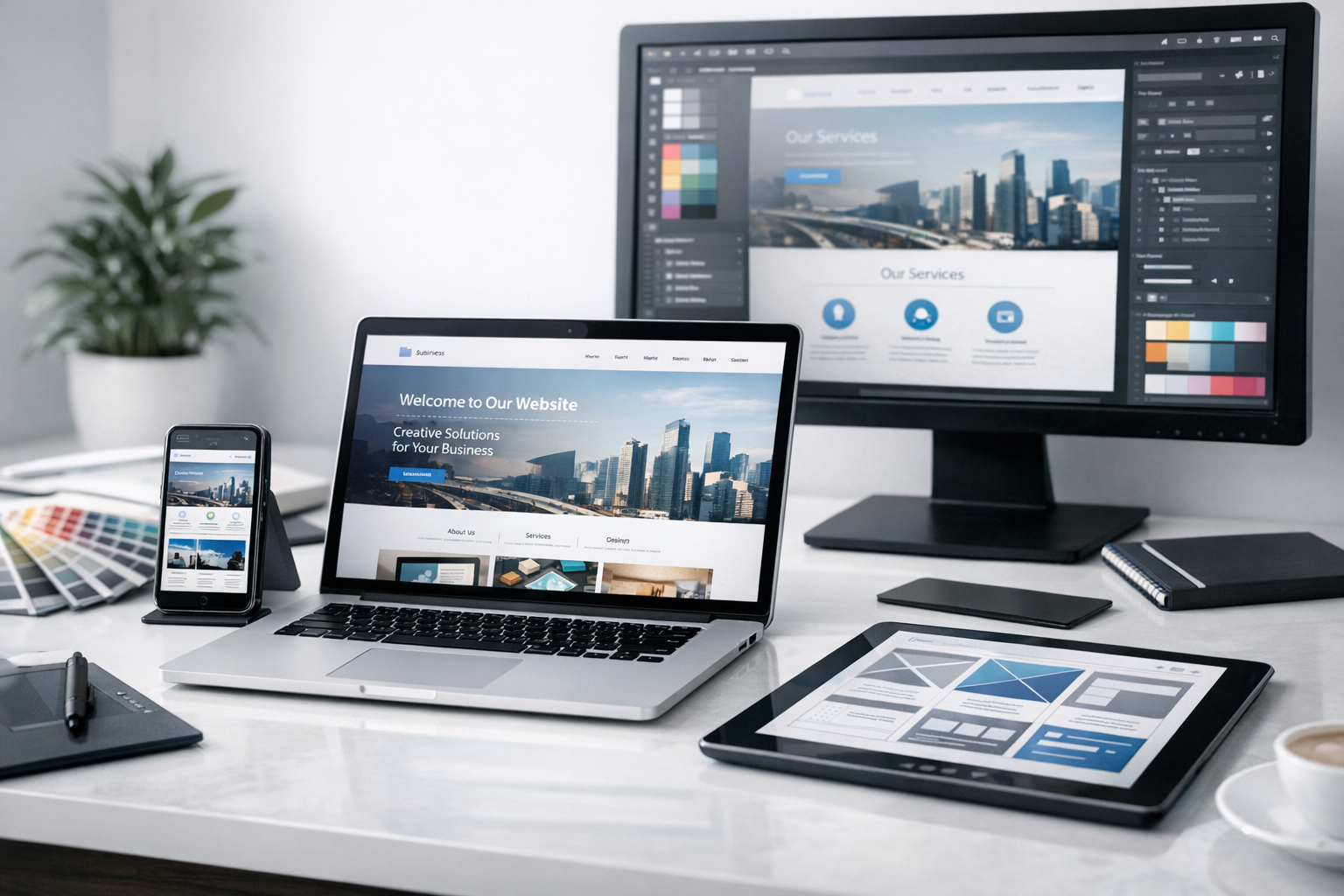
Understanding Professional Website Design
A professional website is more than a flashy interface; it’s a pivotal element in establishing your online presence. A well-designed website not only attracts visitors but also converts them into customers. In this blog post, we will delve into the essential components of professional website design and how they can impact your business.
What is Professional Website Design?
Professional website design encompasses the strategic and aesthetic aspects of creating a website. It focuses on usability, functionality, and visual appeal. Elements like color scheme, typography, navigation, and layout combine to create an intuitive user experience that guides visitors seamlessly through your site.
The Benefits of Professional Website Design
1. Establishing Credibility
Your website serves as your business’s online storefront. A professional design conveys trustworthiness and can help establish your brand’s credibility. Visitors are more likely to engage with a site that looks polished and well-maintained, rather than one that appears outdated or amateurish.
2. Improved User Experience (UX)
Professional designers prioritize user experience. A well-designed website considers the user’s journey, ensuring that navigation is intuitive, content is easy to find, and mobile responsiveness is a priority. When visitors find what they’re looking for quickly, they are more likely to stay longer and engage with your content.
3. Enhanced Search Engine Optimization (SEO)
Search Engine Optimization (SEO) is crucial for driving organic traffic to your site. A professional website design incorporates SEO best practices, such as optimized images, meta tags, and mobile-friendly design. These elements help your website rank higher on search engine results pages, leading to increased visibility.
4. Branding Consistency
Consistent branding across your website reinforces recognition and trust. Professional website designers ensure that your site reflects your brand’s identity through consistent use of logos, color palettes, and typography. This consistency helps create a cohesive experience that resonates with your audience.
5. Access to Expert Knowledge
Professional designers bring their expertise and insights into web design trends, technologies, and user behavior. They can provide suggestions on design elements that resonate with your target audience and implement features that enhance functionality.
Key Elements of Professional Website Design
1. Clean and Modern Layout
A clean layout with ample white space eases navigation and improves readability. A modern design separates sections effectively and guides the reader’s eye where it needs to go, making for a more enjoyable experience.
2. Responsive Design
With a growing number of users accessing the web via mobile devices, responsive design is essential. This approach ensures that your website adapts seamlessly to various screen sizes, providing an optimal experience across devices.
3. Fast Loading Times
Page load times significantly impact user experience and SEO rankings. A professional designer will optimize images, minimize code, and implement best practices to ensure your website loads quickly, reducing bounce rates.
4. Strategic Navigation
Users should be able to find information quickly and effortlessly. A well-structured navigation menu helps guide visitors through your site and allows them to locate desired content without frustration.
5. Quality Content
The foundation of any website is its content. Effective website design integrates high-quality, relevant content that engages visitors. This includes well-written text, engaging visuals, and compelling calls to action.
Choosing the Right Web Design Professional
1. Portfolio Review
When selecting a web design professional, reviewing their portfolio is an essential first step. Look for examples of their previous work that resonate with your style and needs. This provides insight into their design aesthetic and capabilities.
2. Understanding Your Vision
A good web designer will take the time to understand your business goals and vision. This collaborative approach ensures that the final product aligns with your brand identity and resonates with your target audience.
3. Ongoing Support and Maintenance
Websites require ongoing maintenance and updates. Choose a designer who offers support and maintenance services to address any issues that may arise after your site goes live.
Conclusion
Investing in professional website design is crucial for establishing a strong online presence. A well-designed website not only enhances user experience but also fosters trust and credibility, drives traffic, and supports your business goals. When designed thoughtfully, your website becomes a powerful tool for building your brand and engaging your audience.
