
Small and medium businesses in Gladewater can use AI automation to deliver faster service, capture more leads, and free staff for high-value work. Local companies benefit from automated systems that work around the clock—answering phones, qualifying leads, scheduling appointments, and responding to common customer questions—so you spend less time on routine tasks and more time growing your business.
Whether you run a storefront, a professional practice, or a service operation, AI agents such as voice receptionists, missed-call text-back responders, and automated lead-qualification bookers can be tailored to Gladewater’s needs. Thinkit Media helps local businesses evaluate options, deploy solutions, and provide training so your team can confidently adopt automation without disrupting operations.
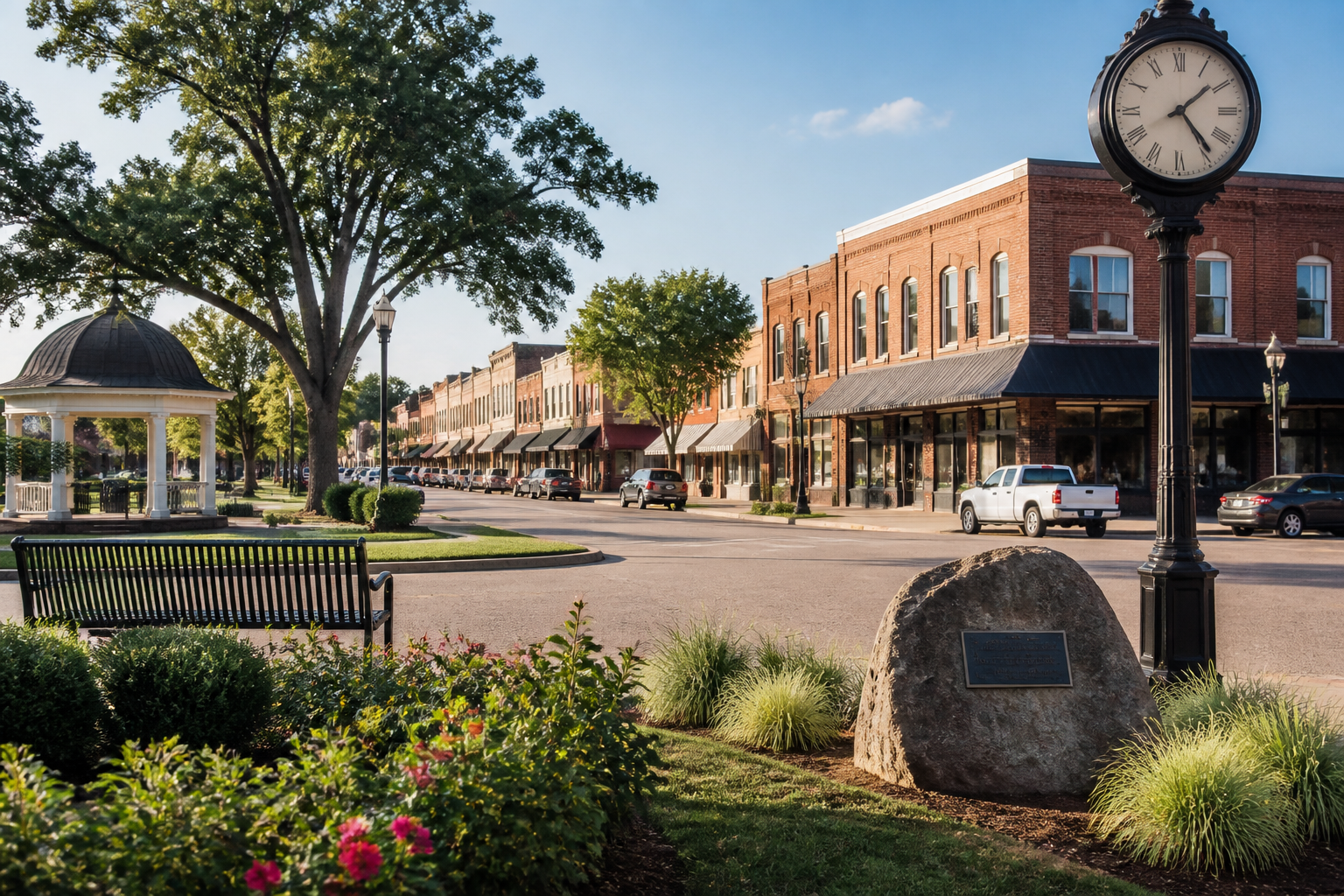
How AI Automation Helps Gladewater Businesses
AI automation can be introduced gradually to meet practical business needs: reduce missed calls, increase bookings, and improve customer follow-up. Common AI agents that are easy to install and manage include:
- Voice receptionists that answer, route, and take messages using natural-sounding speech.
- Missed-call text-back agents that instantly send an SMS to callers when staff are unavailable, capturing leads and offering next steps.
- Automated lead-qualification bookers that ask key qualifying questions, score prospects, and schedule appointments directly on your calendar.
- Chatbots and web agents for your website or social pages to answer FAQs, capture contact info, and assist with orders.
- Review and reputation assistants that request reviews, aggregate feedback, and flag issues for staff follow-up.
- Appointment schedulers and reminders to reduce no-shows and manage booking flow.
- Email triage and follow-up automations that prioritize important inquiries and send timely responses.
Benefits for Local Operations
Installing AI agents helps Gladewater businesses deliver a consistent customer experience even outside normal hours. Benefits include:
- Faster response times to customer inquiries and calls.
- Higher lead capture rates from missed calls and website visitors.
- Reduced administrative burden on small teams.
- Better appointment and inventory management through integrations with calendars and POS systems.
- Improved customer retention via timely follow-ups and review management.
Local Implementation: Steps to Get Started
Thinkit Media works with Gladewater businesses to make adoption straightforward. Typical steps include:
- Assessment: Review communication channels, busiest hours, and common customer requests to identify high-impact automations.
- Pilot: Deploy a single agent (for example, a missed-call text-back or chatbot) to measure improvements without major disruption.
- Integration: Connect agents to phone systems, calendars, POS, and CRM tools to automate workflows end-to-end.
- Training: Provide staff training and simple playbooks so your team handles escalations and refines scripts.
- Monitoring: Track performance, adjust conversation flows, and scale successful automations across the business.
Practical Use Cases for Gladewater Businesses
Examples of practical applications include:
- A service business using a voice receptionist to route emergency calls and schedule next-day appointments.
- A retail shop using a web chatbot to answer stock questions and capture contact details for back-in-stock alerts.
- A local clinic using automated booking to pre-screen patients, reducing front-desk time and streamlining intake.
Security, Privacy, and Local Support
Local businesses should prioritize data privacy and compliance when deploying AI. Thinkit Media helps configure data handling policies, secure integrations, and transparent consent flows so customer information is protected. If you prefer on-site support, remote configuration with scheduled local training sessions are available to ensure staff are comfortable managing the tools.
Ready to Automate in Gladewater?
AI automation is practical for businesses of any size in Gladewater. Start with a focused pilot—such as a missed-call text-back agent or automated booking—and expand as you see value. Thinkit Media offers assessment, deployment, and ongoing support tailored to local needs, helping you get faster results with minimal disruption.
About Gladewater and Why Automation Fits
Gladewater is a close-knit East Texas community where small businesses and service providers play a central role in daily life. Local enterprises often operate with compact teams and tight schedules, so tools that extend service hours and streamline repetitive tasks deliver immediate value. AI automation can help bridge staffing gaps, manage customer contacts outside business hours, and improve lead follow-up without adding full-time personnel.
For Gladewater businesses, automation supports stronger local customer relationships by making it easier to respond quickly and consistently. It’s particularly useful for storefronts, professional services, repair shops, medical practices, and appointment-based businesses that need reliable scheduling and rapid customer outreach. By adopting targeted AI agents, local owners can maintain a personal touch while benefiting from modern efficiencies.
Accessing these services locally means practical support and training that respect how Gladewater businesses operate. Whether you want a simple missed-call text-back, a voice receptionist, or a more advanced lead-qualification booker, incremental deployment keeps changes manageable and immediately useful for the community.
Frequently Asked Questions About AI Automation in Gladewater, Texas
What types of AI automation can help a small business in Gladewater?
AI automation can help with repetitive tasks such as lead follow-up, appointment reminders, customer service responses, document processing, email sorting, reporting, and basic workflow routing. For a small business in Gladewater, the best place to start is usually a task that takes consistent staff time and follows a clear process. A practical automation should reduce manual work, improve consistency, and fit into the tools your team already uses.
How do I know if my business is ready for AI automation?
Your business may be ready for AI automation if you have repeatable tasks, organized data, and clear goals for what you want to improve. Examples include reducing missed inquiries, speeding up back-office work, or making reporting easier. You do not need a large company or advanced technology setup to begin. A good first step is reviewing current workflows to identify where automation can save time without disrupting daily operations.
Will AI automation replace my employees?
AI automation is usually most effective when it supports employees rather than replacing them. It can handle routine, time-consuming steps like data entry, message sorting, or drafting standard responses, while people continue managing decisions, customer relationships, and quality control. For many businesses, automation helps staff focus on higher-value work. The goal should be to reduce bottlenecks and errors while keeping human oversight where judgment and personal service matter.
Can AI automation work with the software my business already uses?
In many cases, AI automation can be designed to work with existing tools such as email platforms, CRMs, spreadsheets, scheduling systems, forms, and customer support software. The exact approach depends on what systems you use and whether they support integrations or data exports. Before building anything, it is important to map your current workflow, review system limitations, and choose an automation setup that avoids unnecessary software changes whenever possible.
Is AI automation secure for customer and business data?
AI automation can be implemented securely, but data handling needs to be planned carefully. Businesses should consider what information is being processed, where it is stored, who can access it, and whether sensitive data is actually needed for the task. Practical safeguards may include permission controls, data minimization, secure integrations, and human review for sensitive workflows. Security should be part of the automation design from the beginning, not added later.
What is the process for setting up AI automation for a local business?
A typical AI automation process starts with identifying repetitive tasks and documenting how they are currently handled. Next, the workflow is evaluated for automation opportunities, software compatibility, data needs, and potential risks. A small pilot is often useful before expanding. After testing, the automation can be refined, staff can be trained on how to use it, and performance can be monitored to make sure it continues working as intended.
Which business tasks should not be fully automated with AI?
Tasks that require professional judgment, sensitive decision-making, complex customer situations, or legal, financial, or medical interpretation should usually not be fully automated without human review. AI can assist by organizing information, drafting summaries, or flagging issues, but people should remain responsible for final decisions. Businesses should also be cautious with workflows involving confidential data, unusual exceptions, or customer complaints where empathy and context are important.
