
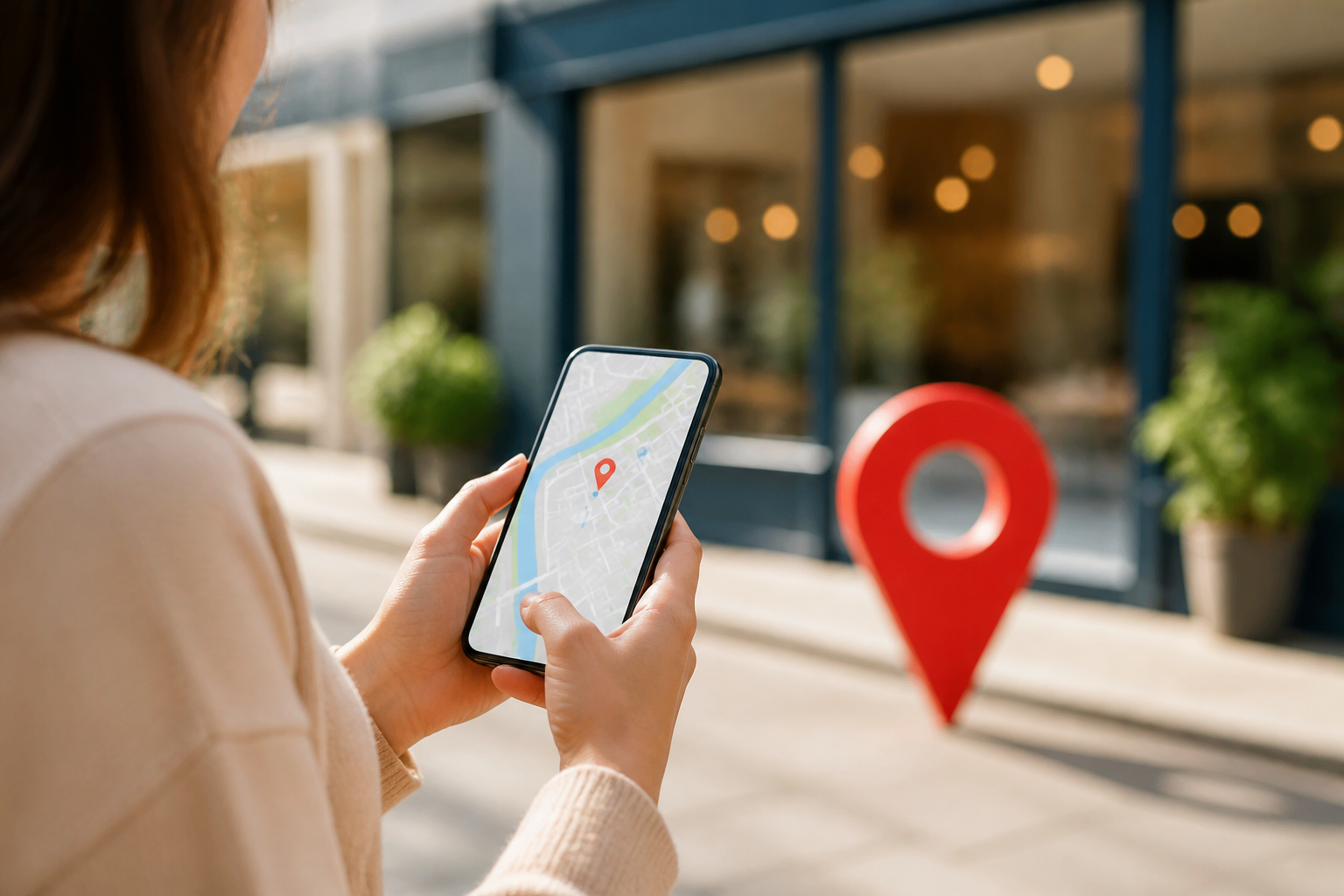
When someone searches for “coffee shop near me,” “plumber in Austin,” or “best dentist nearby,” they are looking for a business they can visit or contact in a specific area. These are local searches, and they often signal that a person is ready to take action. For local businesses, appearing in the right search results can mean more calls, visits, bookings, and sales.
Understanding how local searches work helps you make it easier for nearby customers to discover and choose your business. This guide explains what local search means, how search engines select local results, and practical ways to improve your visibility.
What Are Local Searches?
A local search is a search query connected to a place. The searcher may name a city or neighborhood, include a phrase such as “near me,” or simply look for a service while their location is known to the search engine. Examples include “hardware store in Denver,” “hair salon near me,” and “emergency electrician.”
Local searches can happen in traditional search results, map apps, and business directories. They are useful for more than storefronts: service-area businesses, clinics, restaurants, professional practices, and other organizations can all benefit from being easy to find locally.
Why Local Search Intent Matters
Local searches often reflect a specific need and a limited set of options. A person searching for a nearby repair shop may want to call today, while someone comparing local accountants might be preparing to book a consultation. A helpful, complete business listing can meet either need by showing accurate contact details, services, reviews, and hours.
How Local Search Results Work
Search engines aim to show businesses that are relevant to a query and useful to the searcher. The exact systems vary, but three common factors help explain local visibility:
- Relevance: How well a business profile and website match the search. Clear descriptions of your services and categories can help search engines understand what you offer.
- Distance: How close the business is to the searcher or the location named in the query. A business cannot control where a searcher is, but it can make its service area and address accurate.
- Prominence: How established and well-regarded the business appears. Reviews, local mentions, links, and consistent information can contribute to that impression.
These factors work together. A business may be close but not relevant to a particular search, or highly regarded but outside the searcher’s area. There is no guaranteed shortcut to the top of local results; reliable information and a strong customer experience provide a better foundation.
How to Improve Your Visibility in Local Searches
1. Create and Maintain Your Business Profile
Claim your business profile on the major search and map platforms used by your customers. Fill out every relevant field, including the business name, address or service area, phone number, website, hours, categories, and services. Add current photos that show your location, team, products, or work.
Keep the profile updated when your hours change, you add a service, or you move. Incorrect details frustrate customers and can make it harder for them to trust what they see. Choose categories that accurately describe your core business rather than adding unrelated options in an attempt to appear for more searches.
2. Keep Business Information Consistent
Your business name, address, and phone number should be consistent across your website, business profiles, and reputable directories. Small differences, such as an old phone number or a misspelled street name, can confuse potential customers. Review important listings periodically and update them when details change.
If you operate from a home or do not serve customers at your address, follow each platform’s rules for displaying a service area. Never use a location you do not genuinely serve or occupy to try to gain an advantage.
3. Make Your Website Useful for Local Visitors
Your website should quickly answer the questions a nearby customer is likely to have: What do you offer? Where do you work? How can someone contact you? Include your location or service area naturally on relevant pages, along with clear contact details and a useful description of your services.
If you serve multiple communities, consider creating a dedicated page for each important area—but make every page genuinely useful and distinct. Avoid publishing many nearly identical pages that simply swap one city name for another. Add relevant details, such as services available in that area, travel information, or examples of local projects where appropriate.
4. Earn and Respond to Customer Reviews
Reviews help prospective customers understand what it is like to work with you. Invite customers to share honest feedback after a completed purchase or appointment, using a simple and respectful process. Do not buy reviews or pressure people to leave only positive comments.
Respond to reviews in a timely, professional way. Thank customers for positive feedback, and address concerns calmly without sharing private information. A thoughtful response can show future customers that you take service seriously, even when a review points out a problem.
5. Use Local Content and Community Connections
Publish content that answers real questions from people in your area. A landscaping company might explain which plants suit the local climate; a restaurant could share seasonal menu updates; a repair business might outline common issues in older homes nearby. Useful content can support visibility while giving visitors a reason to trust your expertise.
Local partnerships, sponsorships, and community events can also build genuine awareness. When relevant organizations mention your business online, those references may help customers discover you. Focus on real relationships and useful contributions rather than collecting low-quality links.
How to Measure Local Search Performance
Track outcomes that matter to your business, not just rankings. Useful indicators include calls, direction requests, website visits from local search, appointment bookings, quote requests, and completed sales. Business profile insights and website analytics can help you see how people find and interact with your business.
Compare results over time and look for patterns. For example, if profile views rise but calls do not, customers may need clearer service details, stronger photos, or more visible contact options. If website visits are healthy but few people book, review the page experience and make the next step easier.
Common Local Search Mistakes to Avoid
- Leaving listings incomplete: Missing hours, categories, or contact information can cost you customers.
- Using inaccurate locations: Do not claim addresses or service areas that misrepresent where you operate.
- Stuffing pages with city names: Write naturally for people; repetitive location phrases make content less useful.
- Ignoring reviews: Unanswered feedback can leave customers unsure whether you are attentive.
- Expecting instant results: Local visibility takes ongoing maintenance and depends on factors outside your control.
Conclusion
Local searches connect people with nearby businesses at the moment they need information or a service. By maintaining accurate profiles, creating helpful local pages, earning genuine reviews, and measuring customer actions, you can build a stronger presence in your community. Start with the basics, keep your information current, and improve the experience for every person who finds you.