
A well-designed site improves visibility, supports online bookings and sales, and creates a reliable place for community members to learn about your offerings.
Thinkit Media works with Little Elm clients to deliver tailored websites that reflect local character while meeting technical standards for speed, accessibility, and search visibility. Whether you prefer an in-person meeting, a phone call, or a virtual consultation, the process is centered around your goals and the people you serve here in town.
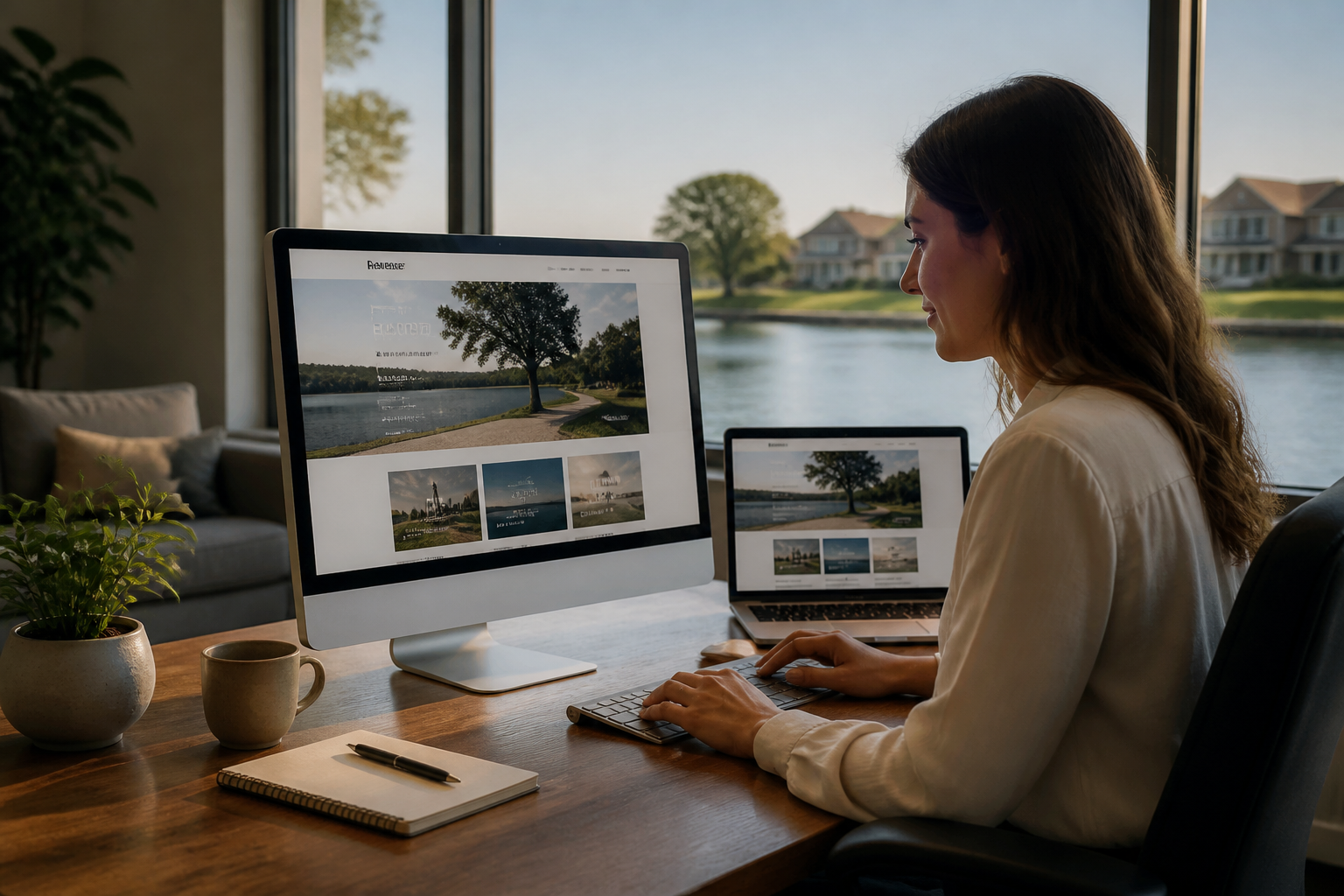
How Little Elm residents and businesses can get started
Beginning a website project should be straightforward. Start by contacting Thinkit Media through their online contact form or by scheduling a phone or video consultation. During an initial discovery conversation we’ll review your goals, audience, competitors, and any existing content or branding you want to keep. From there you’ll receive a clear proposal outlining deliverables, timeline, and next steps.
Local and flexible engagement options
We understand the convenience of meeting locally as well as the efficiency of virtual collaboration. Options typically include:
- Remote consultations and project management through email and video calls.
- On-site visits to your Little Elm business or office when needed for photos, meetings, or training.
- Flexible scheduling to accommodate local business hours or weekend availability.
Design and development process
The process focuses on creating a website that looks professional and performs well for local users. Key steps include:
- Discovery and strategy tailored to Little Elm audiences.
- Design mockups that reflect your brand and community aesthetic.
- Responsive development so the site works on phones, tablets, and desktops.
- Content entry and basic SEO setup to help local customers find you online.
Services that matter to Little Elm businesses
Thinkit Media offers services that address common local needs, such as:
- Local SEO optimization to help your site appear for people searching in the Little Elm area.
- E-commerce and appointment booking for retailers, service businesses, and practitioners.
- Content management systems and training so you can update events, menus, and listings without extra help.
- Ongoing maintenance and security updates to keep your site reliable year-round.
Preparing for your website project
To make the project move smoothly, gather any existing logos, photos, and written descriptions of your products or services. Think about who your customers are in Little Elm and what actions you want visitors to take—call, book, buy, or join an email list. If you need help with photography or copy, these can be included in the project scope.
Benefits of using a local partner
Working with a locally focused team means better understanding of Little Elm’s community priorities and customer behavior. Thinkit Media combines local insight with technical expertise, offering personalized support and a single point of contact. That helps reduce friction during the build and makes it easier to iterate after launch as your business grows.
Next steps
Contact Thinkit Media to request a consultation and discuss a strategy that suits your timeline and budget. Whether you need a simple site refresh or a full e-commerce launch, a local-first approach ensures your website serves the Little Elm community and supports your business goals.
Why a local website matters in Little Elm
Little Elm combines residential neighborhoods, growing commercial corridors, and a strong community focus—making an accessible, easy-to-use website an important tool for businesses and organizations. Local customers often search online first for services, events, and dining options. A website that reflects your brand and answers common questions quickly will help convert interest into visits and transactions.
A local-focused website also supports community engagement, from event announcements to service availability and online booking. With proximity to larger metro areas, many Little Elm businesses compete on both convenience and reputation. A well-crafted site helps clarify your offerings and creates a reliable place for neighbors and visitors to find accurate information.
Choosing a partner who understands Little Elm’s rhythms and customer expectations reduces the need for repeated changes and helps you launch faster. Local access to collaboration—whether through on-site meetings or nearby support—keeps communication clear and projects on schedule, so your website can start delivering value right away.
Frequently Asked Questions About Website Design in Little Elm, TX
What should a small business in Little Elm look for in a website design service?
Look for a website design service that understands your business goals, target customers, and how people search locally. A strong provider should discuss site structure, mobile usability, clear calls to action, search-friendly content, and easy ways for visitors to contact you. Ask about the design process, what content you need to provide, and whether the site will be easy to update after launch. The best fit should explain options clearly without relying on technical jargon.
How long does a typical website design project take?
The timeline depends on the size of the site, how much content is needed, and how quickly decisions and feedback are provided. A simple informational website can move faster than a site with many pages, custom features, booking tools, or e-commerce functionality. The process usually includes planning, design, content preparation, development, revisions, and launch. Before starting, ask for a clear project outline so you understand key milestones and what may affect timing.
Can my existing website be redesigned instead of building a new one?
Yes, many websites can be redesigned rather than replaced completely. A redesign may improve the layout, mobile experience, page speed, navigation, messaging, and conversion paths while keeping useful existing content. However, if the current site is built on outdated technology or has major structural issues, a fresh build may be more practical. A website review can help determine whether updating the current site or starting over will better support your business goals.
Will my new website work well on mobile devices?
A professionally designed website should be responsive, meaning it adapts to phones, tablets, laptops, and desktop screens. Mobile usability is especially important because many customers browse, call, request directions, or submit forms from their phones. Good mobile design includes readable text, fast-loading pages, simple navigation, tappable buttons, and forms that are easy to complete. When reviewing design options, ask to see how key pages will appear and function on smaller screens.
How does website design affect search engine visibility?
Website design can influence search visibility through structure, speed, mobile performance, internal linking, and how clearly each page communicates its topic. Search-friendly design makes it easier for visitors and search engines to understand your services, location, and key information. While design alone does not guarantee rankings, it creates a stronger foundation for SEO. Important elements include descriptive headings, optimized page titles, useful content, clean navigation, and technical setup that supports indexing.
What information should I prepare before starting a website design project?
Helpful materials include your business name, services, preferred contact methods, brand colors or logo files, photos, existing content, and examples of websites you like. You should also think about your main goals, such as generating calls, form submissions, appointment requests, or product sales. If you serve Little Elm customers, note the services or areas you want emphasized. Preparing this information early helps the designer make better recommendations and reduces delays during the project.
Can a website be designed to help generate more leads?
Yes, lead generation should be considered during the design process. A lead-focused website uses clear messaging, visible contact options, strong service pages, simple forms, and calls to action placed where visitors naturally make decisions. It should also answer common customer questions and reduce confusion about what to do next. Design choices should support trust and usability, not just appearance. Tracking tools can also be added to help understand which pages and actions are producing inquiries.
