
Local businesses in Dover face the same online challenges as companies in larger cities: being found by nearby customers, competing for limited search visibility, and converting visitors into calls or visits. A focused SEO approach makes your business easier to find for people searching on phones, tablets, and desktop — whether they're in Dover, passing through, or searching from nearby towns.
Thinkit Media helps small towns and rural businesses build practical, measurable SEO programs. We tailor strategies to reflect local search behavior, seasonal demand, and the kinds of services Dover residents and visitors need. Our goal is to increase local visibility, drive relevant traffic, and generate leads you can turn into customers without relying on guesswork or generic solutions.
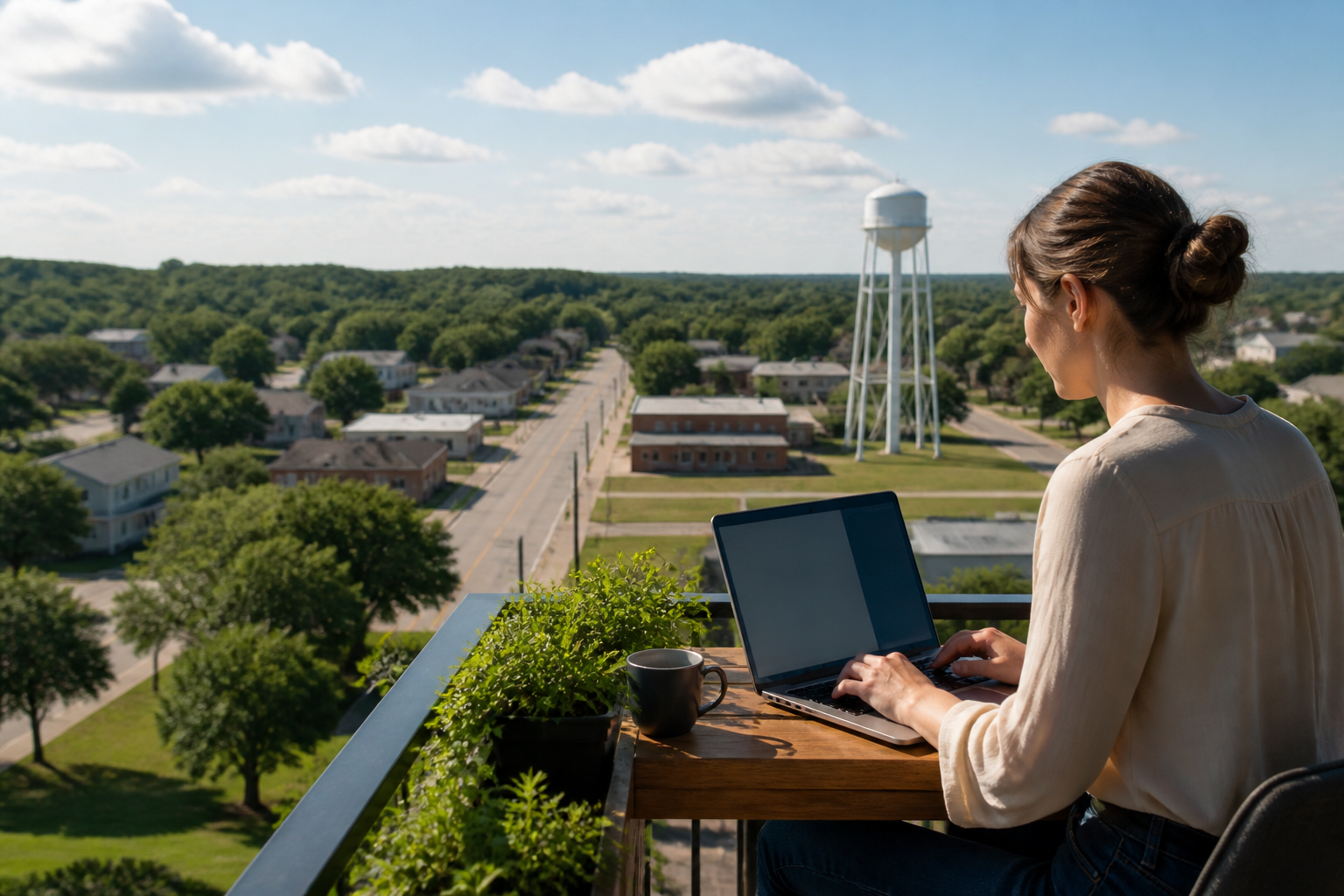
How Dover businesses can access professional SEO services
Getting started with SEO in Dover doesn’t require a physical office visit. Thinkit Media offers a mix of remote and local-friendly services to fit how small businesses operate. You can begin with a free discovery call to review your website, goals, and target customers. From there we provide a clear plan with prioritized actions, timelines, and measurable outcomes.
Practical first steps
- Site audit: Identify technical issues that block search engines and create a prioritized fix list for speed, indexing, and mobile usability.
- Local keyword research: Find the phrases your potential customers actually use, including service-plus-location queries and colloquial terms used locally.
- Google Business Profile optimization: Make sure your profile is accurate, fully filled out, and optimized to show in local map results.
- On-page optimization: Improve titles, meta descriptions, headings, and content so pages match local search intent.
Local SEO tactics that work in Dover
Effective local SEO focuses on visibility where nearby customers look. Thinkit Media helps Dover businesses with targeted tactics such as:
- Creating locally relevant content that answers community questions and highlights services for area residents and travelers.
- Structured data (schema) to help search engines surface contact info, services, and business hours accurately.
- Local citation cleanup to ensure consistent name, address, and phone number listings across directories and maps.
- Reputation management strategies that make it easy for satisfied customers to leave reviews and for you to respond to feedback professionally.
Benefits for Dover businesses
SEO builds long-term, cost-efficient visibility compared with paid ads alone. When done right, local SEO increases organic traffic, brings more qualified calls and foot traffic, and reduces the time and money spent chasing customers via less-targeted channels. For service providers, retailers, restaurants, and tradespeople in Dover, visibility in local search can directly translate into more booked jobs, reservations, and in-store visits.
Working with Thinkit Media
Thinkit Media provides a straightforward, transparent process with regular reporting so you can see the impact of your investment. We work with business owners to set realistic goals, track local rankings, and measure leads. Our approach is to integrate digital strategy with what already works in your community — including seasonal rhythms, local events, and word-of-mouth referrals — so online efforts reinforce your existing strengths.
Getting started
To begin, schedule a consult by phone or web meeting. We’ll review your site, your current presence in local search, and competitors where relevant. After that, we provide a customized proposal with clear next steps — from technical fixes to ongoing content and local link building. Whether you prefer short-term projects or a long-term partnership, Thinkit Media adapts to your needs and budget.
About Dover and why local SEO matters
Dover is a small, close-knit community where local connections and reputation matter. Many businesses serve both residents and people passing through the area, so being visible online is essential to capture those opportunities. Local search is how potential customers find services, hours, and directions when they need them most.
An SEO program built for Dover businesses focuses on the realities of a rural market: customers often search on mobile devices, they use specific service-plus-location phrases, and decisions are influenced by reviews and clear contact information. Thinkit Media’s local-first approach helps businesses make sure their services are easy to find, understand, and act upon for people living in and visiting Dover.
By optimizing for local search, small employers, contractors, retailers, and hospitality providers can increase foot traffic and bookings without relying solely on traditional advertising. Practical, measurable SEO helps sustain local commerce and supports businesses that are core to the Dover community.
Frequently Asked Questions About SEO in Dover, Oklahoma
How can SEO help a small business in Dover, Oklahoma get more customers?
SEO helps your business appear when people search online for the products or services you offer. For a Dover business, that may include improving your Google Business Profile, optimizing service pages, using relevant local keywords, and earning trust through accurate information across the web. The goal is to make it easier for nearby customers to find you, understand what you offer, and contact you when they are ready to buy or schedule service.
What is the difference between local SEO and regular SEO?
Regular SEO focuses on improving visibility in search results broadly, while local SEO is aimed at searches with local intent, such as people looking for a provider near them. Local SEO often includes Google Business Profile optimization, local citations, reviews, location-focused website content, and consistent business information. For service businesses, both matter, but local SEO is especially important when customers choose providers based on proximity, relevance, and trust.
How long does it usually take to see results from SEO?
SEO is typically a long-term strategy rather than an instant lead source. Some improvements, such as fixing technical issues or updating page content, can be noticed relatively quickly, but meaningful ranking gains often take time. Results depend on competition, website history, content quality, backlinks, and how well the site is optimized. A practical approach is to track progress through rankings, website traffic, calls, form submissions, and other measurable actions over time.
What should be included in an SEO plan for a local service business?
A strong SEO plan usually starts with keyword research, website review, and competitor analysis. From there, it may include optimizing page titles, headings, content, internal links, site speed, mobile usability, and local search signals. For a local service business, it is also important to improve service pages, maintain consistent business listings, and support review generation. The plan should be based on customer search behavior, not just generic traffic goals.
Do I need a Google Business Profile for SEO?
A Google Business Profile is very important for local SEO because it can help your business appear in map results and local search features. It also gives potential customers key information such as your business name, services, contact options, and reviews. Keeping the profile accurate and complete can support visibility and trust. It should work together with your website, not replace it, because your site provides deeper service details and conversion opportunities.
Can SEO work if my website is small?
Yes, SEO can still work for a small website, especially if the site is clear, well organized, and focused on the right searches. A smaller site may need strong service pages, helpful content, clean navigation, and accurate local signals. The key is matching your pages to what potential customers are actually searching for. Over time, adding useful content and improving technical performance can help a small site become more competitive in search results.
How do I know whether SEO is actually working?
SEO performance should be measured with practical indicators, not just rankings. Useful metrics include organic website traffic, search impressions, clicks, phone calls, form submissions, direction requests, and engagement with key service pages. Rankings can help show visibility, but leads and customer actions matter more. Regular reporting should explain what changed, why it matters, and what should happen next. This helps you understand whether SEO is supporting real business goals.
