SERP Optimization: How to Improve Visibility, Clicks, and Rankings
SERP optimization improves how your pages look and perform in search results—beyond rankings alone. Learn practical tactics to earn more clicks, rich results, and visibility.

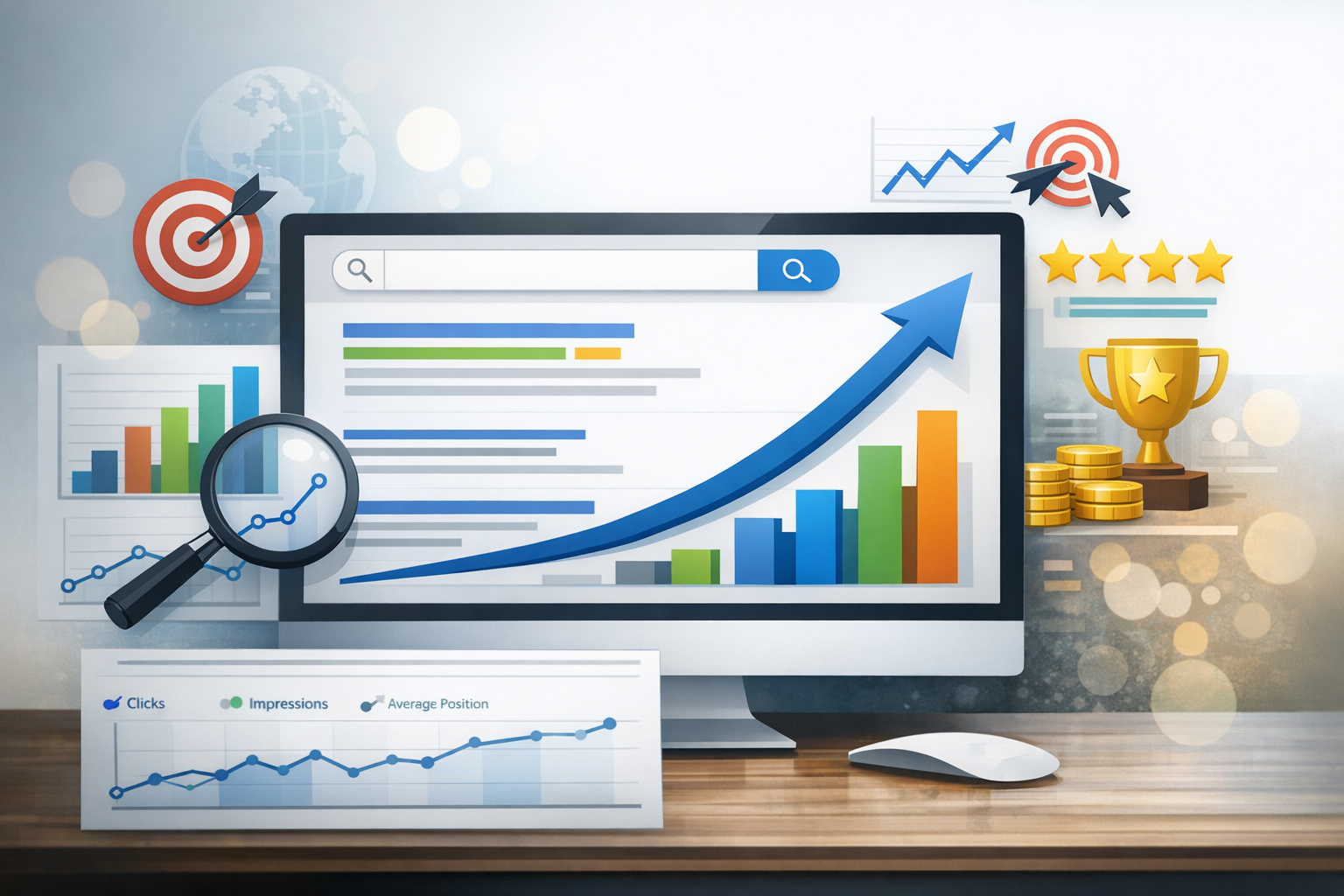
SERP optimization improves how your pages look and perform in search results—beyond rankings alone. Learn practical tactics to earn more clicks, rich results, and visibility.

Search visibility measures how often and how prominently your site appears in search results. Learn how it’s calculated and how to improve it with content, technical SEO, and authority-building.
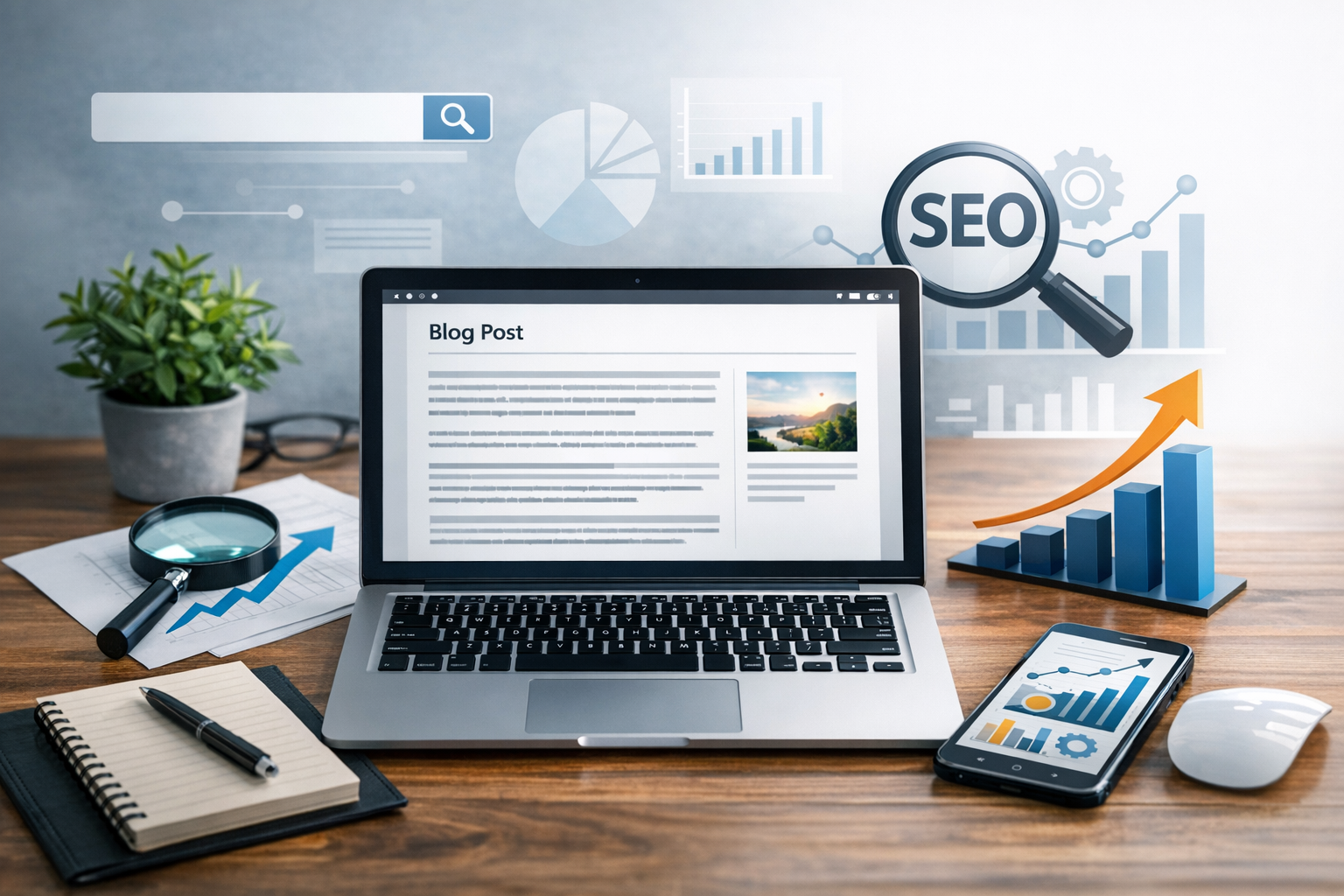
SEO blog writing combines strong writing with on-page optimization so your posts rank and convert. Learn how to choose keywords, match intent, structure content, and improve posts over time.

Blog SEO helps your posts rank higher and bring in steady, qualified organic traffic. This guide covers keywords, on-page and technical SEO, links, and measurement.

Content clusters organize your site around a pillar page and supporting articles, connected with strategic internal links. This approach builds topical authority and helps improve organic traffic over time.

Topical authority helps your site earn trust by covering a subject comprehensively. Learn how to build it using pillar pages, topic clusters, and strategic internal linking.

Semantic SEO helps your content rank by focusing on meaning, entities, and search intent—not just exact-match keywords. This guide covers strategies, topic clusters, internal links, and structured data.
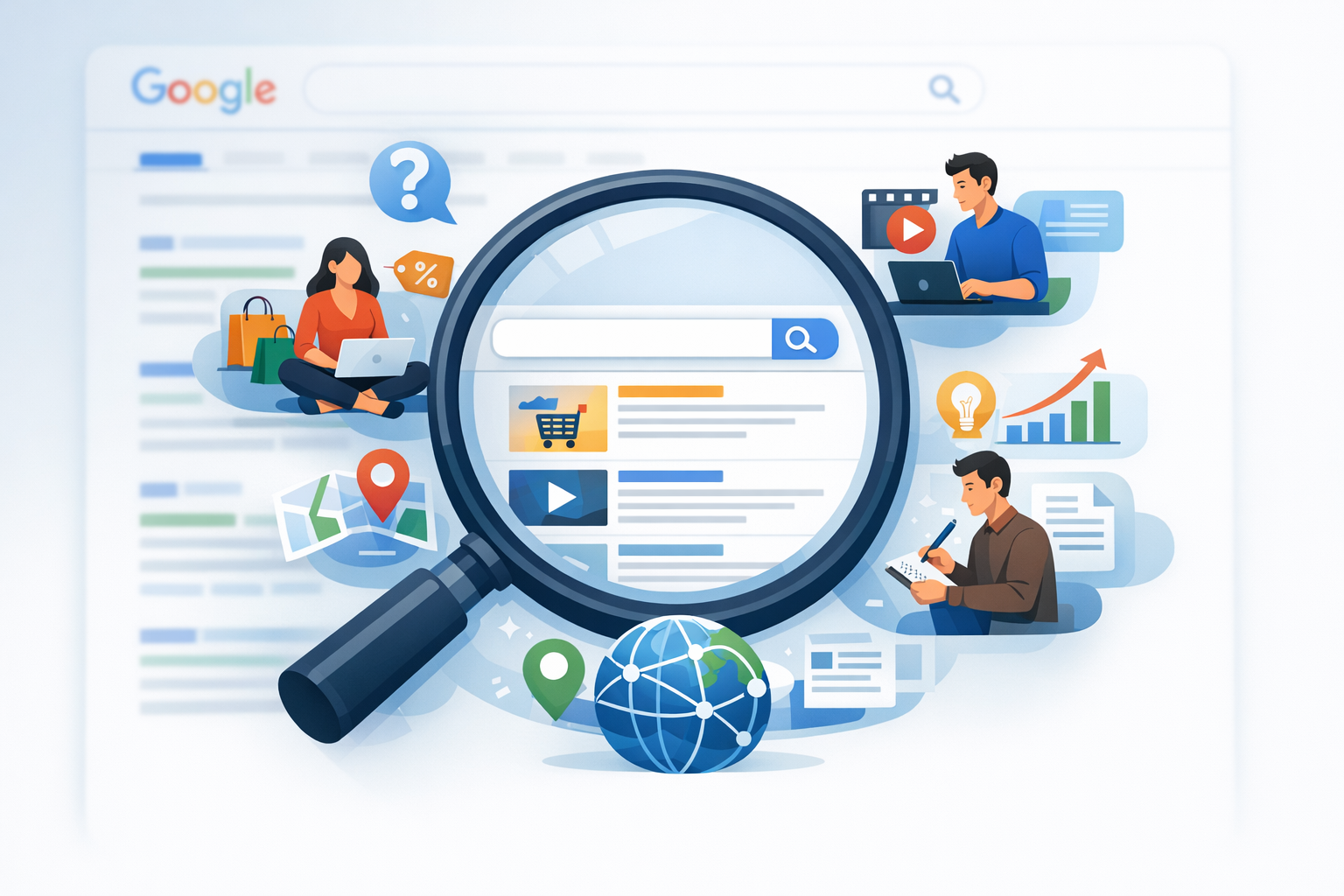
Search intent is the “why” behind every query. This guide explains the main intent types and how to analyze SERPs to create content that ranks and converts.
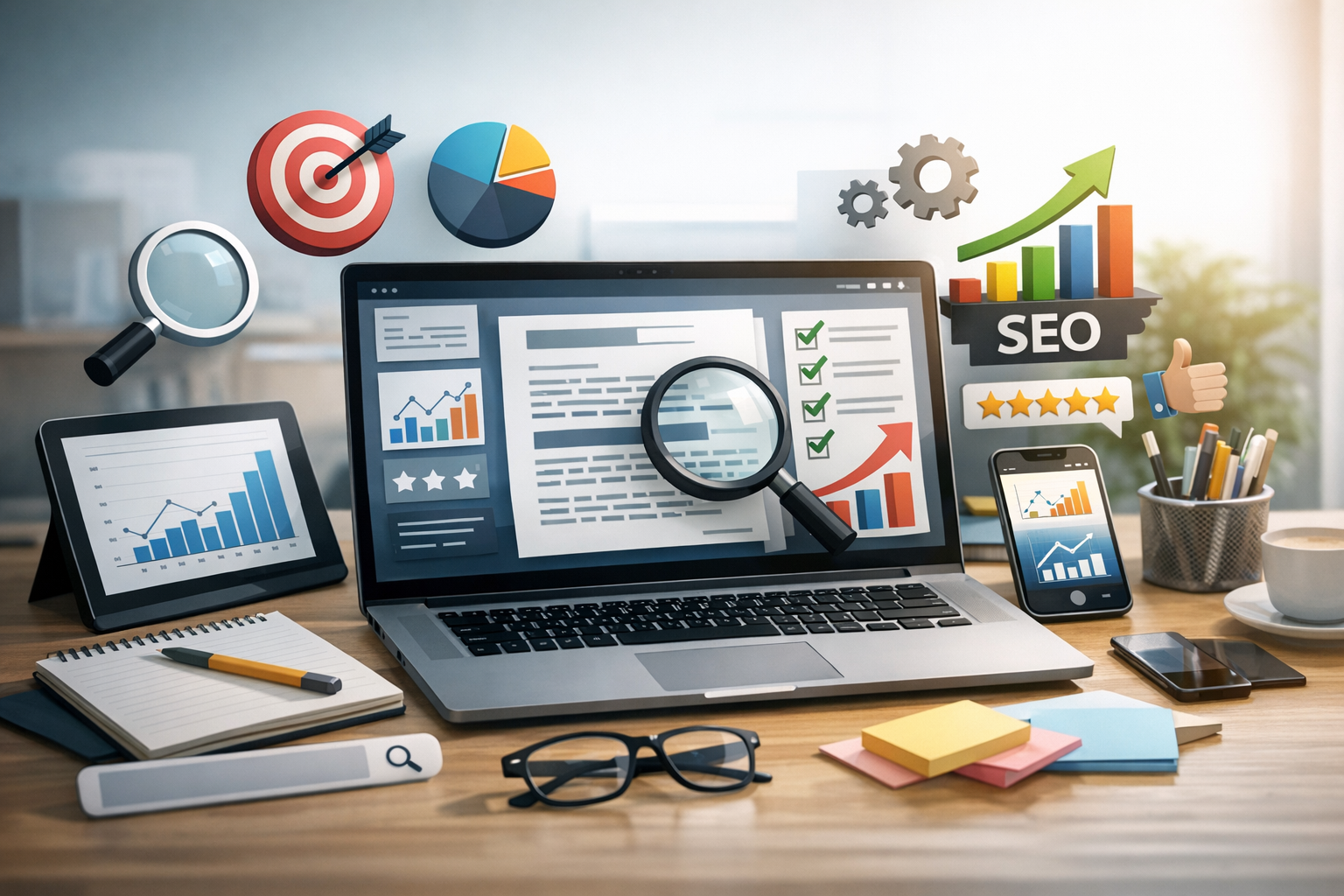
Content optimization improves existing pages so they better match search intent, rank higher, and convert more readers. Follow this practical step-by-step process to audit, update, and measure results.
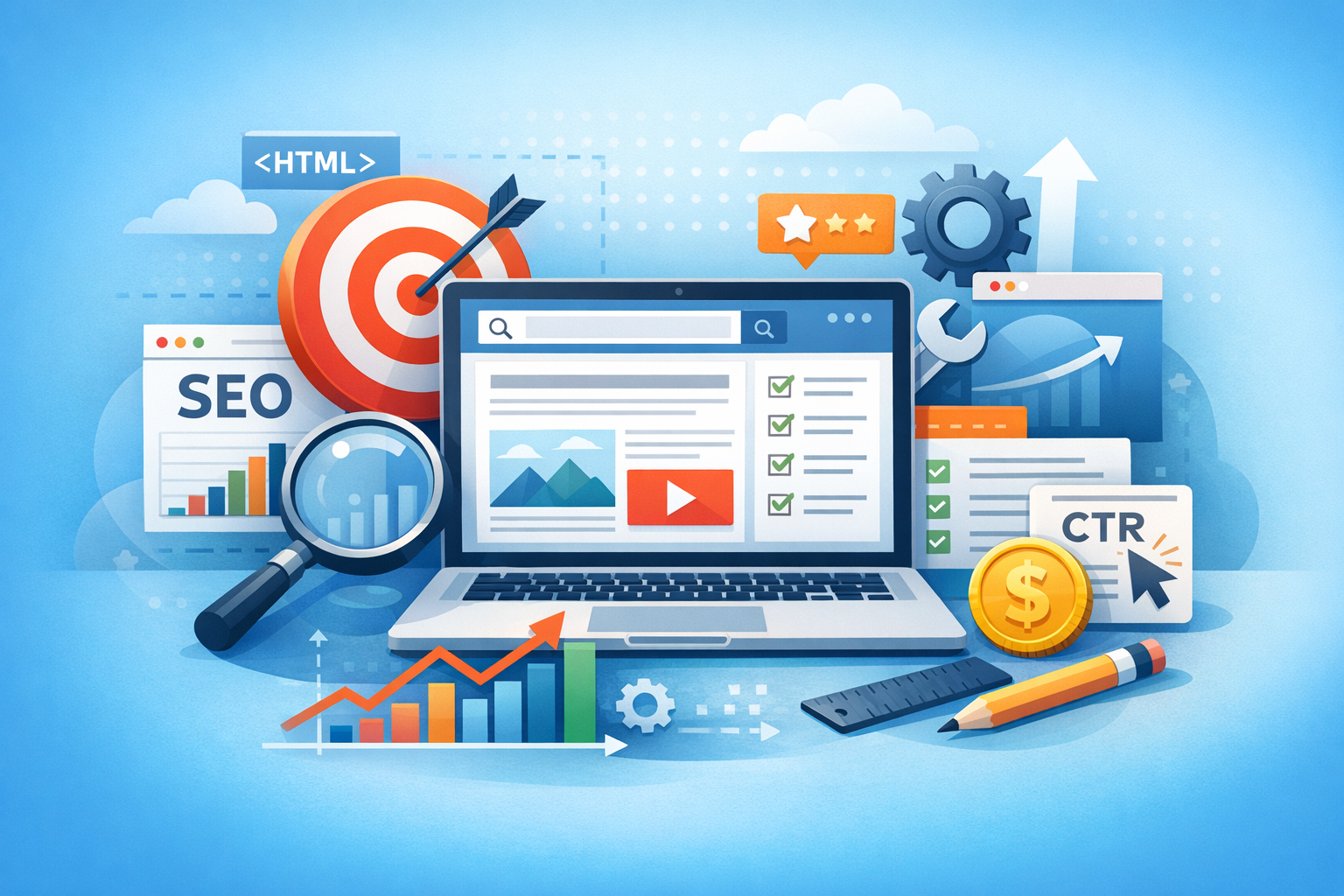
On-page SEO helps search engines understand your pages and helps users take action. This guide covers intent, content structure, tags, links, images, schema, and UX.
Mon – 9am-5pm
Tue – 9am-5pm
Wed – 9am-5pm
Thu – 9am-5pm
Fri – 9am-5pm
Sat – closed
Sun – closed
Copyright | Thinkit Media Inc | All Rights Reserved | Terms | Privacy Policy