Motion Design: A Practical Guide to Bringing Ideas to Life
Motion design blends graphic design and animation to communicate ideas through movement. Explore principles, formats, tools, and best practices for polished results.


Motion design blends graphic design and animation to communicate ideas through movement. Explore principles, formats, tools, and best practices for polished results.
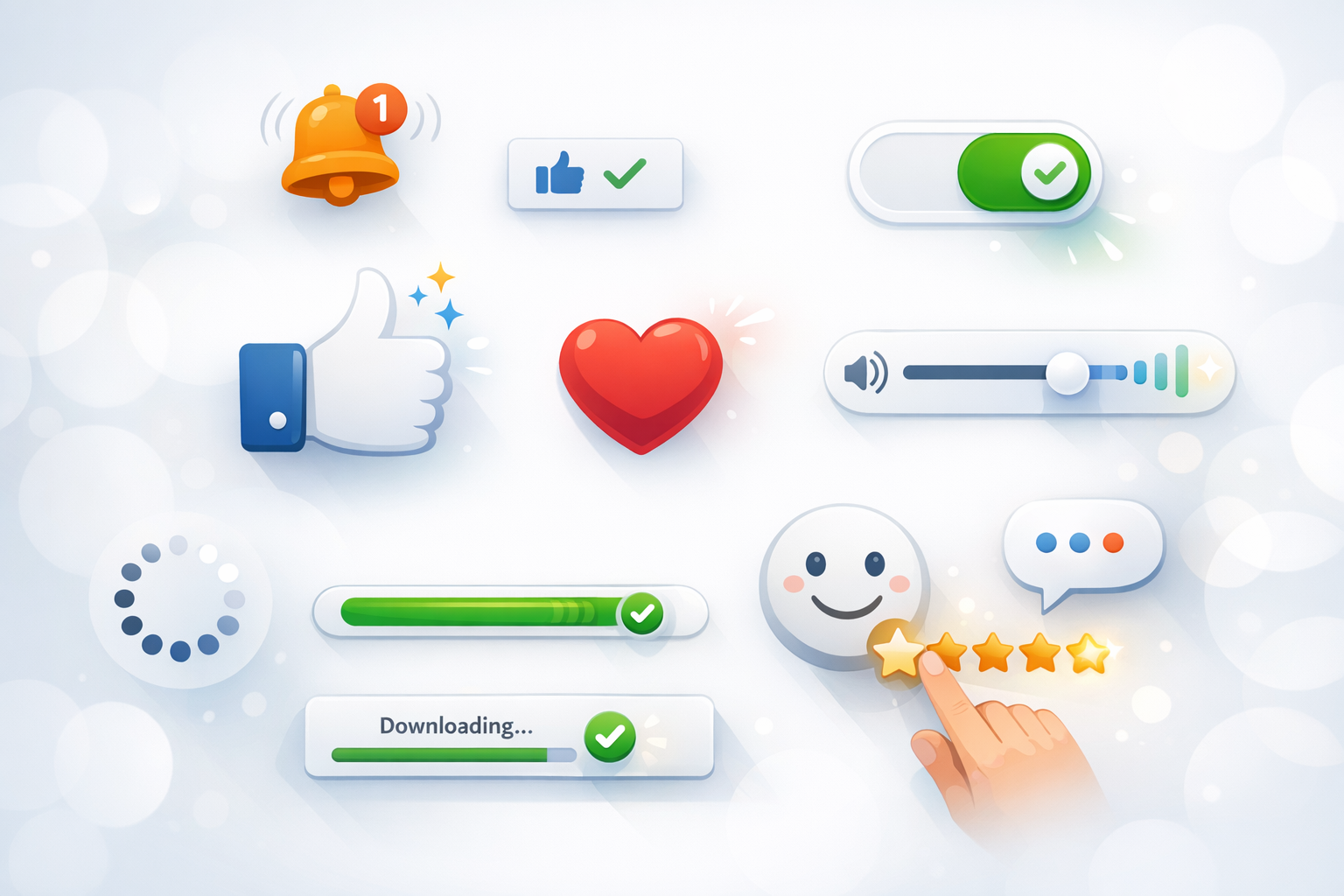
Microinteractions are the small UX moments—like button states, inline validation, and status feedback—that make products feel responsive and clear. Learn how to design them intentionally for usability, consistency, and accessibility.
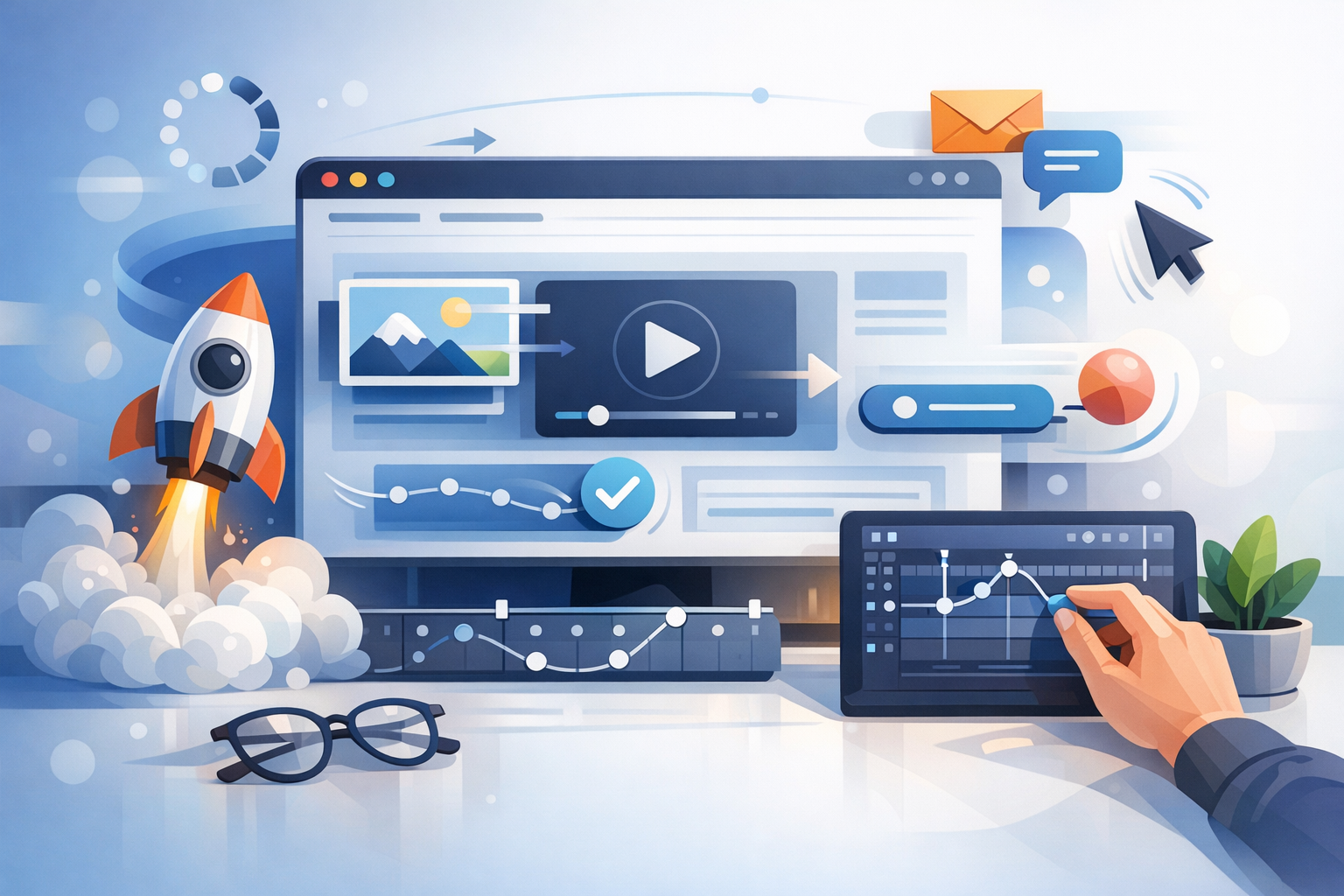
Website animation can guide attention, clarify interactions, and make your UI feel polished—when it’s purposeful. Learn key types of motion, best practices, and implementation options that keep your site fast and accessible.

High resolution web design ensures your site looks crisp on Retina and high-DPR screens without sacrificing speed. Learn the key principles, image techniques, and testing tips.

Retina ready design keeps your site’s images and icons crisp on high-DPI screens. Learn the principles and best practices—SVG, srcset, and modern formats—to balance clarity and speed.

Cross browser compatibility helps your site work reliably across Chrome, Safari, Firefox, Edge, and mobile devices. Learn the main causes of issues and practical ways to test and fix them.

Mobile-first design starts with the smartphone experience and then enhances layouts for larger screens. This guide covers key principles, best practices, and pitfalls to avoid.
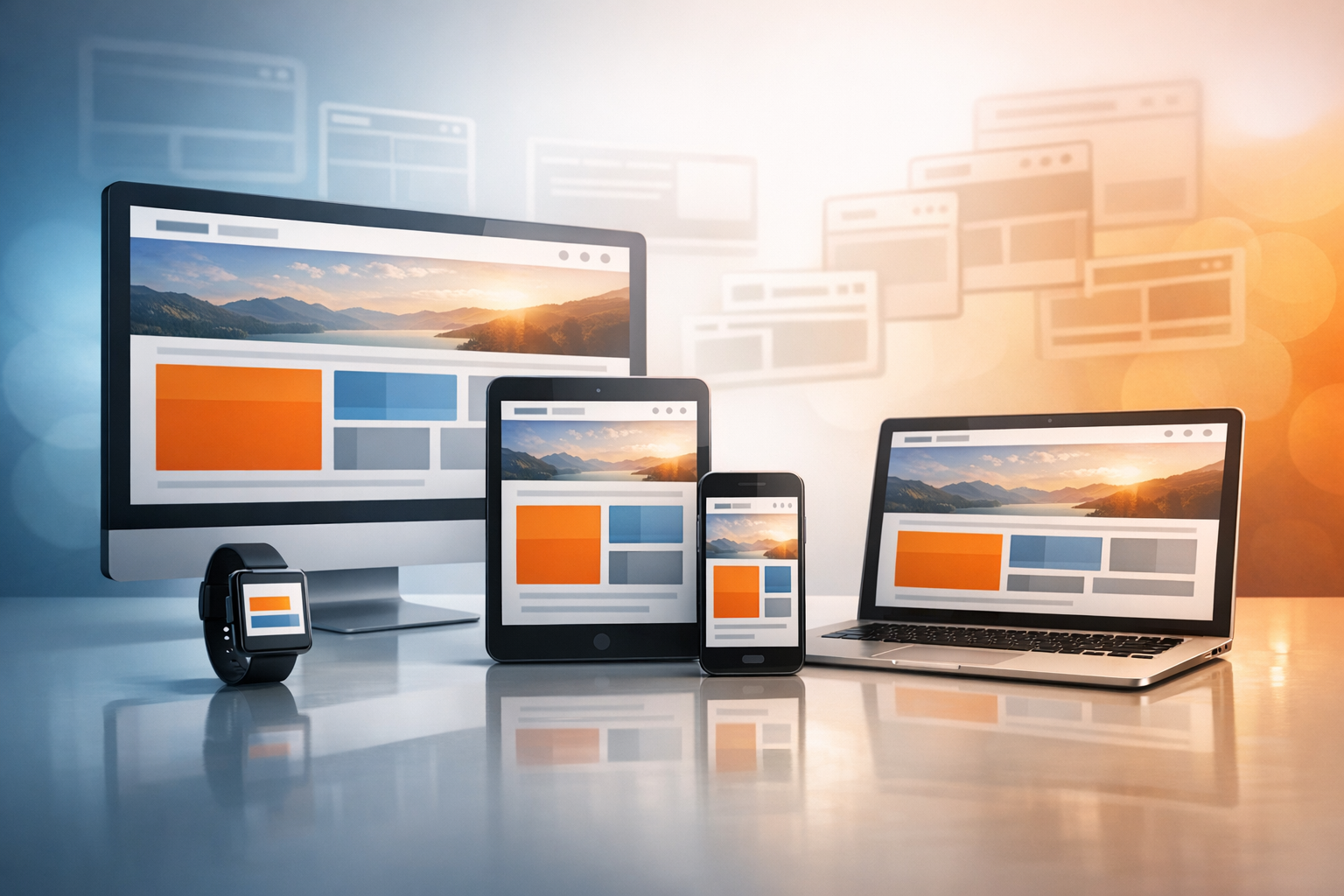
Responsive layout helps your website adapt smoothly across phones, tablets, and desktops. This guide covers core principles, common patterns, and best practices for building flexible, user-friendly pages.

Accessible UX blends usability and accessibility to ensure digital products work for people of all abilities. Learn practical principles, examples, and testing tips you can apply right away.
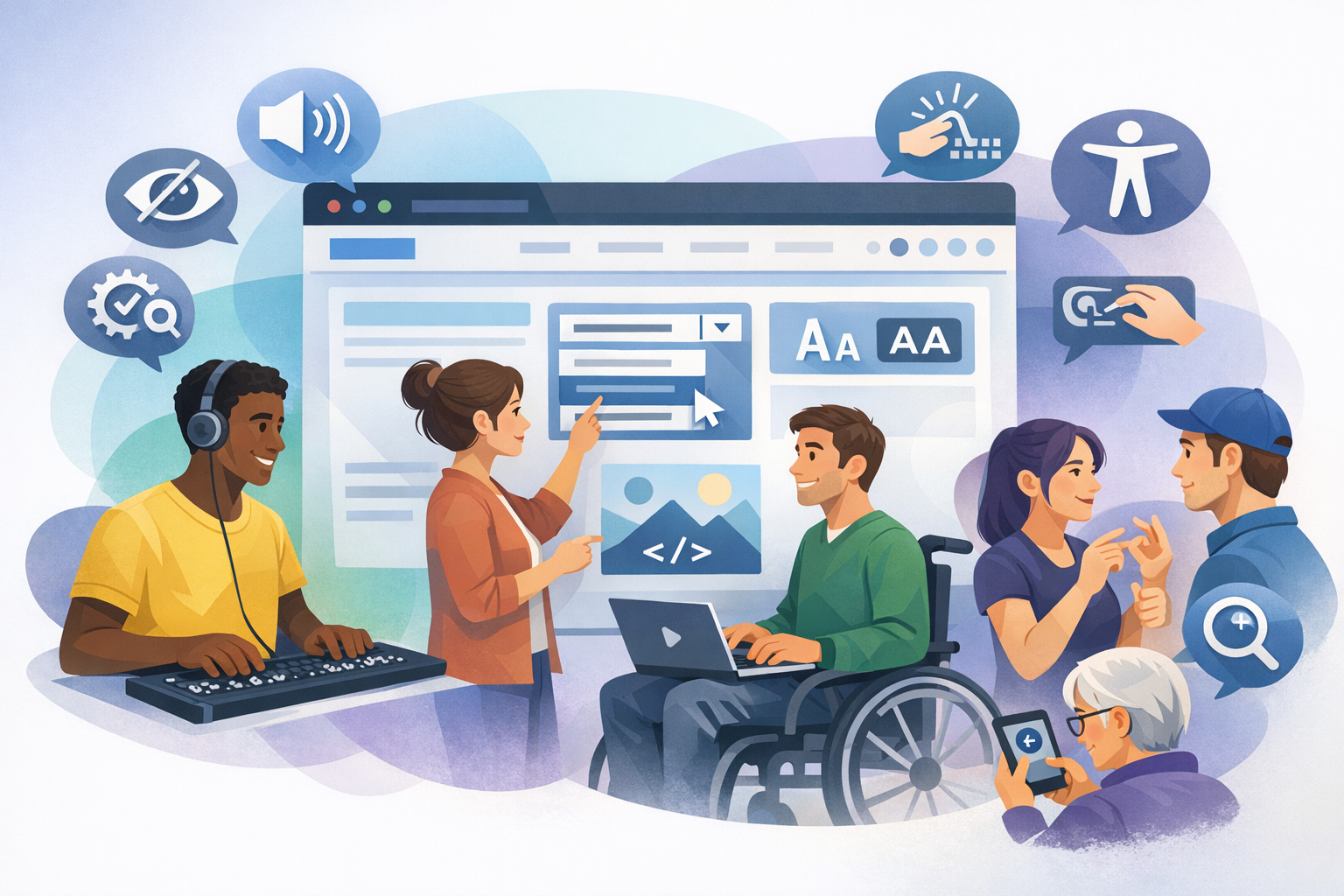
Inclusive web design helps websites work for people of all abilities, devices, and contexts. This guide covers core principles, practical best practices, and how to embed inclusion into your process.
Mon – 9a-5p
Tue – 9a-5p
Wed – 9a-5p
Thu – 9a-5p
Fri – 9a-5p
Sat – closed
Sun – closed

Copyright | Thinkit Media Inc | All Rights Reserved | Terms | Privacy Policy